

Where There Is Uns: Rachel Antoun and Joud Malhas on Winning the Van Cleef & Arpels Prize
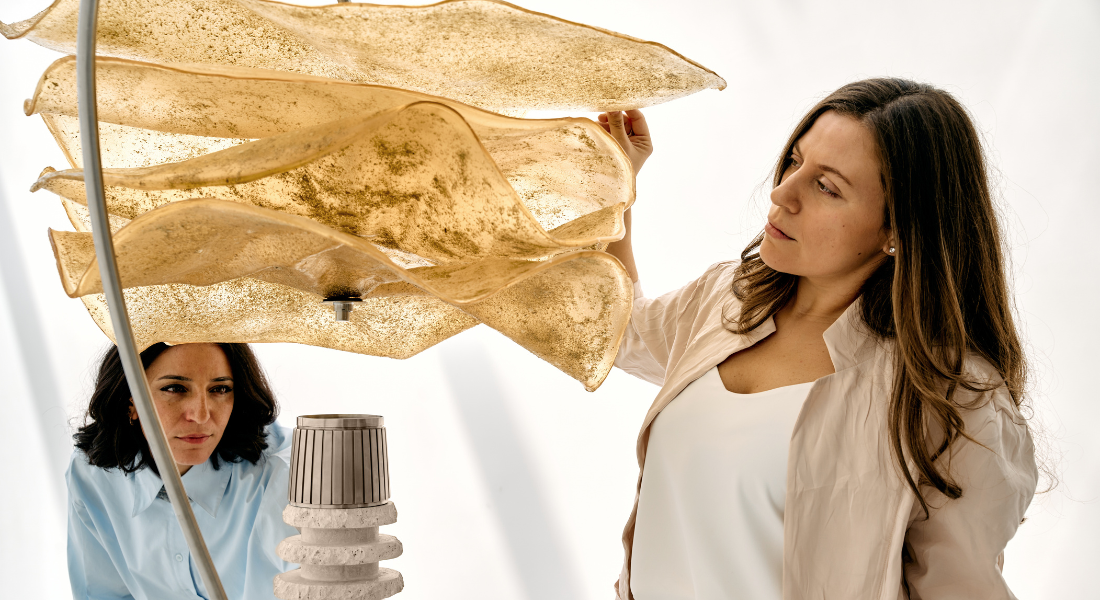
In a region experiencing a remarkable creative renaissance, the Van Cleef & Arpels Emergent Designer Prize continues to spotlight the next generation of design talent shaping the future of the Gulf. This year's winning project, Where There Is Uns, created by designers Rachel Antoun and Joud Malhas, stood out for its poetic exploration of hospitality, material innovation, and cultural memory.
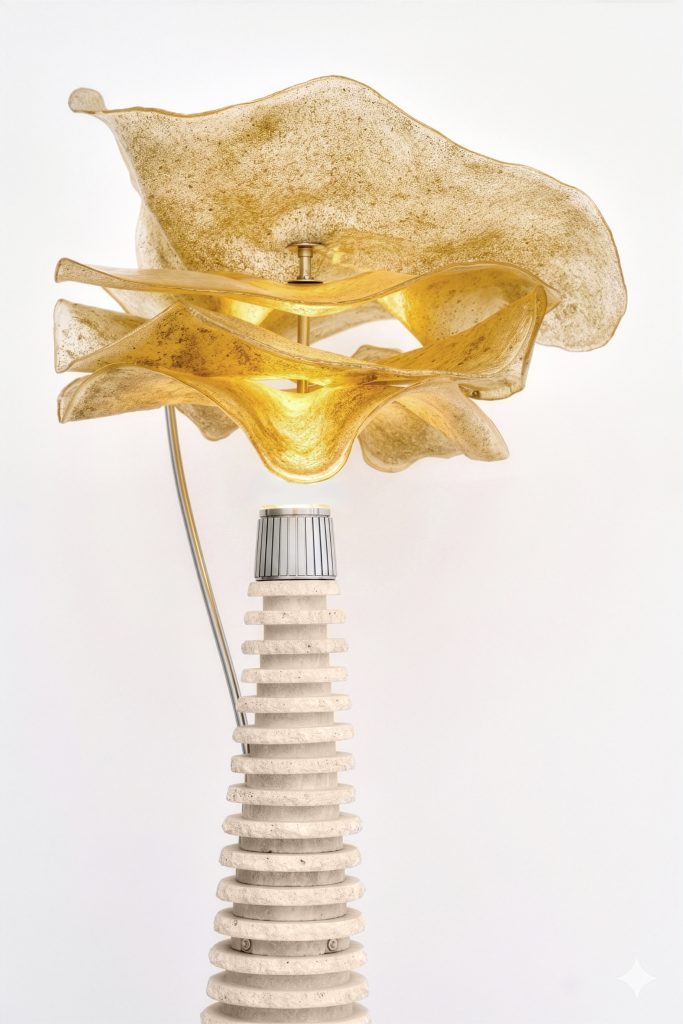
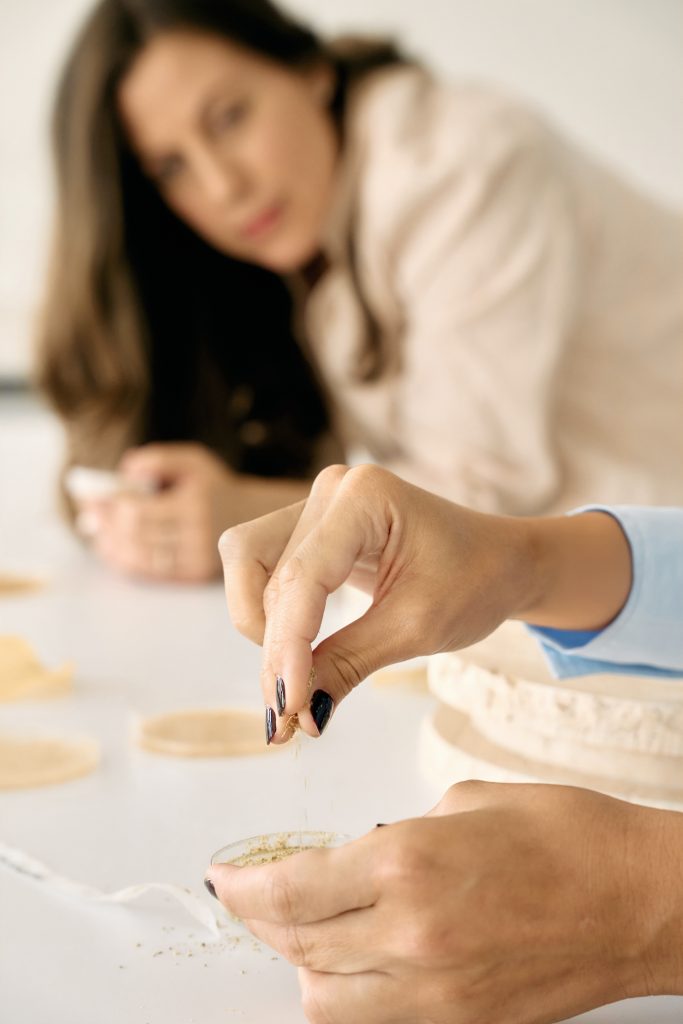
Responding to the 2025 theme, Blooming Poetry, the duo transformed an ancient gesture of welcome into a contemporary, multisensory installation. Drawing inspiration from the Bedouin tradition of lighting fires to guide travellers through the desert, Where There Is Uns invites visitors into an experience shaped by light, scent, tactility, and interaction. Crafted using experimental cardamom-husk bioplastics and reclaimed travertine offcuts, the installation reflects a contemporary vision of sustainability while remaining deeply rooted in regional values.
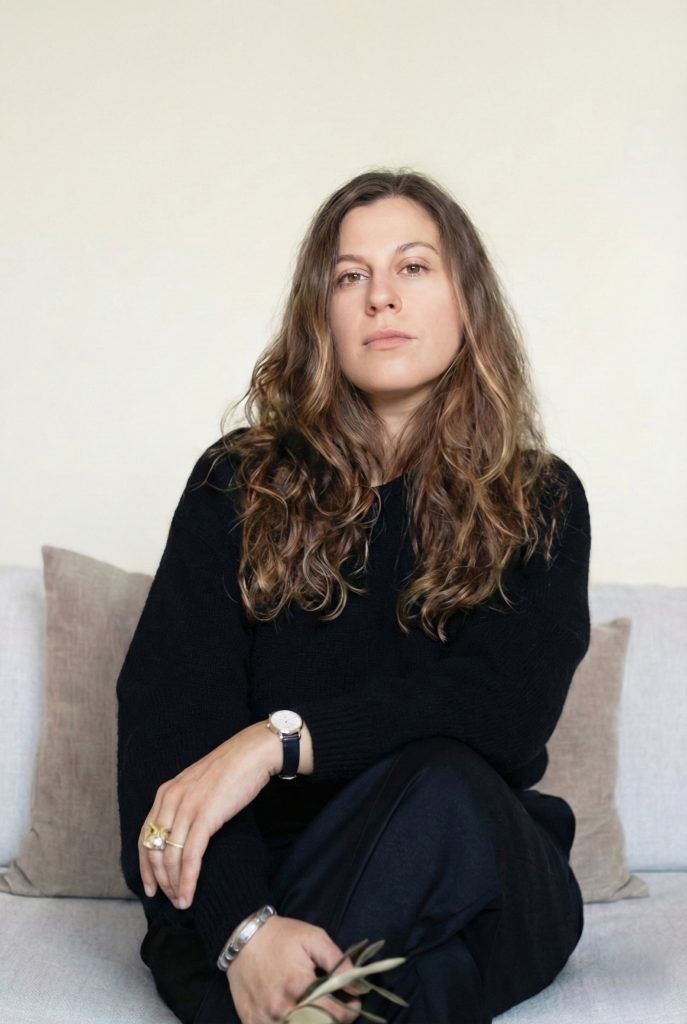
"Winning this prize felt very meaningful because it validated a way of working that can sometimes feel slower and less conventional today," says Rachel.
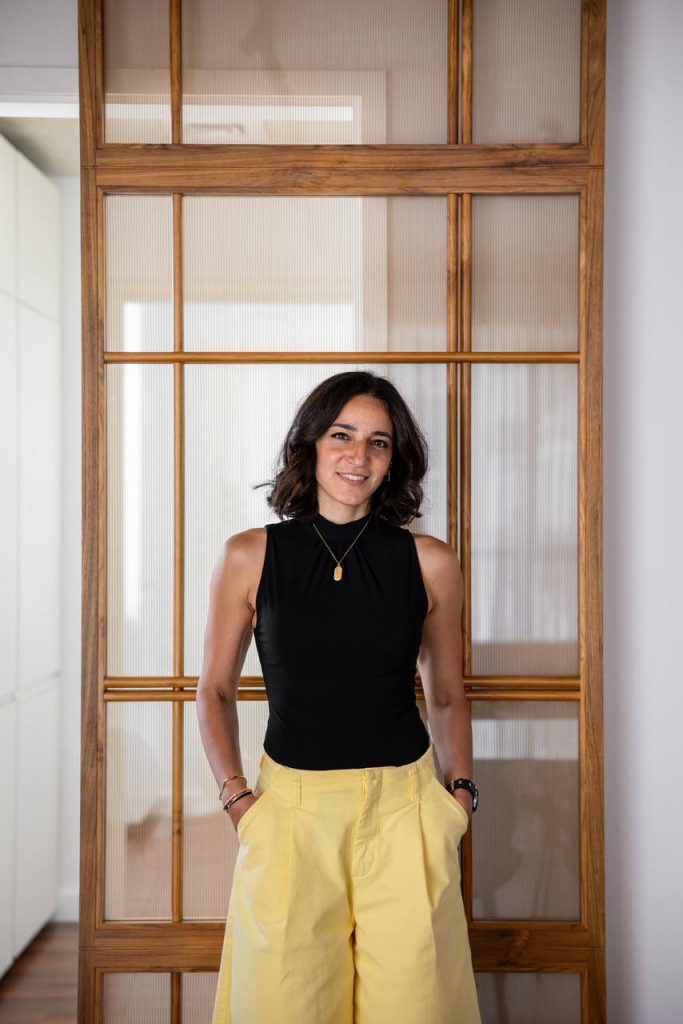
Joud describes the recognition as arriving at a defining moment in her creative journey. "The prize comes at a pivotal moment in my practice, where I am actively shaping and refining my voice as a designer."
Their winning installation, Where There Is Uns, was created in response to this year's theme, Blooming Poetry. Rather than interpreting poetry through words or symbolism, the designers explored how emotion can be translated through materiality, light, and interaction.
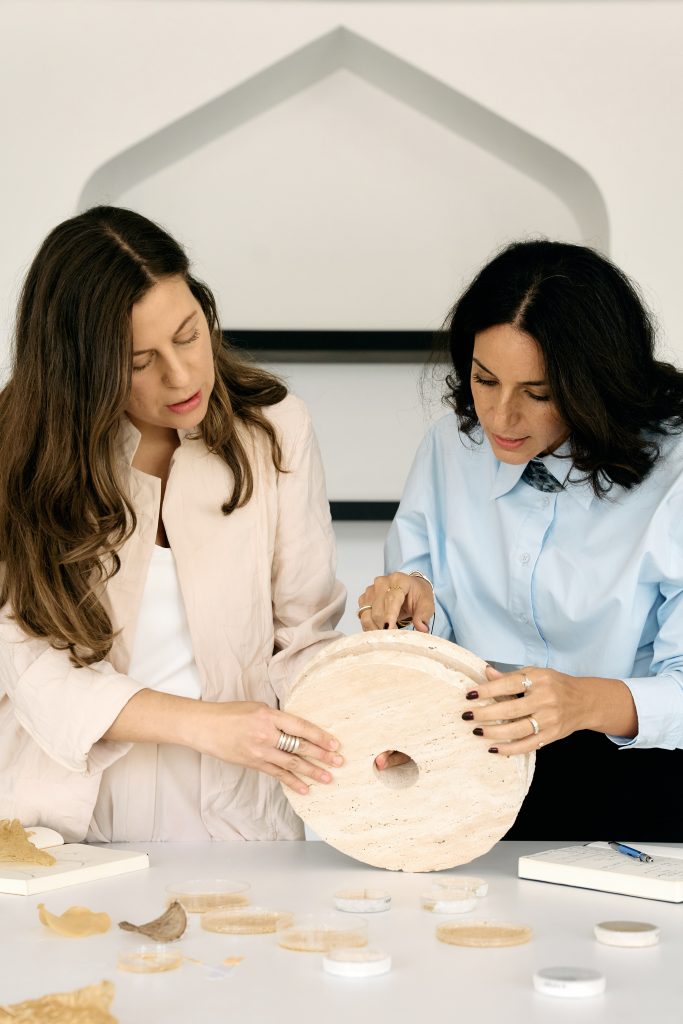
"For me, poetry in design is when an object makes you feel something before you fully understand it intellectually," Rachel explains.
Joud adds: "Where There Is Uns became our interpretation of poetry in physical form through the way it behaves rather than simply the way it looks."
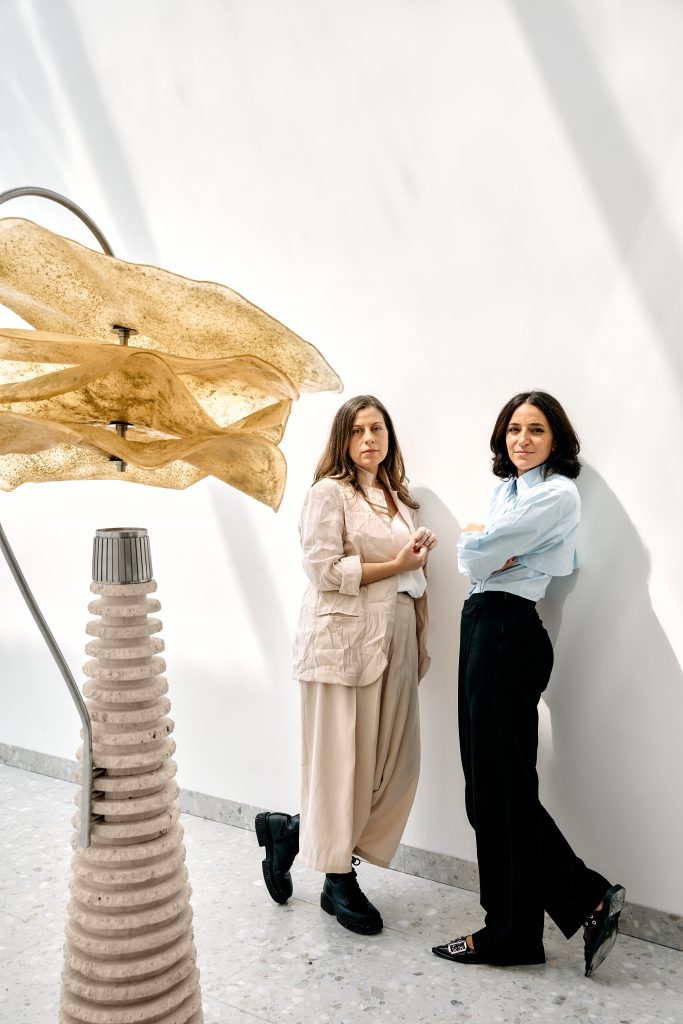
Inspired by the Bedouin tradition of lighting fires to welcome travellers, the installation reimagines hospitality through a contemporary lens.
"The Bedouin fire represented guidance, warmth, protection and human connection through something as simple as light," says Rachel.
For Joud, the emotional significance of the ritual remains timeless. "The act of lighting a fire in the desert was never purely functional, it was a gesture of welcome, safety, generosity and human connection."
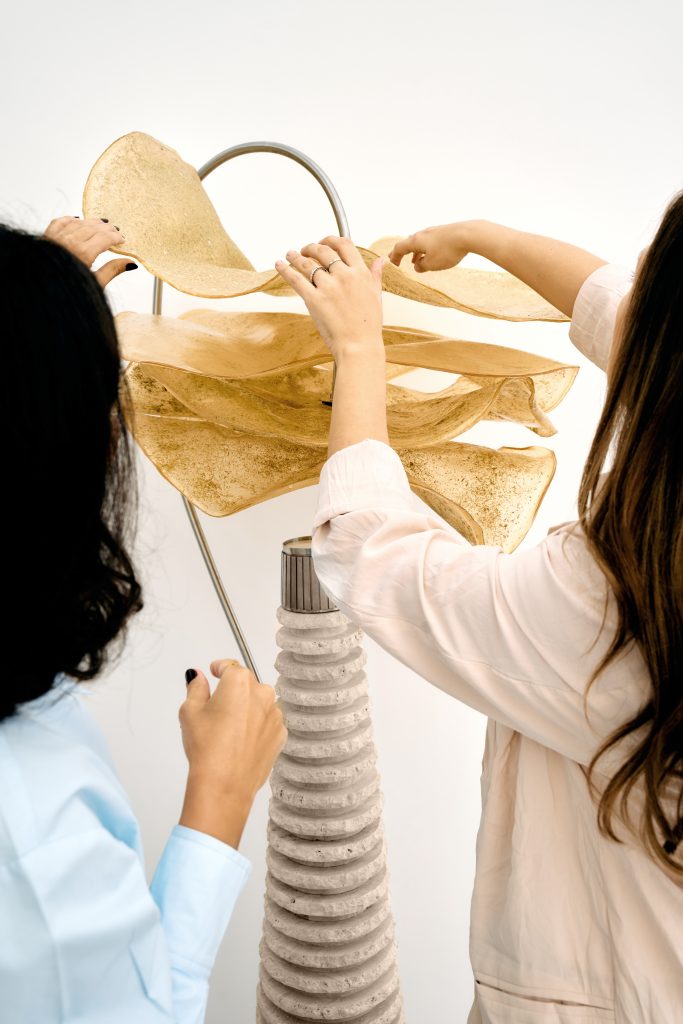
Sustainability also played a central role in the project. Using cardamom husks and reclaimed travertine, the designers sought to demonstrate that innovation and sensory richness can coexist.
"We wanted it to preserve softness, translucency, texture, and even a certain unpredictability," says Rachel of the experimental bioplastic developed for the installation.
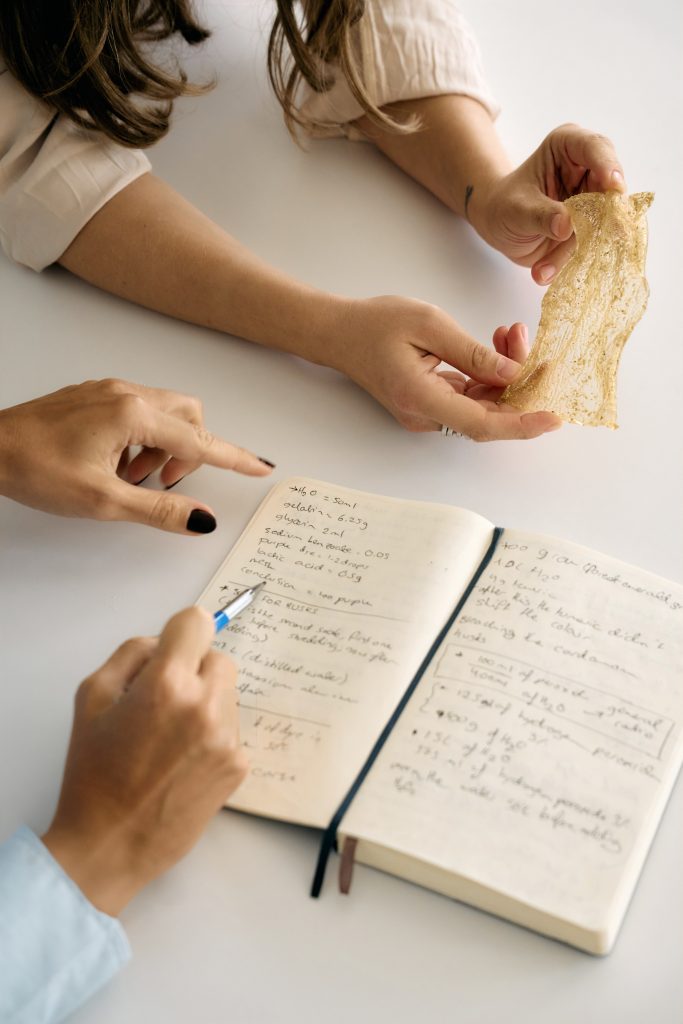
Joud echoes this vision: "We wanted to challenge the perception of sustainable materials by creating something that still felt luxurious."
Reflecting on the wider design landscape, both designers see a new generation of Gulf creatives embracing more nuanced forms of cultural storytelling.
"Many designers are becoming more interested in atmosphere, memory, rituals, materiality, and emotional experiences," Rachel notes.
"We are no longer treating heritage as something fixed in the past, we are engaging with it as something living and evolving," adds Joud.
Ultimately, Where There Is Uns is an invitation to connect. Through light, texture, scent, and interaction, the installation creates a moment of pause, one that reflects the enduring values of hospitality, generosity, and human connection that continue to shape the region today.
Follow Us

The Latest
-

Wellness
The science behind peptide injections
All the risks behind the so-called miracle treatments
-

Travel
Detox hotels to book for your next getaway
Check in, to check out at these beautiful resorts
-

Travel
Discovering Singapore’s green allure
Exotic, diverse, lush. The garden city of Singapore nurtures culture, fine dining, and an environmentally oriented plan for the future
-
Travel
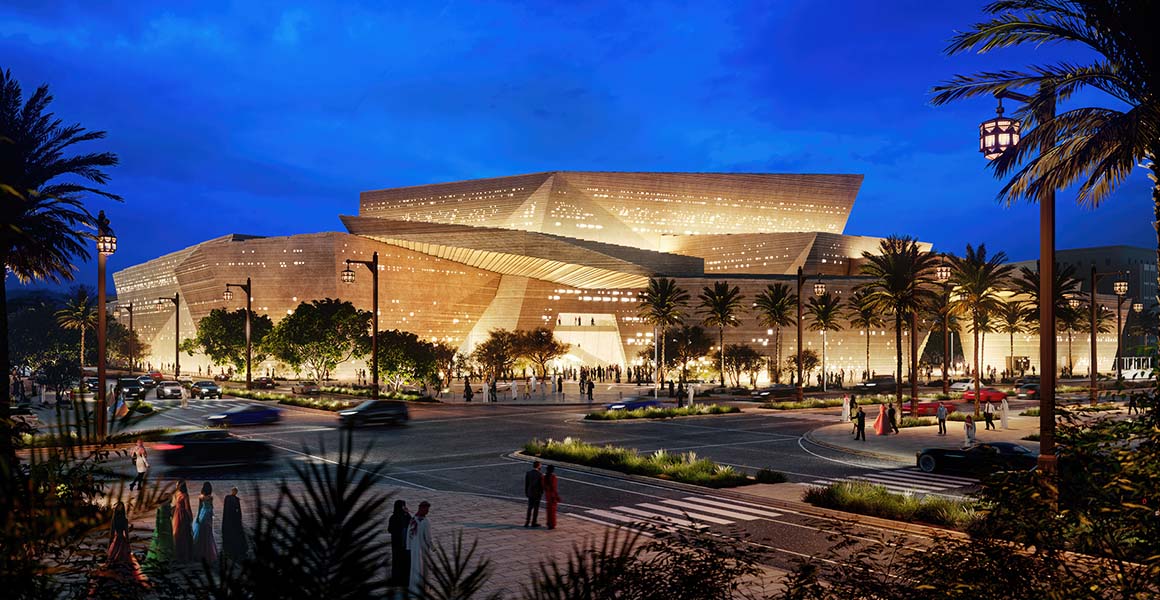
Inside The Royal Diriyah Opera House in Riyadh
Saudi Arabia’s first dedicated opera house opening soon
Subscribe to our newsletter and receive a selection of cool articles every weeks
You can unsubscribe at any time. To find out more, please visit our privacy policy.