

In Conversation With Anah Shaikh: On Building Anjus fine jewels and the Stories Hidden in Stones
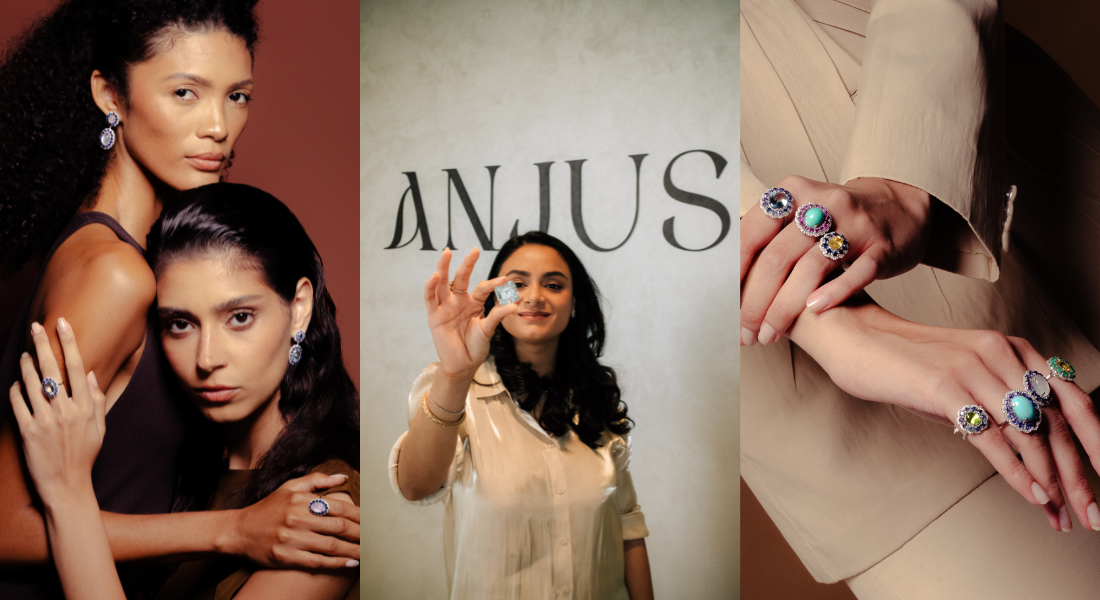
Some jewellery begins with design. Anjus began with memory.
Founded by Anah Shaikh and launched in Dubai through its debut collection, Marigold 1958, the fine jewellery house enters the category with a quieter proposition one where gemstones are not treated as decoration but as carriers of meaning. Rooted in years spent around rarity, art, and the worlds of Sotheby’s, Christie’s, Bond Street, and Hatton Garden, Anjus approaches jewellery through emotion as much as craftsmanship.
For Shaikh, however, the story began much earlier than the launch of a collection.
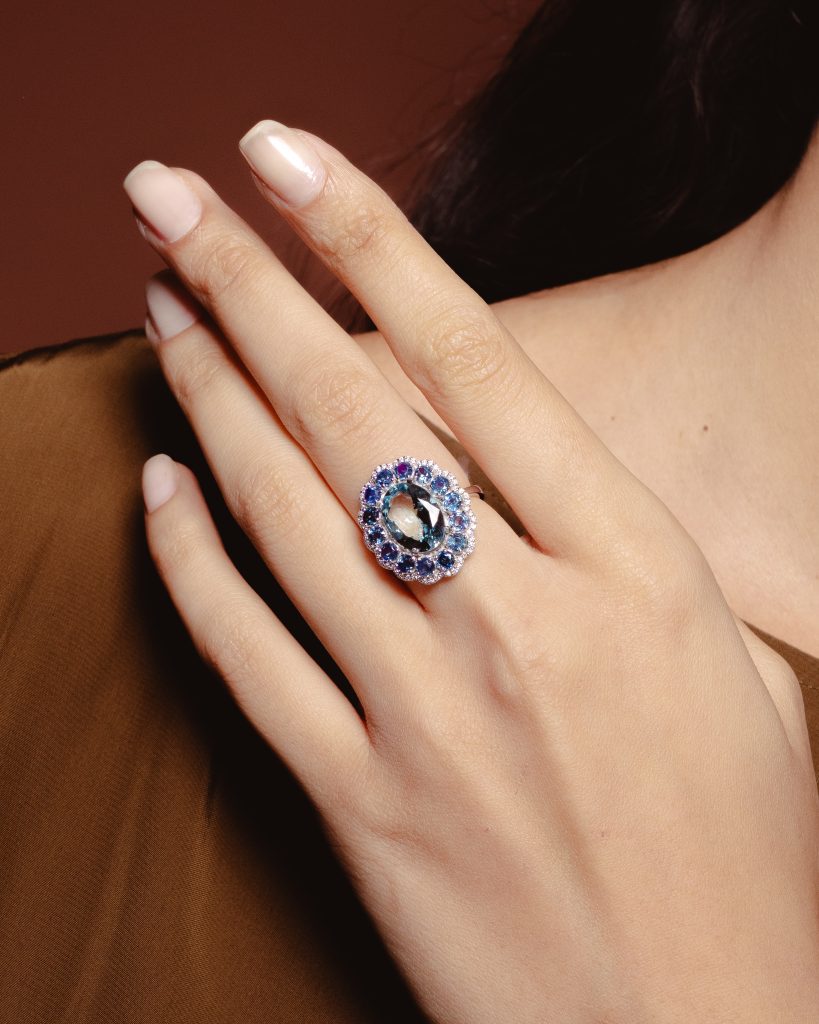
“Beauty, for me, was never something I discovered. It was something I inherited,” she says. Growing up, jewellery was understood as something far deeper than adornment an object that held memory, marked milestones, and carried significance across generations. “A piece of jewellery was never just an accessory; it was a transfer of something deeply personal.”
That understanding evolved further through years spent around exceptional objects and places where rarity and value intersect. But rather than reinforcing ideas of luxury through exclusivity, those experiences reshaped her understanding of what truly makes something precious.
“True value has nothing to do with price,” she reflects. “It has to do with story, provenance, and the quiet confidence of something that doesn’t need to announce itself.”
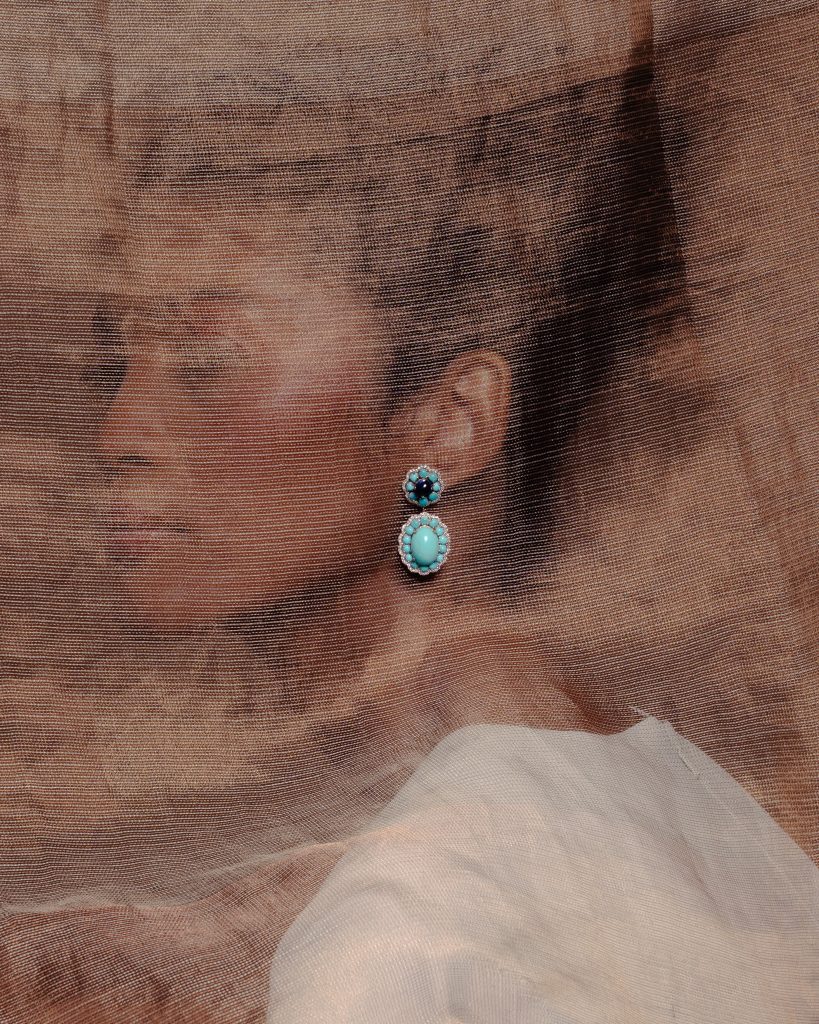
That philosophy now sits at the centre of Anjus. Instead of creating pieces designed for immediate attention, Shaikh speaks about making jewellery that reveals itself slowly objects that become more meaningful over time and reward closer attention.
Her earliest memories of gemstones remain among the clearest expressions of that perspective. She recalls Sunday mornings in London, quietly opening her mother’s velvet pouch and scattering loose stones across a glass dressing table. One moment in particular never left her. Holding up a deep blue sapphire to the light, her mother told her: “This stone is older than you. Older than me. Older than this house. And one day, someone is going to wear it for the rest of her life.”
“That was the moment a gemstone stopped being a pretty object to me and became something closer to a witness,” Shaikh says. “Something that outlives the people who hold it and carries them forward.”
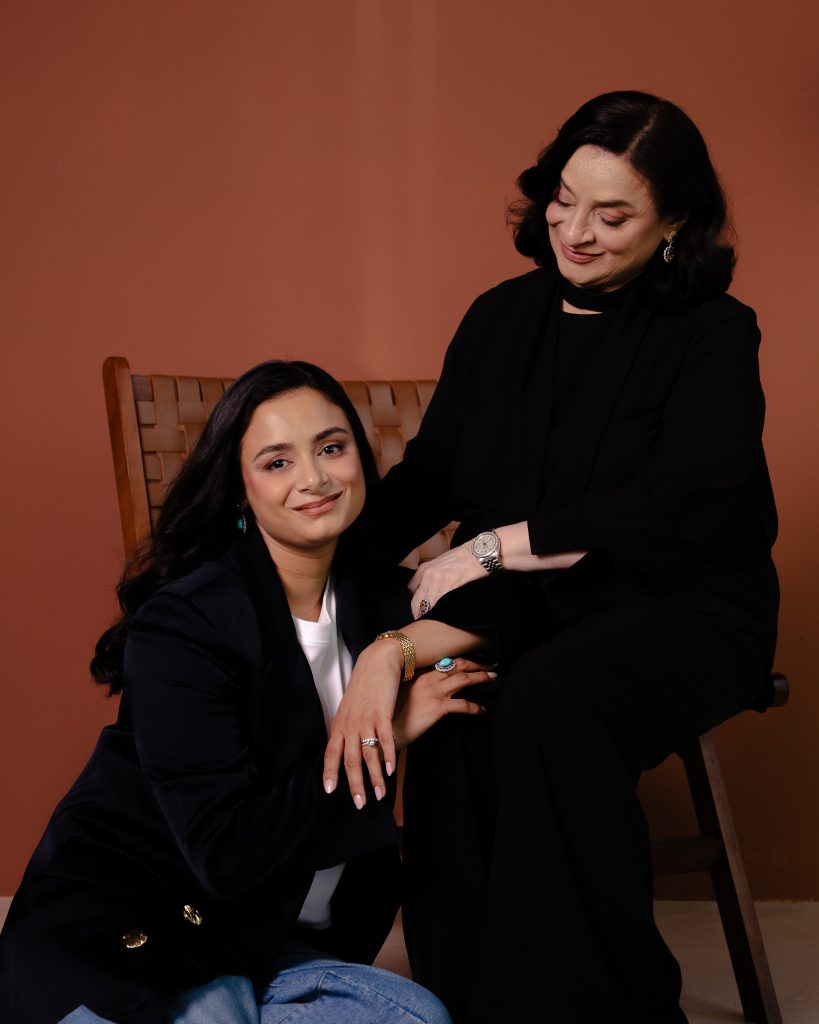
That emotional connection ultimately became the foundation of Marigold 1958, Anjus’ inaugural collection and a deeply personal tribute to her mother. Named after the year of her birth and inspired by the marigold flower, which Shaikh associates with softness and strength, the collection acts less as a dedication and more as an ongoing conversation.
“The lesson she gave me that I return to most is this: do things with care, and do them with patience. Nothing worth having was ever rushed.”
Launching Anjus also required a defining leap of faith. Four years ago, Shaikh left London for Dubai, a decision she describes as instinctive rather than strategic.
“On paper, it wasn’t the obvious next step,” she says. “But I had a very strong feeling that this city was where Anjus needed to be born.”
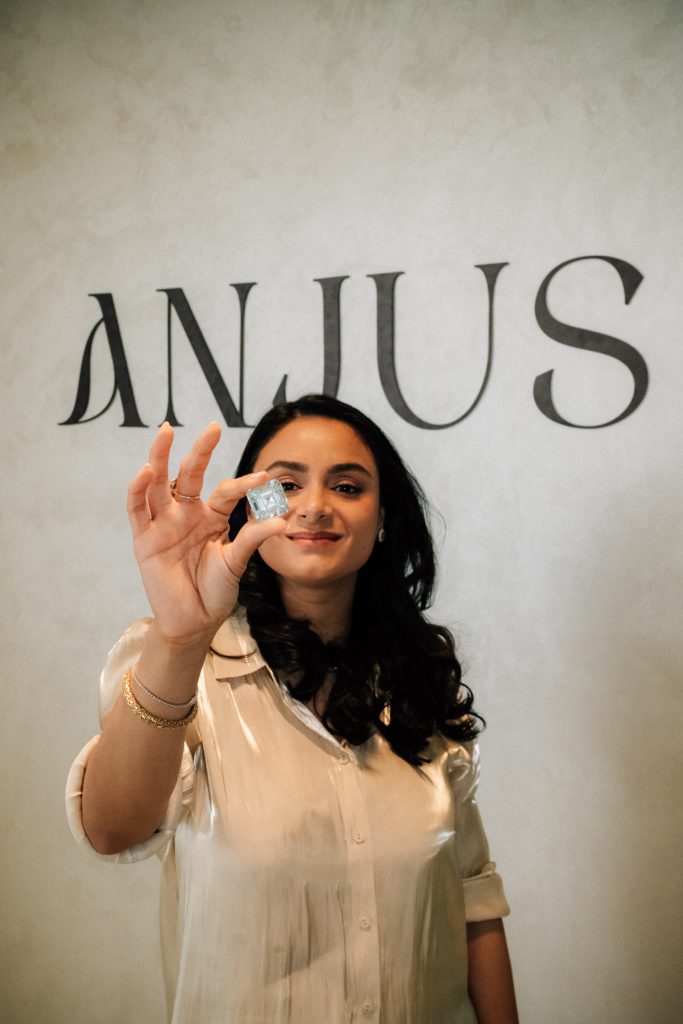
Today, she sees the house as carrying both places within it: London’s discipline and respect for craft alongside Dubai’s openness and confidence in new ideas.
When asked what she hopes people will associate with Anjus years from now, her answer returns to the same values that shaped it from the beginning.
“I hope they think of someone who looked closely at stones, at stories, at the details most people walk past.”
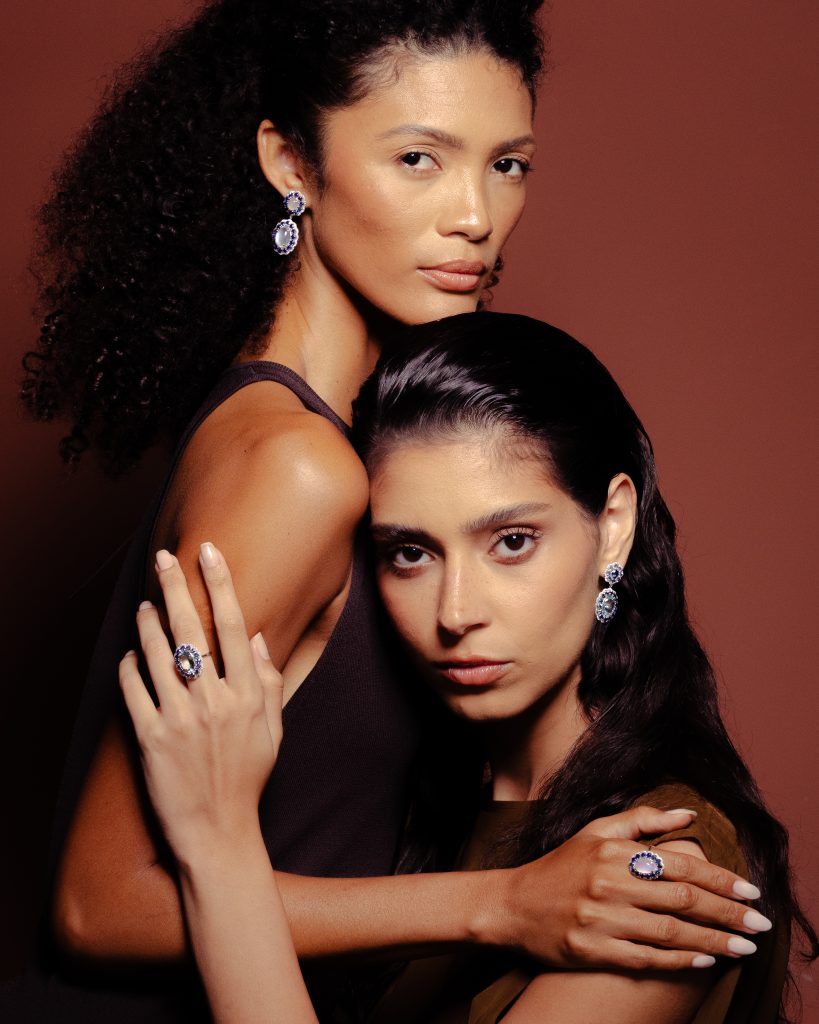
For Shaikh, success is not measured by trends or visibility, but by longevity: creating pieces that move from one generation to another and continue to hold meaning long after the moment they were created.
If Anjus becomes that kind of house one built on care, permanence, and stories worth carrying then, she says, it will have done something worthwhile.
By Tisha Goyal
Follow Us

The Latest
-

Wellness
The science behind peptide injections
All the risks behind the so-called miracle treatments
-

Travel
Detox hotels to book for your next getaway
Check in, to check out at these beautiful resorts
-

Travel
Discovering Singapore’s green allure
Exotic, diverse, lush. The garden city of Singapore nurtures culture, fine dining, and an environmentally oriented plan for the future
-
Travel
Inside The Royal Diriyah Opera House in Riyadh
Saudi Arabia’s first dedicated opera house opening soon
Subscribe to our newsletter and receive a selection of cool articles every weeks
You can unsubscribe at any time. To find out more, please visit our privacy policy.