

Meet Madame: Leila Roukni, founder of TALEL Paris
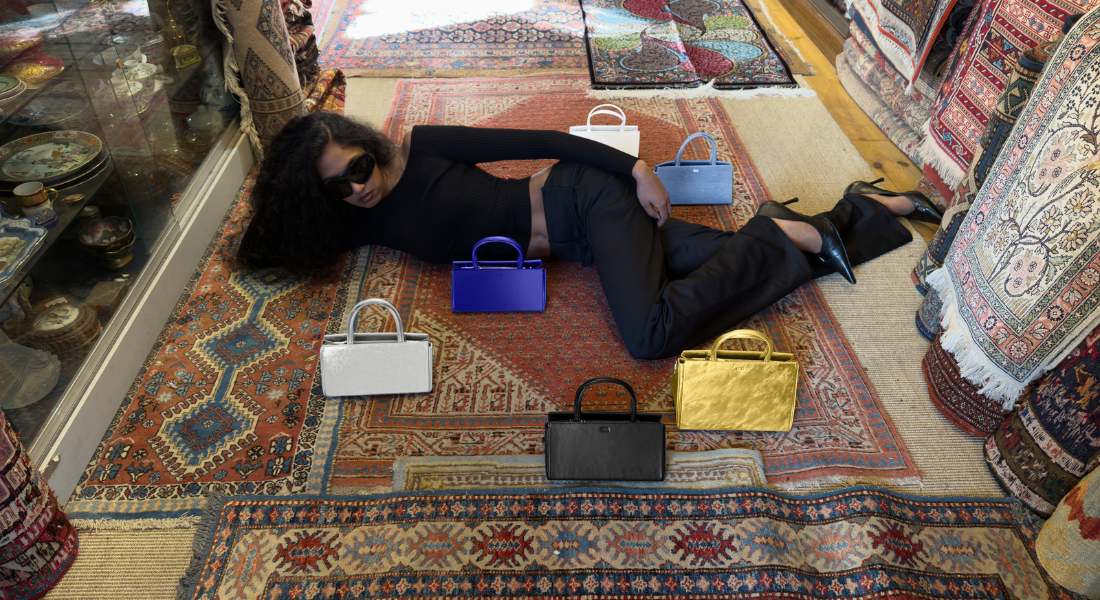
The designer discusses creative freedom, cultural identity and why Arabic aesthetics deserve a more experimental place in the global fashion conversation.
After more than a decade working at some of the luxury industry's most respected leather goods companies, Leila Roukni found herself searching for something the traditional system could no longer offer complete creative freedom. In 2019, she launched TALEL Paris, a contemporary luxury accessories brand that allows her to explore design on her own terms.
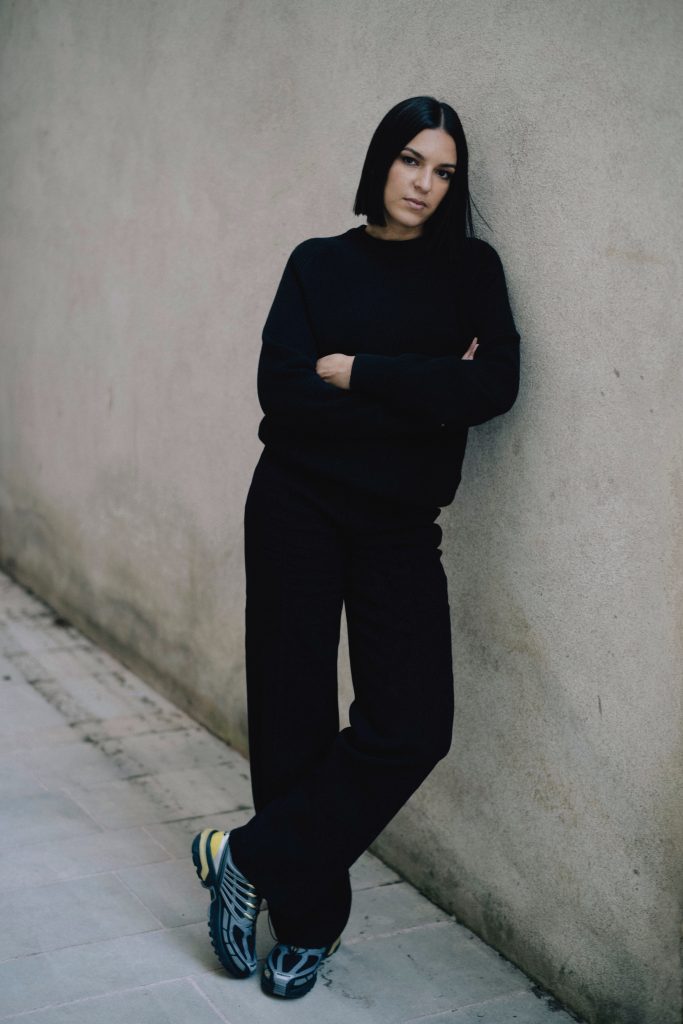
Born in Morocco and professionally shaped by her time working in Paris, Roukni brings both worlds into her work. Through bold colours, unconventional silhouettes and an experimental approach to form, TALEL challenges conventional ideas of luxury while drawing subtle inspiration from Moroccan culture, travel and craftsmanship.
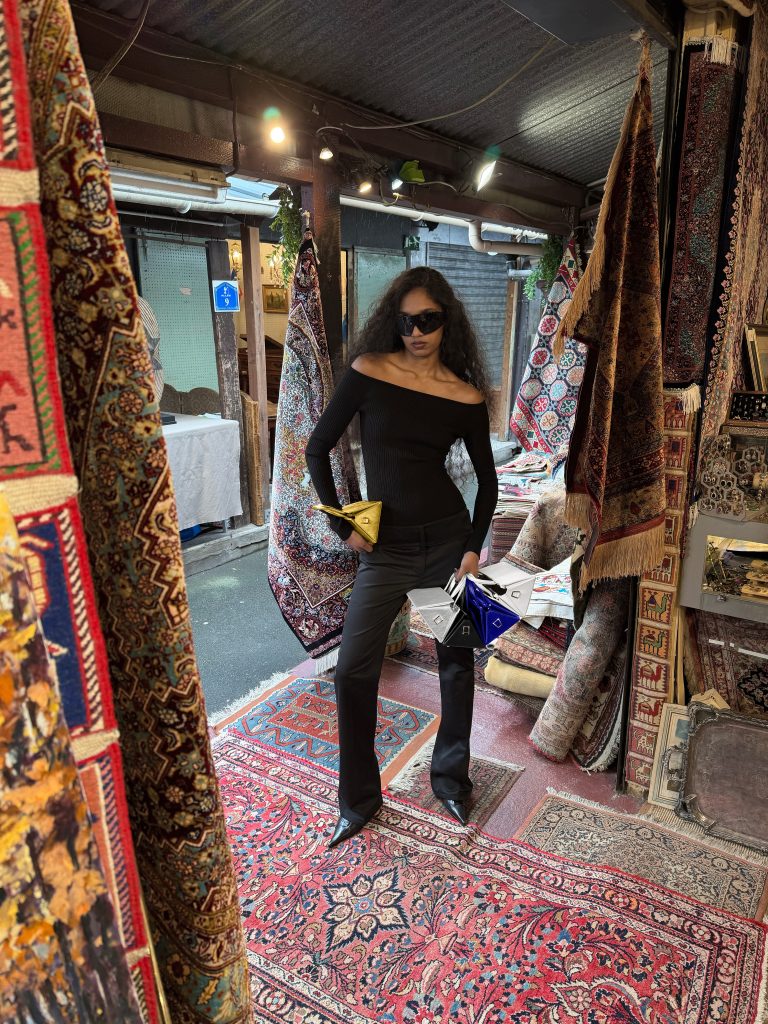
Produced in limited quantities and handcrafted using the finest materials, TALEL balances sharp contemporary design with a deep respect for artisanal know-how. Central to the brand is her desire to reinterpret cultural heritage, creating pieces that feel modern and globally relevant. Here, we discuss Roukni’s journey from Parisian ateliers to independent designer, the inspiration behind her latest collection, and why she believes Arabic aesthetics deserve a more profound place within the global fashion conversation.
You spent more than a decade working in the leather goods industry in Paris before launching TALEL. What pushed you to finally create your own brand?
I reached a point where I needed complete creative freedom. I had learned a lot within very structured and “safe” environments, but I wanted to explore something more instinctive, radical, and less conventional. TALEL came from the need to create without limits and build a design language that truly reflects my dual culture and vision.
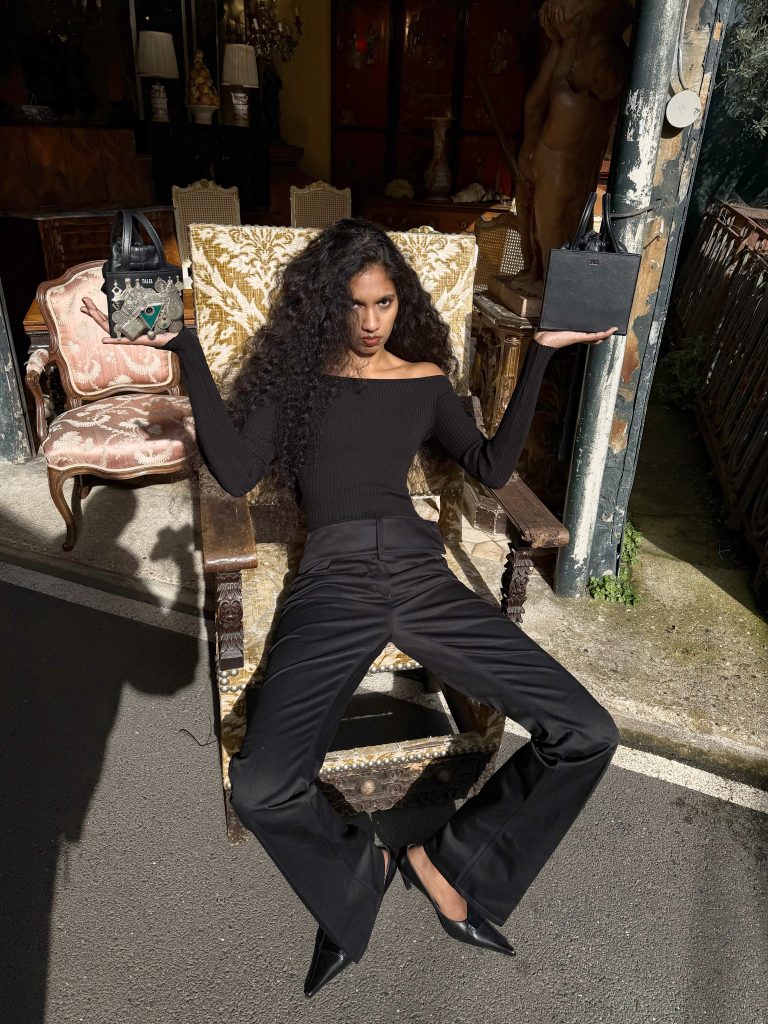
How would you describe your design language?
TALEL is like a small laboratory of experimentation. I see design as a space to test, distort, and transform cultural references into unexpected forms. My language is built on tension: heritage and future, elegance and brutality, familiarity and discomfort. I’m interested in objects that provoke a reaction and make people question what they’re looking at.
Your work often balances sharp contemporary silhouettes with references to Moroccan culture and craftsmanship. Why is that dialogue between heritage and modernity so important to you?
Because heritage should evolve rather than stay frozen in time. I’m interested in taking cultural codes and projecting them into contemporary forms rather than treating them as nostalgic symbols.
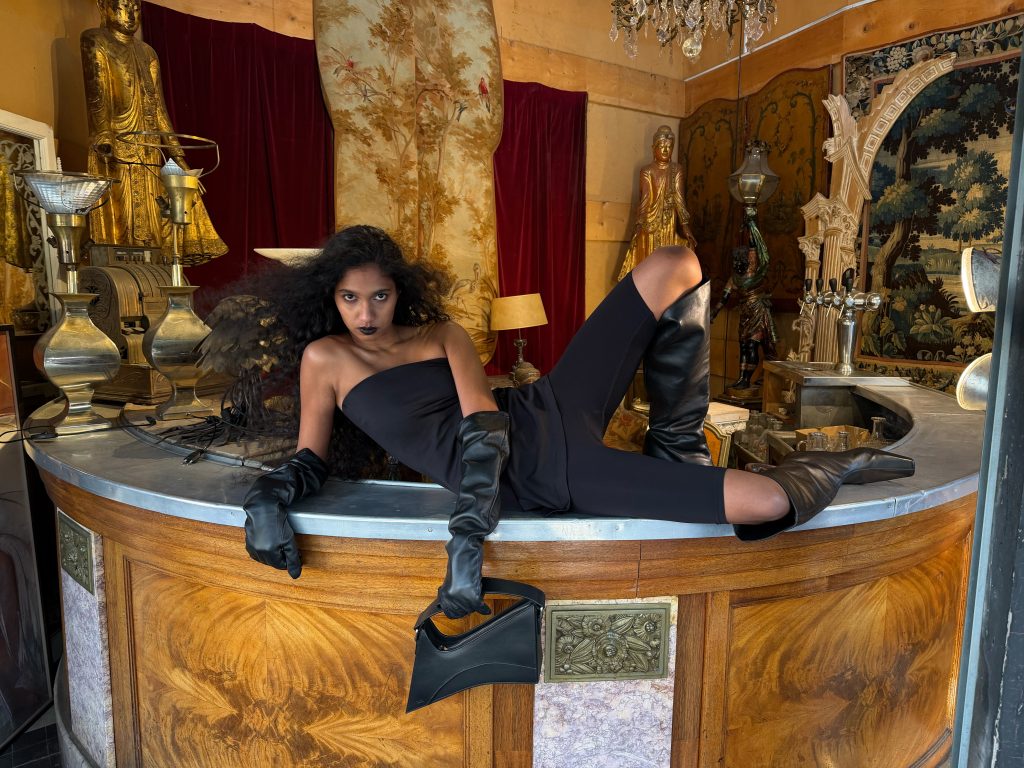
Many of your bags are produced in limited quantities. How important is exclusivity and slower production within today’s fashion landscape?
It’s very important. Limited production allows more freedom, more experimentation, and a stronger connection to the object. I prefer creating pieces with intention rather than producing endlessly.
Your recent collection, Cultural Disruption, explored Arab culture through experimental forms. What conversations were you hoping to open through this collection?
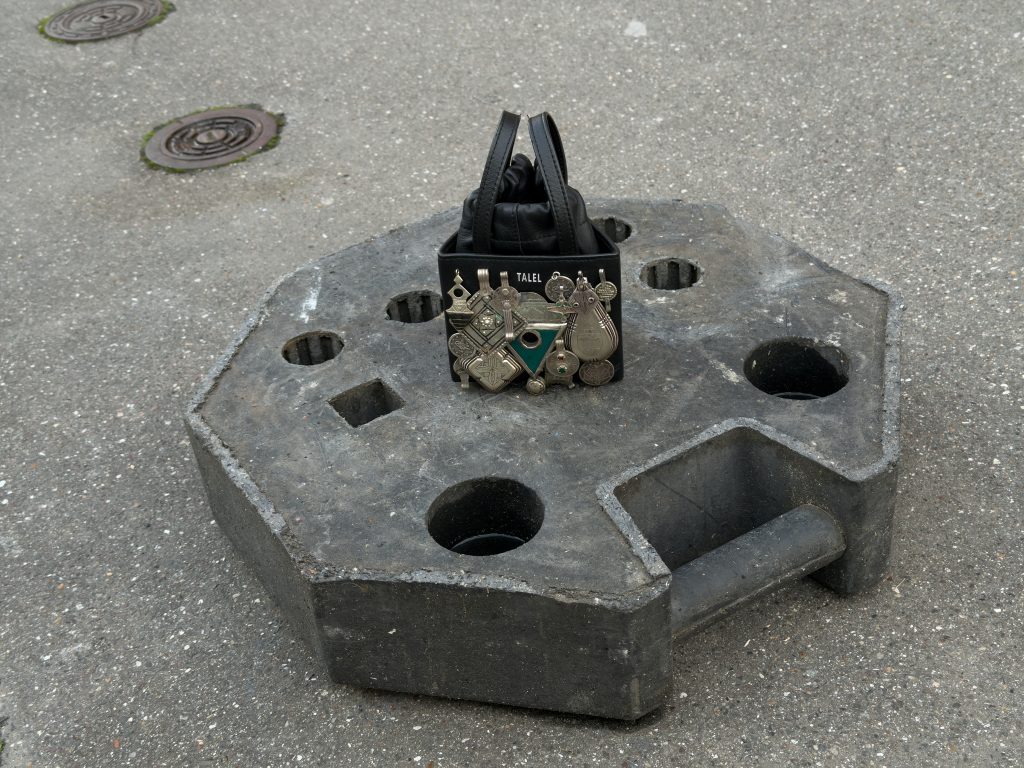
I wanted to question how Arab culture is perceived visually and move away from decorative clichés or nostalgic representations. The collection explores a more conceptual and contemporary Arabic identity, in which heritage is constantly reinterpreted through experimental forms. It was important for me to show that Arabic design can be radical, evolving, and fully part of a global contemporary dialogue.
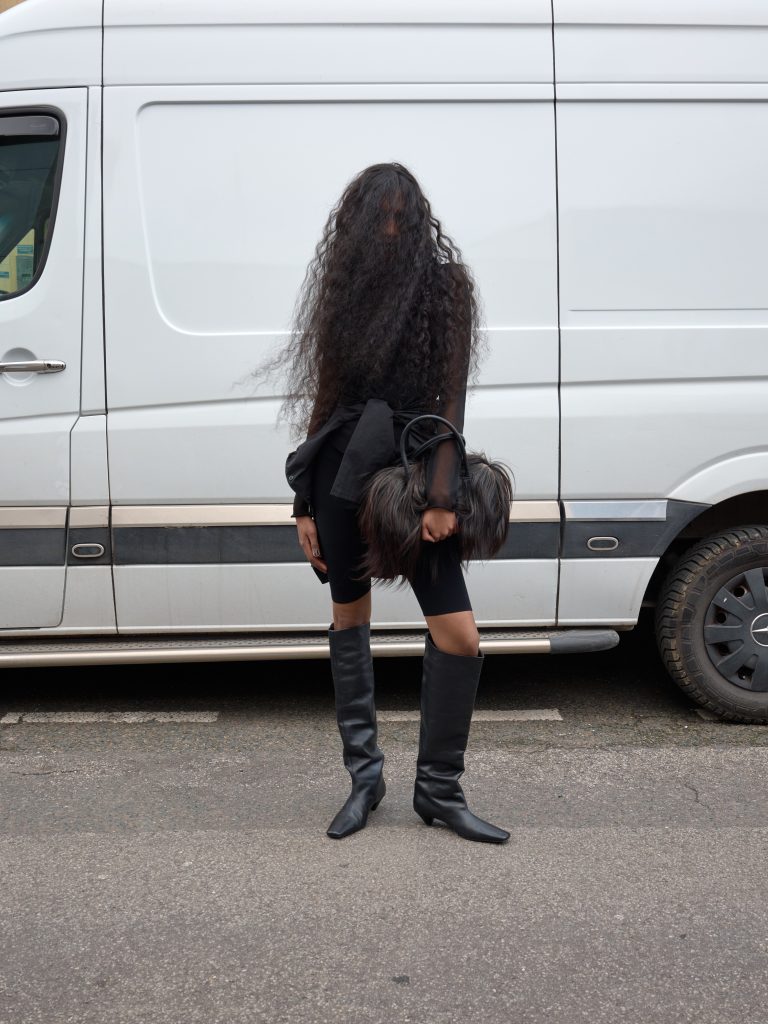
You worked closely with Moroccan craftsmanship. What was the experience of returning to those traditional techniques?
Working with Moroccan craftsmanship has been very grounding, but it also pushes me out of the comfort zone of an industry where everything tends to be standardised and identical. It forces me to slow down, to accept irregularities, and to see value in imperfection. I’ve learned a lot from that process, starting from the “defect” or the unexpected, which often leads to the most interesting and beautiful outcomes.
Sustainability is an important part of the TALEL philosophy. What does responsible luxury personally mean to you?
For me, responsible luxury means creating less but creating with meaning. It’s about durability, craftsmanship, human-scale production, and emotional value over consumption.
Having worked extensively in Paris before building your own label, how has your perspective on luxury evolved over the years?
I used to see luxury mostly through perfection and image. Today, I see it more through authenticity, intention, and the ability to create something culturally meaningful.

Who is the woman you imagine carrying your designs?
I imagine someone curious, confident, and emotionally connected to design. I don’t see one fixed type of woman, but more a mindset. She doesn’t look for objects that simply decorate her, but for pieces that reflect something about her attitude or inner world. She is highly sensitive to meaning and detail, and she sees objects as expressions rather than mere accessories.
What challenges have you faced as an independent designer building a contemporary luxury accessories brand today?
One of the biggest challenges is staying independent while protecting a strong creative vision. There’s constant pressure to simplify or commercialise, but I believe identity is everything.
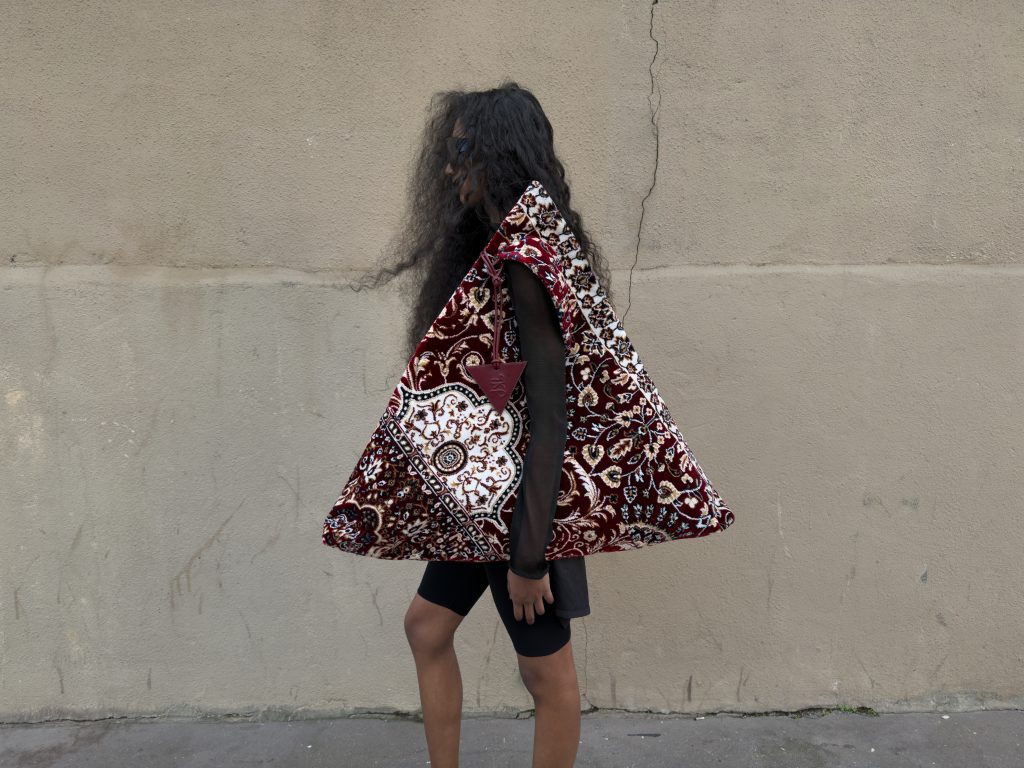
What inspires you?
Inspiration comes from contrasts: architecture, music, archives, streets, conversations, and materials. I feel most inspired between cultures when things don’t fully belong to one world.
Looking ahead, what kind of legacy do you hope to build through TALEL?
I hope TALEL can contribute to reshaping how Arabic aesthetics are seen globally, not as something traditional or fixed, but as a contemporary and experimental creative force.
Follow Us

The Latest
-

Wellness
The science behind peptide injections
All the risks behind the so-called miracle treatments
-

Travel
Detox hotels to book for your next getaway
Check in, to check out at these beautiful resorts
-

Travel
Discovering Singapore’s green allure
Exotic, diverse, lush. The garden city of Singapore nurtures culture, fine dining, and an environmentally oriented plan for the future
-
Travel
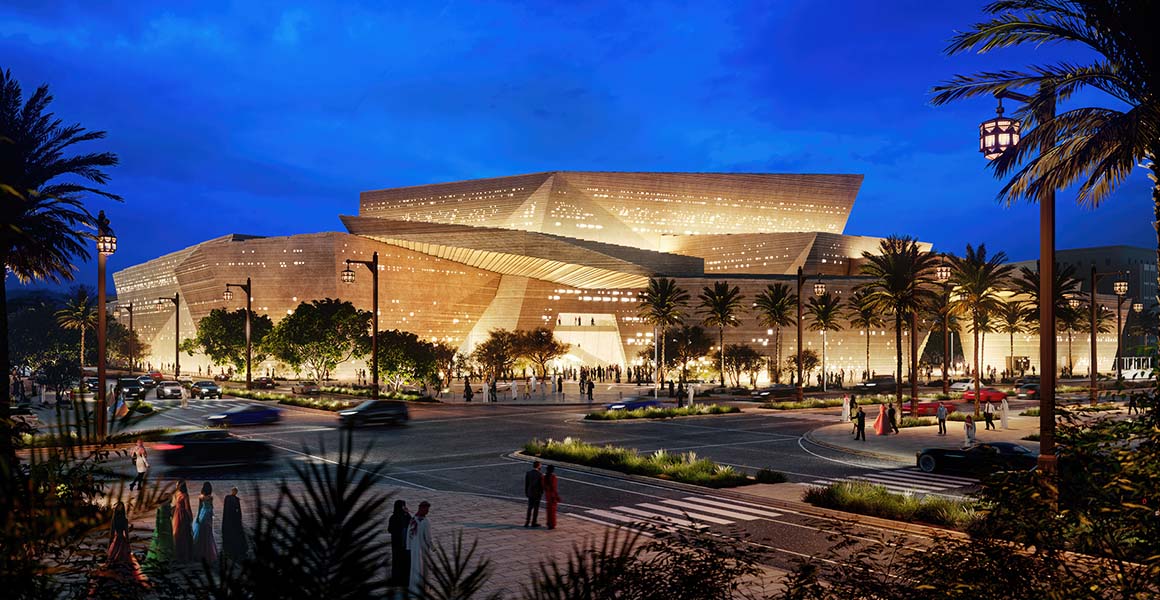
Inside The Royal Diriyah Opera House in Riyadh
Saudi Arabia’s first dedicated opera house opening soon
Subscribe to our newsletter and receive a selection of cool articles every weeks
You can unsubscribe at any time. To find out more, please visit our privacy policy.