

A Sense of Home
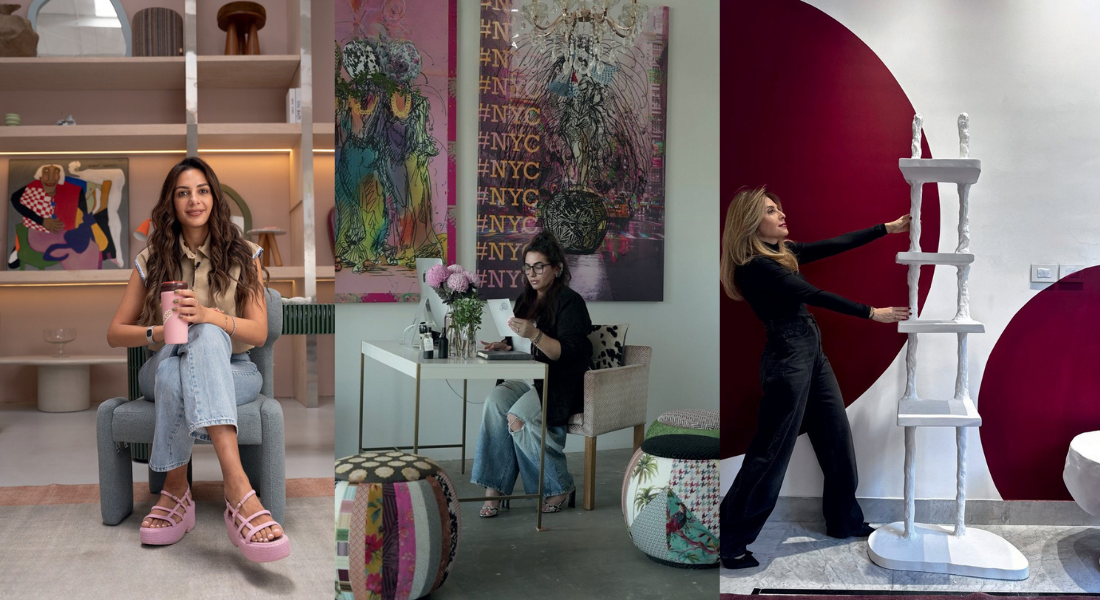
Three women shaping the Middle East’s interiors scene and redefining what it means to feel at home.
Across the Middle East, female entrepreneurs are shaping the region’s interior design landscape, building brands that help to turn living spaces into personal sanctuaries. Exploring interiors on a deeper level, these female founders are focusing on how spaces are experienced, blending personal vision with evolving trends and cultural influences.
Still, building a creative business is never without its challenges. From overcoming setbacks to balancing creativity with commercial realities, these women are forging their own paths while continuing to grow and innovate. Here, we speak to three inspiring founders who are shaping the interiors industry in their own way.
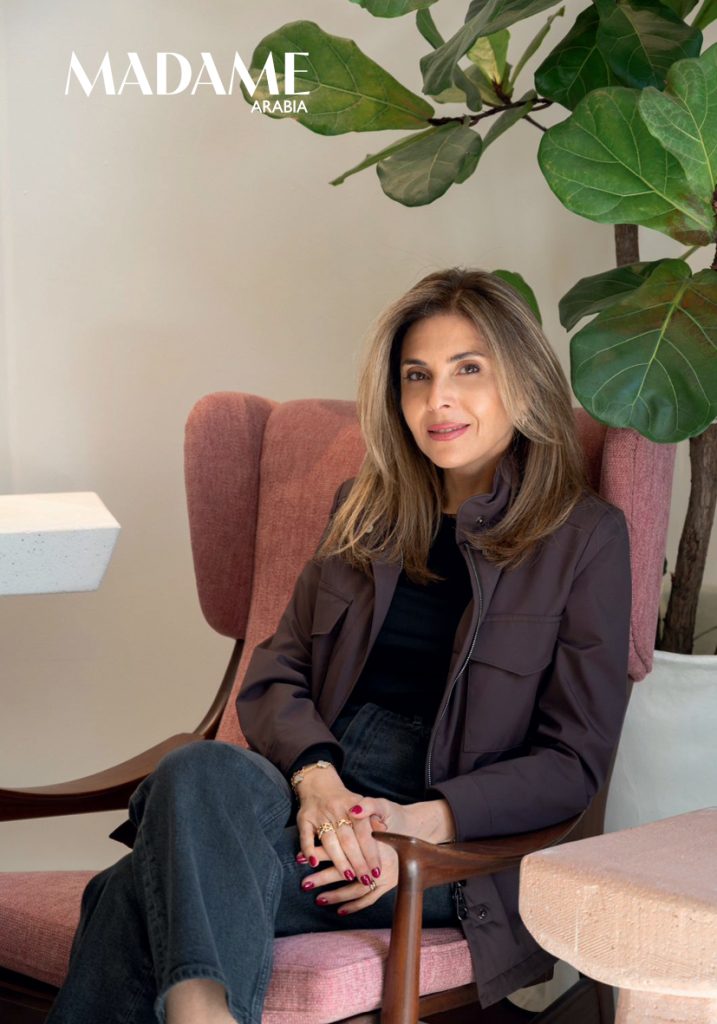
Diana Chouaib Ghandour, Founder of Diana Ghandour Studio
Interior architect and product designer Diana Chouaib Ghandour has quickly built a reputation for her bold, colour driven interiors and curated collectable design pieces.
After launching her own studio, she has completed over 50 interior design projects across the Middle East and internationally in just three years, while also developing product collections and opening a gallery concept that champions both established and
emerging designers. Her social platform, What’s Hipp, also offers design inspiration and serves as an extension of her creative voice.
Based between Beirut and Paris, Ghandour’s work blends contemporary design with vintage elements, mixing international and regional creatives to create layered, expressive spaces. As she prepares to unveil her first product design collection in Paris, she reflects on her journey so far.
How did your design journey begin?
Art has always been part of my life. I trained as an interior architect and also studied graphic design and photography. During COVID-19, I launched an Instagram platform, What’s Hipp, focused on interiors, colour, and the psychology of spaces, particularly during long periods at home. After COVID, the platform grew, and people began asking me to design their homes.
I started with smaller projects, then designed my own home, which was later selected by We Design Beirut as a key project. This led to larger commissions and the formal launch of my studio.
How would you describe your unique design style?
Different, colourful, and out of the box. I mix collectable pieces with new designers and established brands. Colour is central, but I also like to create calm spaces with one unexpected element.
Your studio has grown very quickly. How has your business evolved since its launch?
I began freelancing and managing everything myself before gradually building a team. Today, I work internationally across the Middle East, the US, Hong Kong, Paris, and London, often remotely, while remaining involved throughout each project.
You’ve also launched your own design studio and gallery concept in Beirut…
Yes, I opened Studio L’Appartement, a design space that reflects my personality through colour, collectable pieces, and curated collaborations. I regularly rotate collaborations with Lebanese and international designers, including artists as well as jewellery
and couture designers, refreshing the space every six months.
How do you champion Middle Eastern designers?
I initially worked with international designers, but quickly realised Lebanese creatives were reaching another level. I began promoting Lebanese designers and now also support emerging talent, with plans to expand this across the Middle East.
What trends are you currently drawn to?
I’m drawn to contemporary design mixed with vintage. I look for pieces that tell a story and create contrast. A clean space can be transformed by one eclectic element.
How do you remain strong during challenging times?
I have a team and responsibilities, which motivated me to continue and offer inspiration during difficult times.
Where do you find inspiration?
Travel is essential. Paris inspires me constantly, even in simple moments in cafés. Milan, New York, and London are also inspiring. My office, research, museums, and everyday observation all influence my work.
What is the most important lesson you’ve learned?
Patience, hard work, and consistency. I also mentor younger designers, encouraging them to research, develop ideas, and remain focused on their long-term goals.
How do you balance creativity and client expectations?
Every client matter, regardless of project size. Word of mouth is important, so patience is essential. Clients often change direction, and understanding their psychology is key. While Pinterest and AI influence expectations, design still requires human expertise and understanding, so it’s about making sure clients understand this and managing their expectations.
What advice would you give women who plan on starting their own design business?
It’s never too late. I started my business at 42.
Maya Toron Al Omary, Founder of Maison Mishmashi
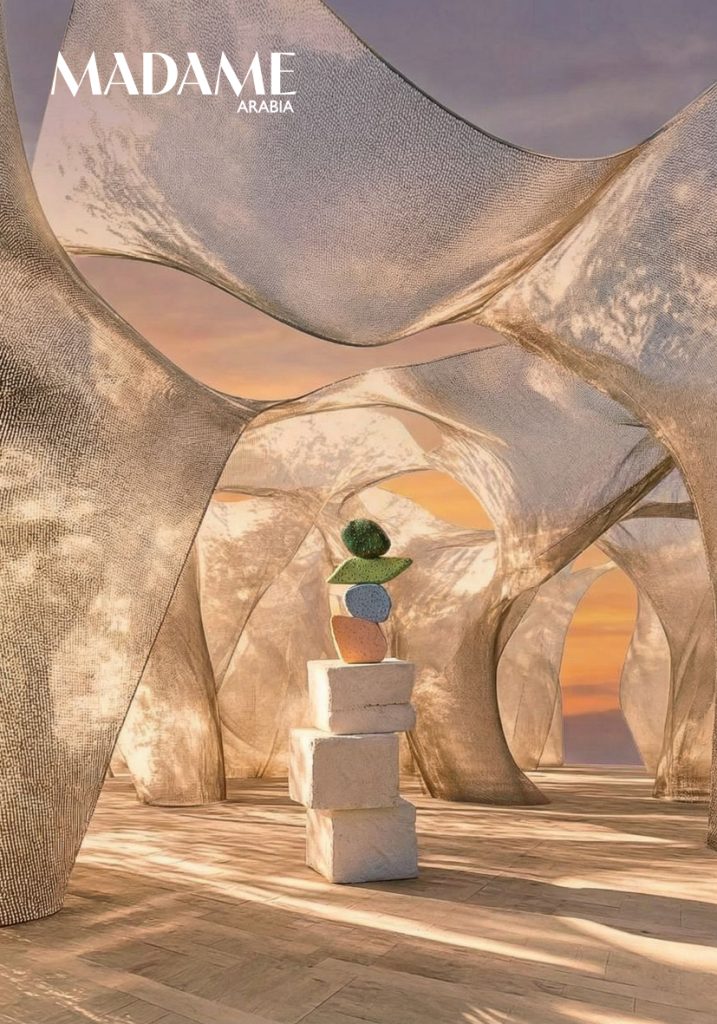
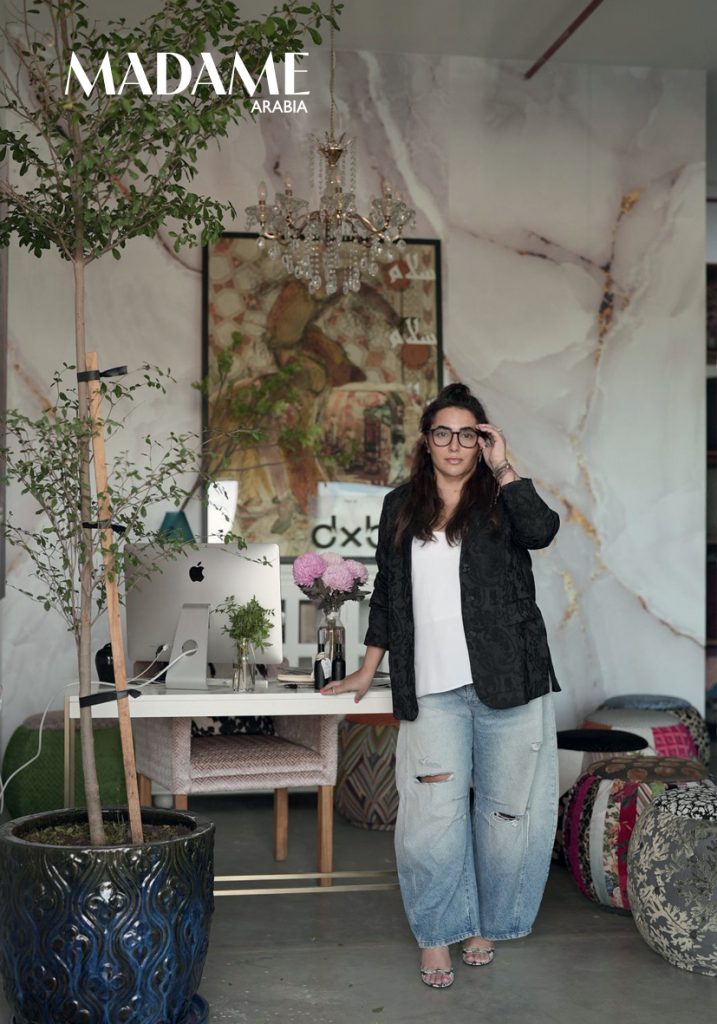
With her interiors brand Maison Mishmashi, Maya Toron Al Omary has found a distinctive niche thanks to her vibrant, expressive approach to home accessories and furniture.
The Dubai-based luxury design house, launched in 2014, has become known for its colourful, eclectic aesthetic and bespoke home furnishings. Over the past decade, it has developed a loyal following, with clients drawn to its playful yet refined design language and commitment to individuality.
Here, Al Omary shares the inspiration behind Maison Mishmashi, her creative process, and how the brand continues to evolve within the region’s growing design scene.
What inspired you to launch Maison Mishmashi? How has it evolved since?
After stepping away from my previous business, I wanted to create something more aligned and emotional. I began exploring materials and combining ideas, following what felt right. From the start, it was important that it existed as a story – not just individual pieces, but a world I could share. Over time, that world grew through the people who connected with it, with pieces finding their place not only in homes but in how people express themselves.
How would you describe the Maison Mishmashi design aesthetic?
The aesthetic is instinctive, layered, and expressive. It’s rooted in textiles, which I approach as a language. I combine patterns and textures that don’t traditionally belong together, allowingcontrast to create harmony.
Your pieces are proudly made in Dubai. Why was this important to you?
Dubai has been home for over 25 years, and I feel a deep connection to the city. It felt natural that what I create would come from here. I also see Maison Mishmashi as part of a growing design dialogue emerging from Dubai, and it feels meaningful to contribute to that.
What recent trends are you seeing in interiors and home design?
There’s a shift towards more personal, expressive spaces. Interiors are becoming more layered and reflective of the people who live in them, rather than perfectly styled or uniform.
How are clients’ tastes evolving today?
Clients are becoming more aware of how they want to live in their spaces. While trends still play a role, there’s growing interest in creating homes that feel both personal and current.
The region is experiencing a challenging period. How do you navigate times like this and remain positive?
There is a lot happening around us, and it’s difficult not to feel the weight of it. During these moments, I’ve found myself slowing down rather than pushing through.
That has brought clarity both in what I create and what it represents. It’s about remaining steady, staying connected to purpose, and continuing forward with intention and gratitude.
What has been the biggest challenge in building Maison Mishmashi?
Balancing instinct with structure has been one of the biggest challenges. A creative vision is important, but building a sustainable business requires structure, something that I have learned over time.
How do you balance creativity with running a business?
Creativity is instinctive and fluid, whereas running a business requires clarity and organisation. As the brand has grown, maintaining that balance has required more intentional and careful decision-making.
What advice would you give to women who are looking to start a design brand?
Stay close to your instinct. It’s easy to lose direction with so many opinions and expectations. At the same time, don’t be afraid to learn the business side, ask for help, and build a strong support network. Patience is essential, and staying connected to why you started will carry you through both challenges and successes.
What can we expect next from Maison Mishmashi?
The focus is on deepening what already exists and evolving the brand, while remaining true to its essence, continuing to create pieces that feel considered, intentional and personal.
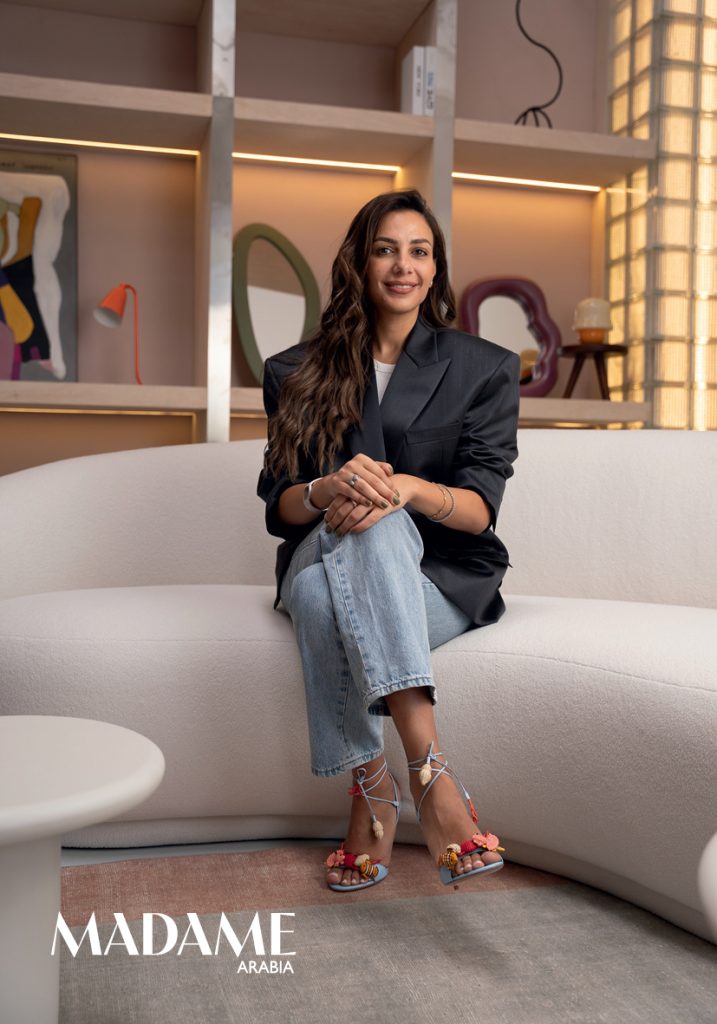
Heba El Habashy, founder of Klekktic
Heba El Habashy, the founder of Klekktic, the Dubai-based furniture and interiors brand launched in 2021, set out to create pieces that feel expressive and individual, offering an alternative to mass-produced furniture and inaccessible luxury design.
Born from her own search for pieces with character, Klekktic has grown into a platform that focuses on individuality, personality and thoughtful design. With a background in venture capital, technology, and start-ups, El Habashy brings a unique perspective to the design world, merging her experience in business and innovation with creativity.
Here, she reflects on the inspiration behind Klekktic, the importance of individuality, and the challenges of building a creative business amid uncertainty
What was it that first inspired you to launch Klekktic?
It started from a very personal place. I couldn’t find pieces that felt like me or had character. Everything was either too generic or out of reach, and I felt there was space for something more curated and expressive – something that allowed people to create homes that reflected who they are.
How would you describe the Klekktic design aesthetic?
It’s eclectic and layered. I don’t like spaces that feel too perfect or staged. I prefer interiors that come together over time, mixing bold, contemporary pieces with quieter elements. What makes it stand out is that it feels real.
Customisation is central to Klekktic. Why was this important?
Because people live differently. No two homes should feel the same. I’ve always believed design should be personal, not something you pick off a shelf. When someone chooses fabrics or finishes, it creates a deeper connection and something that truly belongs to them.
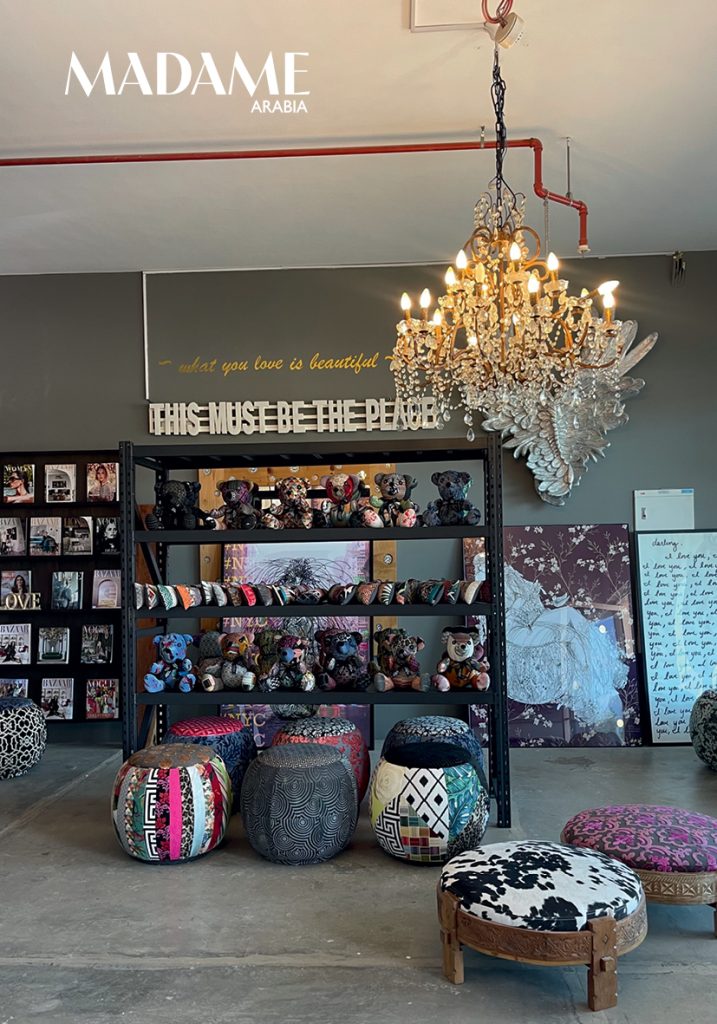
You recently opened a larger space in Al Quoz with Assembly. What does this represent?
It feels like a natural evolution. The new space allows us to express the brand more fully, while Assembly fosters a sense of community.
It’s about creating an inspiring environment, not just selling furniture. We’ve also explored this in DIFC and hope to further expand this model.
How would you describe your own personal interior style?
It’s layered and always evolving. I mix styles, textures and eras, and comfort is essential. A space should feel inviting, not just look good.
The UAE design scene has grownrapidly. What do you think of thespace today?
There’s been exciting growth, but there’s still room for more individuality. Sometimes, there’s a tendency to follow global trends rather than interpret them in a more personal or regional way.
How do you stay positive while facing challenges?
As a founder, you learn that challenges are part of the journey. I focus on what I can control – the team, the work, the experience we’re creating. Staying connected to why I started and working with a dedicated team helps keep me motivated.
What has been one of the biggest lessons you’ve learned?
Patience. Building something meaningful takes time and having the right people around you is essential.
What advice would you give to women starting a design business?
Just start. You don’t need everything figured out. Trust your instincts, build relationships and stay consistent. Most importantly, don’t give up too quickly.
What’s next for Klekktic?
I’d love for Klekktic to evolve into more of a lifestyle brand, expanding into new markets, collaborations, and creative projects while staying true to creating pieces that stand out and feel personal and meaningful.
Follow Us

The Latest
-

Wellness
The science behind peptide injections
All the risks behind the so-called miracle treatments
-

Travel
Detox hotels to book for your next getaway
Check in, to check out at these beautiful resorts
-

Travel
Discovering Singapore’s green allure
Exotic, diverse, lush. The garden city of Singapore nurtures culture, fine dining, and an environmentally oriented plan for the future
-
Travel
Inside The Royal Diriyah Opera House in Riyadh
Saudi Arabia’s first dedicated opera house opening soon
Subscribe to our newsletter and receive a selection of cool articles every weeks
You can unsubscribe at any time. To find out more, please visit our privacy policy.