

Meet Madame: Nouran M. Fawzy
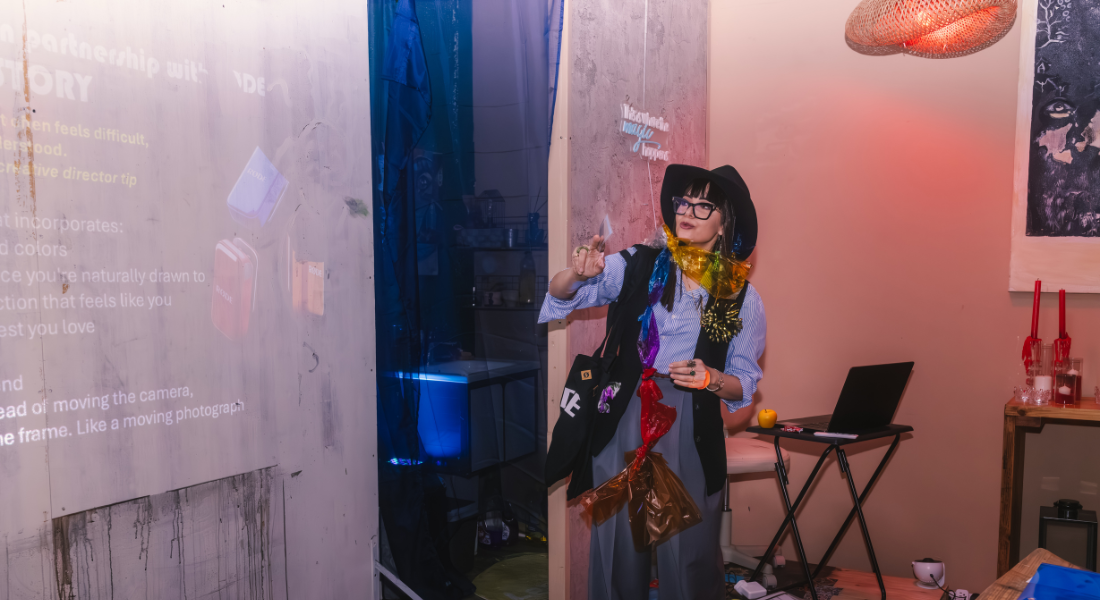
We caught up with Nouran to discuss building a creative career in Dubai, the power of community and why asking questions has been the driving force behind her success
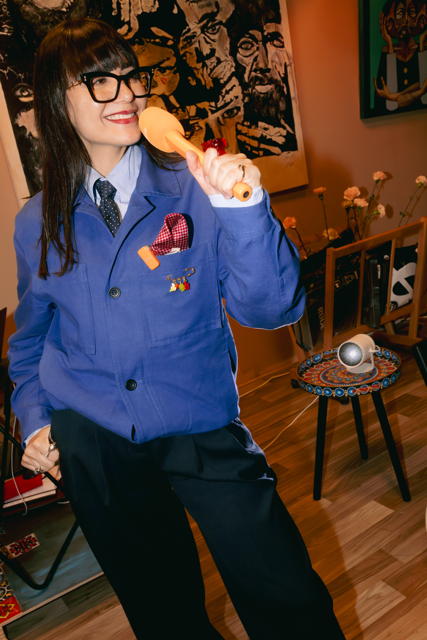
Creative director, photographer and brand advisor Nouran Fawzy has built a career by helping brands uncover not just how they look, but who they are. Known as Fawzyphon, she has carved out a distinctive niche through immersive workshops, visual storytelling and creative experiences that encourage businesses and individuals to discover their authentic voice.
Inspired by her grandfather, the celebrated Egyptian musician and filmmaker Mohamed Fawzy, she has always had storytelling in her creative DNA. Although her professional journey began in banking, it was during the pandemic that she found herself drawn to content creation, quickly establishing a reputation for her atmospheric photography and thoughtful approach to branding. Today, she works with brands across hospitality, interiors, food and lifestyle.
Blending artistry with psychology, Nouran's work explores the connection between creativity, identity and human behaviour. Through her workshops and consultancy, she encourages participants to move beyond conventional branding exercises, using play, intuition and storytelling to better understand themselves and the stories they want to tell.
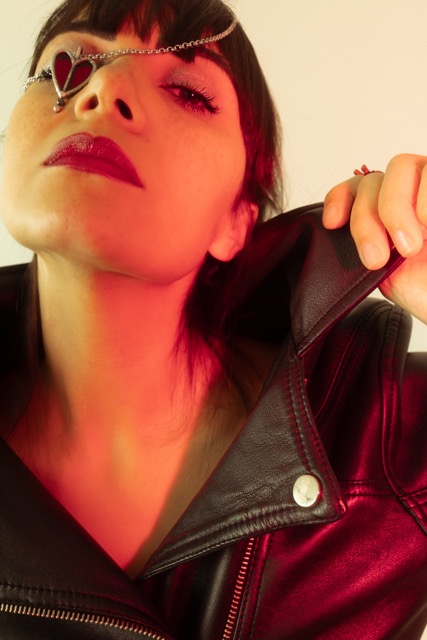
Your career has taken you from photography and content creation to creative direction and experiential storytelling. What first sparked your passion for visual storytelling?
It actually didn't begin with photography. It began with wanting a different kind of life, one that allowed me to be present for my children after years in banking while still building something of my own. Food became my first thread. I started creating without knowing exactly where it would lead, simply following ideas that felt important enough to bring to life. Visuals became my language because words often failed me. I've always found it easier to express myself through images and experiences than through speaking.
You describe yourself as a "creative chameleon". What does that mean to you?
For me, being a creative chameleon isn't about changing who you are. It's about understanding who is in front of you. I've always been fascinated by human behaviour. I think adaptability comes from empathy. If you understand people, you can move between industries, ideas and experiences while remaining yourself. We all want to feel seen, understood and included.
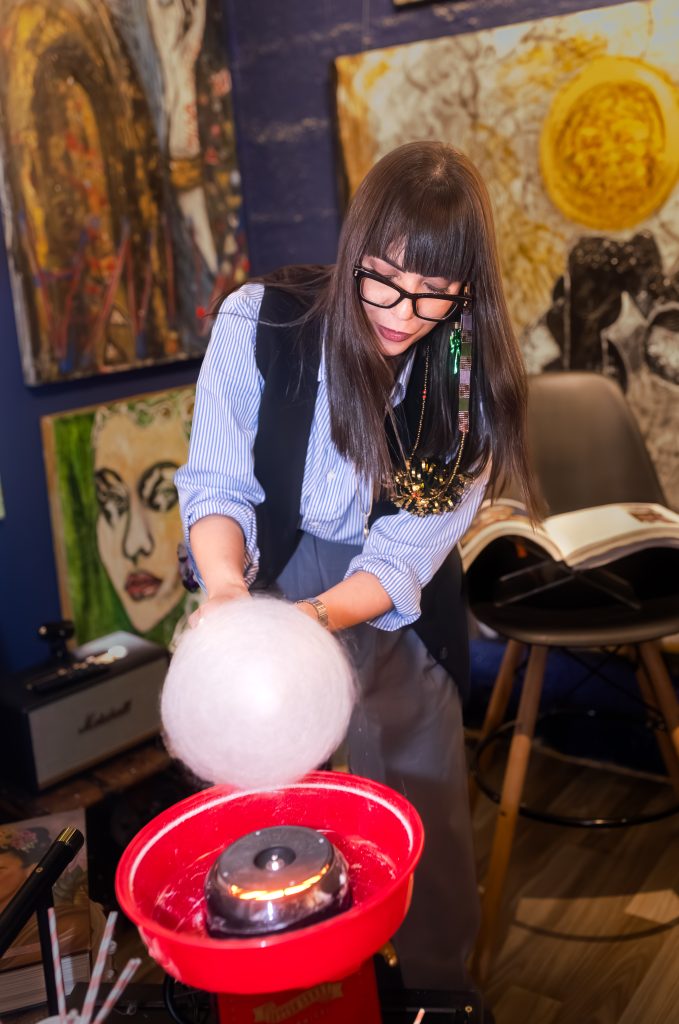
Having built your career in Dubai, what opportunities has the city given you that may not have been possible elsewhere?
Dubai gave me the freedom to create a career that didn't have a clear title. Many of the turning points in my journey happened because I asked questions, shared ideas and wasn't afraid to put myself forward. The city introduced me to people who trusted me before I fully trusted myself.
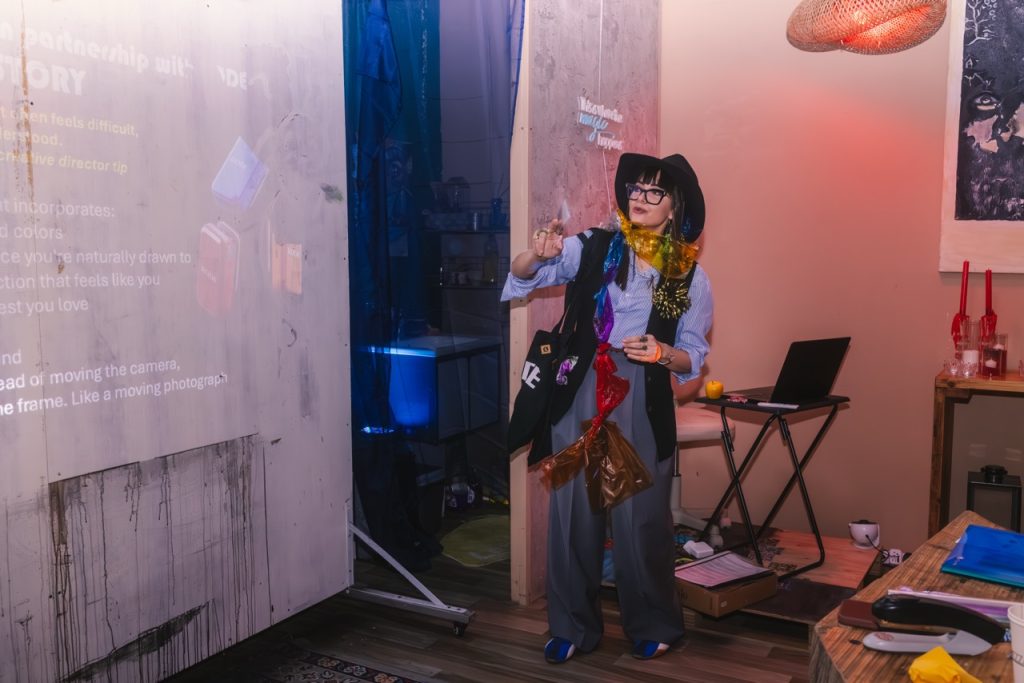
Your workshops go beyond traditional branding sessions, encouraging people to explore identity, creativity and self-expression. Why was it important for you t create these experiences?
A large part of my work comes from knowing what it feels like not to be seen. I naturally create spaces where people feel included rather than intimidated. I never wanted people to sit quietly and receive information. I wanted them to participate, observe, choose and discover things about themselves.
Why do you think creative communities are so important, particularly for women building careers in the region?
Sometimes all a person needs is someone who sees them before they see themselves.
Many of the turning points in my own career happened because somebody noticed something in me and trusted it. That kind of trust can completely change someone's direction. Communities create a safe space. They remind people that they don't have to become somebody else to succeed.
Social media has become a powerful tool for creatives, but it can also be overwhelming. How do you balance creating meaningful work with the constant pressure to produce content?
I had to learn the difference between creating because something genuinely needs to come out and creating because something needs to be posted. Most of my work begins with a feeling, a question or something that stays with me long enough that I need to understand it. I don't post for likes or views. Everything I put out into the world signals how | think. In many ways, social media has become my portfolio.
As someone who has successfully turned creativity into a career, what advice would you give to others looking to take that leap?
Ask questions. Many of the opportunities that changed my career began because I asked, suggested an idea or put myself out there. Don't wait until you feel ready, and don't be afraid of rejection. There is often much less to lose than we think.
Where do your best ideas usually come from?
My ideas come from conversations, cinema, family stories, children, museums, old objects, nature, shadows, reflections and small details that most people overlook. I've always been fascinated by human behaviour and why people make the choices they do.
If you could collaborate with any creative, artist or brand in the world, who would it be and why?
Some of the most meaningful collaborations in my career came from the people already around me. Every collaboration adds a new instrument to the orchestra, and l've learned to keep an open mind about where inspiration comes from.
Follow Us

The Latest
-

Wellness
The science behind peptide injections
All the risks behind the so-called miracle treatments
-

Travel
Detox hotels to book for your next getaway
Check in, to check out at these beautiful resorts
-

Travel
Discovering Singapore’s green allure
Exotic, diverse, lush. The garden city of Singapore nurtures culture, fine dining, and an environmentally oriented plan for the future
-
Travel
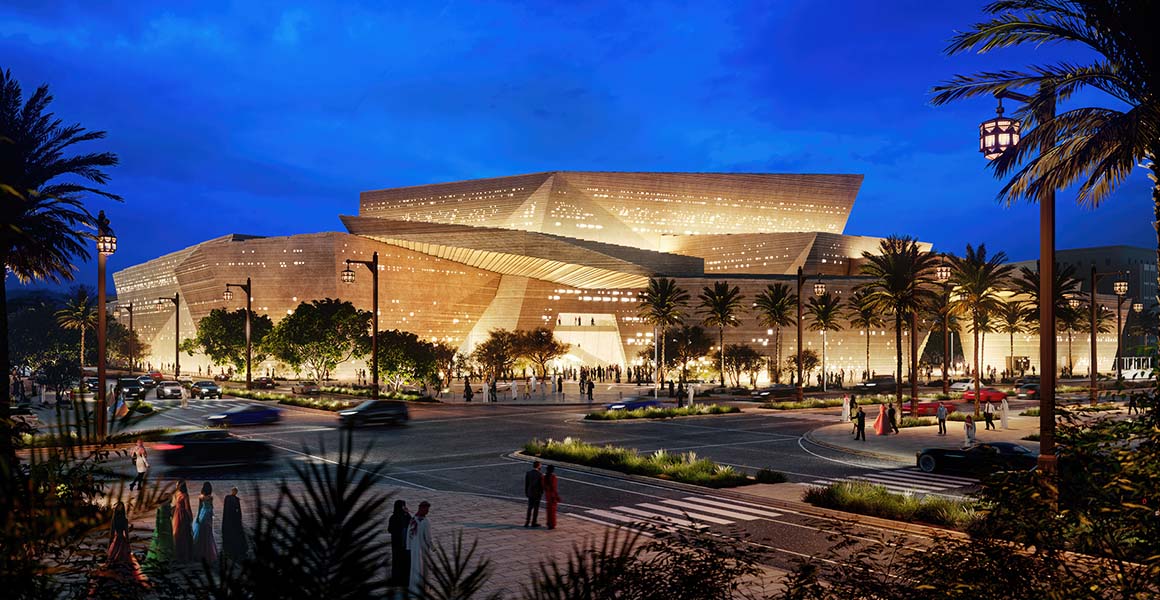
Inside The Royal Diriyah Opera House in Riyadh
Saudi Arabia’s first dedicated opera house opening soon
Subscribe to our newsletter and receive a selection of cool articles every weeks
You can unsubscribe at any time. To find out more, please visit our privacy policy.