

THE ART OF WORKING OUT
WORDS BY GEMMA WHITE
How stepping out of the gym and into an art gallery could hold the key to lowering stress and inflammation. Welcome to the cultural workout…
Hyrox, Pilates, barre, 75 Hard, yoga… Just when you thought we’ve reached the era of peak fitness, along comes another new workout, one that has the potential to lower your cortisol levels and reduce inflammation. But before you bail on your PT session or cancel your barre membership, it’s worth noting that this latest training schedule is more cross-cultural than CrossFit.
Late last year, the Institute of Psychiatry, Psychology & Neuroscience at King’s College London released the results of a study in which 50 people aged between 18 and 40 viewed an array of artworks by grand masters, including the likes of Manet, Van Gogh, and Gauguin, all with the intention of measuring art’s effect on the body. One group viewed original artworks, and the other, reproductions.
The study found that levels of the stress hormone cortisol fell by an average of 22 percent in the group viewing original works (compared to eight percent for the second group), while pro-inflammatory cytokine levels – proteins linked to stress and a number of chronic diseases – dropped by 30 percent (no change was observed in the group viewing reproductions).
Additionally, those viewing original art experienced more dynamic heart activity. The results were clear – not only does art engage the body through both emotional arousal and stress regulation, but a “cultural workout” also has a potential calming effect on the body’s inflammatory responses.

“It has been scientifically proven that any engagement where the mind is still and focused is beneficial for the mind, body, and soul,” says Maral Jude Bedoyan, Education and Learning Resources Manager at Louvre Abu Dhabi. “Art has the power to intrigue, trigger, and even heal. In terms of emotions, we are at the essence of being in a neutral and safe space, where one can feel, react, and express one’s emotions and feelings, triggered by their encounter with a particular artwork.”
Art’s calming effect is evident to those who frequent museums and galleries, where hushed tones, soft footsteps, and quiet contemplation pervade. Seating is provided to encourage the pursuit of deeper immersion. For the expert and lay-person alike, there’s comfort to be found in the unchanging nature of a painting. Eras, fashions, trends, and seasons may ebb and flow, but art once committed to canvas does not, providing not just a cultural touchstone but a snapshot in time. In art’s eternal guise as feelings-on-canvas, the artistic experiences of love, joy, loss, and sadness are themes that cross time and cultures.

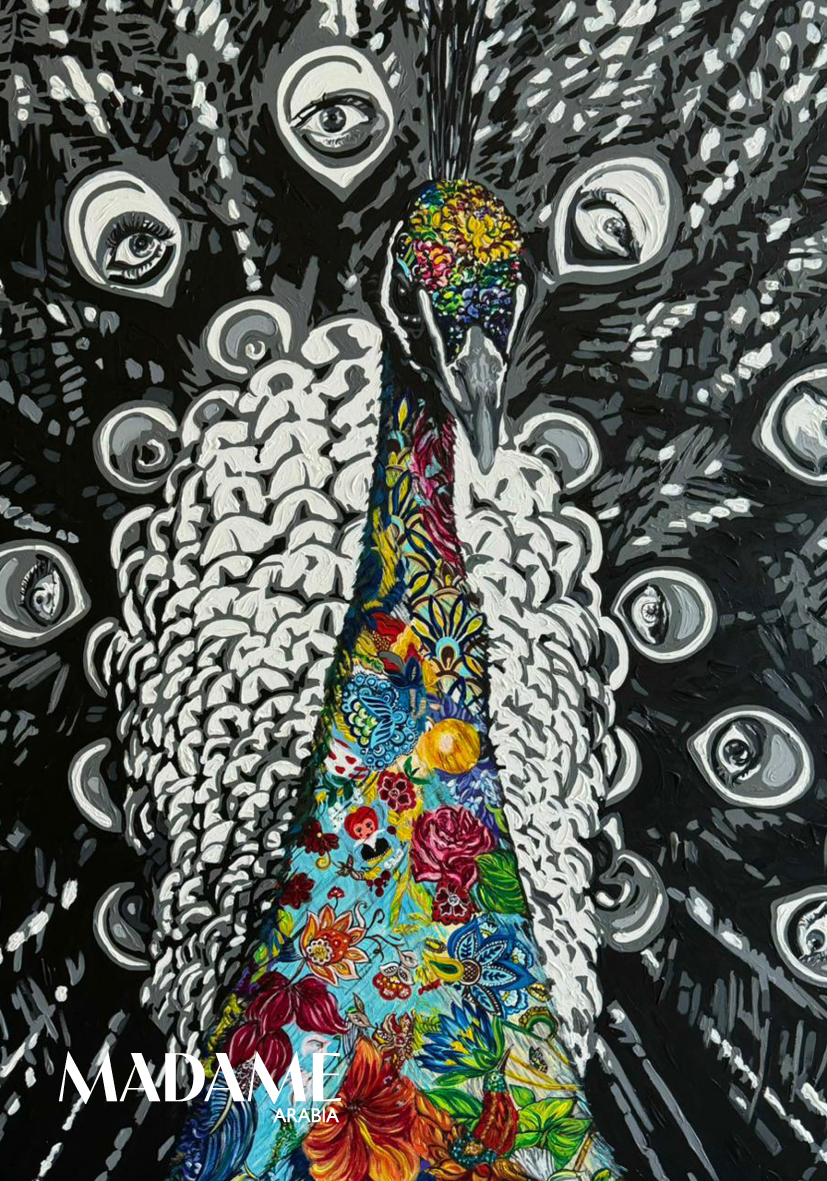
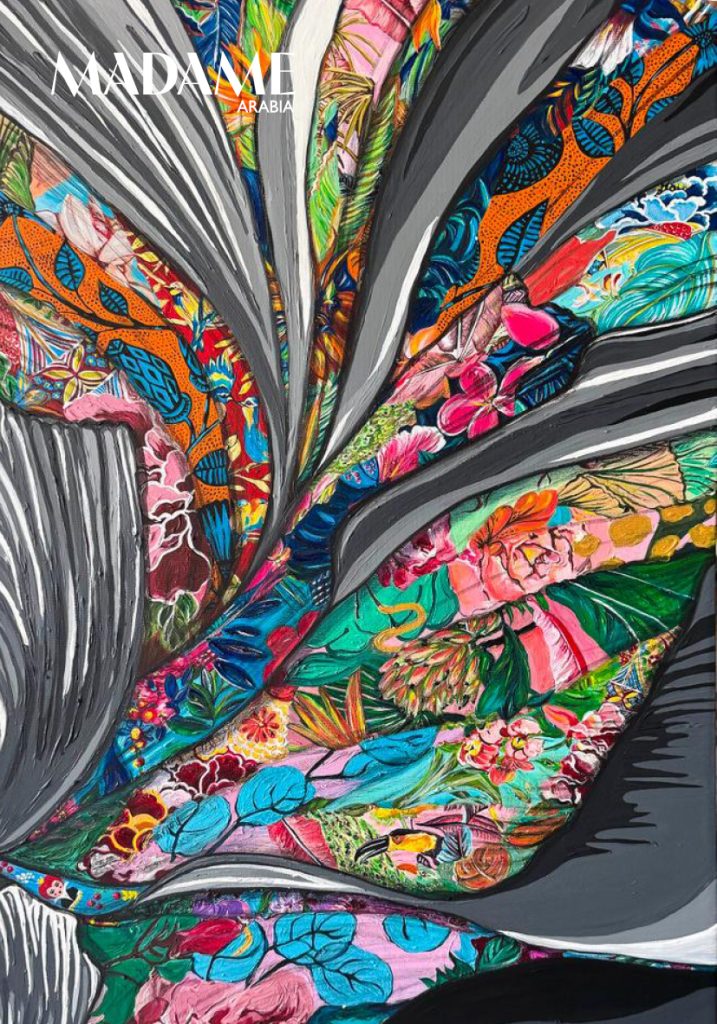
“Paintings are emotions and feelings, and emotions and feelings become change,” says Dubai-based artist Kristel Bechara. “When you work on culturally developing the self, you understand yourself and others better. When we engage with art or music from different cultures and backgrounds, we start to notice how we as people are all the same. No matter where we are, where we live, or our background, we experience those same feelings.”
There’s a phrase for the unhurried observation one experiences in a gallery or museum – slow gazing. The practice centres mindfulness and deep observation, allowing the viewer to drift into a state that’s meditative and contemplative, requiring no previous knowledge or even understanding of the artwork or artist, just simple appreciation. As an antidote to the fast pace of life, the unforced stillness feels universal.
“I often silence my phone and walk through the galleries, allowing my mind, often used to racing after daily life. Here, the urgency fades, and is replaced by a quiet sense contemplation,” says Fakhera Alkindi, Senior Curatorial Assistant at Louvre Abu Dhabi.
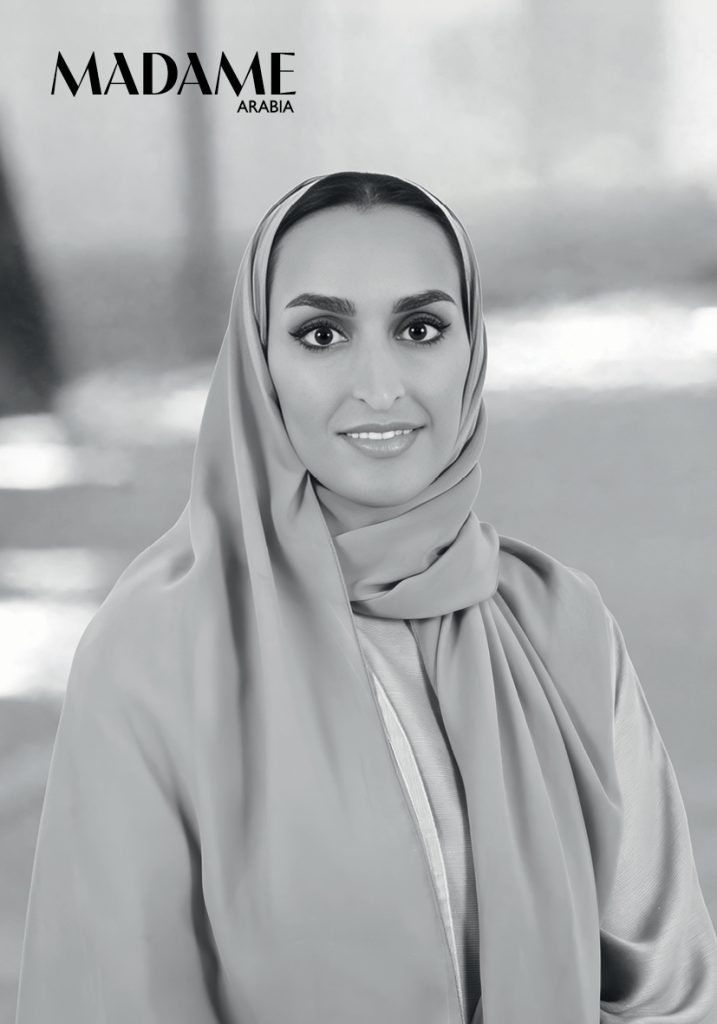
“As I intentionally take my time slow gazing, I begin to notice more, the volumes, the pigments, the techniques,” she adds. “Museums have long been sanctuaries for this kind of quiet and intimate encounters, where time slows down and senses heighten. They invite pause and contemplation.”
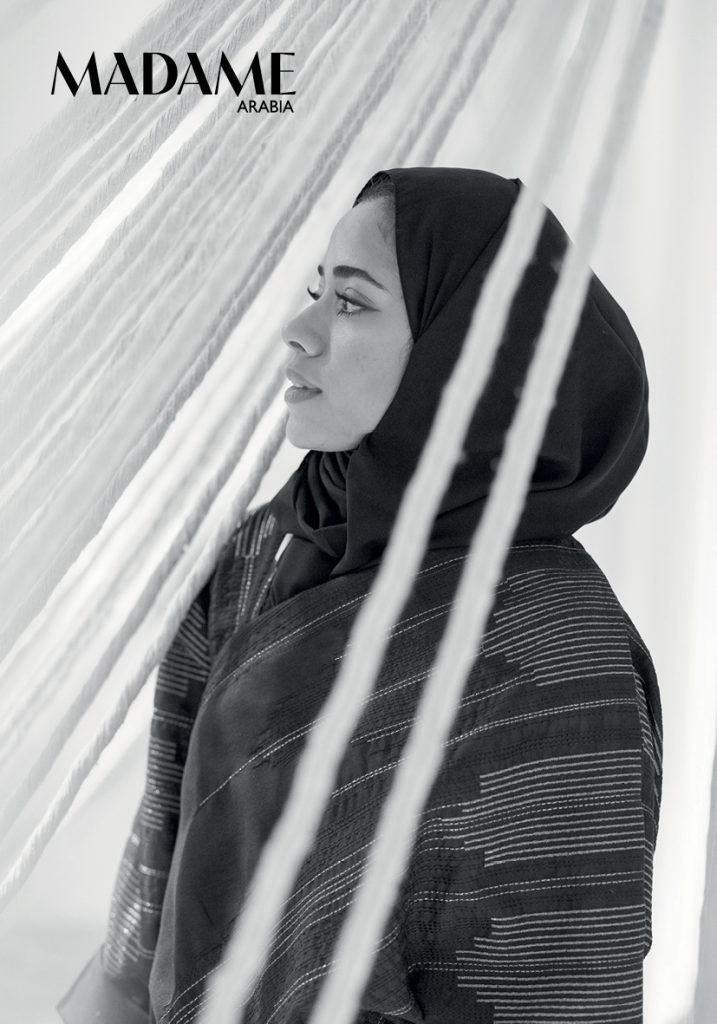
For Abu Dhabi-based artist Afra Al Dhaheri, the notion of pressing pause on life, no matter how momentary, is close to her heart. In her recent series, Collective Exhaustion, she examines “the state of society and how we have been working non-stop and being accessible 24/7”. “Because of phones, all boundaries between work and personal time have been eliminated,” she says. “What does that do to us? How does it affect our mental being and state of mind?”
“Nowadays, we are on and on and on – there is no stop or pause,” she continues. “So, my questions were about, if we remain in this constant state, will we arrive at a point of collective exhaustion or mass burnout? Now more than ever, many people are reflecting on how, within five years, we have lived through both a pandemic and a war.”
With galleries and museums easily located at the heart of most major cities, the cultural workout in and of itself invites us to step into environments that offer stillness, peace, and respite without going to the expense of a Balinese retreat or the visa implications of a Tibetan mountaintop.
“Museums in general are neutral spaces that offer moments for reflection, contemplation, and a renewed sense of appreciation for human creativity, ingenuity, beauty, and stories told and retold across time, cultures, and geographies,” concludes Bedoyan. “By simply reflecting on a few of these key facts while appreciating beauty, a sense of calm is inevitable.”
Photos: Courtsey of the personalities
Follow Us

The Latest
-

Wellness
The science behind peptide injections
All the risks behind the so-called miracle treatments
-

Travel
Detox hotels to book for your next getaway
Check in, to check out at these beautiful resorts
-

Travel
Discovering Singapore’s green allure
Exotic, diverse, lush. The garden city of Singapore nurtures culture, fine dining, and an environmentally oriented plan for the future
-
Travel
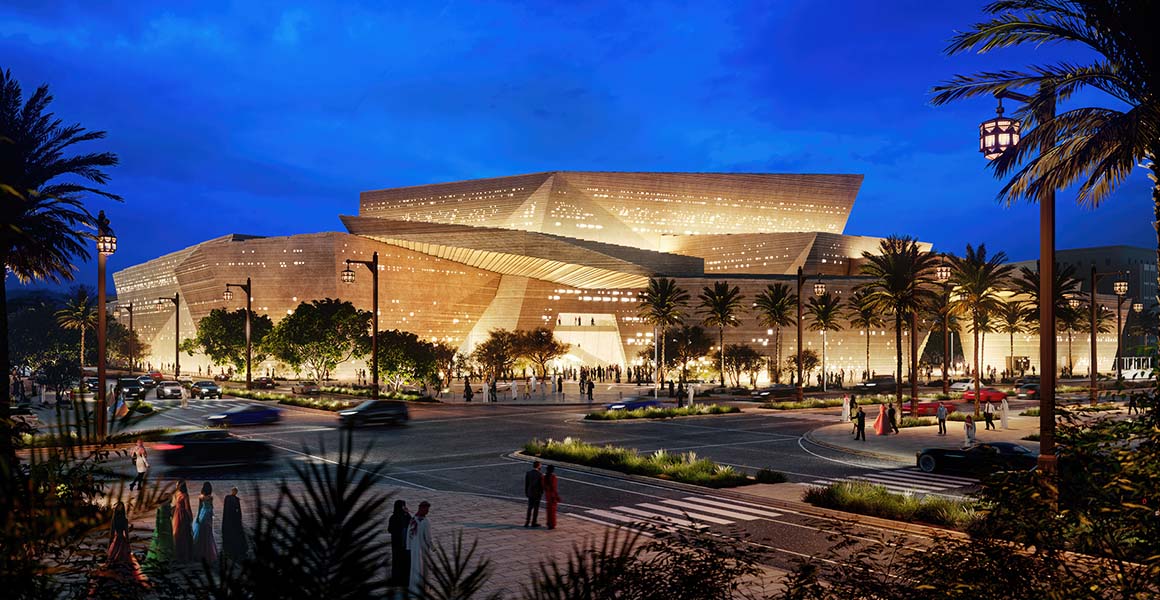
Inside The Royal Diriyah Opera House in Riyadh
Saudi Arabia’s first dedicated opera house opening soon
Subscribe to our newsletter and receive a selection of cool articles every weeks
You can unsubscribe at any time. To find out more, please visit our privacy policy.