

The Back-to-School Kids’ Essentials by Dr. Taniyaa Bakshhi
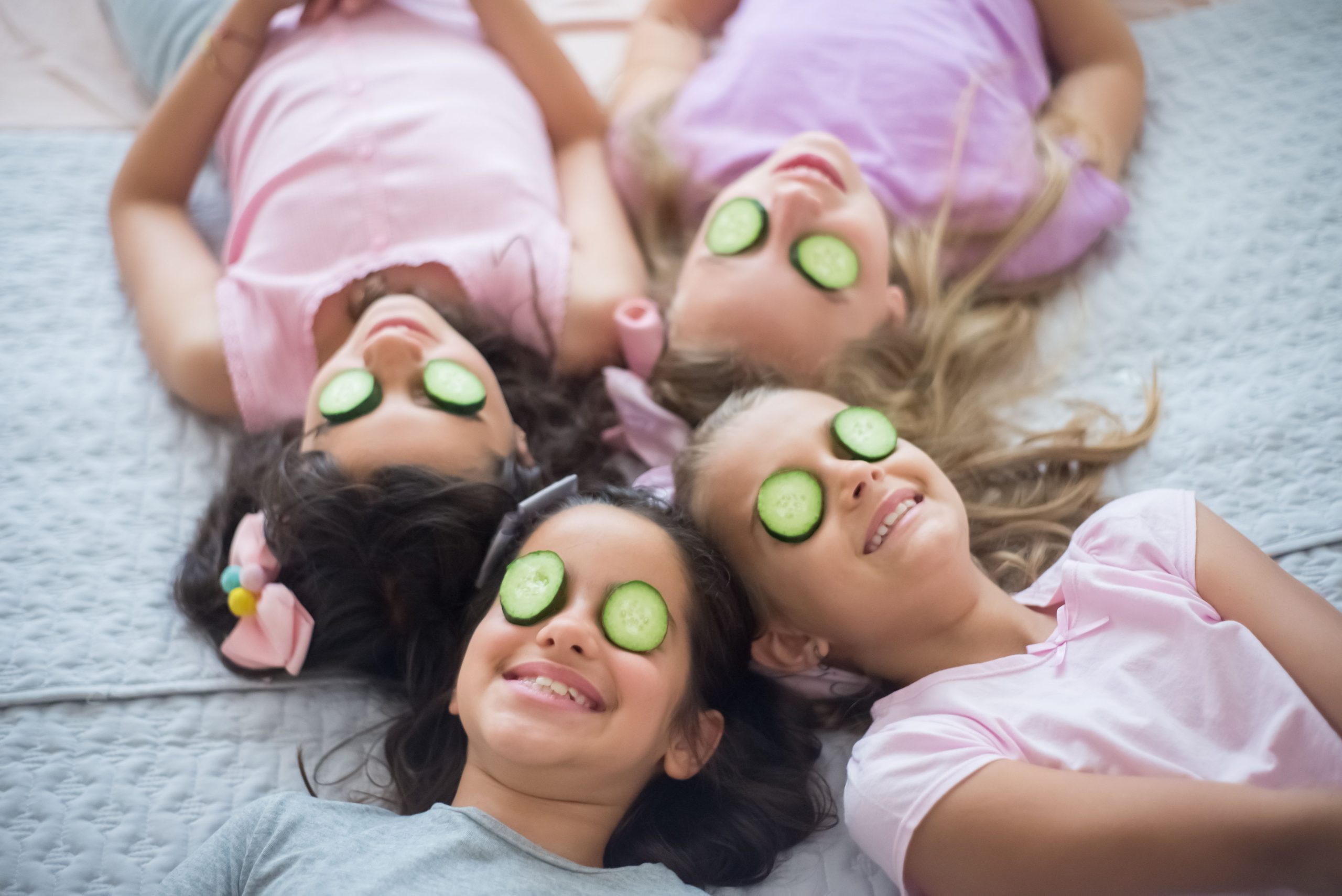
From air-conditioned classrooms and hot playgrounds to sweaty PE lessons, school days can be quite demanding for students in the UAE. Amidst these, children’s skincare becomes a crucial part of daily health and yet is often neglected. In her new op-ed, Dr. Taniyaa Bakshhi, Brand Lead of Sunny Herbs Middle East, shares simple, practical skincare tips for parents while navigating UAE schools.
Think About the Places That Get Forgotten
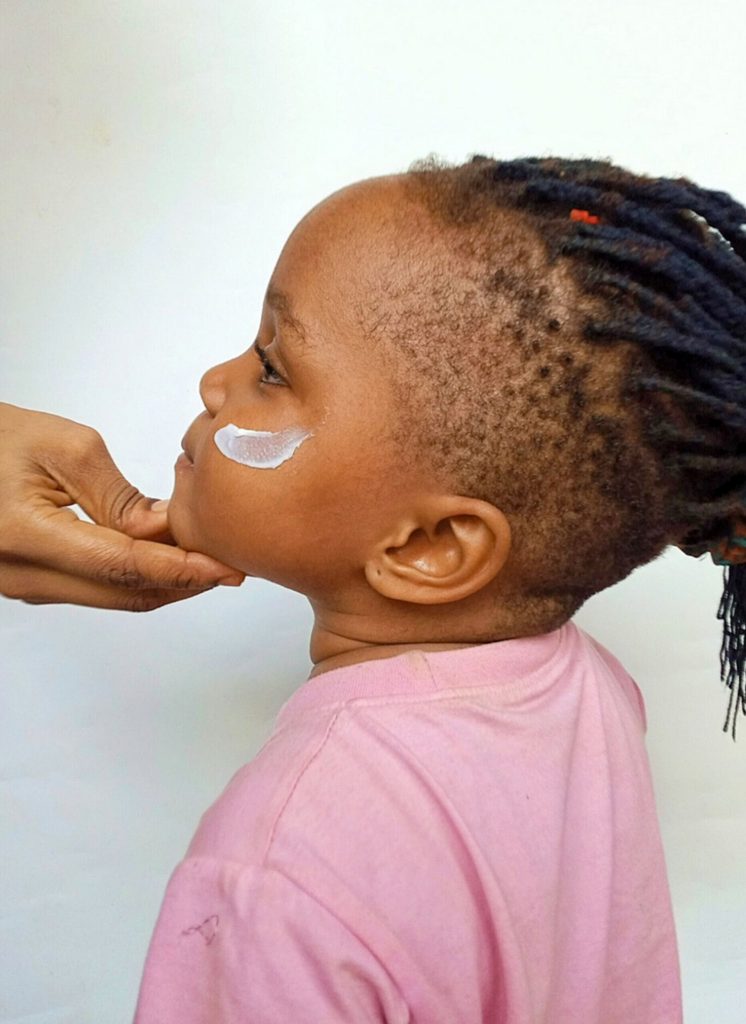
When we think about moisturising, we tend to think about the face. For school-age children, however, other areas also need attention, due to hands being washed repeatedly throughout the day, elbows rubbing against desks, knees after outdoor play and the skin around the nose when sniffles arrive. Look for gentle, uncomplicated formulas with ingredients such as aloe vera and calendula that provide hydration and everyday skin comfort. The Sunny Herbals Aloe Vera Calendula Cream, for example, is lightweight and non-sticky and can be used across the face and body, making it an easy option to keep at home as well as in backpacks for dry hands, elbows, knees and other areas that need a little extra moisture.
The 3pm Skin Check
When your child comes home, take 30 seconds to notice what the day has done. Are their cheeks feeling dry after hours of AC? Is there irritation around the nose? Are their hands dry from washing? Is there a patch that's been rubbed by a shoe, sports kit or backpack? This isn't about inspecting children for imperfections. It teaches them to notice what their skin is telling them and respond simply. For tweens in particular, this is a healthier introduction to skincare than immediately jumping into the complicated routines and active ingredients they may be seeing online. Dermatologists similarly recommend keeping tween routines simple, with gentle cleansing, moisturising and sun protection rather than unnecessary actives.
Make SPF Part of the Uniform
In the Middle East, sunscreen shouldn't disappear from the routine when summer holidays end. Outdoor assemblies, break time, PE, sports practice and the walk to and from the car all add up. For children aged six months and older, look for a child-appropriate, broad-spectrum SPF 50+ sunscreen and make application part of getting dressed rather than treating it as something reserved for beach days. A useful trick is to keep sunscreen beside something you never forget in the morning, whether that's the toothbrush or school shoes. Habits work better when they're attached to another habit.
Don't Forget the Post-Swim Reset
Swimming lessons can be one of the forgotten parts of children's skincare. Rather than letting chlorine, sweat and sunscreen sit on the skin for hours afterwards, encourage children to rinse or shower when practical and change out of wet swimwear. Follow with a simple moisturiser if their skin feels dry. The objective is to simply rinse, dry, moisturise, and move on.
Give Their Hands a Little More Attention
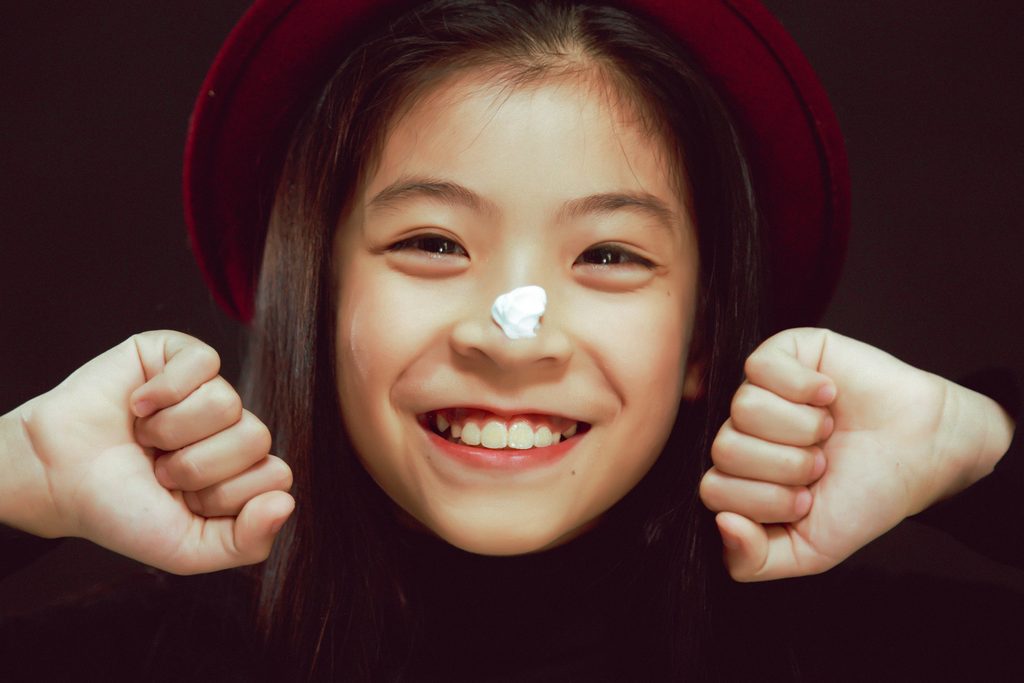
Between bathroom trips, art projects, lunch and whatever mysterious substance has been discovered in the playground, school means plenty of handwashing. That's a good thing, but children who are prone to dry or sensitive skin may benefit from a simple moisturising step at home, particularly before bed. Instead of adding another product to the school bag, keep a moisturiser somewhere visible at home and turn it into part of the evening routine: wash hands, moisturise, and go to bed.
Create a 'Skin Drawer', Not a Skincare Collection
Children are growing up surrounded by beauty content, and increasingly sophisticated routines can look incredibly appealing. But more products don't necessarily mean healthier skin. I prefer creating a small family skin drawer containing the essentials everyone understands how to use, such as a sunscreen, a gentle cleanser, a simple moisturiser and any products specifically recommended for your child by their doctor or dermatologist. For children with eczema, allergies or diagnosed skin conditions, their existing treatment plan should always come first. School staff should also understand any known triggers and treatment requirements where appropriate.
For more information, visit Instagram: @drtaniyaabakshhi/ @sunnyherbalsmiddleeast and YouTube: @drtaniyaabakshhi.
Follow Us

The Latest
-

Wellness
The science behind peptide injections
All the risks behind the so-called miracle treatments
-

Travel
Detox hotels to book for your next getaway
Check in, to check out at these beautiful resorts
-

Travel
Discovering Singapore’s green allure
Exotic, diverse, lush. The garden city of Singapore nurtures culture, fine dining, and an environmentally oriented plan for the future
-

Travel
Inside The Royal Diriyah Opera House in Riyadh
Saudi Arabia’s first dedicated opera house opening soon
Subscribe to our newsletter and receive a selection of cool articles every weeks
You can unsubscribe at any time. To find out more, please visit our privacy policy.