

In Conversation With Nada Ghazal on the Evolution of Her Brand and Future Aspirations
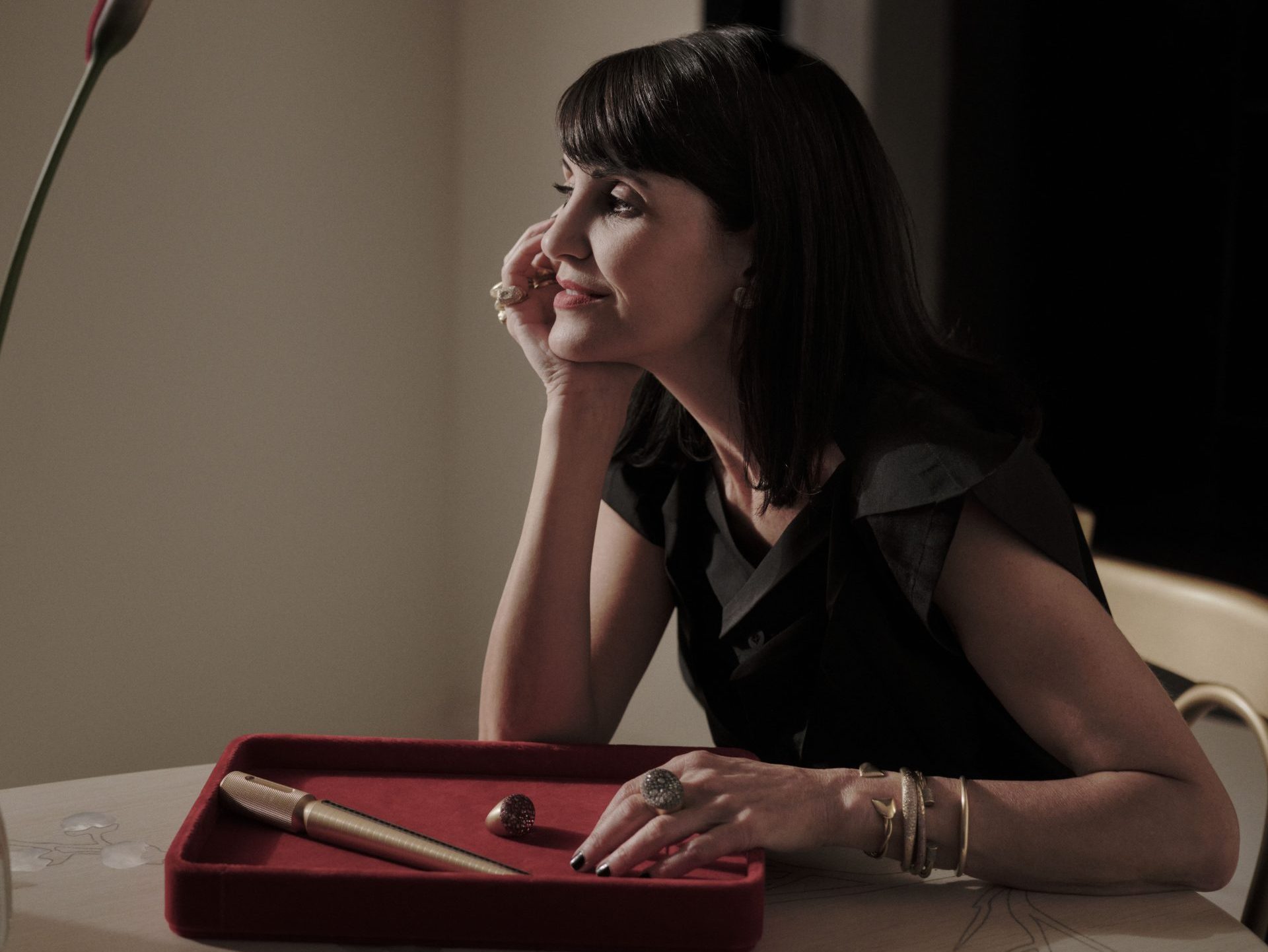
For Nada Ghazal, jewellery is never simply an object, it is a story translated into wearable art.
In our conversation, the founder and creative director of Nada Ghazal Jewellery reflects on the evolution of her brand, making her career shift from advertising executive to a fine jewellery designer, her creative influences, and how motherhood reshaped her perspectives. From technological integration to creating space for female self-expression, she lays down what it takes to scale a brand internationally while preserving its soul.
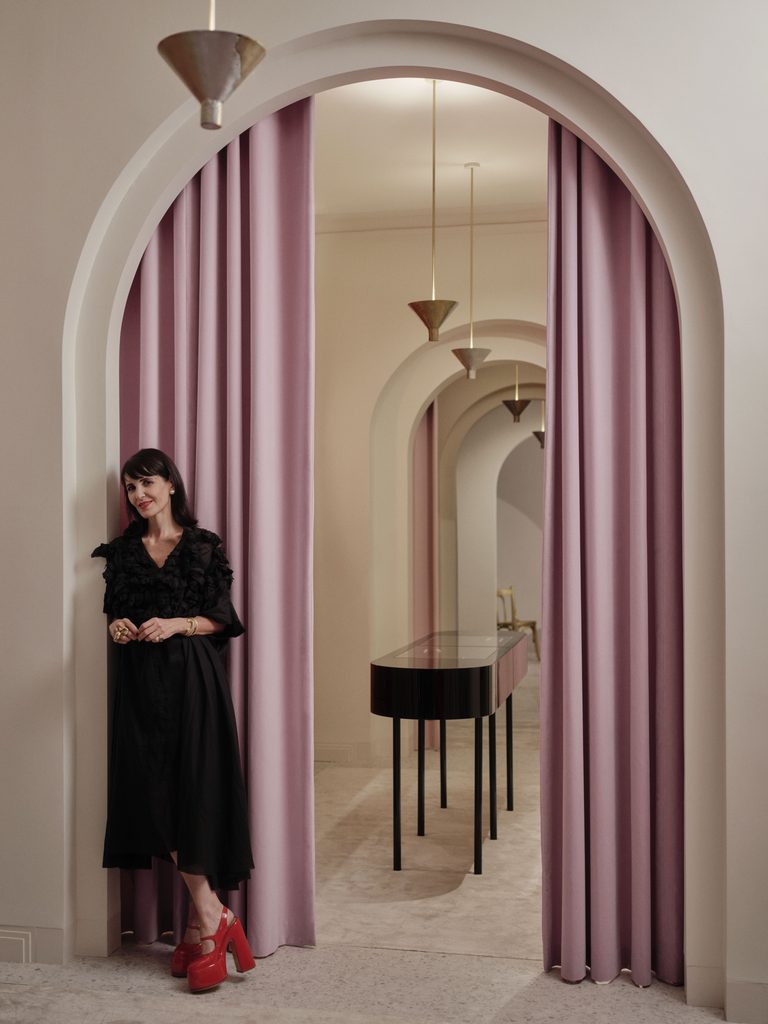
You spent a decade as an advertising executive before making the leap into fine jewellery. How did that advertising background shape the way you build story-driven collections today?
I actually spent a decade in the creative department of advertising, starting as an Art Director, then Senior Art Director, and eventually Creative Head of Production.
Creativity has always been my way of expressing myself. Even as a child, I used drawing to express what I was feeling. Advertising taught me how to give those feelings and ideas a theme, a storyline and a visual language, while constantly observing the world around me and finding insights that could become the starting point for an idea.
It also taught me how to build strong brands and create stories that people connect with, which became a valuable foundation when I eventually started building my own. Today, I channel that same creative instinct into jewellery, starting with a feeling, an emotion or an observation, and translating it into a story that can be worn.
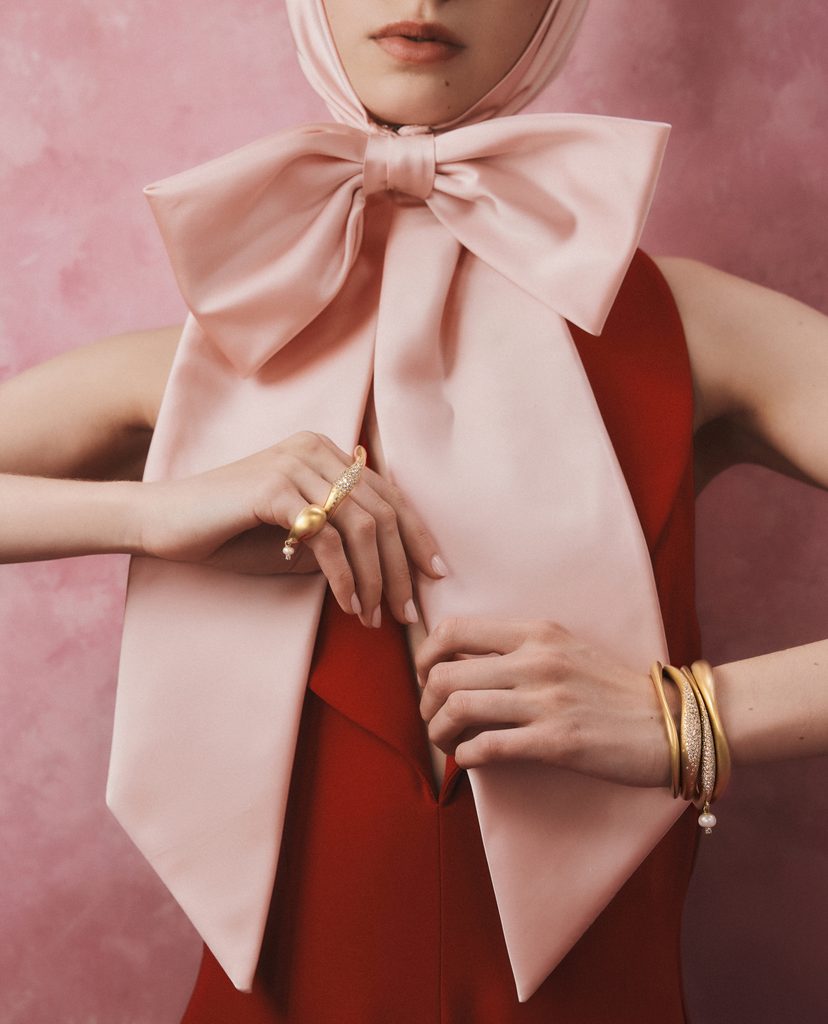
In 2003, you showcased your 25 hand-crafted pieces, which sold out in three days. Looking back, what did those original 25 pieces have that signalled to you that you were onto something special?
When I moved from Dubai to Beirut, I had finally come to the city where I had always dreamed of starting my own brand. At the time, apart from a few names, much of the jewellery market was still quite traditional, and jewellery was not necessarily something women wore every day.
I saw an opportunity to create something different, something with soul and a story behind it. My first collection was called Organised Chaos, inspired by my new life in Beirut. Each piece came from that story and had its own meaning. What was interesting was that I had to explain this way of creating jewellery. The idea that a collection could be born from a story and that every piece could carry a meaning was still quite new at the time.
The fact that those first 25 pieces sold out in three days told me that there was a woman looking for exactly that kind of jewellery, and that gave me the confidence to continue building a language that was uniquely mine.
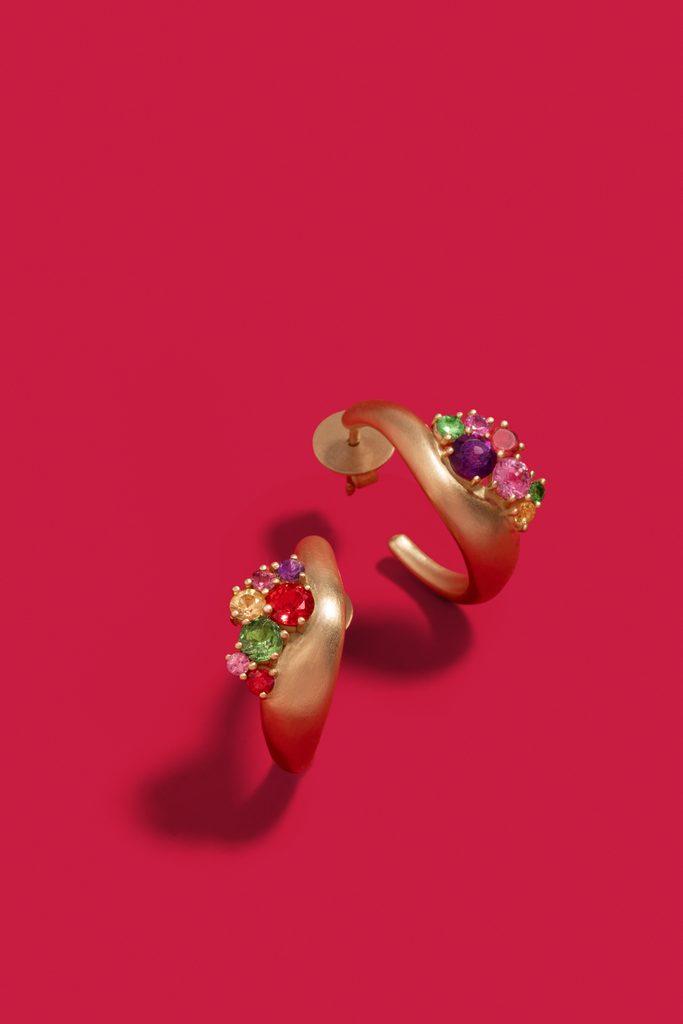
Beirut is a huge source of inspiration for you. How does the city show up in your designs?
Beirut is not simply an inspiration for me. It is in my veins. I believe Beirut and I are both built in paradox. We are bold yet delicate, strong yet sensual, rooted yet constantly evolving. There is a certain duality to the city that I deeply relate to, and I think that naturally finds its way into my jewellery.
But beyond the aesthetics, Beirut represents something much deeper to me. It has taught me resilience. No matter what it goes through, it finds a way to rise again. I feel that deeply because when I rise, I feel Beirut rises with me. That is why I cannot give up, no matter what I go through.
So Beirut does not consciously appear in my designs as a visual reference. It is much more intrinsic than that. It is part of my perspective, my emotions and, ultimately, part of the language of my jewellery.
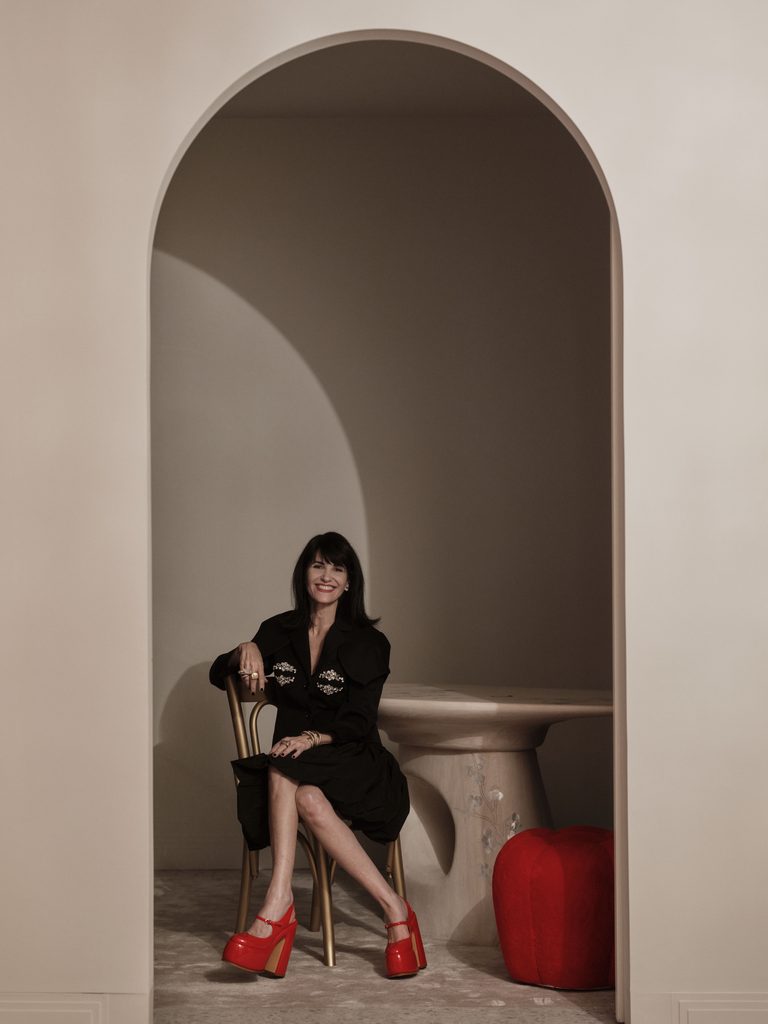
Where do you go or what do you do when you need fresh creative inspiration?
I don't really go somewhere specific to find inspiration. I have always found that my best ideas come when I am not consciously looking for them. I can be driving, travelling, having a conversation, observing something around me, or simply doing something completely unrelated to jewellery, and suddenly an idea comes to me.
I am very observant by nature, but I also draw a lot from my own emotions. I often translate what I am feeling into jewellery, because I believe every feeling has a colour, a form and a movement. That becomes the starting point for a piece or, sometimes, an entire collection.
I sketch constantly and allow an idea to develop naturally rather than trying to force it. For me, inspiration is about staying curious, feeling deeply and being open enough to recognise an idea when it arrives.
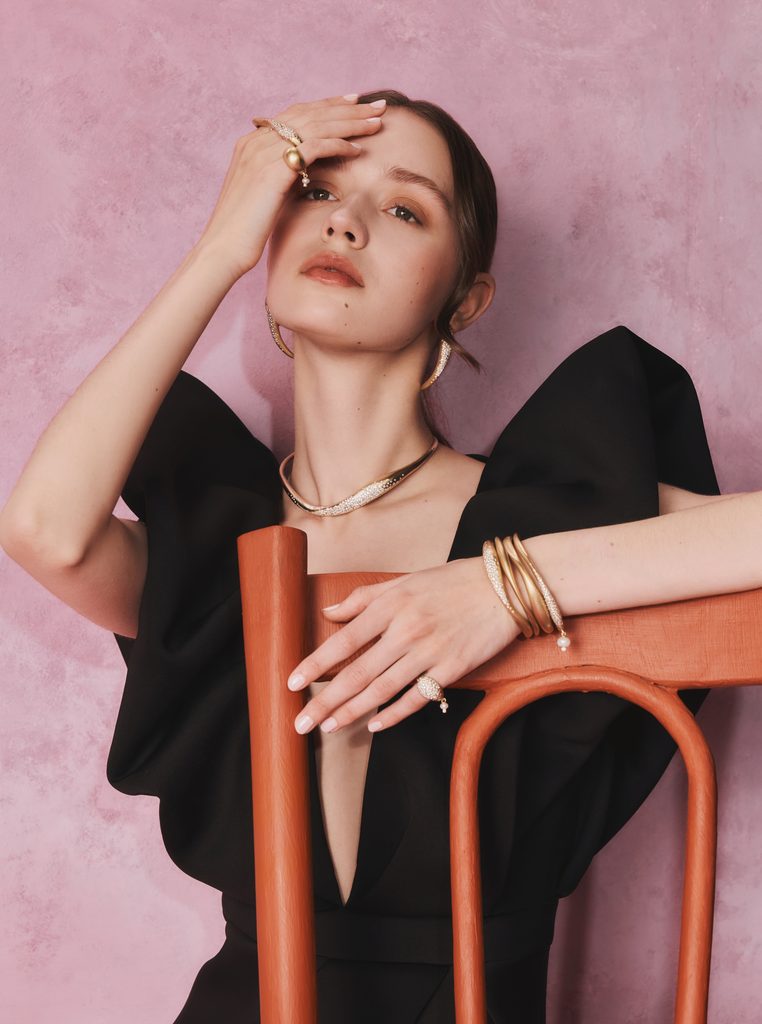
Your iconic Malak collection, named after your daughter, is bold yet grounded. How has motherhood influenced the way you think about legacy and fine jewellery as heirlooms?
Motherhood changed the way I think about time and, therefore, about legacy. When you have children, you become much more conscious of what you leave behind, not only as a mother but also as a creator.
Jewellery has always had this beautiful ability to carry stories through generations. A piece can hold a memory of the person who wore it and then become part of someone else's story many years later. That is what makes jewellery so emotional to me.
Malak is particularly special because it carries something very personal. It was inspired by my daughter and named after her, but over time it became part of a much bigger story. It reminds me that what we create can outlive us, carrying a little piece of who we were into the future.
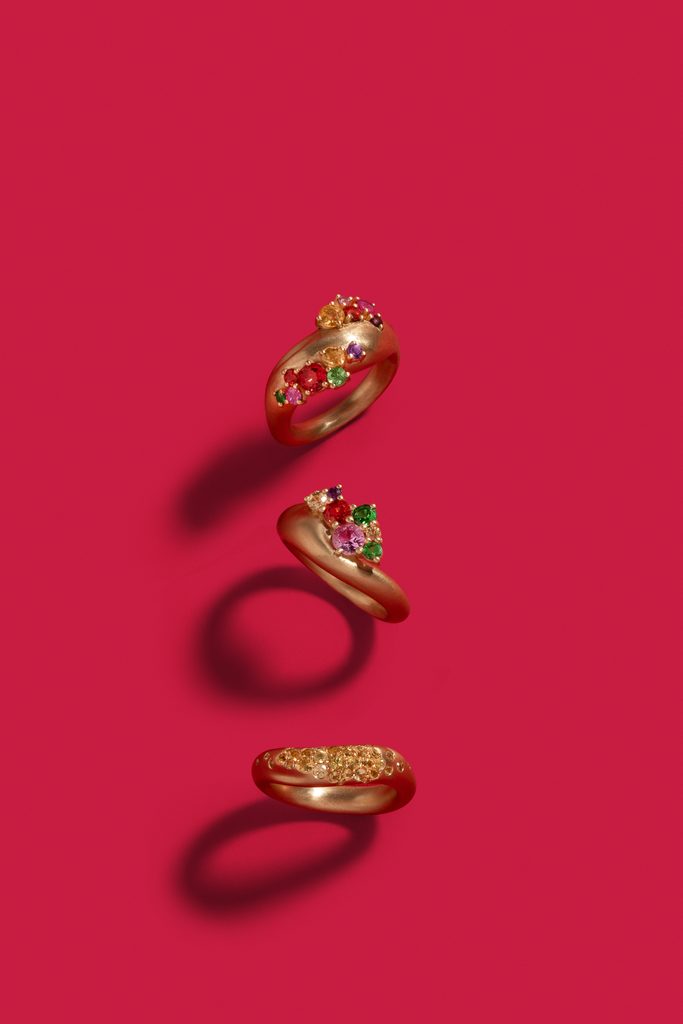
As Nada Ghazal Fine Jewellery expanded into major global capitals like London, New York, and Paris, how did you maintain your distinct artisanal identity while scaling for an international luxury market?
For me, growing internationally has never meant changing the essence of the brand. Our jewellery continues to be made in Beirut, where our craftsmanship and production have been rooted from the beginning. That connection is non-negotiable.
At the same time, opening our London boutique gave the brand a new home and brought me closer to an international clientele. It has allowed us to introduce the world to jewellery in a more personal way, while also learning from the different women and cultures we encounter.
I think the balance comes from evolving around what we do, without changing what we stand for. The scale can grow, the audience can become more international and the way we communicate can evolve, but the creativity, craftsmanship and individuality behind the jewellery have to remain intact.
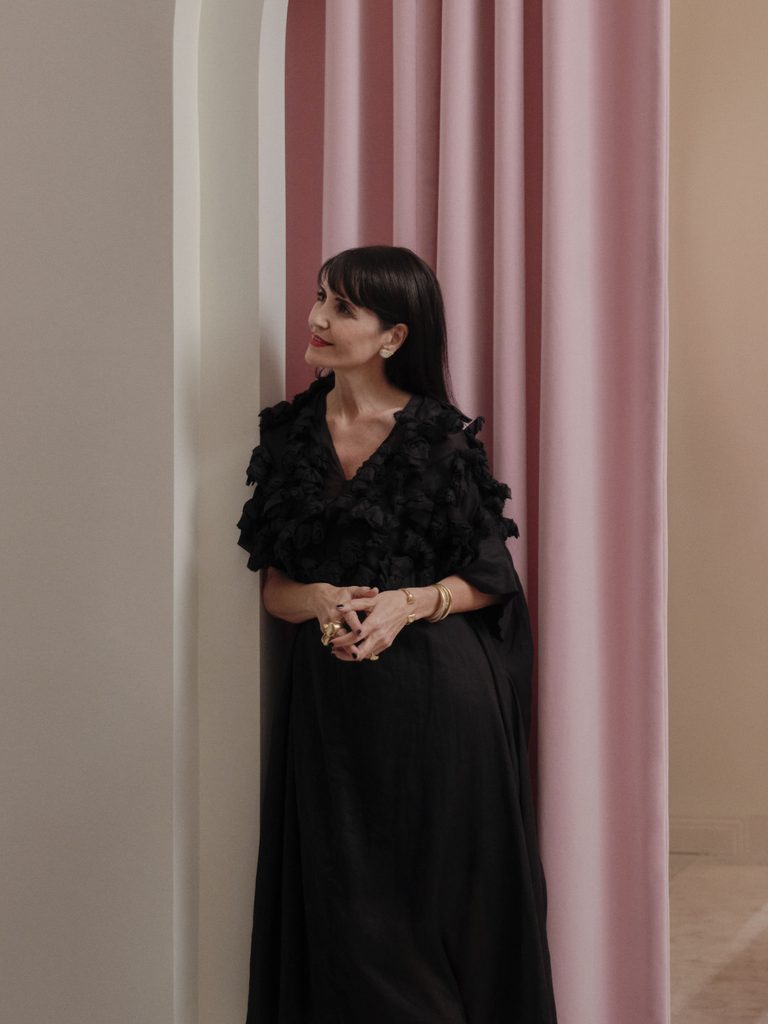
Having been born in Beirut and now based in London, how do different cities influence your day-to-day creative energy?
Beirut and London give me very different energies, and I need both. Beirut is deeply instinctive for me. It is where my memories, my roots and my emotional connection to the world were formed. London gives me a different kind of energy. It is international, fast-moving and constantly exposing me to new people, cultures and perspectives.
Being between the two has actually made me more aware of what is uniquely mine. Beirut gives me emotional depth, while London gives me distance and a broader perspective. I think that combination has become an important part of who I am creatively today.
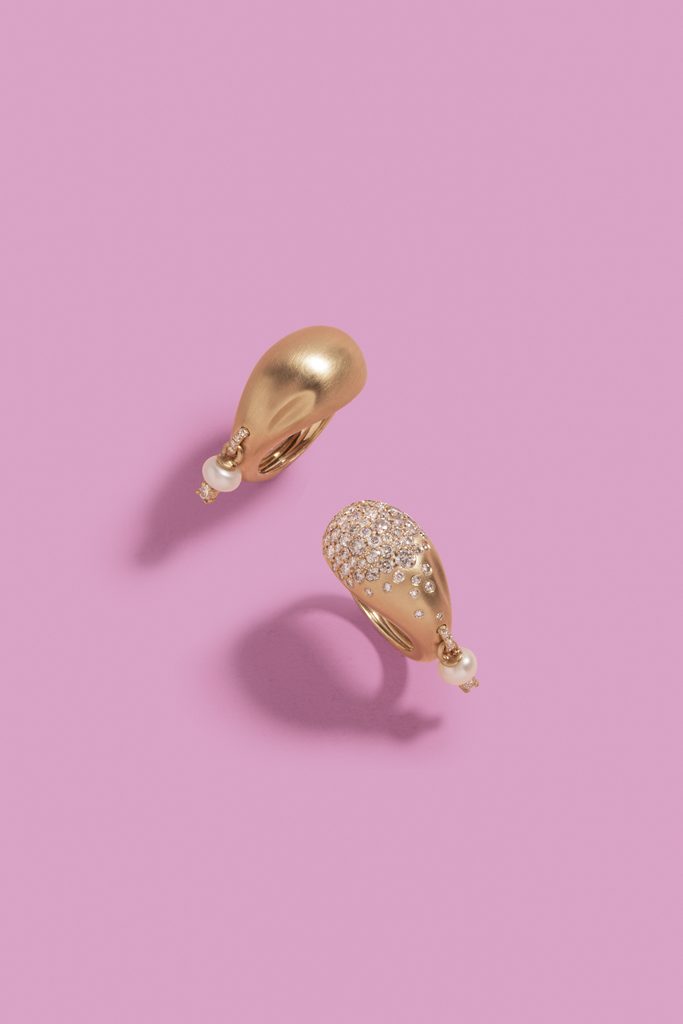
Jewellery making is a field that sees constant innovation. How do you balance new technology with traditional handcraft techniques?
I see technology as an extension of the creative process, rather than a replacement for craftsmanship. I might begin with a sketch, a feeling or a physical form, and then use technology such as CAD to develop the idea with precision and explore possibilities that would be difficult to achieve by hand alone.
For me, the beauty is in bringing both worlds together. Technology allows us to push the boundaries of what we can create, while traditional craftsmanship keeps the soul in the jewellery.
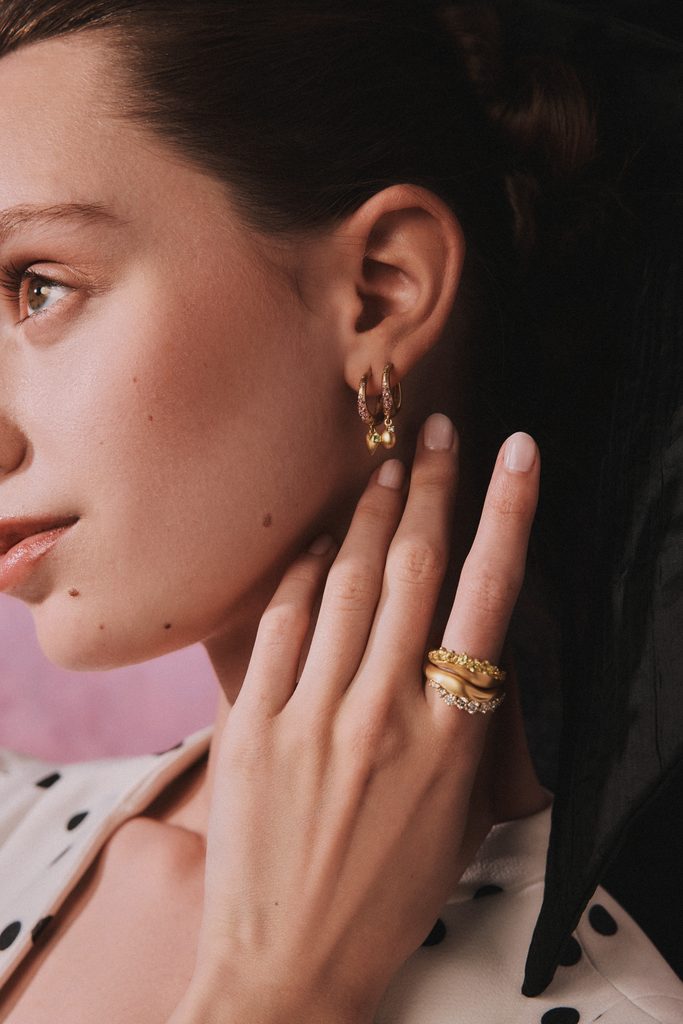
What is the next big chapter for Nada Ghazal Jewellery?
Growth, but growth with intention. Opening our London boutique at 4 Pont Street in Belgravia has been a very important step in that journey. It is more than a boutique for us. It is our London home and a place where clients can experience the world of Nada Ghazal in a much more personal way.
I want the boutique to be a place where clients can take their time, discover the collections, build a relationship with the jewellery and, when they wish, work with me personally on something bespoke.
London also gives us a wonderful platform to welcome an increasingly international clientele and to introduce them to a brand that was born in Beirut and continues to be crafted there.
Follow Us

The Latest
-

Wellness
The science behind peptide injections
All the risks behind the so-called miracle treatments
-

Travel
Detox hotels to book for your next getaway
Check in, to check out at these beautiful resorts
-

Travel
Discovering Singapore’s green allure
Exotic, diverse, lush. The garden city of Singapore nurtures culture, fine dining, and an environmentally oriented plan for the future
-
Travel
Inside The Royal Diriyah Opera House in Riyadh
Saudi Arabia’s first dedicated opera house opening soon
Subscribe to our newsletter and receive a selection of cool articles every weeks
You can unsubscribe at any time. To find out more, please visit our privacy policy.