

The 673-Diamond Necklace at the Centre of Vienna’s Museum Heist
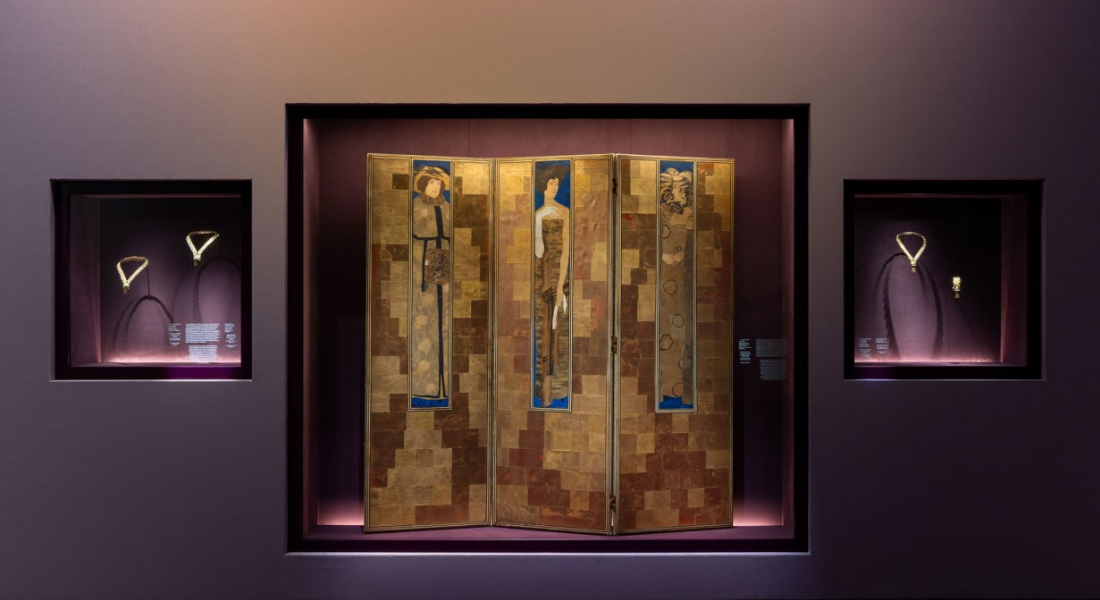
From its 673 diamonds to the royal wedding where it was first photographed, there is far more to this Van Cleef & Arpels necklace than its $4.3 million price tag.
A necklace once worn by Queen Nazli of Egypt has become the subject of an international search after disappearing from Vienna’s Museum of Applied Arts on 27 August.
Two men reportedly entered the museum during normal opening hours, bought tickets and walked into the exhibition before smashing the display case with a hammer and leaving with the historic Van Cleef & Arpels piece.
The circumstances of the robbery are remarkable enough, but so is the necklace itself.
Created almost ninety years ago, set with hundreds of diamonds and worn at one of the most memorable royal weddings of the 20th century, here is what makes Queen Nazli’s necklace quite so special.
It Is Set with 673 Diamonds
The numbers alone are extraordinary.
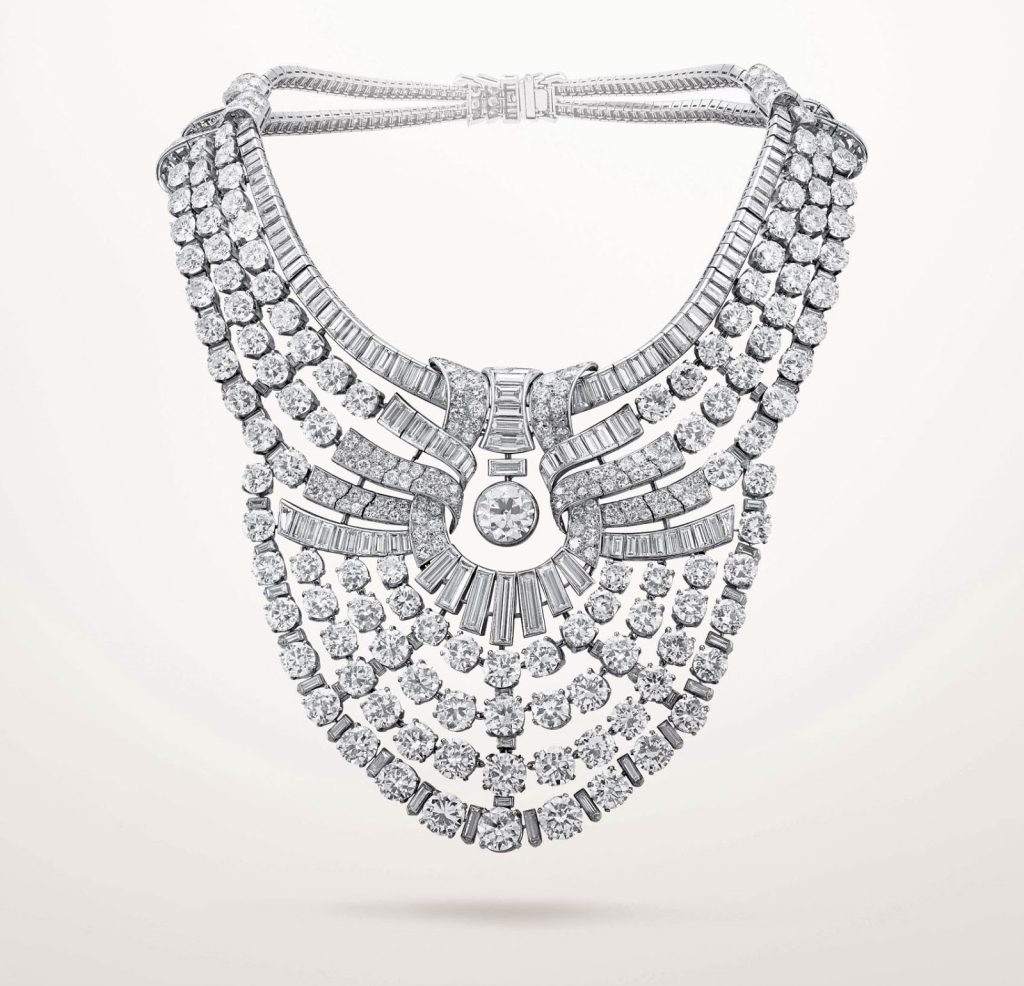
Crafted in platinum, the necklace is set with 673 diamonds, combining baguette and brilliant cuts within an intricate Art Deco design.
Rather than simply covering the necklace in stones, Van Cleef & Arpels used repeated geometric shapes to create a wide, bib-like silhouette that sits high around the neck before spreading across the chest.
Despite its scale, the open design gives the piece a surprising lightness. From a distance, the rows of diamonds almost appear to fall like fabric rather than metal and stone.
It Was Made During the Golden Age of Art Deco Jewellery
Created in 1939, the necklace captures many of the details that defined Art Deco jewellery.
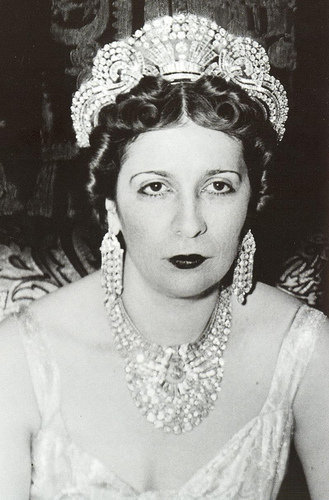
There is symmetry, strong geometry and a focus on the diamonds themselves, with platinum almost disappearing behind the stones.
It is a very different kind of statement jewellery from the colourful gemstones or more organic shapes we often see today. The drama comes almost entirely from repetition, scale and light.
Queen Nazli Wore it to Her Daughters Royal Wedding
Perhaps the most famous images of the necklace come from the 1939 wedding of Queen Nazli’s daughter, Princess Fawzia of Egypt, to Crown Prince Mohammad Reza Pahlavi, the future Shah of Iran.
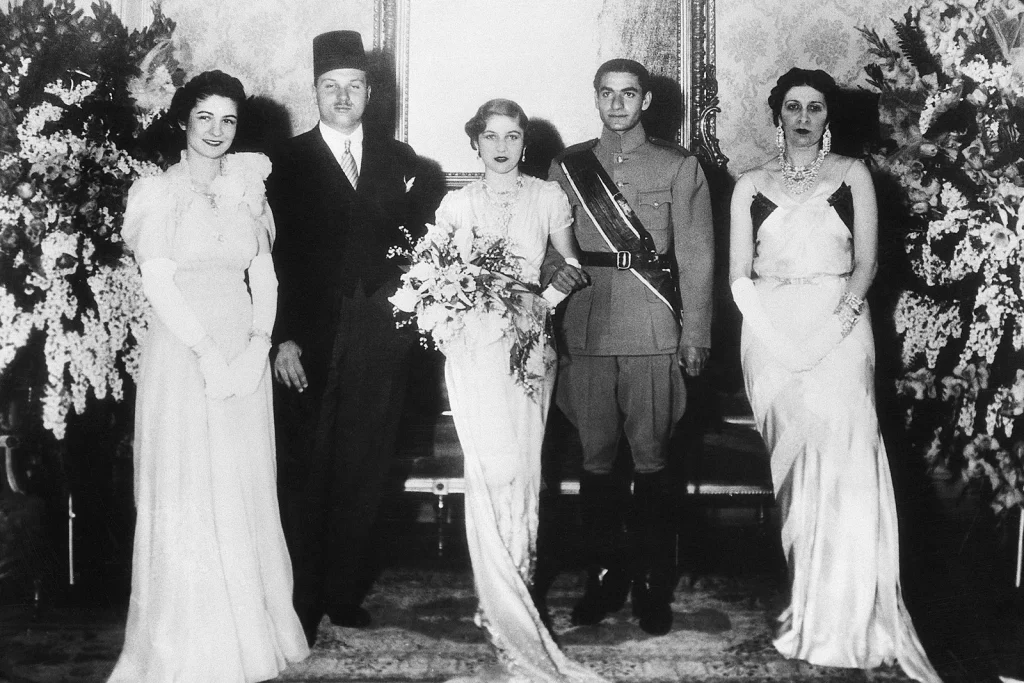
Queen Nazli wore the necklace alongside a matching diamond tiara, creating a look that remains one of the most recognisable examples of Egyptian royal jewellery.
The necklace was already dramatic on its own, but paired with the tiara and the formality of a royal wedding, it became part of an image that would follow the piece for decades.
It’s Matching Tiara Contains Another 720 Diamonds
The necklace was only part of Queen Nazli’s extraordinary jewellery set.
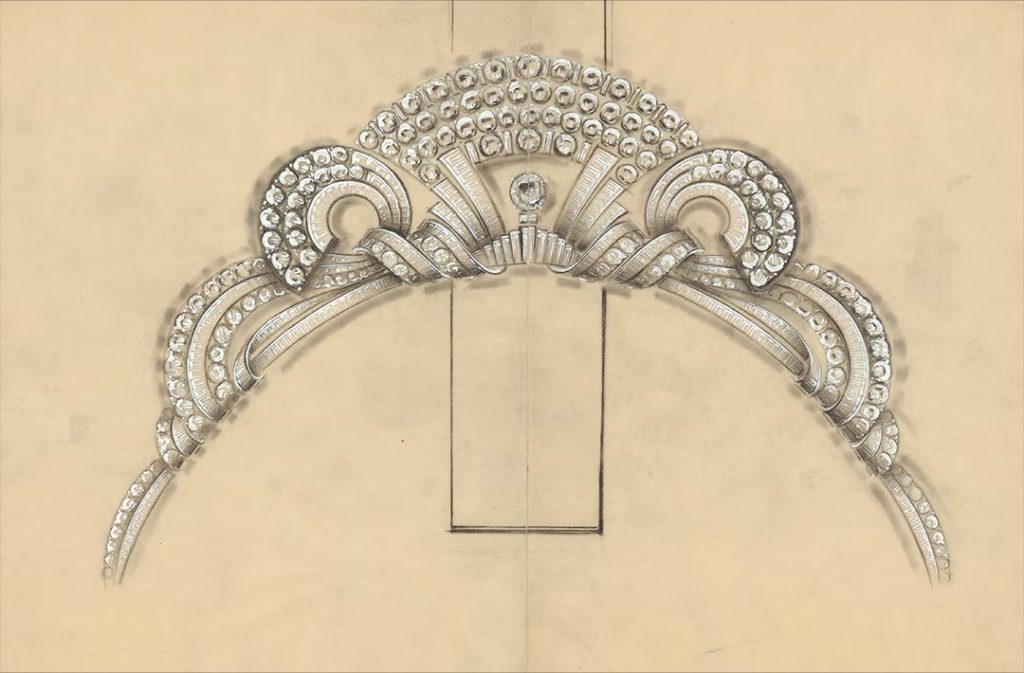
Its matching platinum tiara contained 720 diamonds and weighed 274 carats. When Queen Nazli eventually sent both pieces to auction in New York in 1975, the tiara sold for $127,500 while the necklace achieved $140,000.
Together, they give some indication of the scale of the jewellery Queen Nazli was wearing in those now-famous photographs.
It’s Value Increased Dramatically
When the necklace appeared at Sotheby’s again forty years later, its price told a very different story.
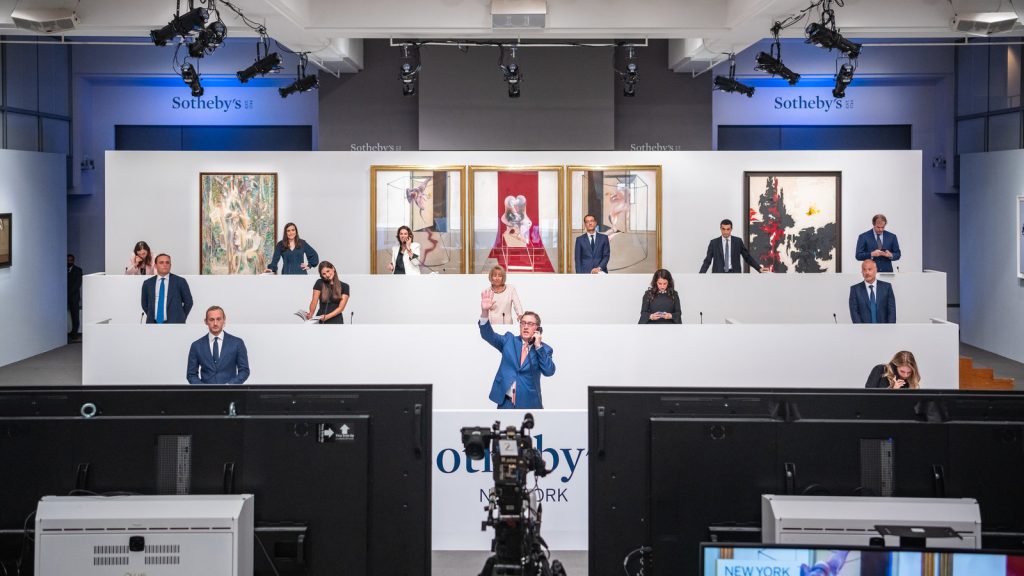
In 2015, it sold for approximately $4.3 million, more than thirty times the amount it had achieved in 1975.
Of course, by then buyers were not simply paying for 673 diamonds. Its connection to Queen Nazli, Princess Fawzia’s wedding, Egyptian royal history and Van Cleef & Arpels had all become part of the value of the piece.
When the necklace appeared at Sotheby's again forty years later its price told a very different story in 2015 it sold for approximately
And Now It Is Missing
Most recently, the necklace was being displayed in Vienna as part of Van Cleef & Arpels High Jewellery x Masterpieces from the MAK Collection.
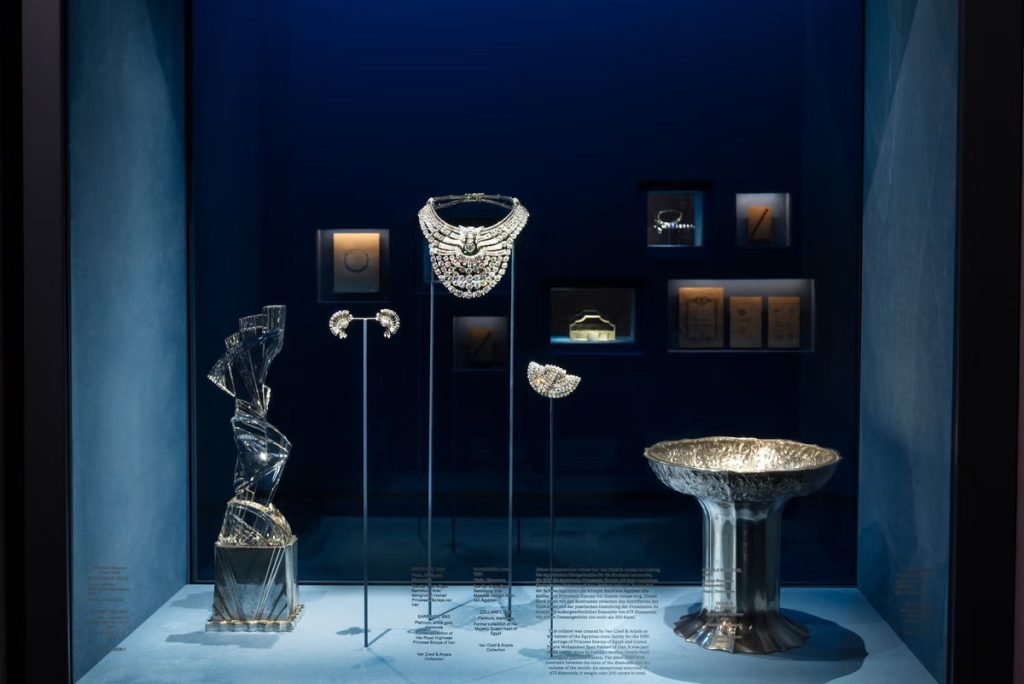
Then, on 27 August, it disappeared.
As authorities continue their search, there is still no knowing when, or if, Queen Nazli’s necklace will be seen again.
What is certain is that its importance has never been about diamonds alone. Few pieces of jewellery can bring together Art Deco design, Van Cleef & Arpels craftsmanship and Egyptian royal history quite like this one.
And after almost ninety years, its story has taken another unexpected turn.
Follow Us

The Latest
-

Wellness
The science behind peptide injections
All the risks behind the so-called miracle treatments
-

Travel
Detox hotels to book for your next getaway
Check in, to check out at these beautiful resorts
-

Travel
Discovering Singapore’s green allure
Exotic, diverse, lush. The garden city of Singapore nurtures culture, fine dining, and an environmentally oriented plan for the future
-
Travel
Inside The Royal Diriyah Opera House in Riyadh
Saudi Arabia’s first dedicated opera house opening soon
Subscribe to our newsletter and receive a selection of cool articles every weeks
You can unsubscribe at any time. To find out more, please visit our privacy policy.