

Meet Madame: Esra Lemmens on Building an Enduring Creative Business

For design strategist Esra Lemmens, creativity and commerce have never needed to exist on opposite sides. Through The Esra Lemmens Agency, she built a career helping designers and creative businesses understand not only what makes their work distinctive, but how to turn distinction into something that can last.
Esra Lemmens always knew that she belonged somewhere within the creative world. Art and art history captured her attention at school before she went on to study Fine Arts and Design, but it was a visit to Solone del Mobile that gave her an early sense of where that world might take her.
“I remember arriving and thinking: oh, so this is where my people have been hiding,” she recalls. “I felt at home before I had quite worked out my place in it.”
It was not necessarily designing another object that interested her most. Instead, Lemmens found herself increasingly curious about what happened around the work. Who recognised a good idea? How did it find the right audience? And, perhaps most importantly, how could the person behind it continue doing what they loved?
Watching talented classmates create extraordinary work that remained largely unseen became part of that shift. Lemmens began helping them bring their ideas to a wider audience and, in the process, discovered where her own strengths lay.
“I could recognise what was special about someone’s work and help other people see it too,” she says. “My contribution did not have to be another object.”
The instinct eventually became The Esra Lemmens Agency. Rather than seeing strategy as something separate from creativity, she considered it another creative problem to solve.
Creative and Commerce Can Coexist

From the beginning, Lemmens wanted the agency to treat creative ambition and commercial intelligence with equal seriousness. For her, designers should not need to dilute what makes their work distinctive in order to build a viable business, but equally, good work cannot simply be expected to find its audience on its own.
“I have never understood why enjoying your profession should make you less entitled to earn a good living from it,” she says.
Over time, the agency has expanded from finding and representing creative talent to connecting that talent more directly with business, working across luxury brands, cultural organisations, government bodies and businesses of different scales. Yet the purpose remains consistent.
“What matters to me is not simply making someone more visible,” Lemmens explains. “It is whether the right people understand the work and see a reason to engage with it. Attention is useful. Being understood is considerably more useful.”
That distinction becomes particularly important when considering what makes a creative company sustainable. A full calendar and a growing team may look like success from the outside, but Lemmens believes longevity requires looking beyond how busy a studio appears.
Growth can happen organically. One project leads to another, more people are hired and larger commissions follow. But eventually, she believes every business needs to examine what it has built.
Are projects priced correctly? Is the work organised efficiently? Is growth improving the business, or simply expanding existing problems?
“An enduring practice combines a recognisable point of view with the discipline to support it,” she says. “It knows what it contributes, which opportunities suit it and what it takes to deliver consistently.”
While launches, awards and breakthroughs naturally matter, Lemmens is just as interested in something far less glamorous.
“I am equally interested in what happens on an ordinary Tuesday,” she says. “That is where you discover whether there is a business behind the portfolio.”
Protecting the Idea By Understanding the Business
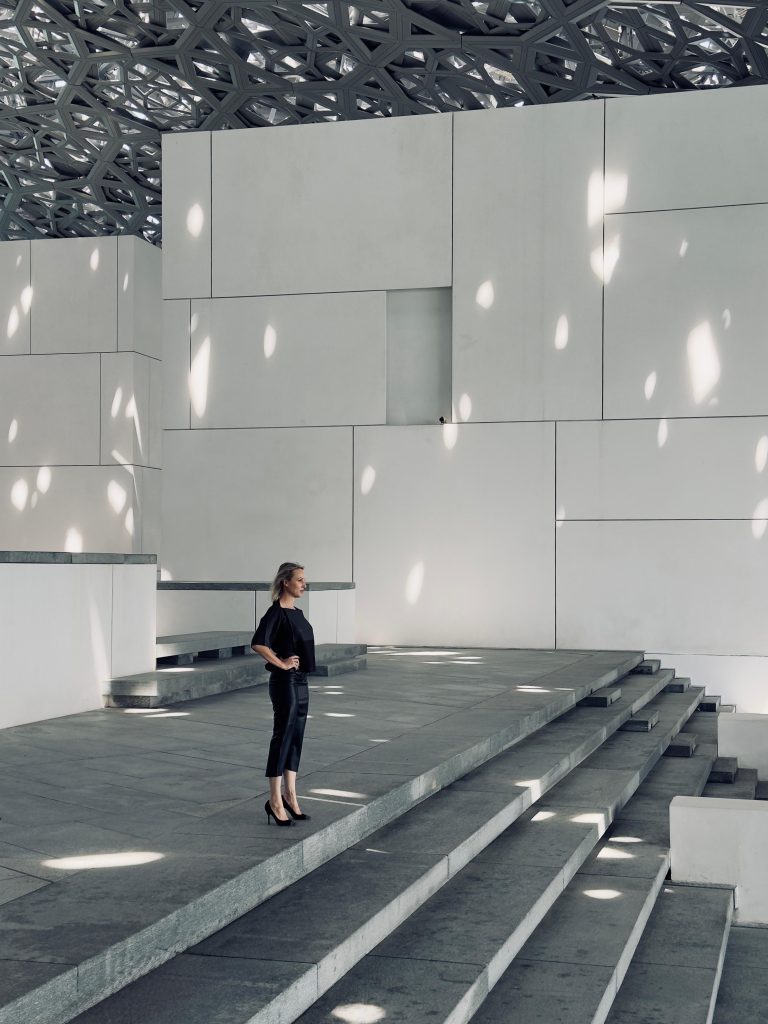
The assumption that commerce somehow compromises creativity is one Lemmens questions entirely. In fact, she argues that failing to understand the business surrounding creative work can leave designers with less control, not more.
Commercial awareness extends beyond the fee attached to a project. Questions around photography, portfolio use, credits and permissions can all influence what opportunities follow, which is why she believes these discussions should happen from the beginning.
Creatively, it is equally important to know what truly needs protecting.
“Which decisions are essential to the meaning or quality of the work, and which are open to discussion?” she asks. “Integrity does not require every practical decision to become a matter of principle.”
There is freedom in that stability too. A sustainable practice creates space to experiment, because every project no longer needs to fulfil the same commercial purpose.
“There is nothing particularly liberating about having to say yes to everything,” Lemmens says.
Her own approach to growth reflects the same thinking. Rather than remaining attached to every decision made when the agency began, she distinguishes between staying committed to its purpose and refusing to let it evolve.
“I ask whether a change will help us do the work better, or merely make us look as though we are keeping up,” she explains.
Building from Dubai
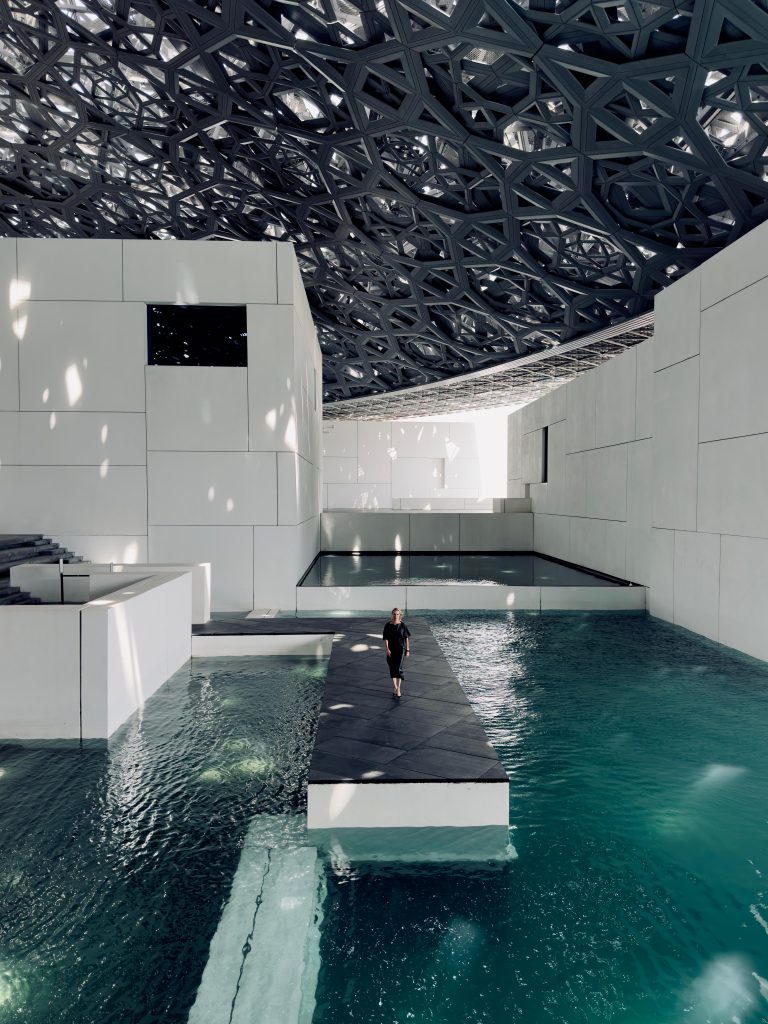
Dubai has played an important role in shaping the way Lemmens thinks about both design and business. Here, she says, the journey between an idea and its eventual realisation is particularly visible, with designers, makers, clients, developers, media and audience existing within the same wider conversation.
The region has also reinforced the importance of context.
“An approach does not become universally relevant because it has been successful somewhere else,” she says. “Climate, hospitality, cultural habits and the way people use space all influence what makes sense.”
Rather than seeing the Middle East simply as somewhere for ideas developed elsewhere to arrive, Lemmens believes the region has its own knowledge to contribute. She has also watched its creative landscape become noticeably more confident.
For her, the conversation is moving away from proving that a regional design scene exists and towards asking what scene can contribute.
She is less interested in defining one middle eastern aesthetic than in seeing the many ways people interpret the places in which they live.
“A healthy creative scene should not look as though everyone has been given the same brief,” she says. “The variety of perspectives is precisely what makes it interesting.”
Leadership Without Needing Every Answer

As her agency has grown, Lemmens has also developed her own understanding of leadership. One of the most important lessons has been separating herself from the company that bears her name.
“You have to care deeply without making everything a verdict on you,” she says.
That also means allowing the people around her to question her thinking. Agreement is not necessarily what she is looking for, particularly when a challenge to an idea might ultimately make the work stronger. “My name is on the agency; it does not need to be on every good idea,”
For creative leaders in particular, she believes there is value in showing that thinking can still be unfinished. Presenting a problem that has not yet been completely resolved gives others room to contribute in a way that asking for opinions after presenting a polished solution often does not.
Outside work, Lemmens finds that perspective in simpler places. Sport, time outdoors and being with her horse allow her to switch off, while her two sons challenge her to look at familiar things differently.
“Being with them reminds me that not everything needs to be useful or lead somewhere,” she says. “It can just be interesting, or funny, or worth a closer look.”
Treat Creativity like a Profession
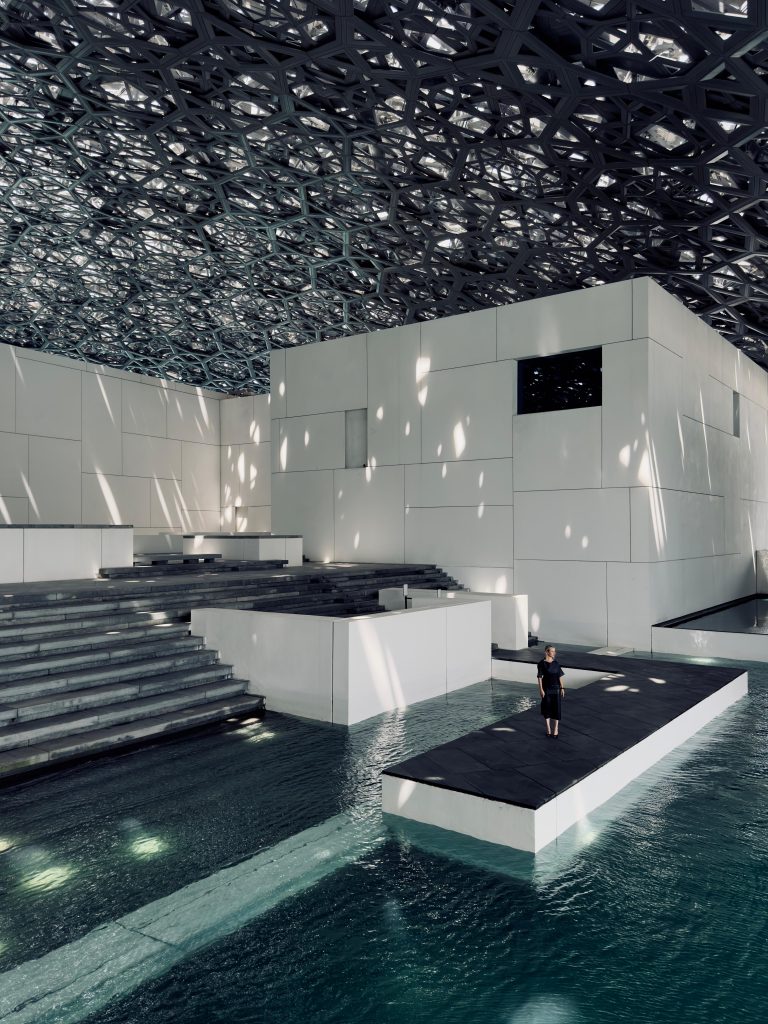
For emerging creatives trying to turn a distinctive point of view into a career, Lemmens’ advice is straightforward: treat it as a profession from the beginning.
She believes creative education can sometimes place far more emphasis on developing an idea than on the practical knowledge needed to sustain a career around it, from proposals and pricing to marketing, public relations, networking and communication.
The challenge is not usually that creatives do not take their work seriously enough. Sometimes, she suggests, they take the creative work so seriously that everything required to protect its future becomes secondary.
“Being able to design intuitively does not mean you can run a business entirely by intuition.”
Understanding costs, clients and the kind of working life being built should form part of the creative process rather than sit outside it.
“Learning the business does not make you less of a designer,” Lemmens says. “It gives you a better chance of remaining one.”
As for what comes next, Lemmens admits she continues to return to the possibility of pursuing a PhD, particularly to explore the way design is communicated and how that influences the value attached to it in the Middle East. For now, however, her agency and her family remain at the centre of her life.
It has also taught her that ambition does not always need to come with urgency.
“I am learning that you can genuinely want something without needing to make it happen immediately,” she says. “Some ambitions can wait without becoming any less meaningful.”
Photo credit: Bryan Regnier
Follow Us

The Latest
-

Wellness
The science behind peptide injections
All the risks behind the so-called miracle treatments
-

Travel
Detox hotels to book for your next getaway
Check in, to check out at these beautiful resorts
-

Travel
Discovering Singapore’s green allure
Exotic, diverse, lush. The garden city of Singapore nurtures culture, fine dining, and an environmentally oriented plan for the future
-
Travel
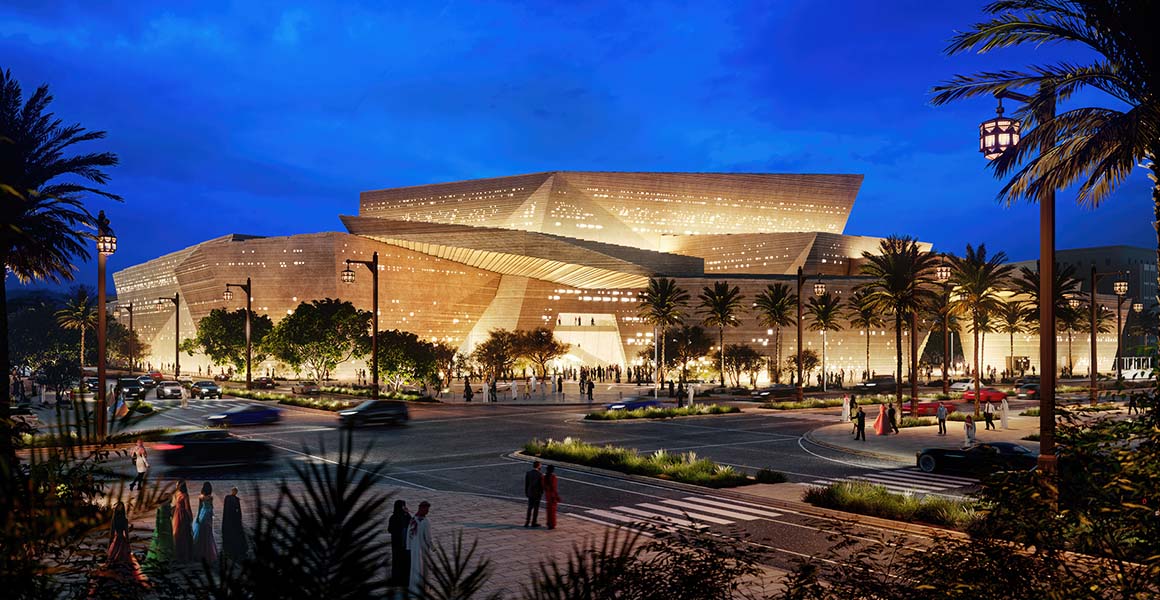
Inside The Royal Diriyah Opera House in Riyadh
Saudi Arabia’s first dedicated opera house opening soon
Subscribe to our newsletter and receive a selection of cool articles every weeks
You can unsubscribe at any time. To find out more, please visit our privacy policy.