

TURNING PAIN INTO PURPOSE
LINDSAY JUDGE
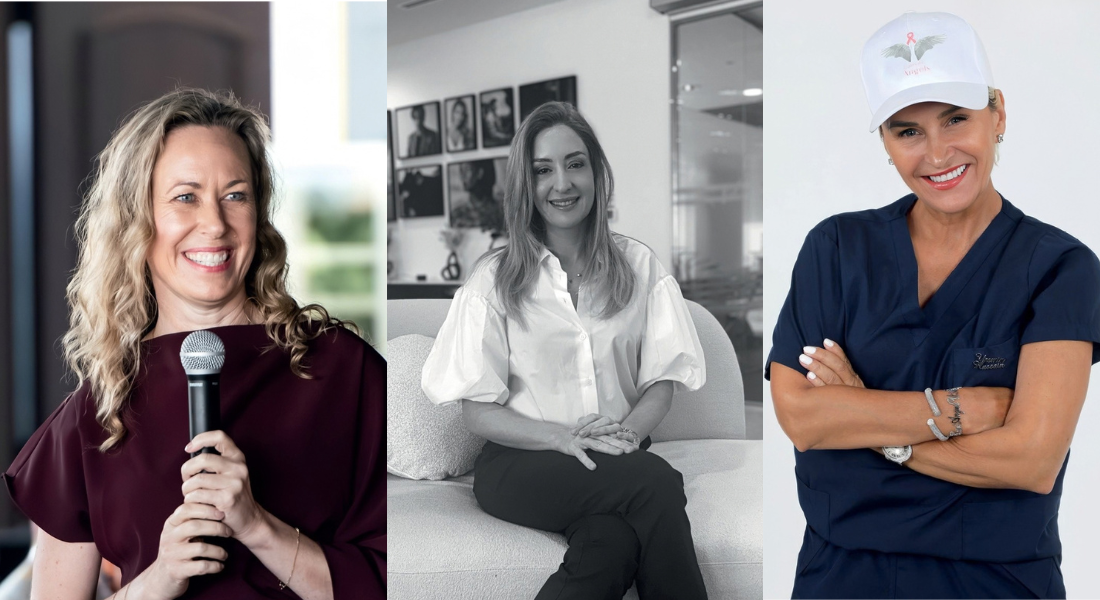
What does recovery after breast cancer really look like? Two survivors reveal how they transformed their experiences into platforms for change…
For many women, hearing the words “you have cancer” marks a sudden dividing line between the life they knew and an uncertain
future. Nothing can fully prepare someone for that diagnosis or for the physical and emotional challenges that may follow.Treatment can be gruelling and isolating, creating an all-consuming world of appointments, procedures, and difficult emotions.
Yet there is also real cause for hope. Advances in research, early detection, and treatment have transformed outcomes for women with breast cancer. According to the World Health Organisation, five-year survival rates now exceed 90 per cent across high
income countries, while US-specific data shows a five-year relative survival rate of more than 99 per cent when the disease is diagnosed while still localised.
But survival statistics tell only part of the story. “I wish people understood that the journey doesn’t end when the treatment ends,” says Dr Marian Khatib, Oncoplastic and Robotic Breast Surgeon, Assistant Professor, and Chief of the Breast Cancer Center at American Hospital Dubai. “In fact, for many women, one of the most difficult phases begins after they complete their treatment.”
As regular appointments become less frequent and the support surrounding treatment begins to recede, women may find themselves navigating lasting physical symptoms, emotional changes, and questions about their identity.
“Everyone expects to simply go back to their normal life,” Dr Khatib explains. “But the reality is that they’re not the same person they were before the diagnosis, and that’s completely understandable.” So, what does life after cancer really look like? Is it possible to return to “normal”, or does the experience create an entirely different version of it? We speak to two women who have transformed their experiences of cancer into something that brings hope and strength to others.
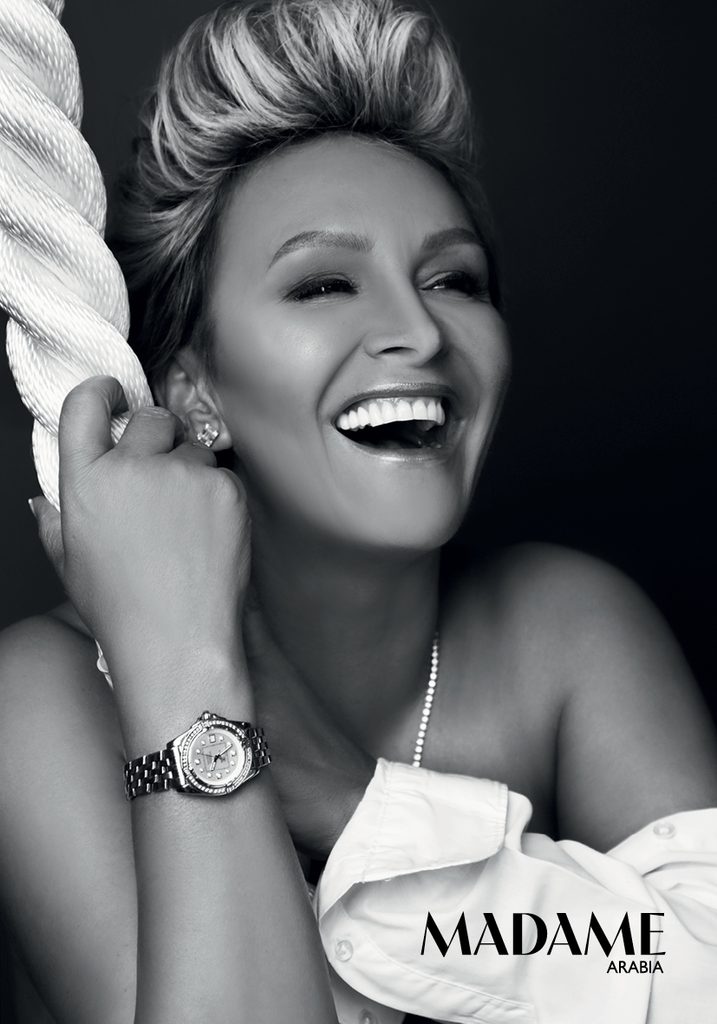
Yasmin Hussain - From Survivor to Support system
Five years after being diagnosed with stage three breast cancer, Yasmin Hussain still finds it difficult to believe it happened to her. The experience changed her perspective, revealed a strength she didn’t know she possessed, and ultimately inspired her to support other women facing treatment.
“People say you emerge from cancer as a different person – for me, that is absolutely true,” she tells MADAME Arabia. “Many of the things you thought were so important before no longer seem to matter. You discover a stronger version of yourself.”
Hussain underwent six months of chemotherapy, followed by a double mastectomy with immediate reconstruction, and five weeks of radiotherapy. For her, the period immediately after diagnosis was the hardest. “Hearing the diagnosis, trying to accept it and then being sent for so many tests was overwhelming,” she recalls. “Once treatment began, however, I felt I was moving forward and doing something about it.”
Determined not to allow cancer to consume every part of her identity, Hussain focused on maintaining her routine and approaching each day with a positive mindset. Every morning, she would look in the mirror and tell herself, “You are not ill,” before getting on with her day.
One of her greatest fears was losing her hair. She initially avoided calls from her doctors because she was so reluctant to begin chemotherapy, but on the day her treatment was due to start, she learnt about cold caps. “I ordered the caps immediately and managed to retain around 95 per cent of my hair,” she says. “Results are different for everyone, and nothing is guaranteed, but cold capping gave me the best possible chance of keeping it.”
After completing treatment, Hussain began storing caps from UK-based company Penguin Cold Caps at her studio so women could access them locally. Interest grew through word of mouth, but she soon realised that patients needed practical and emotional assistance as much as they needed the caps. This led her to establish Hair Angels.
Cold capping requires careful preparation and caps must be replaced frequently throughout treatment. Hair Angels provides trained team members who prepare the equipment, accompany patients to the hospital and manage the entire process.
“Not everyone has a family member or friend who can spend the whole day at the hospital,” Hussain explains. “Our team takes care of everything so the patient can concentrate on herself.”
Hussain’s career was built in the beauty industry, so preserving someone’s hair is not simply a cosmetic concern for her. “Hair loss isn’t just about vanity,” she says. “It is closely connected to identity and confidence. Keeping even some of your hair can help you preserve a sense of privacy and continue parts of your normal life.”
Hair Angels has also inspired a wider community. A group of women in Dubai now knit and crochet Scarves of Strength, which are given to patients using the caps. “It reminds women that somebody is thinking about them,” Hussain says. “That kindness fills my heart.”
Through an experience that once brought fear and uncertainty, Yasmin Hussain has found renewed purpose. “You are stronger than you realise,” she says. “Take it one appointment and one day at a time.”
Cold capping is a scalp cooling system that involves wearing a closely fitted cap before, during, and after chemotherapy to lower the scalp temperature. This constricts its blood vessels and reduces the amount of chemotherapy reaching the hair follicles, helping to limit hair loss. Results vary by treatment and individual, but for many patients, it can preserve a significant amount of hair.
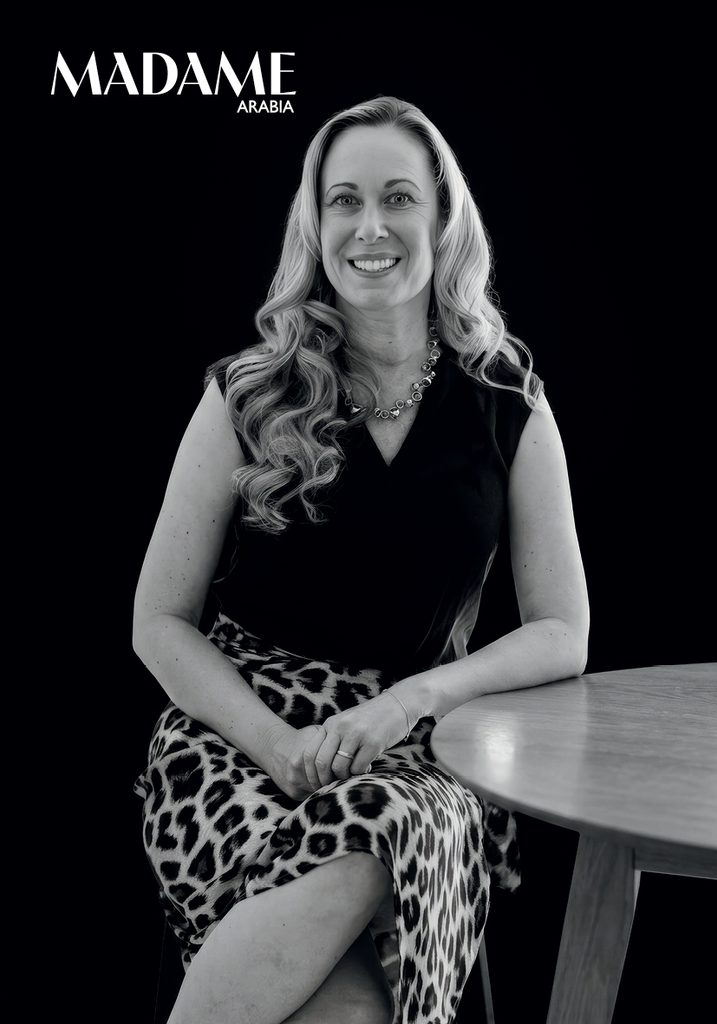
Jen Blandos - Building a better way to manage health
When entrepreneur Jen Blandos was invited to lead a workshop for women rebuilding their identities after cancer, she felt strangely disconnected from the subject.
Thirteen years had passed since her first breast cancer diagnosis at 38, and the experience had gradually moved into the background. But, just two weeks after the workshop, a routine check-up revealed that she had breast cancer again.
"I wasn't doing self-checks because I'd convinced myself it would never return," says the British-Canadian entrepreneur, who has lived in Dubai for 17 years. "I exercised every day, followed a healthy diet, and thought I was doing everything correctly. I thought it couldn't happen to me."
The cancer was discovered in the same breast, and Blandos underwent a double mastectomy with reconstruction, followed by 12 rounds of chemotherapy. Although she remained active throughout treatment, the side effects afterwards were severe.
"There is an expectation that you ring the bell and everything is wonderful," she reveals. "Everyone around you is celebrating, but you can feel as though you have been thrown into an abyss. You may not recognise your body, your emotions, or the way you think."
Jen continued to experience nausea, numbness and emotional changes while trying different medications intended to reduce the risk of the cancer returning. She also became increasingly frustrated by how fragmented her medical information was. Reports, blood tests, prescriptions and notes were scattered between hospitals, doctors and online folders, leaving no single overview of her health.
"I felt there was nobody saying, 'We've got you, Jen. Here is the plan and this is how everything connects,'" she says. "Nobody could easily look at the complete picture or track how my results, medication and side effects changed over time."
A natural problem-solver and the founder of Female Fusion, a Dubai-based business network connecting founders and women in business, Blandos responded by developing an AI-powered health platform, Zati.
Initially created for her own use, Zati brought together her medical records, medications, symptoms, test results, and lifestyle information in one place. By tracking this data over time, she could identify patterns and take clearer information to her doctors. "Rather than simply saying, 'I don't feel well,' I could show them what was happening and work with them to develop a more personalised care plan."
Blandos has since rebuilt the platform for anyone managing complex health needs, not only cancer patients. Trialled with approximately 150 people, it is also being modified to include family accounts and carer access, allowing users to help manage the health information of children or elderly relatives.
The main app is scheduled to launch in October, with plans to expand across the GCC and Europe. “The platform is not about replacing doctors,” Blandos says. “It is about helping patients arrive with a clearer picture of their health so they can work more effectively with their care teams.”
For Jen Blandos, this project has given meaning to an otherwise painful chapter. "I couldn't go through the most traumatic year of my life without it meaning something," she says. "If you can take some of that pain and create something meaningful from it, there is something powerful in that."
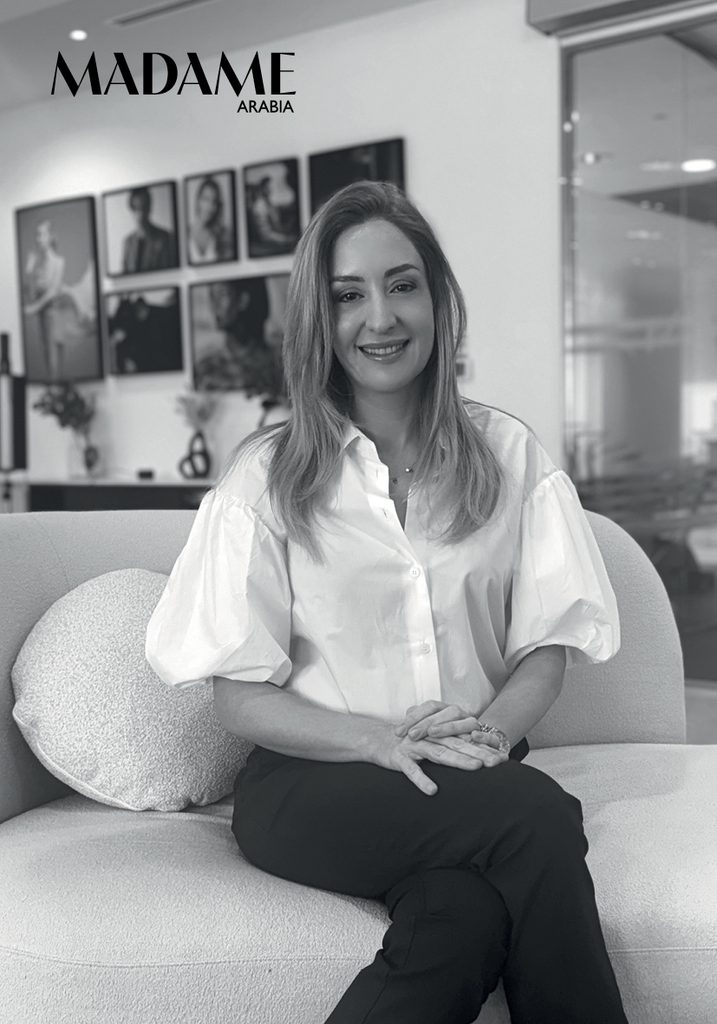
Dr Marian Khatib - Beyond treatement - A surgeon's Perspective
While the conclusion of chemotherapy or radiotherapy represents an important milestone in any woman's breast cancer journey, the body may continue to recover for months or even years.
The right follow-up care can make a considerable difference. "With the right support and rehabilitation, most women gradually regain their strength and return to a full and active life," she says.
When symptoms persist, physiotherapy, rehabilitation and other treatments may help women manage them and improve their quality of life.
For those undergoing breast surgery, decisions surrounding reconstruction can add another emotional and physical dimension. "Today, our goal is not only to cure the disease but also to preserve or restore the natural appearance of the breast whenever possible," Dr Khatib explains. "This can have a tremendous impact on a woman's confidence, emotional wellbeing and overall quality of life."
Reconstruction, however, remains an entirely personal decision. Dr Khatib recalls one patient who knew immediately that she wanted reconstruction, while another preferred the simplest operation possible and felt comfortable without it. "Both decisions were thoughtful, informed and absolutely right for those women," she says.
Helping patients prepare begins with honest conversations about scars, sensation, breast shape, recovery and realistic outcomes. "Every woman has different concerns and priorities, so I spend a lot of time understanding what matters most to her," Dr Khatib explains. "When women feel informed and know they have choices, they feel much more in control."
"Give yourself time," she says of the idea of returning to 'normality'. "Completing treatment is a huge milestone, but recovery doesn't happen overnight. Life does move forward. Many women not only recover but return to the things they love and discover a strength they never knew they had."
According to Dr Marian Khatib, women can experience stiffness, numbness, fatigue, altered sensa tion and reduced shoulder mo
bility following treatment. Oth ers may live with pain, tightness, breast or arm swelling, or the continuing effects of hor mone therapy.
DID YOU KNOW?
Advances in oncoplastic breast surgery now allow surgeons to combine cancer removal with techniques designed to preserve or restore the breast’s appearance whenever appropriate.
Follow Us

The Latest
-

Wellness
The science behind peptide injections
All the risks behind the so-called miracle treatments
-

Travel
Detox hotels to book for your next getaway
Check in, to check out at these beautiful resorts
-

Travel
Discovering Singapore’s green allure
Exotic, diverse, lush. The garden city of Singapore nurtures culture, fine dining, and an environmentally oriented plan for the future
-

Travel
Inside The Royal Diriyah Opera House in Riyadh
Saudi Arabia’s first dedicated opera house opening soon
Subscribe to our newsletter and receive a selection of cool articles every weeks
You can unsubscribe at any time. To find out more, please visit our privacy policy.