

Meet Madame: Najwa Zebian on Writing, Belonging and Her Latest Book

Najwa Zebian has a way of putting words to feelings many of us have carried quietly for years. The Lebanese-Canadian writer and educator carries a gentle, unguarded style of writing that has made her one of the most beloved names in contemporary writing on healing and self-worth.
With her new book, The One Who Broke You Can’t Heal You, she returns to the idea that has defined much of her work. In this conversation, she opens up about the path that led her to writing, the thoughts that shaped the book, and the quiet rituals that keep her creative world alive.
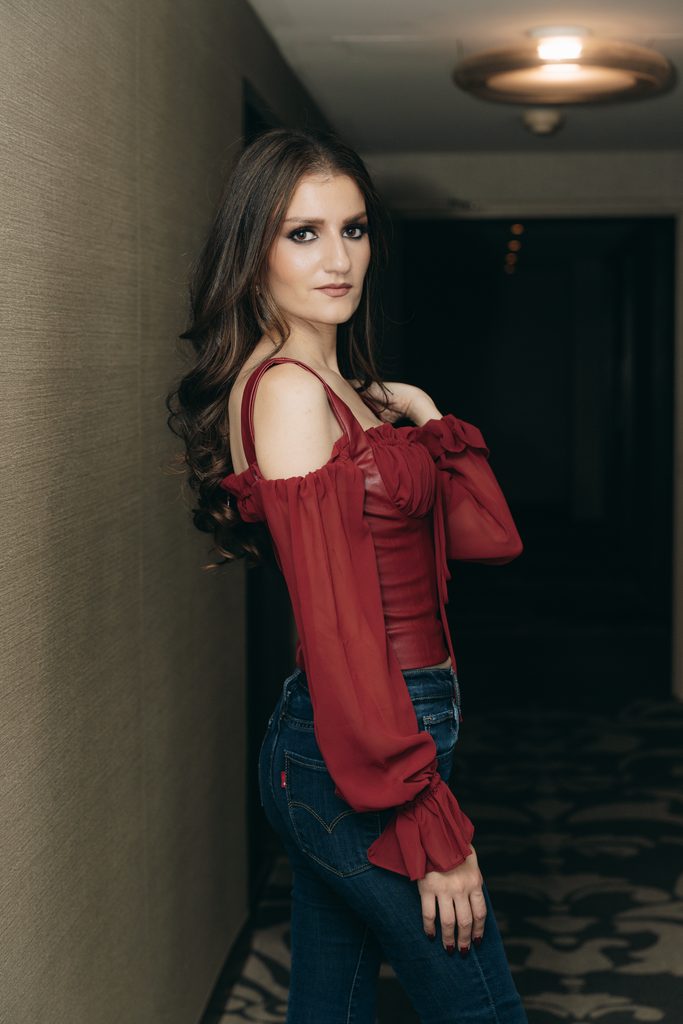
1) What first made you realise writing could be your path?
I've always loved words, ever since I was a little kid. I remember listening to folk music with my dad in the car and paying more attention to the words than the tunes. I was also always fascinated by the poetic nature of the Quran.
When I became a teacher, I started writing short motivational pieces to inspire my refugee students. I realised that my words were resonating with people beyond the classroom too, and they wanted to hear more. That's when I began to realise that writing could be more than something I loved. It could actually be my path. And the rest is history.
2) How did moving from Lebanon to Canada at 16 shape your sense of belonging?
Even before moving to Canada, I always felt out of place. I felt like I was at the mercy of the people around me to decide whether I deserved to be welcomed and loved.
So moving to Canada at 16, when I didn't want to move, made me feel like my choice and autonomy had been taken away from me yet again. I found myself constantly scanning my environment for directions on how to be and who to be in order to feel welcomed and worthy. I felt internally homeless.
That began to change about seven years later, when I became a teacher and started writing for my students, who were newcomers themselves. In a way, as I was helping them find a sense of belonging and healing, I was also helping my 16-year-old self heal.
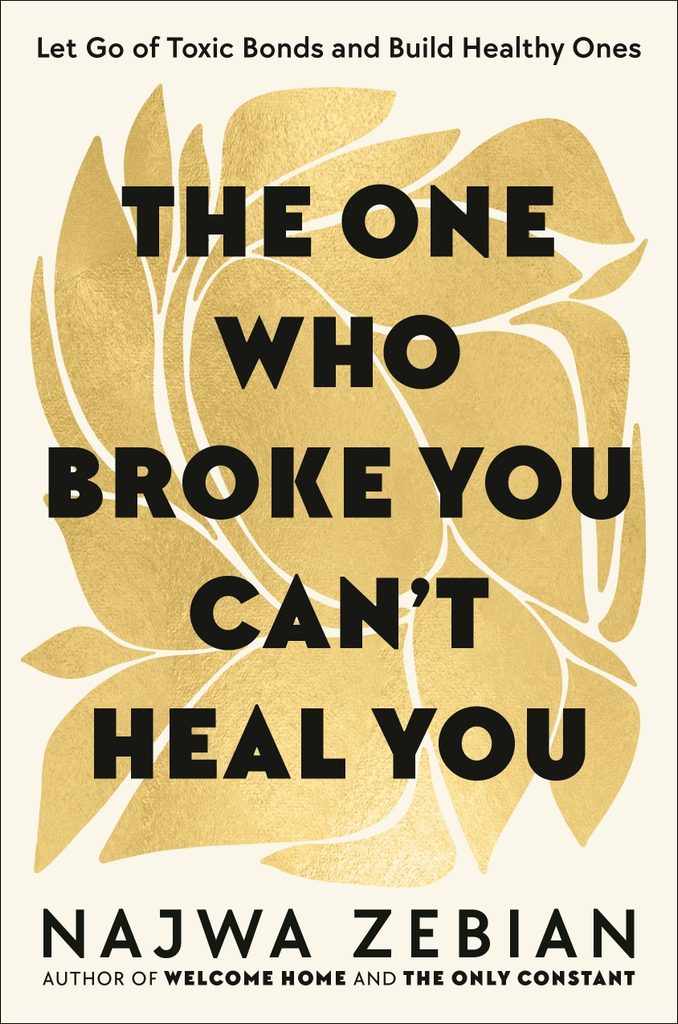
3) You recently launched your book The One Who Broke You Can't Heal You. Take us through the journey of writing it.
The One Who Broke You Can't Heal You came about as a response to all the years of my life when I waited for the people who hurt me and betrayed me to own up to their actions, apologize, and feel remorse.
With time, I realized that giving the people who hurt me the power to heal me was actually hurting me even more. I was placing my healing in the hands of people who had already shown me that they could misuse that power.
I want everyone who reads this book to understand that the reason someone hurt you doesn't matter more than the fact that they did. You don't have to wait for someone's apology, accountability, or understanding before you give yourself permission to heal.
4) In your book, you discuss themes of letting go and healing. How do you hope the book influences your readers?
Letting go of the bonds that hurt you doesn't happen overnight, and that's okay. We judge ourselves for staying longer than we think we should have, or for knowing better but not doing better.
What I wanted The One Who Broke You Can't Heal You to offer is a gentle, compassionate approach to letting go. One that understands the complexities of breaking trauma bonds and unlearning the patterns we adopted in order to survive.
Sometimes those patterns look like self-abandonment. Sometimes they look like changing who we are so other people will love us. That doesn't mean we're flawed or broken. It means that somewhere along the way, we learned what it costs to be loved.
My hope is that this book helps people begin to unlearn that and teach themselves that love should never require abandoning who they are.
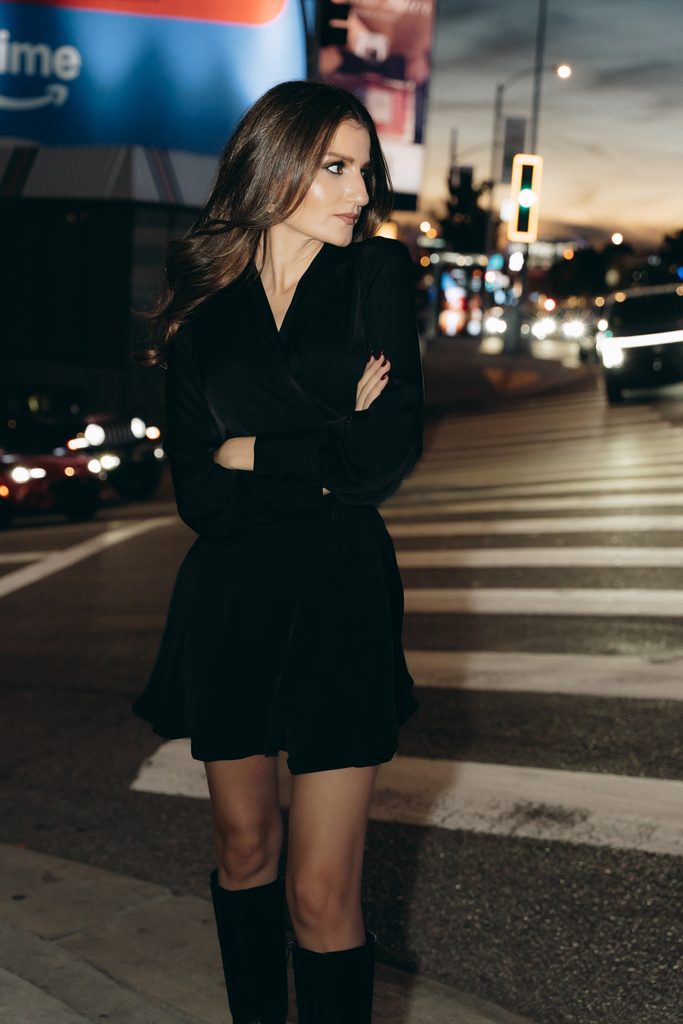
5) What inspired the title of the book?
I first said those words about 10 years ago. I was sitting on a bench in a park, creating a Q&A for my Instagram audience. Every time I repeated the words, "the one who broke you can't heal you," I received an overwhelming response from people saying how deeply they resonated and that they wanted to hear more.
So in a way, it feels like this book has been in the works for a decade. The words came first, and over the years I lived into understanding what they truly meant.
6) Who or what are the biggest inspirations in your life, and how do they show up in your work?
I'm inspired by every person who has been deeply hurt and somehow found the courage to keep going without losing their integrity or authenticity.
We live in a world that sometimes glamorises becoming unbreakable and unhurtable, as though healing means reaching a place where nothing can affect you anymore. But I don't believe that's the point. The desire to be seen, loved, and accepted for who we are is deeply human.
To me, strength isn't about becoming impossible to hurt. It's about learning that being hurt doesn't require you to abandon yourself. That idea shows up again and again in my work: coming home to yourself instead of putting your worth in the hands of the people around you.
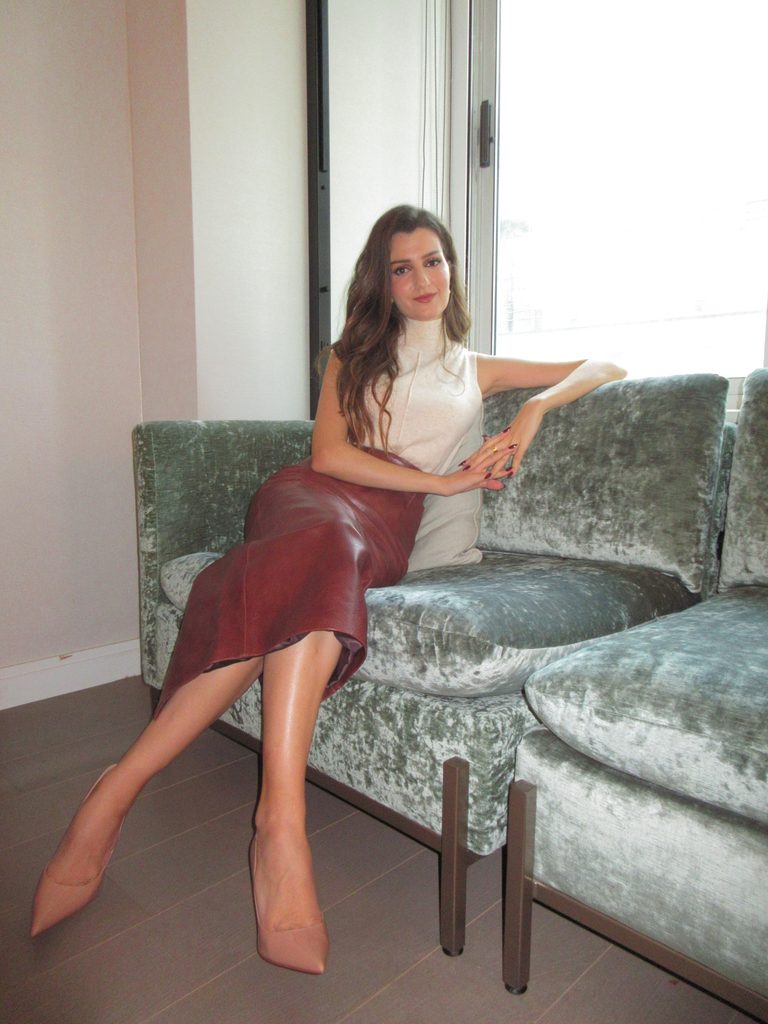
7) What feedback from readers has most surprised you or redirected you?
What continues to surprise me is how people from completely different backgrounds and walks of life can see themselves in the same words. Someone might read something I wrote about belonging, heartbreak, or self-worth and connect it to an experience that looks completely different from mine, yet the feeling underneath it is the same.
That has taught me that the more honestly and specifically I write from my own experience, the more universal the writing can become. Readers have also taught me that sometimes the words we think are simple are the ones people need the most. You don't always need to give someone an answer. Sometimes you just need to give them language for something they've been feeling but haven't been able to name.
8) Is writing still a daily practice for you, and how do you keep time aside for it?
Writing is still very much a part of how I process life, but I don't believe creativity always has to follow a rigid schedule. Sometimes writing means sitting down and intentionally working on something, and sometimes it means noticing a thought or a feeling in the middle of your day and capturing it before it disappears.
I've learned not to force myself to create just for the sake of producing something. I try to give myself enough quiet to hear what I'm actually thinking and feeling. For me, protecting that inner space is just as important as protecting the time to physically sit down and write.
9) Who are your favourite authors and what are you reading now?
My all time favorite is Khalil Gibran. I also love Nizar Qabbani and Mahmoud Darwish. I'm drawn to authors who make me stop and see something about myself or the world differently. I love writing that is simple but deep. Writing that feels honest and timeless, where you can return to the same passage years later and discover a completely different meaning.
Right now, I'm reading You Are the One You’ve Been Waiting For by Dr Richard Schwartz. What I'm enjoying about it is the compassionate introspection the author encourages. At this stage in my life, I'm less interested in reading just to finish books and more interested in reading things that invite me to slow down, reflect, and question what I thought I knew.
10) What are you working on next?
I'm always writing, even when I don't know what the writing will become. Right now, I'm writing quite a bit of poetry.
What I can say is that I'm still deeply interested in the relationship we have with ourselves: the patterns we carry, the identities we build in order to survive, and what happens when we begin letting go of who we thought we had to be. I think my next chapter will continue that conversation, but more in first-person. We will see.
Follow Us

The Latest
-

Wellness
The science behind peptide injections
All the risks behind the so-called miracle treatments
-

Travel
Detox hotels to book for your next getaway
Check in, to check out at these beautiful resorts
-

Travel
Discovering Singapore’s green allure
Exotic, diverse, lush. The garden city of Singapore nurtures culture, fine dining, and an environmentally oriented plan for the future
-
Travel
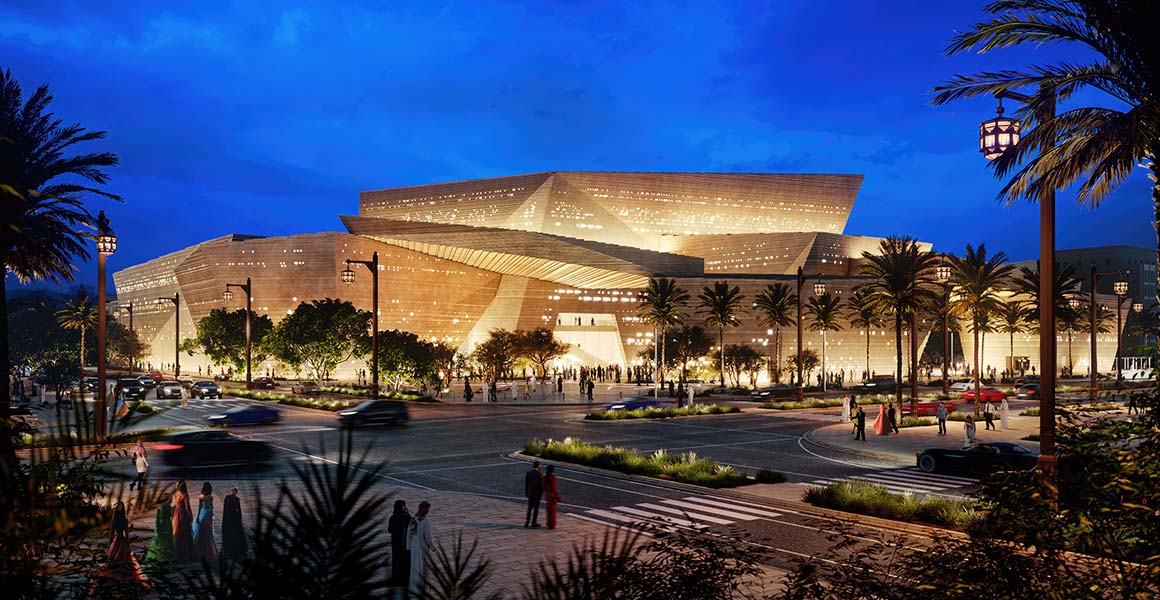
Inside The Royal Diriyah Opera House in Riyadh
Saudi Arabia’s first dedicated opera house opening soon
Subscribe to our newsletter and receive a selection of cool articles every weeks
You can unsubscribe at any time. To find out more, please visit our privacy policy.