

Mounia Akl, A Tender Story of Love and Resilience
Mariam Schaghaghi
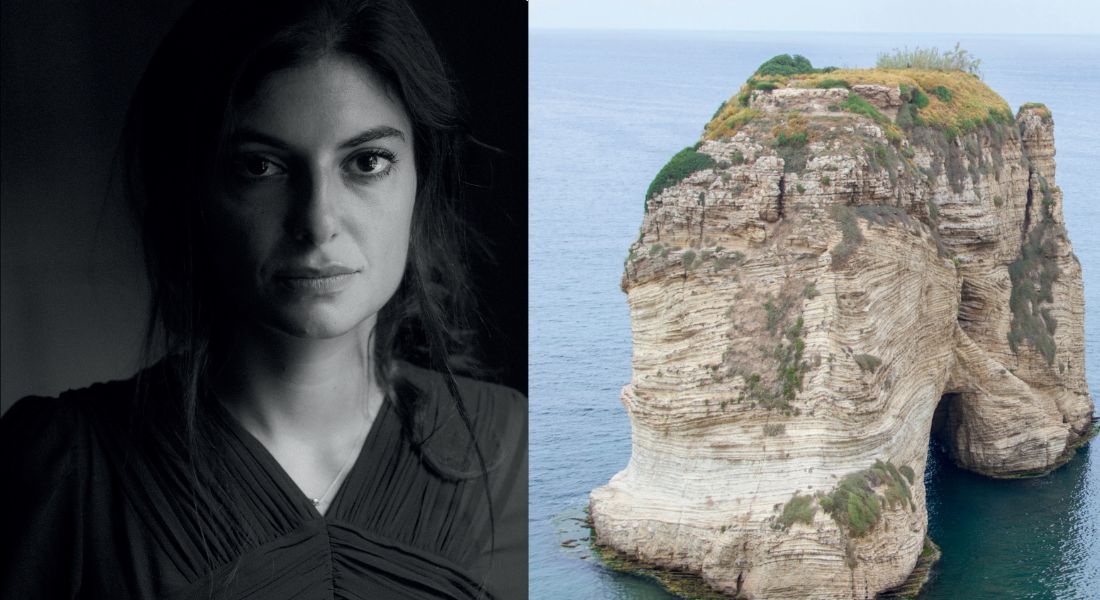
Different perspectives broaden the horizon – we ask women who bring their lives and their homelands closer to us
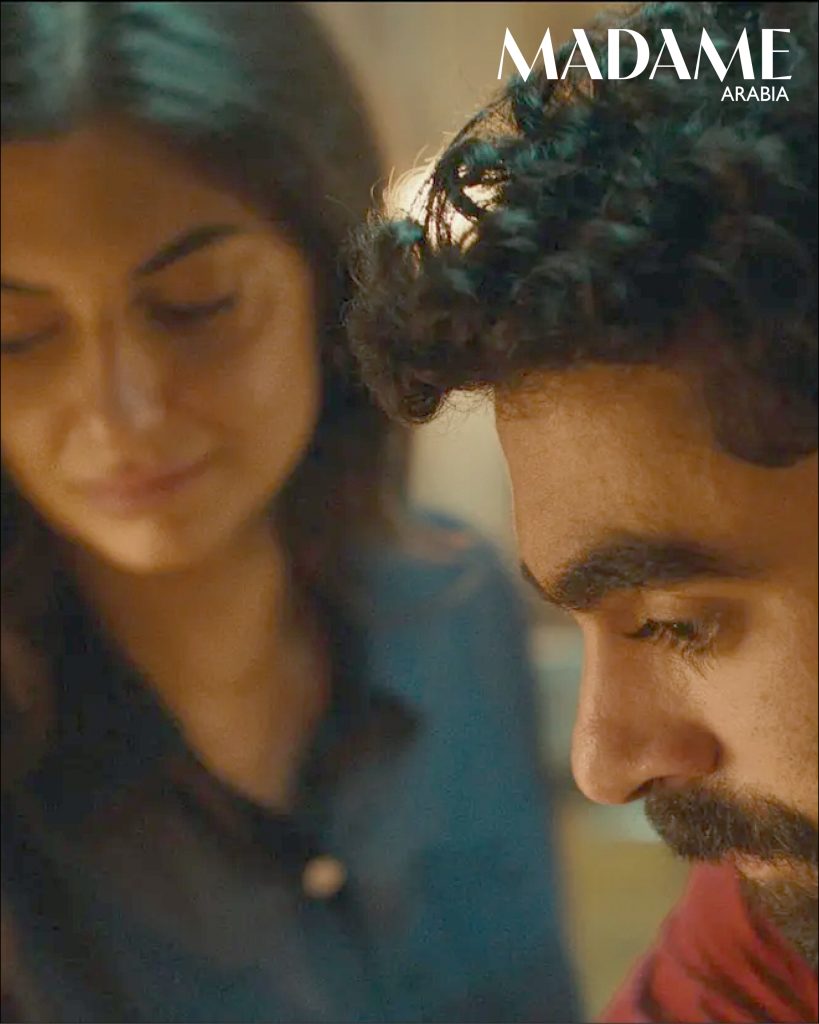
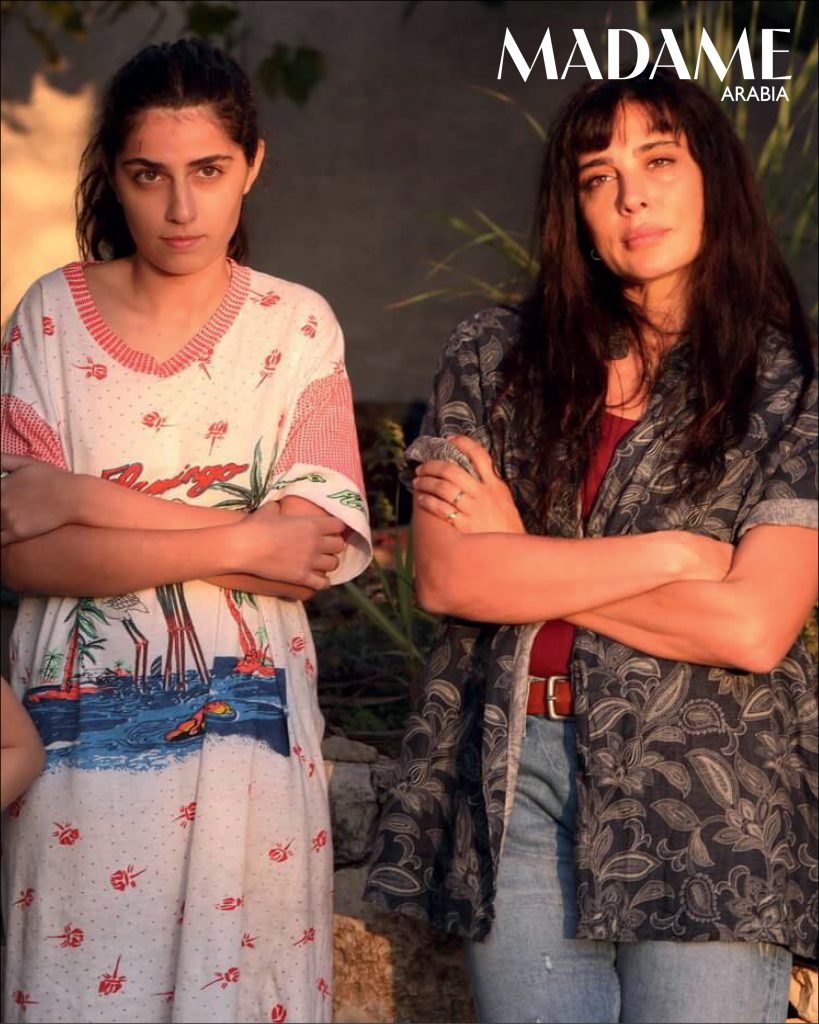
The romantic drama A Sad and Beautiful World by Cyril Aris tells the story of the love between two people in Lebanon and asks whether it is possible to find happiness despite the tragic events that have plagued the country for years. The leading role is played by Mounia Akl, actually not an actress, but a young, internationally renowned director who runs entire Netflix series. Why she nevertheless lends her face to this idiosyncratic, tender film happened for the best reason of all: out of love.
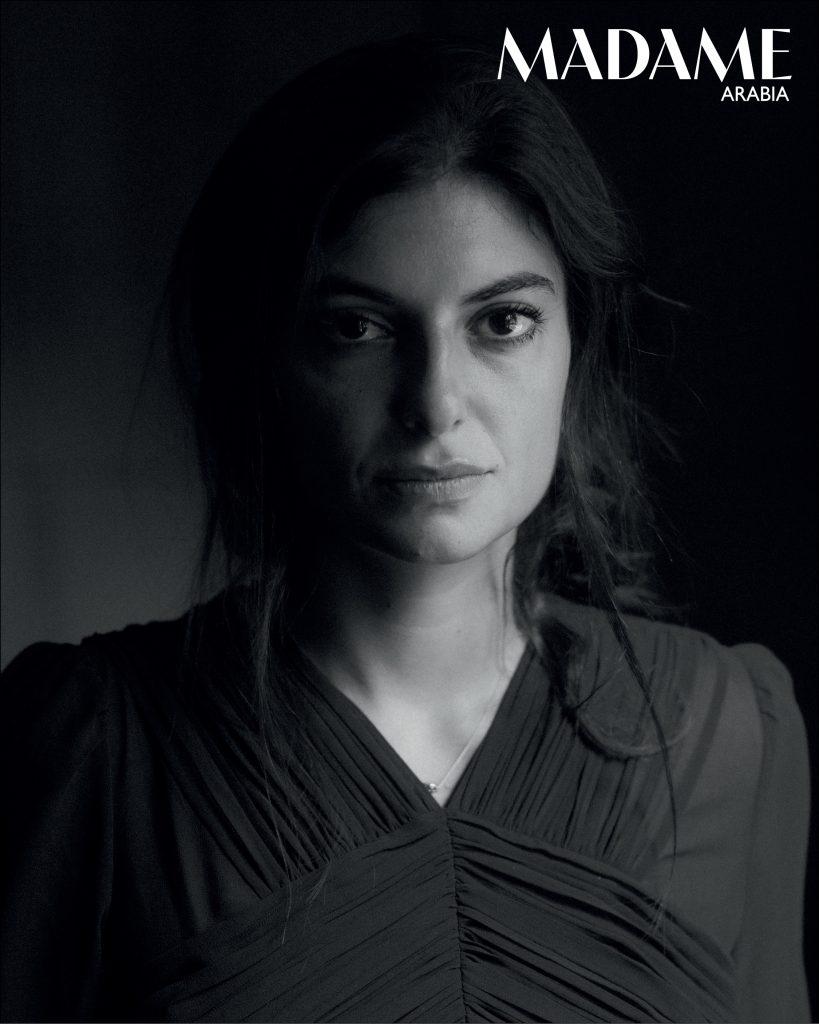
Mounia, what does your name mean?
“Mounia” means heartfelt wish, and “Akl” means mind or reason. My mother was pregnant in the middle of the civil war and suffered bleeding. So it was a miracle for my parents when the doctor told them I was still alive. From that day on, my name was decided.
Seeing you act in award-winning films like A Sad and Beautiful World is the exception. Normally, you give directing instructions, shoot TV series around the world, and have already adapted your own script with Costa Brava, Lebanon. How did you manage all that?
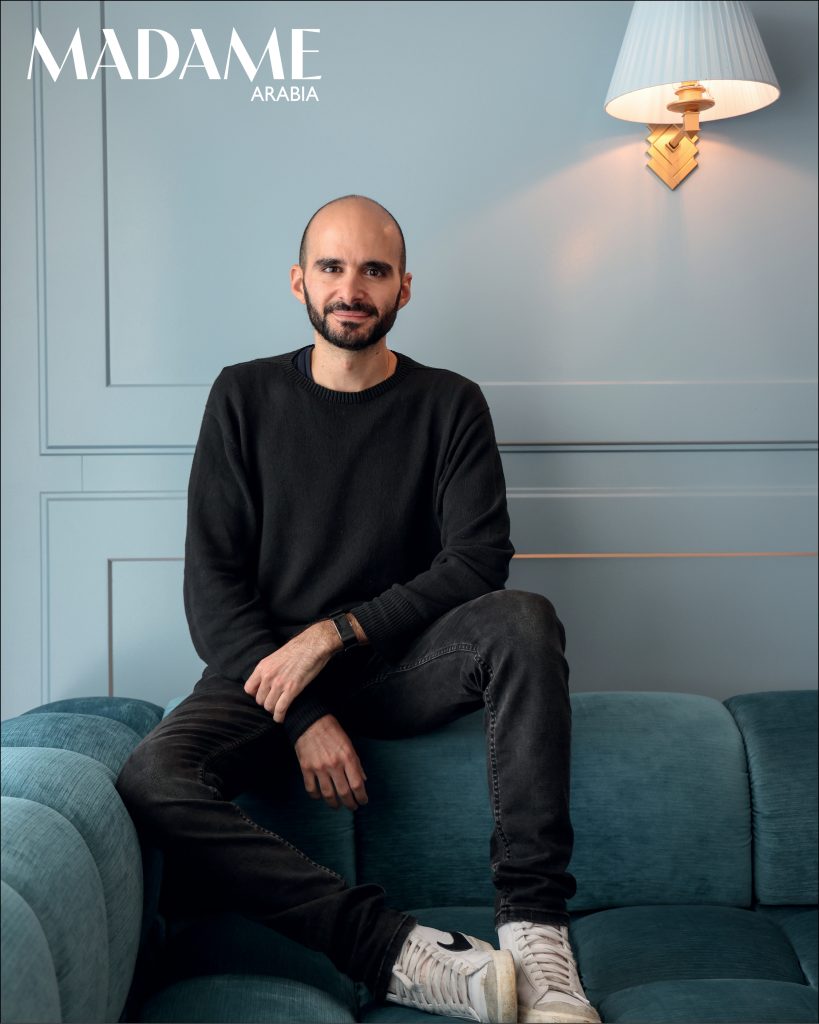
I left my directing comfort zone for the film of my best friend Cyril Aris; he is my soulmate, I would do anything for him. The experience was actually good for me: my first film went straight to Venice, now I’m writing my second, and I’ve been directing series for two years, House of Guinness is currently on Netflix, and since autumn I’ve been shooting a series for A24. Not sitting in the director’s chair for once, not solving problems on set but focusing only on my emotions, that was a relief.
What was your childhood like?
Full of stories! I loved cinema even as a child; at home we were always gathered around a book or a film. But becoming a director in a country without a film infrastructure was a risk. So I studied architecture, while doing theater on the side. During a performance I met Cyril, who was also frustrated and wanted to study directing. For fun, we shot a short film, and our biggest TV network turned it into a series. During the week I attended lectures, on weekends I filmed. On the day we received our diplomas, Cyril and I flew to New York to study film at Columbia. My graduation film Submarine went to Cannes and Toronto and opened doors for me.
You were born in 1989, at the end of the civil war. Did politics influence your youth?
The country keeps falling down and getting back up. We are always in a crisis or in the time between two crises. That’s why we live so intensely and passionately: because we fear that the moment won’t last. I love my country deeply. It is full of people with huge hearts, it has beautiful landscapes and a rich culture. We love good food, company, and celebrating life, even when things are very hard. That is something special. Wherever I am, I miss Lebanon. My childhood fell into a time of peace; I spent the most beautiful time in my grandfather’s garden, loved school, and felt protected. My mother often said: “You came into the world, and the war stopped.” For me, life and politics were connected. Later it turned out that my childhood was a phase between two crises.
What was the most defining moment of your life?
The explosion on August 4, 2020, in the port of Beirut. I was very close by at the time, with the crew of my film Costa Brava, Lebanon. We barely survived. The explosion violently brought all the trauma to the surface, everything I had previously heard about my parents’ war experiences. To survive, to fight fear, humour becomes a necessity. It is hard to plan for the future there. Love, too, is a privilege, especially when it gives you a feeling of safety. The country has great potential, and great darkness. We resist this darkness through art, through joy, through celebration, through struggle.
What do you miss when you are in London?
The spontaneity that comes only from people who know how precious the present moment is. The talent to create magical moments out of nothing. I miss the special warmth of the people, even their outbursts of anger.
What do you love about Lebanon’s landscape?
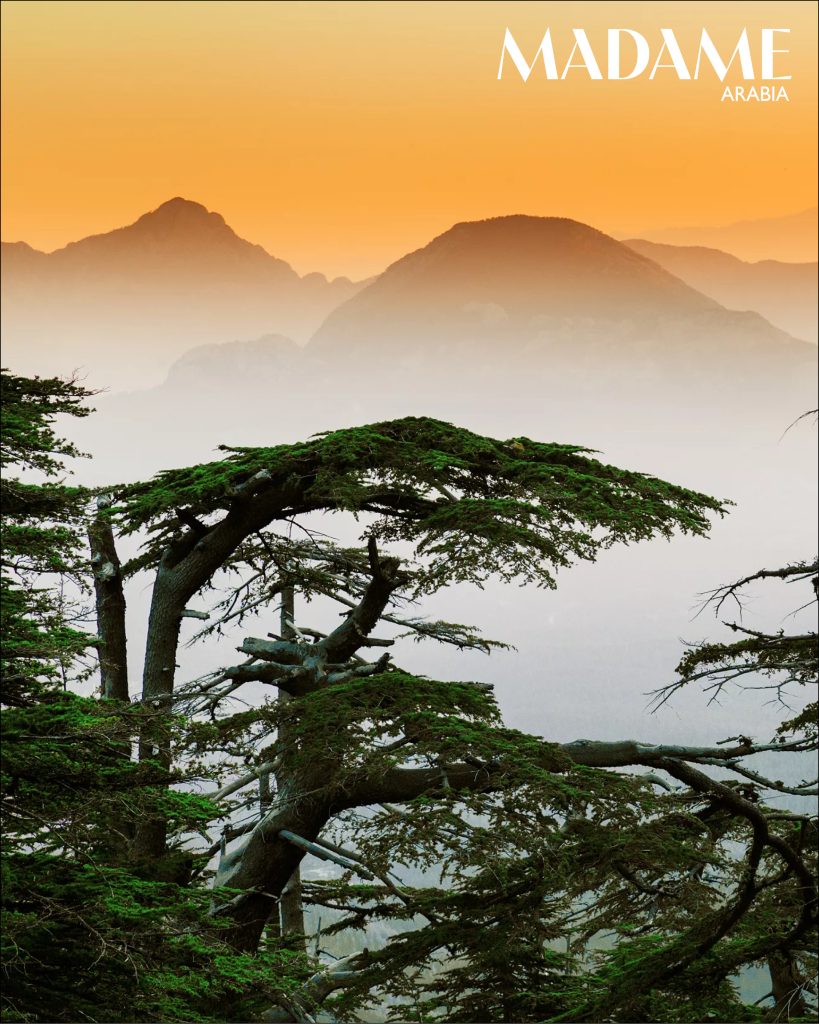
The country is small but diverse; you can experience very different landscapes in a short time. If you’re sweating in Beirut, you can be swimming in the Mediterranean within 20 minutes. If your grandfather calls you from the beach saying he misses you, you can quickly be up in the mountains, among pines and cedars. I feel deeply connected to Lebanon. We all have a toxic, almost obsessive relationship with our country.
Which role models did you grow up with?
Stubborn women! I was shaped by my grandmother, who lost her husband early and raised four children on her own. I was surrounded by women who defied all resistance, patriarchy, and wars, and continued to build their world undeterred. And they were witty, sarcastic, and met anyone who stood in their way with a heartfelt “fuck you!” They accepted no no’s and no boundaries. I learned from them to be stubborn, to swim against the current, and to enjoy it.
Which work of art changed your life?
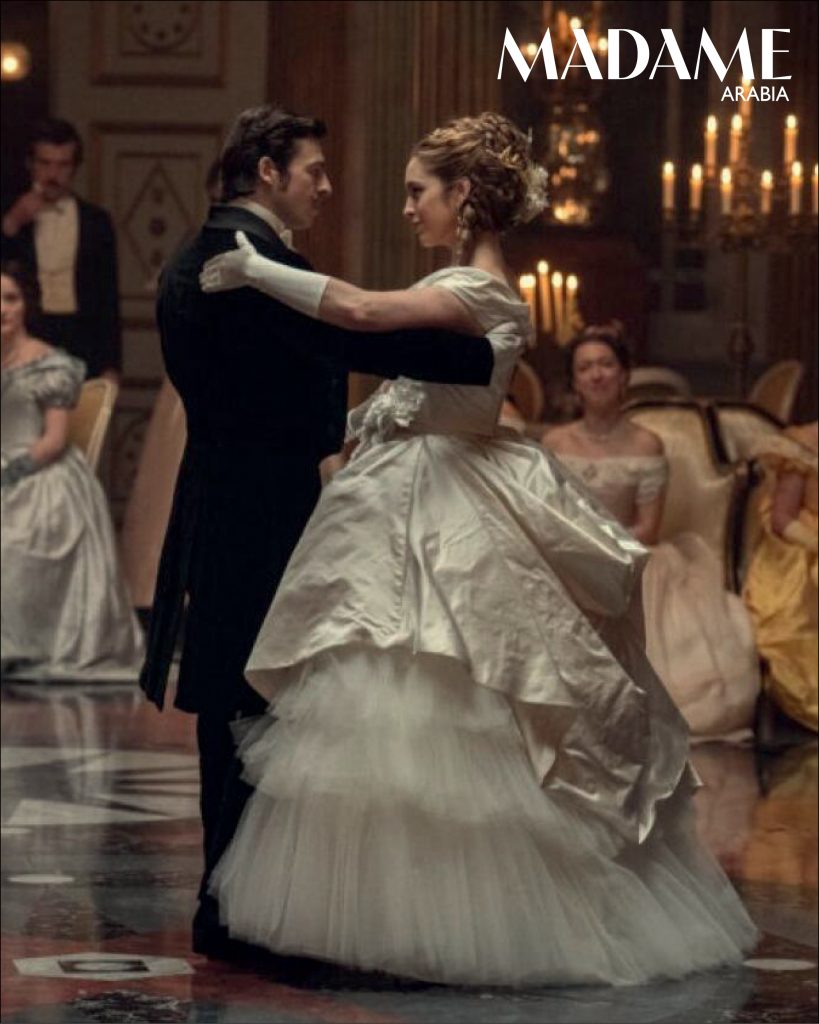
I love the cinema of director Maroun Baghdadi. His films are unmatched. And the ancient legends and stories that were told to me in our village.
What helps you when you feel homesick?
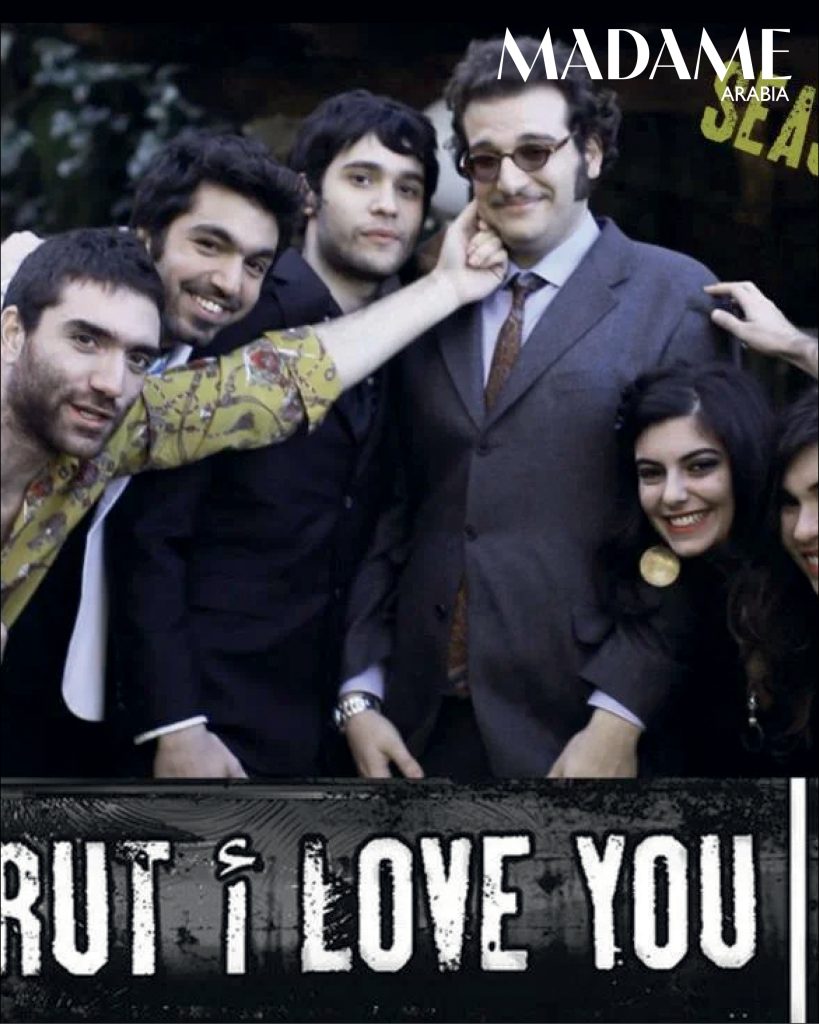
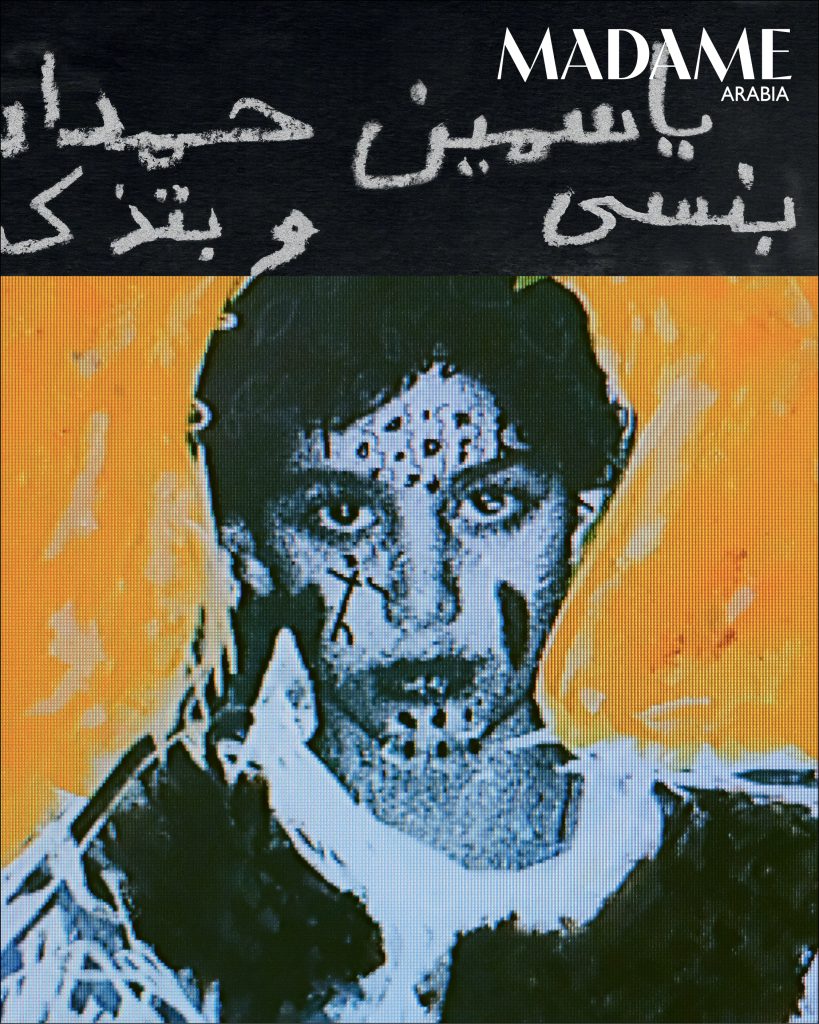
The Oriental jazz of Ziad Rahbani and the songs of his mother Fayrouz, she is a national treasure. Her music eases the pain of homesickness. Ziad’s lyrics are full of satire. I also love the electro-pop band Soap Kills; Zeid and Yasmine Hamdan became, for me, the voice of an underground generation.
Which visual artists move you the most?
Besides Georgia O’Keeffe, I love the work of the artist duo Joana Hadjithomas and Khalil Joreige, because they always weave a historical dimension into their art, and the complexity of time shapes their images.
Are there places that are especially dear to you?
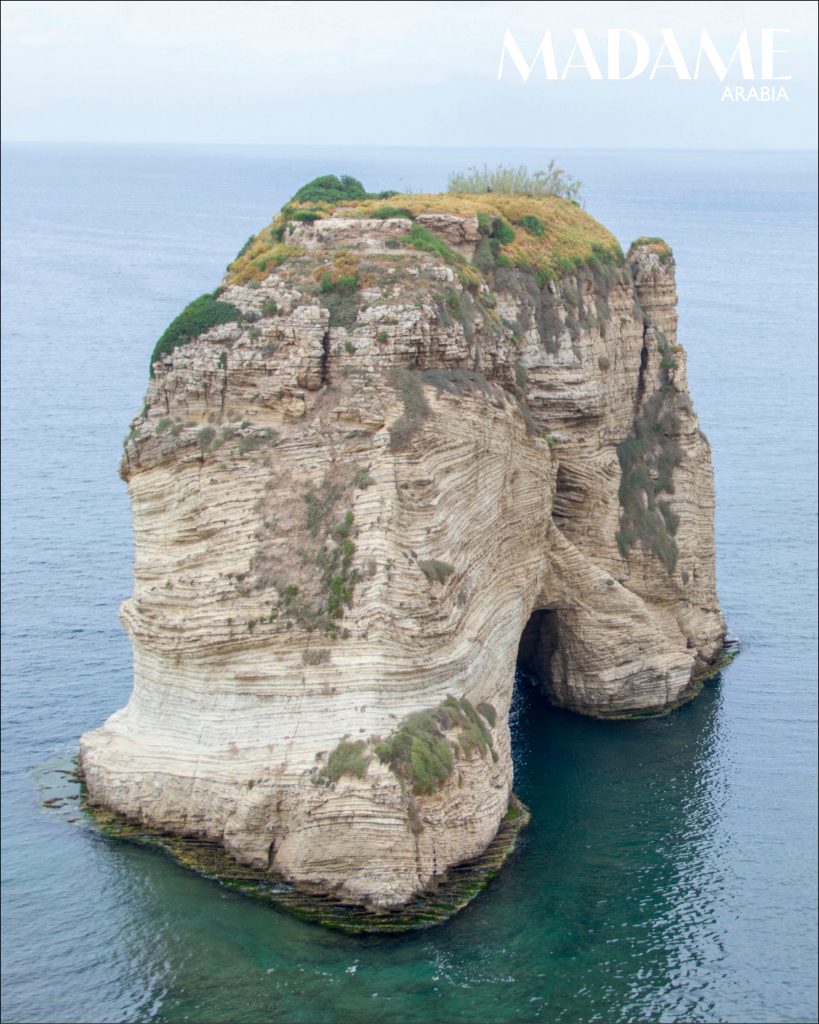
My grandfather’s house, whose walls carry memories, which has witnessed so much history and is the epitome of my Lebanon. And the Mediterranean, which defines our country; in Beirut, of course, the Corniche, the legendary coastal road. Seeing the mountains in the distance from the sea, that is my image of home.
Lebanese cuisine is famous; do you cook yourself?
I love cooking and experimenting, but I would never dare to prepare what my mother and grandmother cook. Traditional dishes and classic stews are too sacred to me, like kibbeh labaniyye, meatballs with coriander, rice, mint, and yogurt. But I inherited my grandmother’s cookbook, so I’ll probably try it soon.
What is the most beautiful word in Lebanese Arabic for you?
An expression of the greatest love, usually used by parents toward their children: to’obrineh. It means something like, “May you bury me; may I never experience your death.” And of course hayati, what we say to those we love: “my life.” With us, everything has to be oversized, tragic,
and romantic.he romantic drama A Sad and Beautiful World by Cyril Aris tells the story of the love between two people in Lebanon and asks whether it is possible to find happiness despite the tragic events that have plagued the country for years. The leading role is played by Mounia Akl, actually not an actress, but a young, internationally renowned director who runs entire Netflix series. Why she nevertheless lends her face to this idiosyncratic, tender film happened for the best reason of all: out of love.
Mounia, what does your name mean?
“Mounia” means heartfelt wish, and “Akl” means mind or reason. My mother was pregnant in the middle of the civil war and suffered bleeding. So it was a miracle for my parents when the doctor told them I was still alive. From that day on, my name was decided.
Seeing you act in award-winning films like A Sad and Beautiful World is the exception. Normally, you give directing instructions, shoot TV series around the world, and have already adapted your own script with Costa Brava, Lebanon. How did you manage all that?
I left my directing comfort zone for the film of my best friend Cyril Aris; he is my soulmate, I would do anything for him. The experience was actually good for me: my first film went straight to Venice, now I’m writing my second, and I’ve been directing series for two years, House of Guinness is currently on Netflix, and since autumn I’ve been shooting a series for A24. Not sitting in the director’s chair for once, not solving problems on set but focusing only on my emotions, that was a relief.
What was your childhood like?
Full of stories! I loved cinema even as a child; at home we were always gathered around a book or a film. But becoming a director in a country without a film infrastructure was a risk. So I studied architecture, while doing theater on the side. During a performance I met Cyril, who was also frustrated and wanted to study directing. For fun, we shot a short film, and our biggest TV network turned it into a series. During the week I attended lectures, on weekends I filmed. On the day we received our diplomas, Cyril and I flew to New York to study film at Columbia. My graduation film Submarine went to Cannes and Toronto and opened doors for me.
You were born in 1989, at the end of the civil war. Did politics influence your youth?
The country keeps falling down and getting back up. We are always in a crisis or in the time between two crises. That’s why we live so intensely and passionately: because we fear that the moment won’t last. I love my country deeply. It is full of people with huge hearts; it has beautiful landscapes and a rich culture. We love good food, company, and celebrating life, even when things are very hard. That is something special. Wherever I am, I miss Lebanon. My childhood fell into a time of peace; I spent the most beautiful time in my grandfather’s garden, loved school, and felt protected. My mother often said: “You came into the world, and the war stopped.” For me, life and politics were connected. Later it turned out that my childhood was a phase between two crises.
What was the most defining moment of your life?
The explosion on August 4, 2020, in the port of Beirut. I was very close by at the time, with the crew of my film Costa Brava, Lebanon. We barely survived. The explosion violently brought all the trauma to the surface, everything I had previously heard about my parents’ war experiences. To survive, to fight fear, humour becomes a necessity. It is hard to plan for the future there. Love, too, is a privilege, especially when it gives you a feeling of safety. The country has great potential, and great darkness. We resist this darkness through art, through joy, through celebration, through struggle.
What do you miss when you are in London?
The spontaneity that comes only from people who know how precious the present moment is. The talent to create magical moments out of nothing. I miss the special warmth of the people, even their outbursts of anger.
their twenties
What do you love about Lebanon’s landscape?
The country is small but diverse; you can experience very different landscapes in a short time. If you’re sweating in Beirut, you can be swimming in the Mediterranean within 20 minutes. If your grandfather calls you from the beach saying he misses you, you can quickly be up in the mountains, among pines and cedars. I feel deeply connected to Lebanon. We all have a toxic, almost obsessive relationship with our country.
Which role models did you grow up with?
Stubborn women! I was shaped by my grandmother, who lost her husband early and raised four children on her own. I was surrounded by women who defied all resistance, patriarchy, and wars, and continued to build their world undeterred. And they were witty, sarcastic, and met anyone who stood in their way with a heartfelt “fuck you!” They accepted no no’s and no boundaries. I learned from them to be stubborn, to swim against the current, and to enjoy it.
Which work of art changed your life?
I love the cinema of director Maroun Baghdadi. His films are unmatched. And the ancient legends and stories that were told to me in our village.
What helps you when you feel homesick?
The Oriental jazz of Ziad Rahbani and the songs of his mother Fayrouz, she is a national treasure. Her music eases the pain of homesickness. Ziad’s lyrics are full of satire. I also love the electro-pop band Soap Kills; Zeid and Yasmine Hamdan became, for me, the voice of an underground generation.
Which visual artists move you the most?
Besides Georgia O’Keeffe, I love the work of the artist duo Joana Hadjithomas and Khalil Joreige, because they always weave a historical dimension into their art, and the complexity of time shapes their images.
Are there places that are especially dear to you?
My grandfather’s house, whose walls carry memories, which has witnessed so much history and is the epitome of my Lebanon. And the Mediterranean, which defines our country, in Beirut, of course, the Corniche, the legendary coastal road. Seeing the mountains in the distance from the sea, that is my image of home.
Lebanese cuisine is famous; do you cook yourself?
I love cooking and experimenting, but I would never dare to prepare what my mother and grandmother cook. Traditional dishes and classic stews are too sacred to me, like kibbeh labaniyye, meatballs with coriander, rice, mint, and yogurt. But I inherited my grandmother’s cookbook, so I’ll probably try it soon.
What is the most beautiful word in Lebanese Arabic for you?
An expression of the greatest love, usually used by parents toward their children: to’obrineh. It means something like, “May you bury me; may I never experience your death.” And of course, hayati, what we say to those we love: “my life.” With us, everything has to be oversized, tragic, and romantic.
Follow Us

The Latest
-

Wellness
The science behind peptide injections
All the risks behind the so-called miracle treatments
-

Travel
Detox hotels to book for your next getaway
Check in, to check out at these beautiful resorts
-

Travel
Discovering Singapore’s green allure
Exotic, diverse, lush. The garden city of Singapore nurtures culture, fine dining, and an environmentally oriented plan for the future
-
Travel
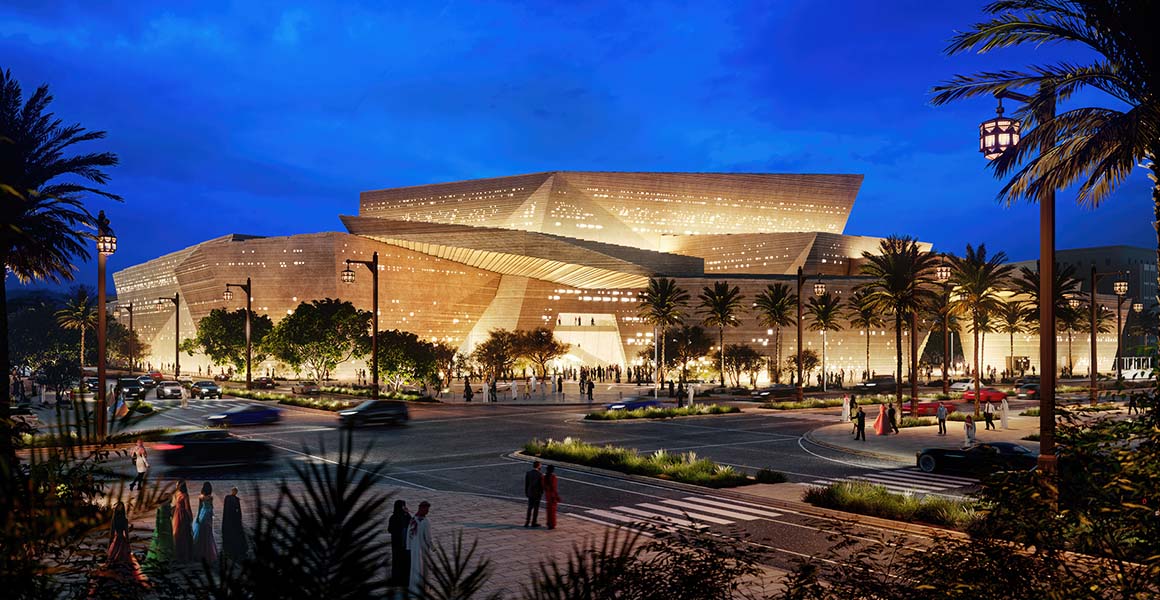
Inside The Royal Diriyah Opera House in Riyadh
Saudi Arabia’s first dedicated opera house opening soon
Subscribe to our newsletter and receive a selection of cool articles every weeks
You can unsubscribe at any time. To find out more, please visit our privacy policy.