

The Evolution of Celebration
Junaynah El Guthmy
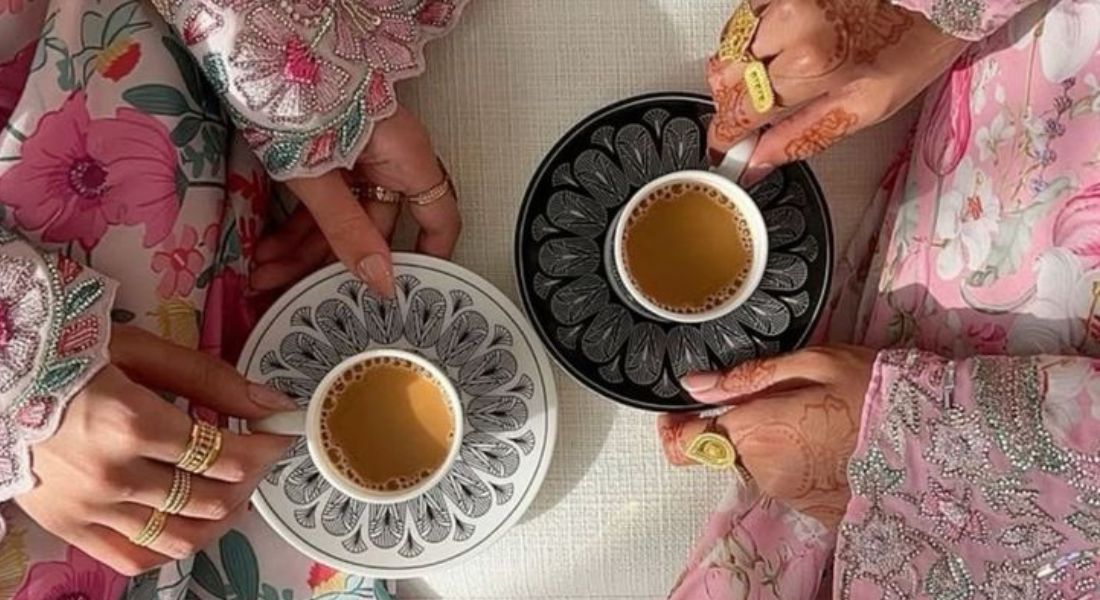
There is a tendency to mark time through change, to measure the present against what came before and locate difference as progress. In the case of Eid, this approach reveals only part of the story.
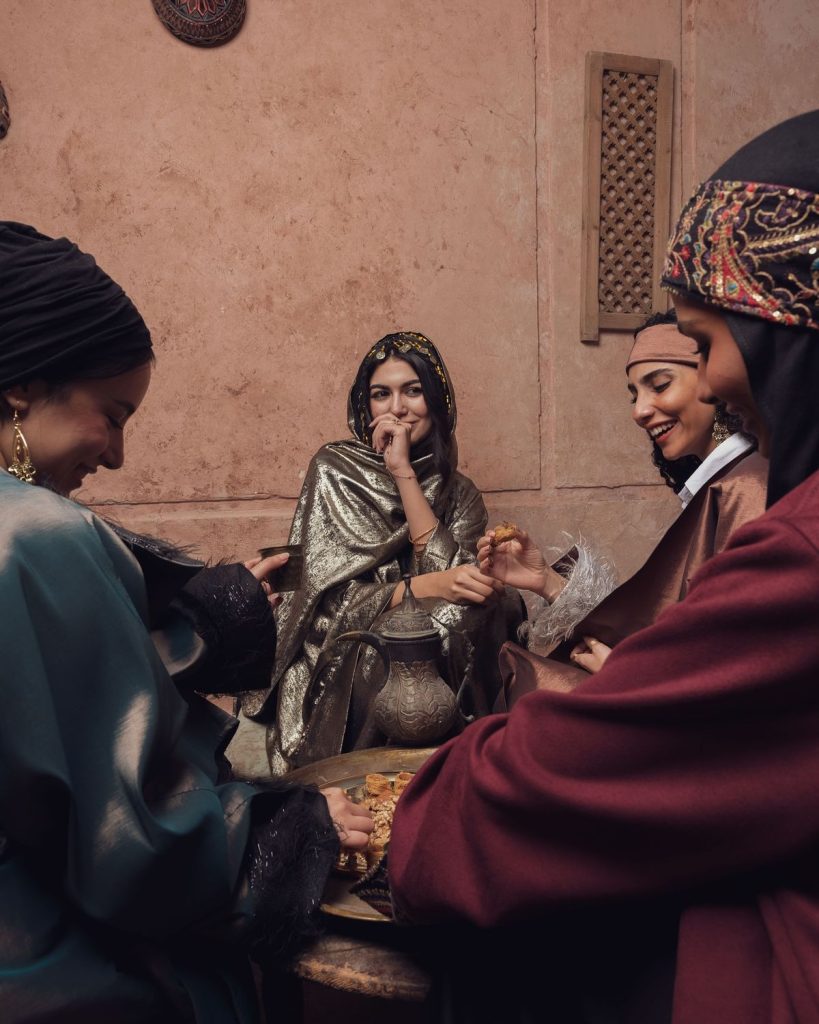
What has changed is visible. The scale of gatherings, the settings in which they take place, the ways in which celebration is shared and documented. Homes extend into restaurants, into curated spaces, into environments designed to host. Invitations are sent digitally. Moments are captured and circulated. The celebration moves outward, becoming more expansive in form.
Dress reflects this shift. While tradition remains present, it is no longer singular. Garments move between references, combining heritage with contemporary design. The intention behind dressing, however, remains consistent. It is still an act of preparation, of marking the day as distinct.
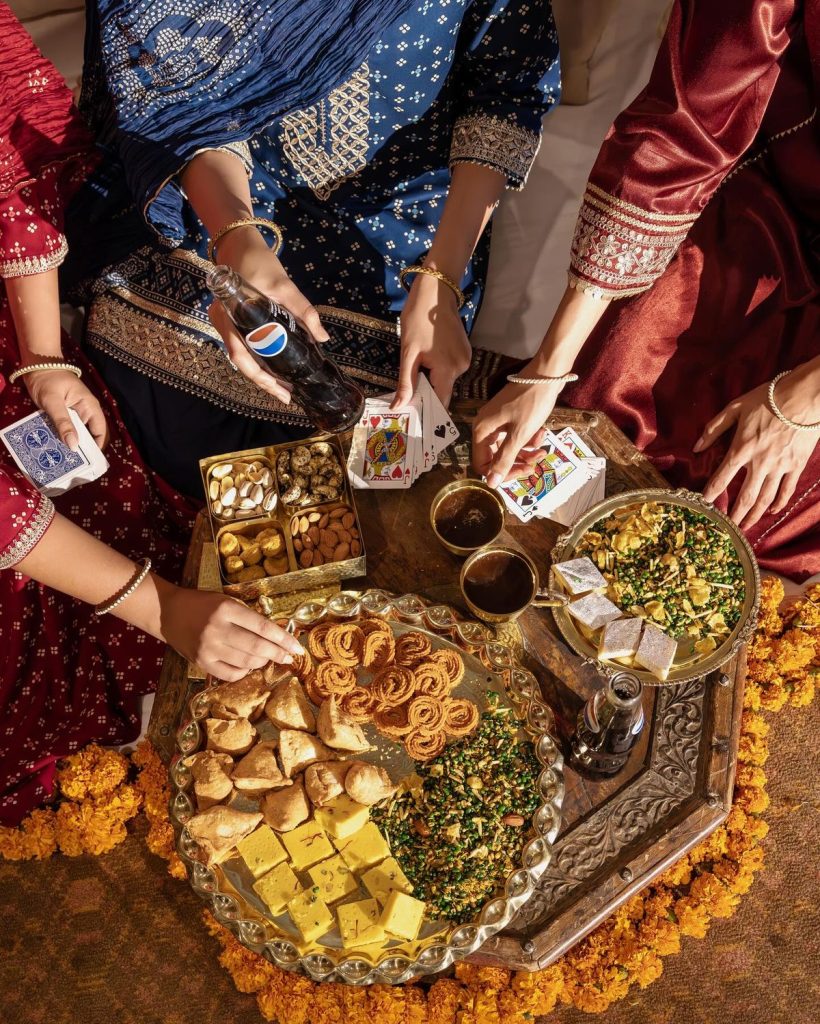
What has not changed is less immediately visible, but more defining.
Eid continues to center around gathering. The act of coming together, of moving from one home to another, of greeting each person individually, remains intact. The gestures are familiar. The exchange of Eidiya. The preparation of sweets. The rhythm of visiting and being received.
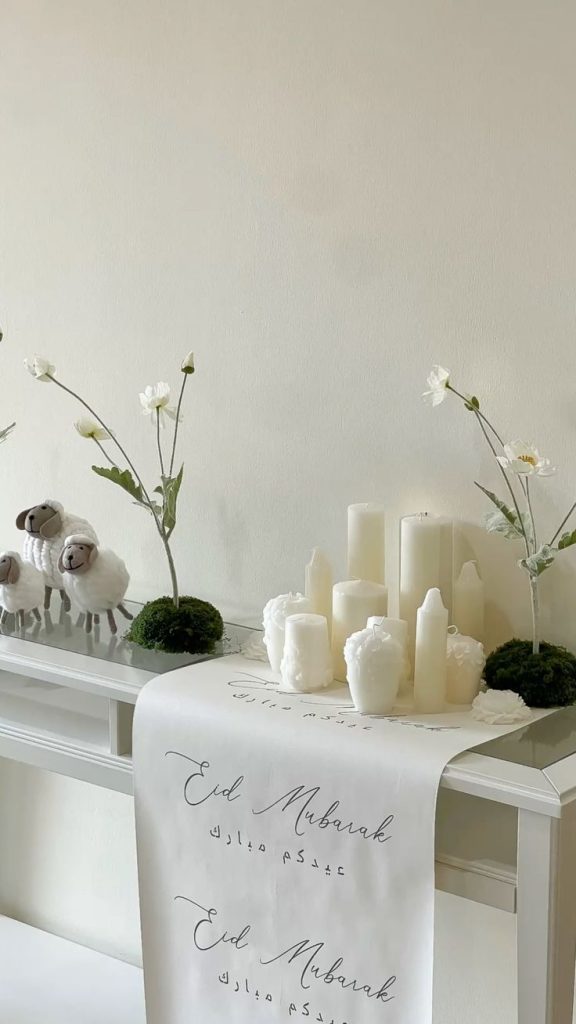
These moments are not preserved out of obligation, but because they continue to hold meaning. They structure the day in a way that feels both repeated and new.
There is also a continuity in atmosphere. Eid carries a distinct emotional register, one shaped by reflection and celebration existing simultaneously. The transition from stillness to movement, from prayer to gathering, remains central.
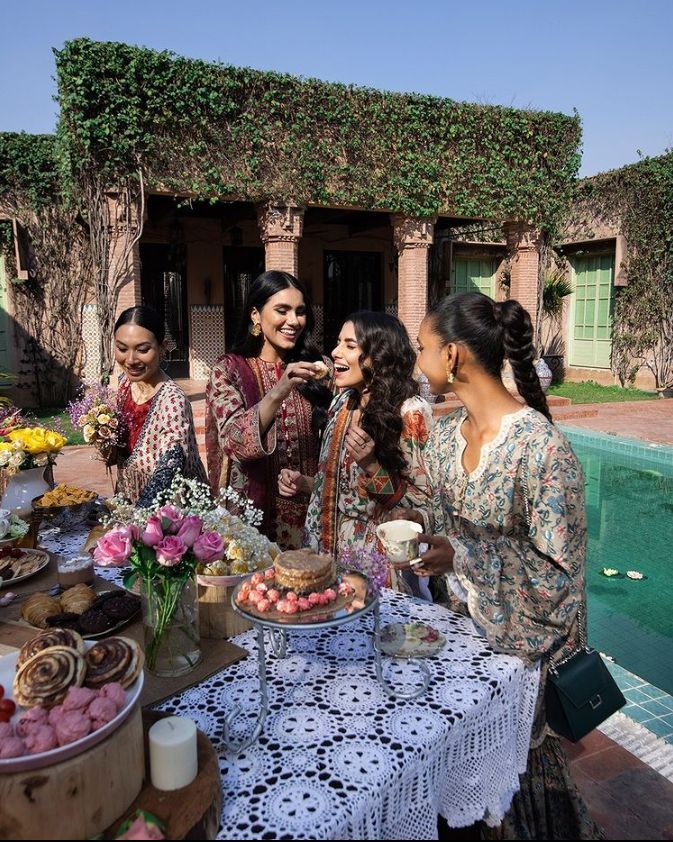
The evolution of Eid, then, is not defined by replacement, but by expansion. New elements are introduced without displacing the existing structure. The celebration adapts to contemporary life while maintaining its core.
It continues to be marked by intention. By preparation. By presence.
What changes is the form.
What remains is the meaning.
Follow Us

The Latest
-

Wellness
The science behind peptide injections
All the risks behind the so-called miracle treatments
-

Travel
Detox hotels to book for your next getaway
Check in, to check out at these beautiful resorts
-

Travel
Discovering Singapore’s green allure
Exotic, diverse, lush. The garden city of Singapore nurtures culture, fine dining, and an environmentally oriented plan for the future
-
Travel
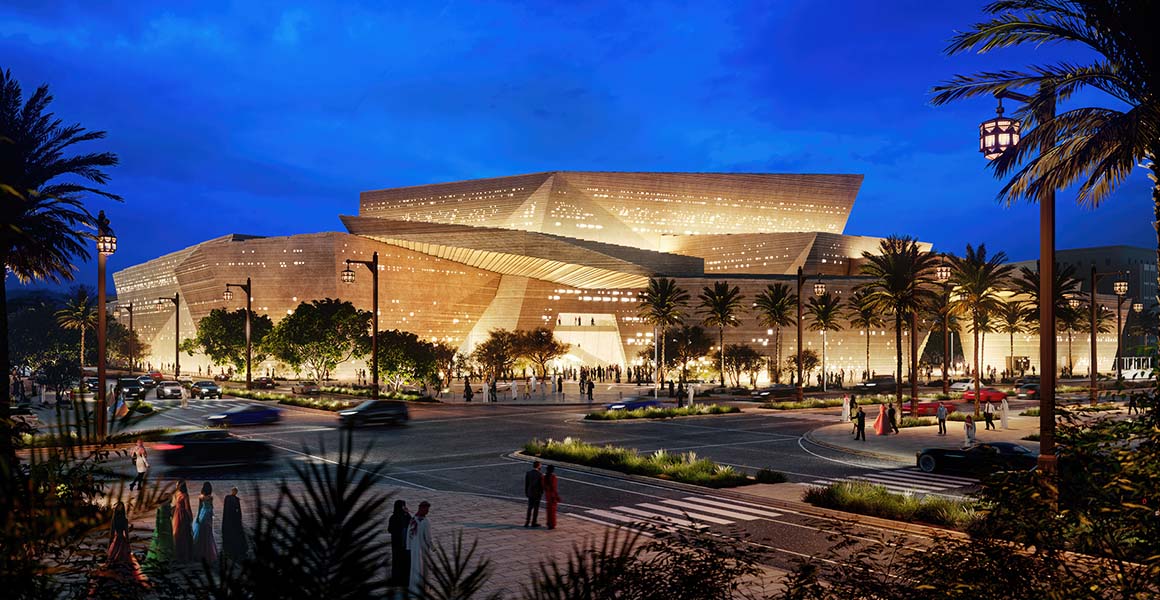
Inside The Royal Diriyah Opera House in Riyadh
Saudi Arabia’s first dedicated opera house opening soon
Subscribe to our newsletter and receive a selection of cool articles every weeks
You can unsubscribe at any time. To find out more, please visit our privacy policy.