

Raising Strong Minds: A Conversation with Dr Sarah Rasmi on Family Wellbeing and Emotional Balance
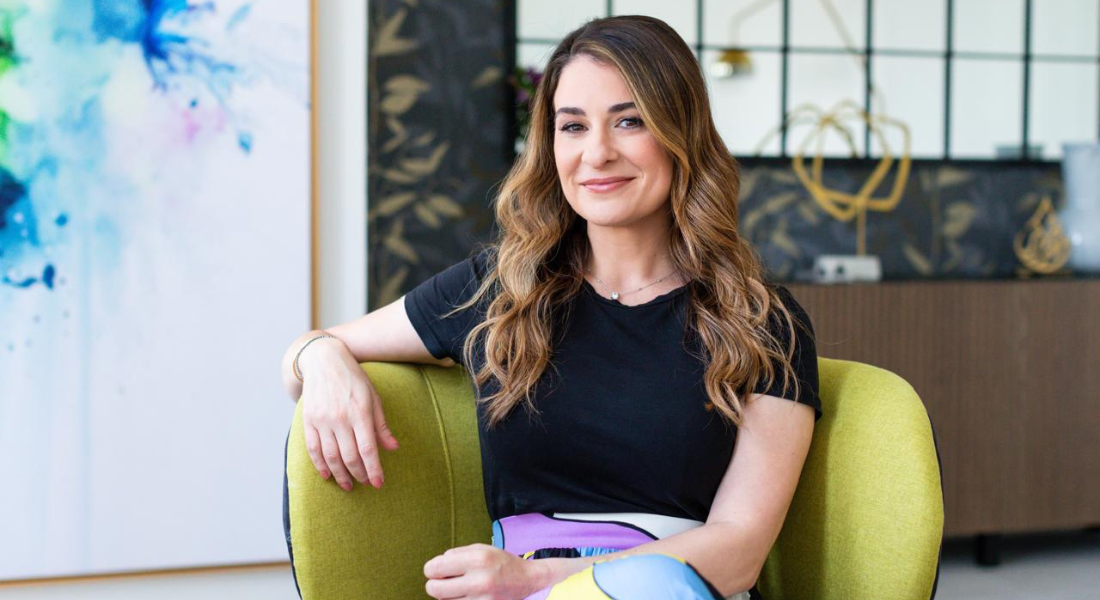
In a time where families are navigating emotional, social, and digital pressures, understanding how to support children’s mental wellbeing with Dr Sarah Rasmi
In this conversation with Dr Sarah Rasmi Psychologist and owner of Thrive Wellbeing Centre, she shares her insights on how parents can approach difficult topics with honesty and care, build daily habits that strengthen emotional balance, and recognise early signs of distress in children and teenagers. Drawing on her work in the UAE, she also reflects on the role of culture, community, and connection in fostering resilience within families.
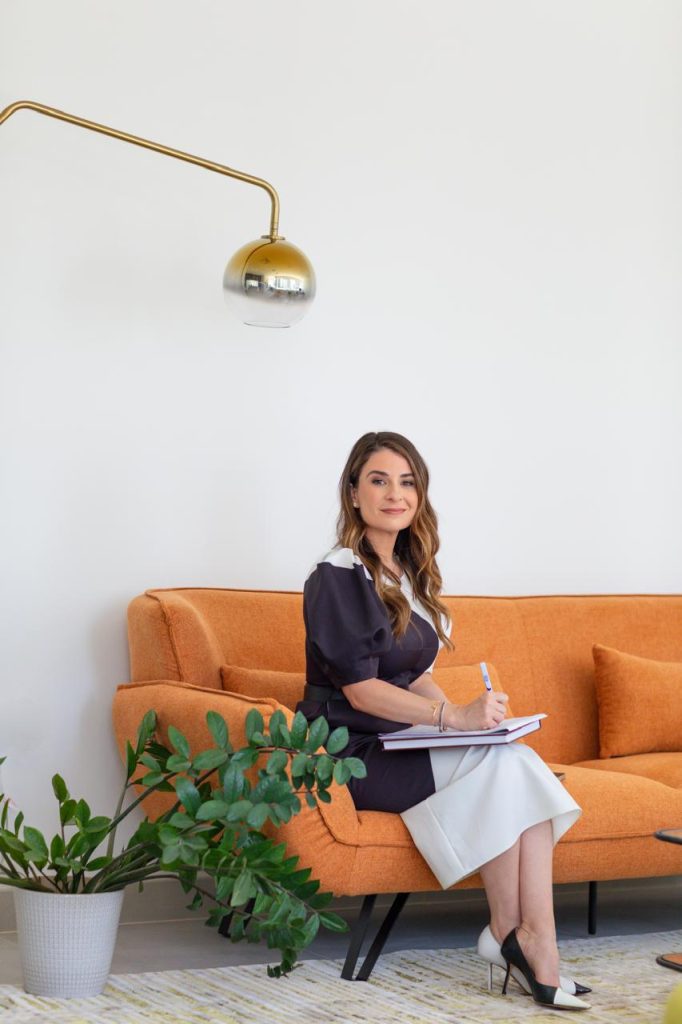
Children often absorb more than we realize. How can parents talk to their kids about difficult events in a way that is honest yet age-appropriate and reassuring?
Children are incredibly perceptive. They often sense when something is "off" long before we explain it to them, and when we avoid the conversation entirely, they tend to fill in the gaps themselves. Their interpretations are often far more frightening than the reality. The aim isn't to share full detail but to offer clear, contained information. Start by asking what they've already heard. That helps you meet them where they are. From there, keep things simple and factual without overwhelming detail. Reassurance works best when it stays grounded. Something like "there are many people working to keep everyone safe" lands better than absolute guarantees we can't actually make.
From your work at Thrive Wellbeing Centre, what are some practical daily rituals or habits families can adopt to maintain emotional balance during stressful periods?
The basics matter more than people often think. Eating well, moving regularly, and getting proper sleep are the foundation of emotional balance, and they're easy to overlook when life feels stressful. The UAE makes this genuinely accessible, with beaches, parks, and outdoor spaces available to families across the country. Even a short walk somewhere green can shift the nervous system out of a tense space and into a more settled one. Social support is just as important. Families who stay connected to friends, extended family, and their wider community tend to weather difficult periods more easily. Small daily rituals help anchor this too... shared meals with phones away, consistent sleep and wake times, brief check-ins about how someone's day really was. These don't need to be elaborate. What matters most is that they're consistent and shared.
How can parents manage their own anxiety or distress without unintentionally passing it on to their children? Are there techniques you recommend for emotional regulation within the family unit?
Parents don't need to eliminate their anxiety, which isn't realistic anyway. What matters more is how that anxiety shows up in the family environment.
Children are generally less affected by the presence of emotion and more by how intense or unpredictable it feels. When parents acknowledge and manage their feelings with some awareness, those emotions become much less overwhelming for a child to be around. It helps to create a small pause between what you feel and how you respond. Grounding practices support this... slowing the breath, stepping outside for a few minutes, briefly tuning into your senses.
None of this needs to be complex. Consistency tends to matter more than technique. Over time, children absorb how we regulate, and what we model, even imperfectly, often becomes their blueprint.
In a fast-paced region like the UAE, where families juggle multiple pressures, what are the key signs that a child or teen may be struggling mentally, and when should parents seek professional Support?
Children don't always verbalize distress directly, so we often look for changes in behavior instead. Withdrawal from activities they once enjoyed, shifts in mood, changes in sleep or appetite, increased irritability, or difficulty concentrating can all be signals.
In younger children, regression sometimes shows up too, like increased clinginess or changes in sleep and toileting patterns. It helps to look at intensity and duration, not just the behavior itself. Some changes are expected during stressful periods. When patterns persist or start to interfere with daily life, that's usually when extra support becomes useful.
One of the things I appreciate about practicing in the UAE is how seriously mental health is being prioritized at a national level, with real investment in services and a meaningful shift in how openly families can access support. Reaching out to a professional doesn't have to be a last resort. It can also be a proactive way to better understand both the child and the wider family.
What role does cultural identity and community play in strengthening family resilience, and how can families lean into these elements to support their mental wellbeing during challenging Times?
Cultural identity and community are deeply protective when it comes to mental wellbeing. They offer a sense of belonging, continuity, and shared meaning, all of which become especially important during uncertain times.
The UAE is a really unique environment for this. It's a country that genuinely celebrates cultural diversity while offering its own deep traditions of family, hospitality, and community. For families living away from their countries of origin, maintaining cultural practices can be grounding.
Language, food, traditions, religious practices... small but meaningful ways of staying connected to who you are. At the same time, the UAE makes space for those identities to coexist and flourish, which is something quite rare globally. Community matters in the same way. Extended family, friendships, local networks. Feeling connected to others reduces isolation and builds resilience. Ultimately, resilience isn't only an individual trait. It's something we build through relationships, culture, and shared experience.
Follow Us

The Latest
-

Wellness
The science behind peptide injections
All the risks behind the so-called miracle treatments
-

Travel
Detox hotels to book for your next getaway
Check in, to check out at these beautiful resorts
-

Travel
Discovering Singapore’s green allure
Exotic, diverse, lush. The garden city of Singapore nurtures culture, fine dining, and an environmentally oriented plan for the future
-

Travel
Inside The Royal Diriyah Opera House in Riyadh
Saudi Arabia’s first dedicated opera house opening soon
Subscribe to our newsletter and receive a selection of cool articles every weeks
You can unsubscribe at any time. To find out more, please visit our privacy policy.