

Meet Madame: Talin Hazbar
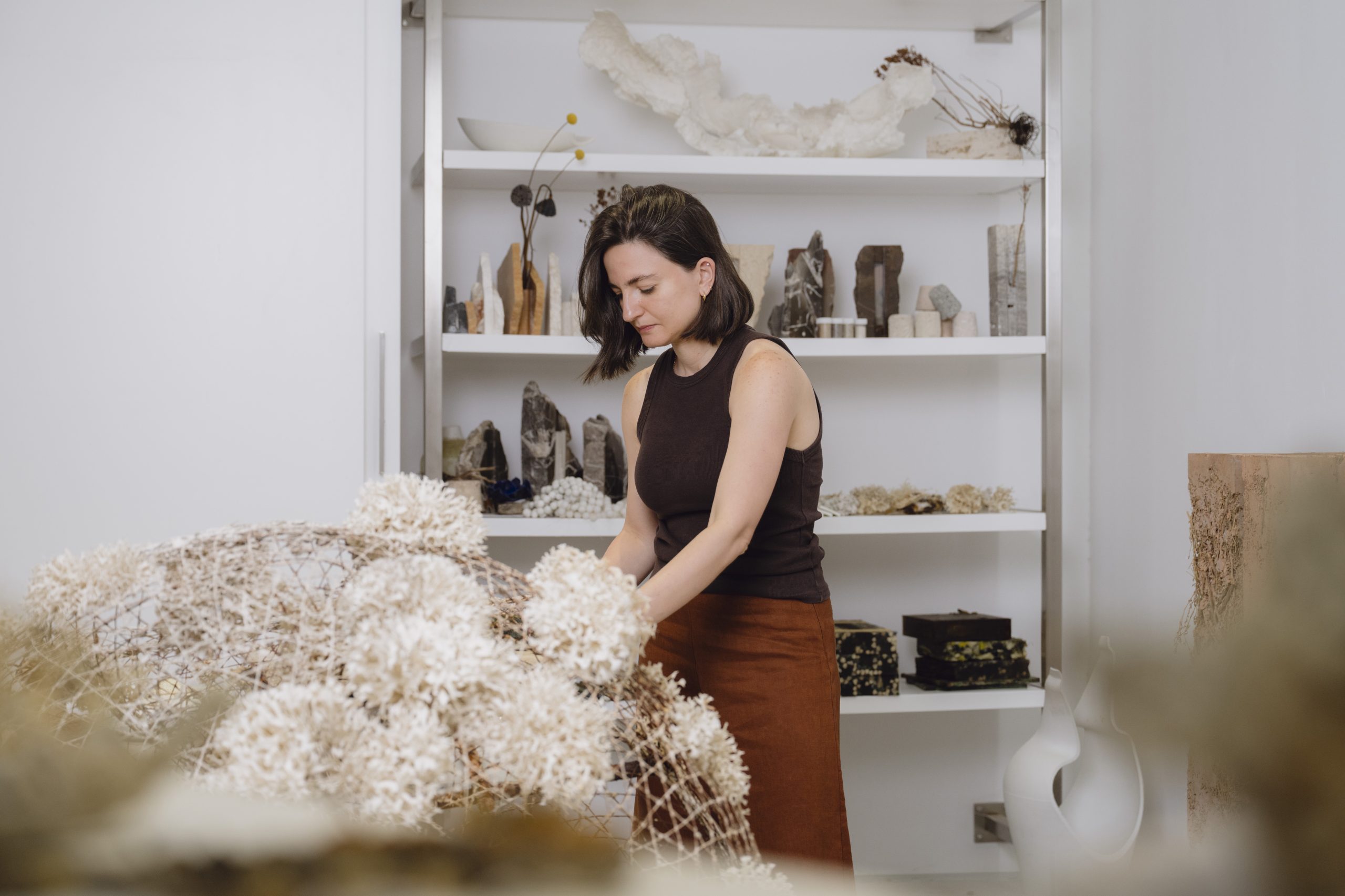
The Dubai-based artist and architect on why her work reflects the world’s natural processes
Dubai-based artist and architect Talin Hazbar brings a thoughtful approach to her work, using nature as a tool and combining the worlds of architecture, art and design. The Syrian-born creative has a deep connection to the materials she works with, the environments they come from, using them as a way to highlight how things change over time. From desert landscapes to the sea, and the quiet ways materials evolve, she explores how our natural environment adapts and tells its own stories.
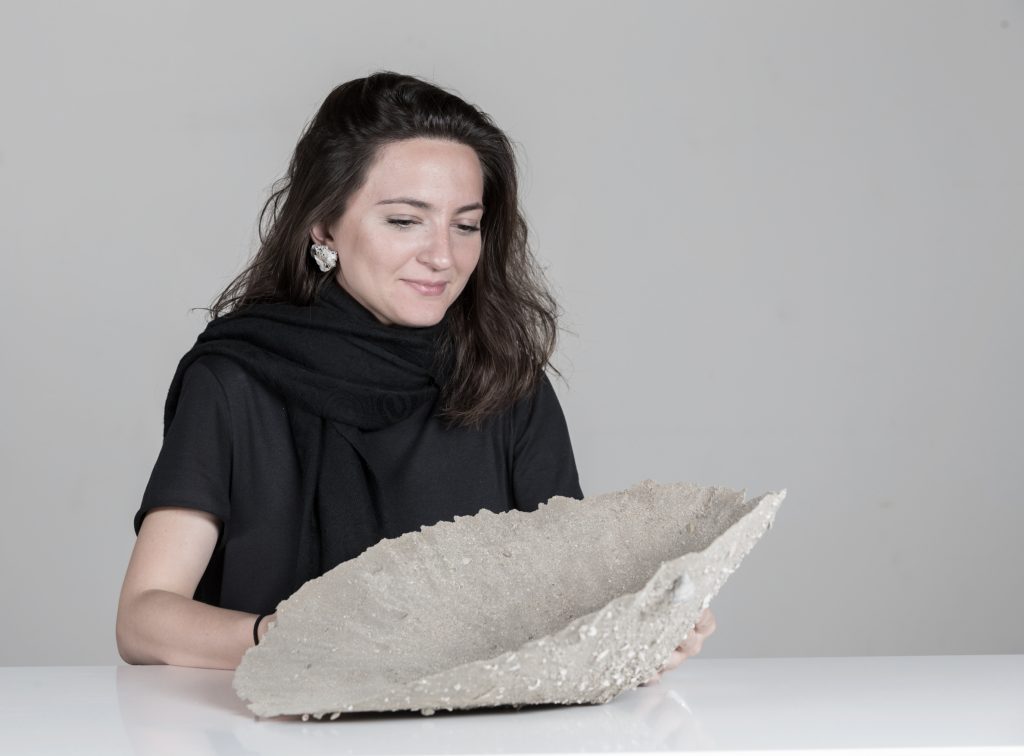
Highlighted through physical artworks, the processes behind Talin’s works are almost as pivotal as the worlds themselves. Rather than forcing a fixed outcome, Talin allows her work to unfold through organic processes, embracing unpredictability and experimentation along the way. It’s this balance of structure and spontaneity that defines her creative language today.
As part of a new generation of women shaping the region’s creative scene, Hazbar offers a perspective that’s informed by research but guided by instinct. Here, she shares more about her journey, the ideas that continue to shape her work, and the importance of staying curious.
What first drew you to working with natural materials in your artwork?
What drew me to natural materials is their silent transformation, their constant, instant cycles of growth and decay, and their manifestation of time. My interest in nature and ephemeral structures stems from nature’s ability to operate at both the microscopic and macro levels simultaneously.
Your work is deeply connected to landscape and materiality. What initially sparked your interest in working so closely with natural systems?
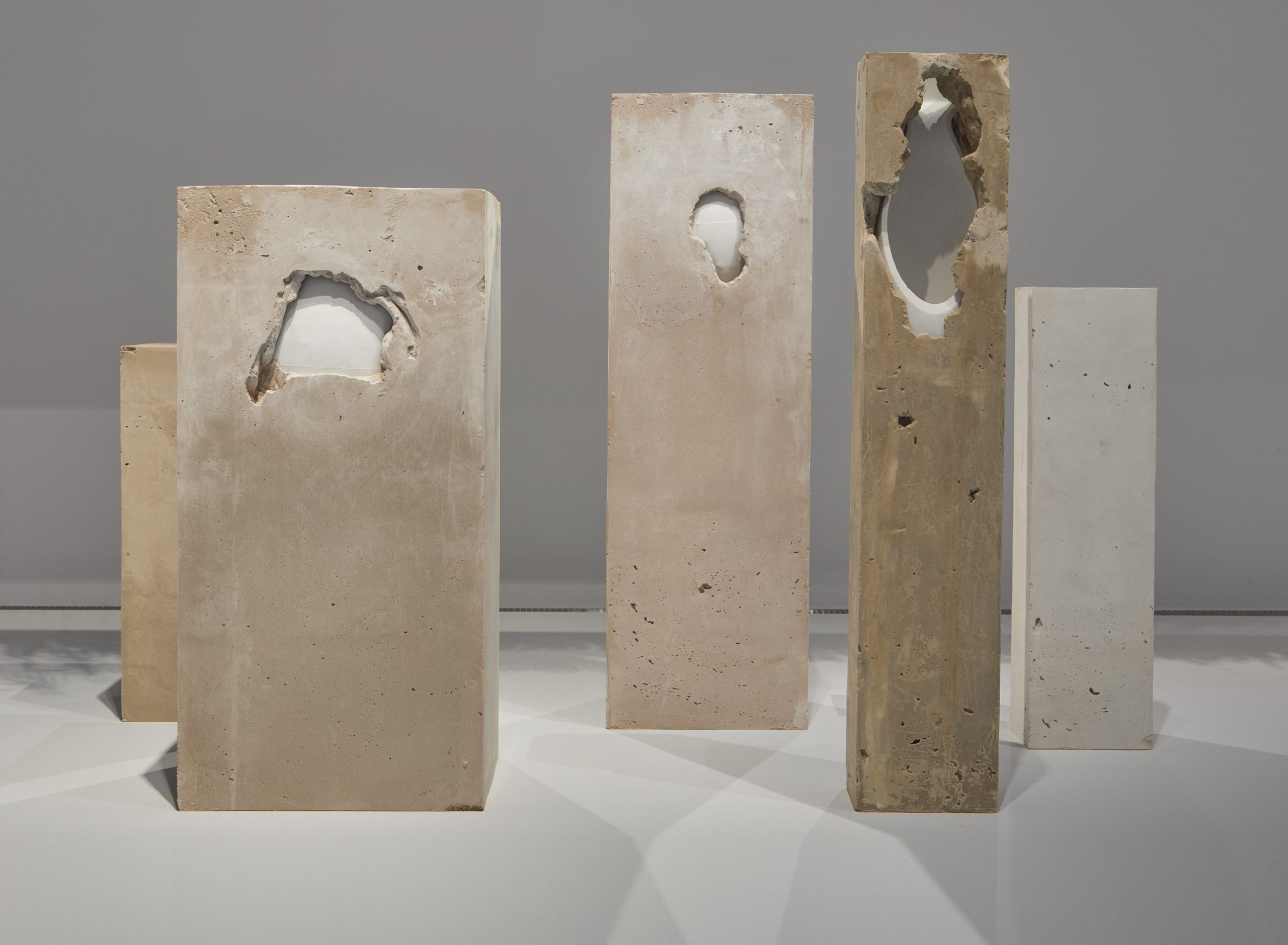
Observing natural materials and formations shaped my understanding of matter as something that is constantly shifting, evolving, and adapting over time. Landscapes, like the materials within them, are never static, and working closely with these processes allowed me to explore ideas of transformation, temporality and change.
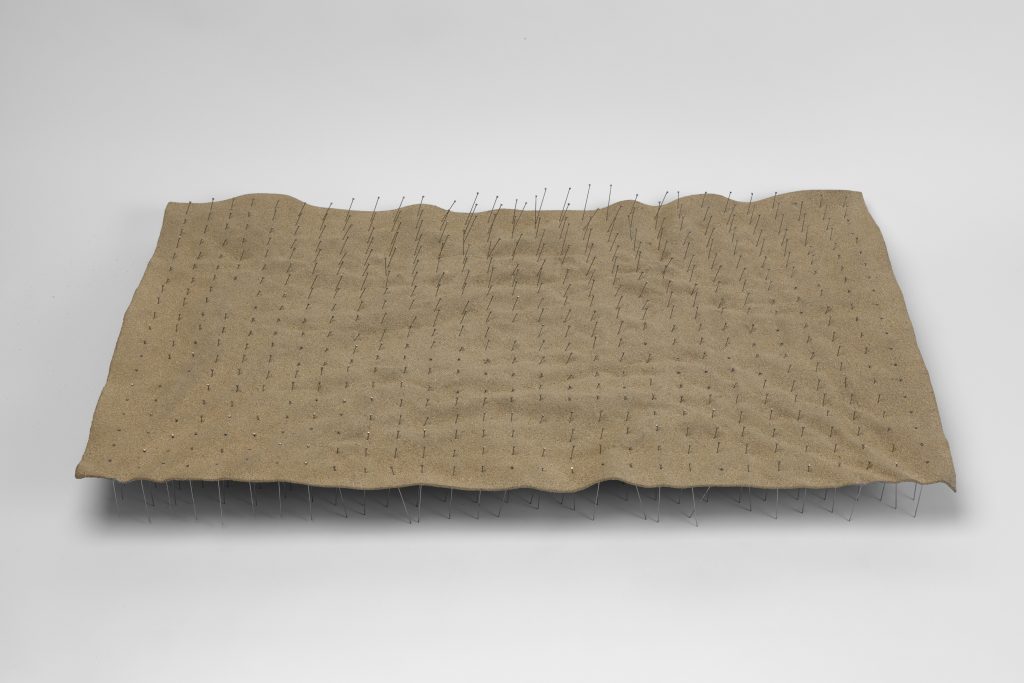
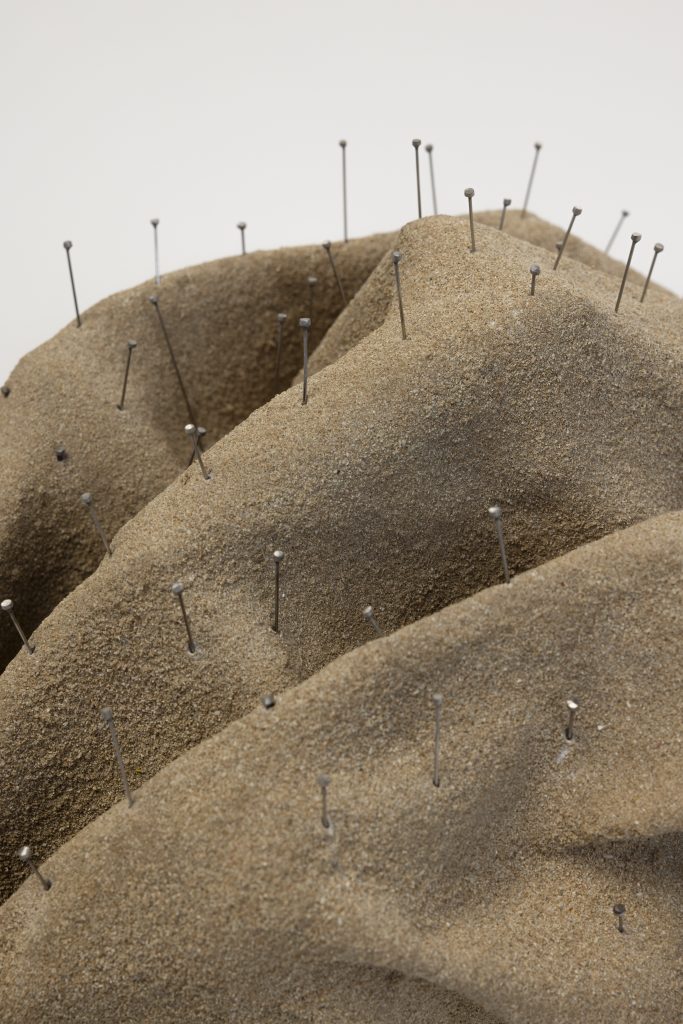
My practice focuses on redefining moulds and working with malleable systems, particularly through granular materials like sand, where structure and form emerge simultaneously. I am interested in creating space for materials to respond and evolve, allowing the process to unfold in parallel with the material itself. This approach has led me to think of making as a dialogue rather than a fixed outcome.
Over time, this shifted from working within the studio to engaging directly with landscapes, introducing new questions about archaeology, material histories, and the ways in which environments preserve and transform meaning. It also deepened my interest in how materials carry cultural, ecological and temporal narratives, and how working with them can reveal overlapping relationships between nature, architecture and human experience.
How would you describe your creative language today, and how has it evolved since the beginning of your career?
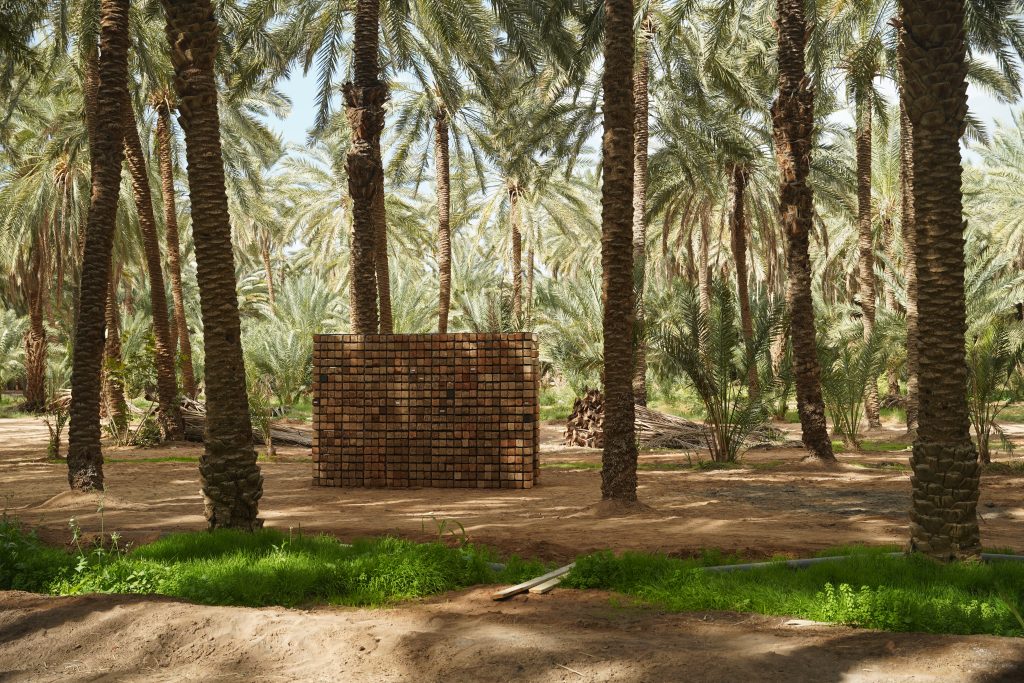
Each landscape carries its own set of stories and materials. While the forces shaping them may differ, there are underlying connections that link them. What interests me most is the process of formation and how these narratives emerge through material.
By tracing a single material, I begin to understand the wider landscape and the systems that shape it. I see it as a point of entry into a larger structure, where each element reveals something about its surroundings. Over time, my practice has shifted towards this closer observation, allowing materials to guide the work and uncover the processes embedded within them.
Have there been particular experiences that shaped your perspective or strengthened your voice?
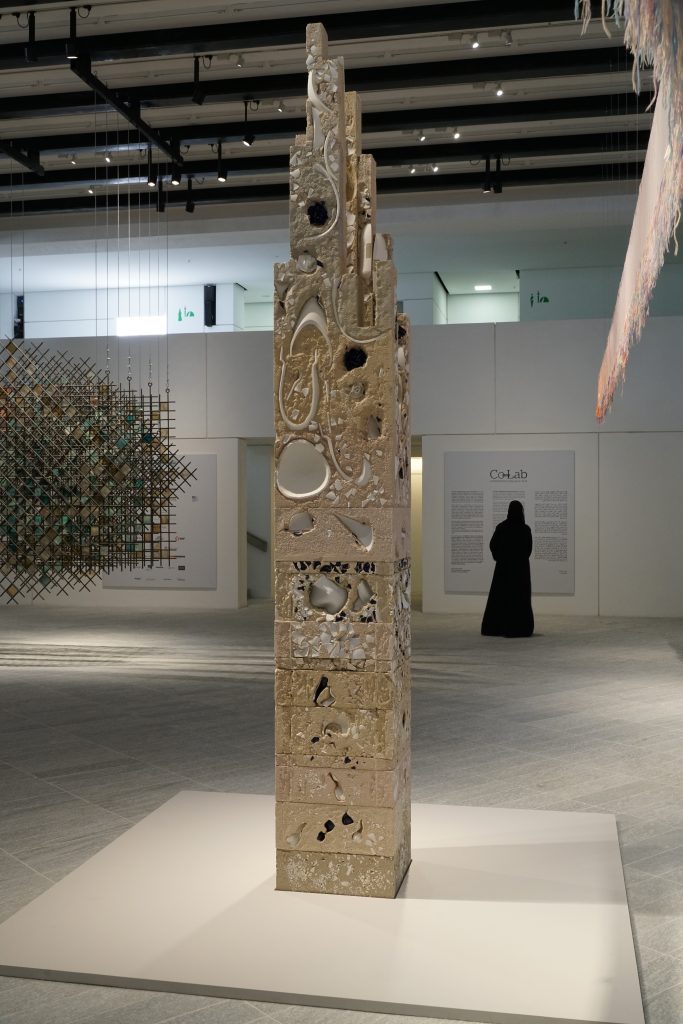
Around 2016, my perspective shifted through an interest in marine matter, particularly by observing how time and water transformed local fishing tools such as the Gargour. These structures, once purely functional, became hosts to layers of marine life, sparking deeper curiosity about accumulation, ecosystems, and the unseen processes that shape them.
This led me to work closely with local fishermen, including Rashed Sultan Al Suwaidi in Sharjah, where I gained insight into traditional fishing practices and the community’s relationship with the sea. These conversations shaped my understanding of marine environments not only as physical spaces but as systems of knowledge and history.
The research continued to expand through collaborations with scientists and specialists, deepening my understanding of marine organisms and their environments. In 2019, this culminated in Accretions, commissioned by the National Gallery of Victoria, where I created metal structures designed to deform and evolve in water, allowing natural processes to shape their final form. Each piece became a record of specific ecological conditions, reflecting a shift towards working collaboratively with nature rather than controlling it.
My engagement with the Dubai Voluntary Diving initiative further extended this thinking. Working with their team offered insight into the impact of human activity on marine environments, particularly through abandoned fishing gear and underwater waste. This led to a new direction in my practice, where I began to explore these materials as both records of time and potential building elements.
This approach culminated in Sediments, a project developed in collaboration with Captain Abdulla Muhsen and the diving team. Using recovered marine waste, the work reimagined the seabed as a constructed environment, bringing attention to ecology, material transformation and our evolving relationship with the ocean. Together, these experiences have shaped a practice grounded in collaboration, observation and a continuous dialogue with natural systems.
What are your thoughts on the evolving industry in the Middle East?
Growing up in the UAE has shaped my understanding of natural materials and landscapes, from mountains and deserts to waterscapes. These environments have offered a range of platforms for exploring ideas across different contexts and scales, influencing how I approach material and place in my work.
There is also a strong sense of community within the region, which I find essential. It creates space for dialogue, shared knowledge and collaboration, allowing more context-driven practices to emerge. This collective exchange continues to play an important role in shaping the industry's direction and growth.
Experimentation plays a key role in your process. How do you approach working with new materials or challenging their behaviour?
Experimentation, in that sense, is not only about testing materials but about understanding the conditions around them. Rather than imposing a predefined outcome, I allow the material’s properties and limitations to guide the process. Resistance, unpredictability, and even failure become part of the methodology. Challenging a material is not about forcing it to behave differently, but about negotiating with it, understanding its constraints and working within or alongside them.
What has been one of the most important lessons you’ve learned throughout your career so far?
One of the most important lessons has been to keep questioning the relationship you build through your work, to remain curious, but also to allow yourself to slow down. Slowing down creates space to evaluate your processes, to reconsider how you approach materials and landscapes, and sometimes to find a different perspective.
What advice would you give to young women looking to pursue careers in architecture, art or multidisciplinary design?
There is always a need to address and question conscious production and consumption, indigenous knowledge, ecological consequences, restoration/conservation, entropic change, the process of archives and a respect for tradition and cultural heritage. Collaboration is essential for any project or research to thrive; it creates space to learn across disciplines and practices.
Follow Us

The Latest
-

Wellness
The science behind peptide injections
All the risks behind the so-called miracle treatments
-

Travel
Detox hotels to book for your next getaway
Check in, to check out at these beautiful resorts
-

Travel
Discovering Singapore’s green allure
Exotic, diverse, lush. The garden city of Singapore nurtures culture, fine dining, and an environmentally oriented plan for the future
-
Travel
Inside The Royal Diriyah Opera House in Riyadh
Saudi Arabia’s first dedicated opera house opening soon
Subscribe to our newsletter and receive a selection of cool articles every weeks
You can unsubscribe at any time. To find out more, please visit our privacy policy.