

Farida Khelfa uncompromised in conversation with Rym Saidi
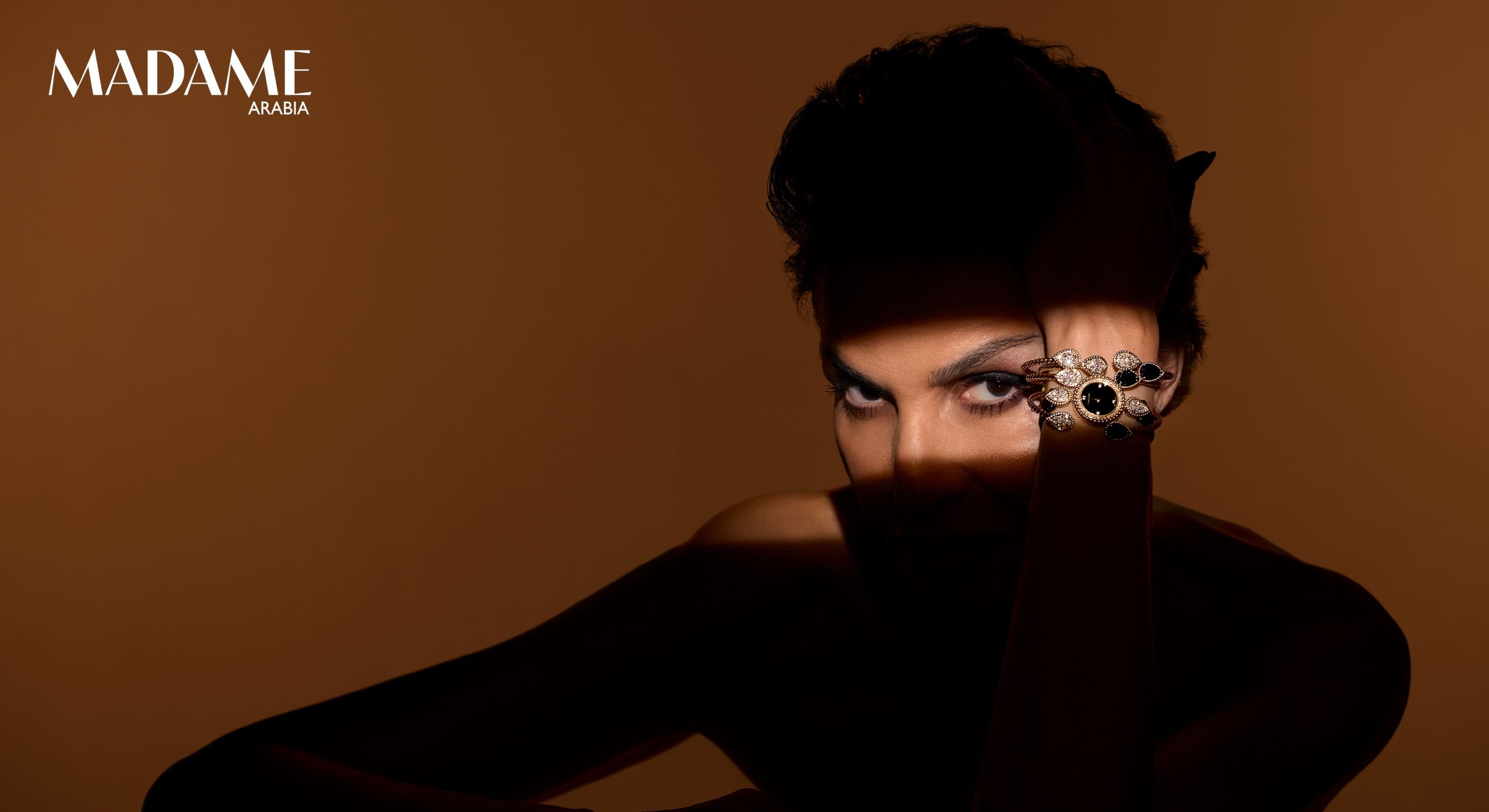
For generations of Arab and North African women, Farida Khelfa represented freedom and individuality. In this intimate conversation with Rym Saidi, the French-Algerian icon opens up about identity, origins, fashion, cinema, and the journey of becoming herself beyond the projections of others.
Before I ever met Farida Khelfa, I felt like I already knew something about her – not personally, but through the way she carries herself. As an Arab woman growing up around fashion, she has always been one of those figures who stayed in my mind because she moves through that world differently.
There is something very free about Khelfa, something uncompromising – and for women from North Africa, that kind of presence means something.
Born in France to Algerian parents, Khelfa became one of the defining faces of fashion in the 1980s, walking for designers like Jean Paul Gaultier, Azzedine Alaïa, and Thierry Mugler. At a time when fashion was fascinated by strong identities and individuality, she embodied both.
She represented a kind of beauty and diversity that felt magnetic but also rebellious. She never feels like someone trying to fit into the room. She already belongs there.
Over the years, Khelfa moved far beyond modelling. She acted in films, joined Alaïa’s design studio in 1995, later became the head of Jean Paul Gaultier’s Haute Couture salons in 2002, and eventually transitioned into directing documentaries, including films about Gaultier, Christian Louboutin, the 2012 French presidential campaign, and Tunisian youth afterthe revolution.
Even after decades in fashion, cinema, and art, speaking with her now, what struck me most was how grounded she still is in her origins and in the life she has built for herself beyond the image people projected onto her.
“What defines me most is where I come from – my childhood, my mother, and the environment I grew up in,” she tells me.
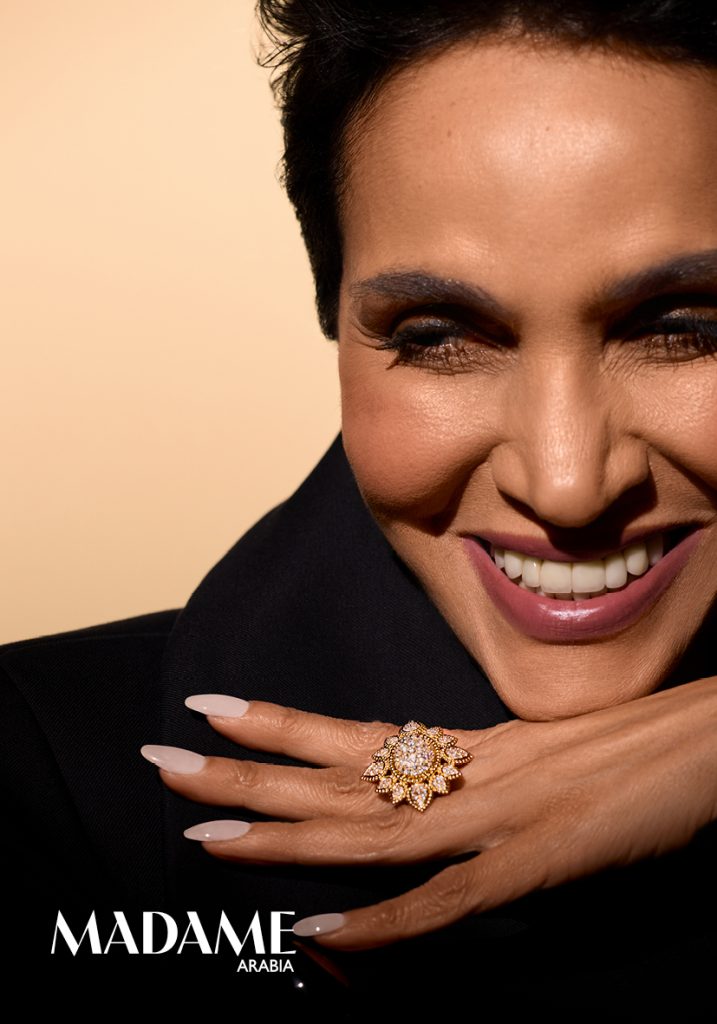
“Everything I became was built in reaction to that. My strength, my independence, my freedom – they all come from that origin.”
At the time, Khelfa says, she wasn’t thinking about breaking ground. She was simply trying to live. “I was trying to exist, to survive, and to create a life for myself,” she says. “It’s only later, when people started reflecting that back to me, that I understood what it represented.”
With that visibility also came projections and expectations around where she came from. “Yes, especially in the beginning – there were projections, clichés,” the icon shares. “But I refused to be reduced to that. Over time, I learned to define myself on my own terms.”
And while she understands what she represents for many Arab women, the Algerian muse resists being simplified into a symbol.
“I’m honoured to be seen as a muse for Arab women,” she says. “I have a profound respect for their strength and courage. But I’m not a symbol. I’m simply an Arab woman – or, rather, a woman who wants to be free.”
For Khelfa, identity was never about choosing one world over another.
“Fashion gained speed and visibility but lost some depth and intimacy.”
“At first, the industry defines you. But at some point, you take control.”
“It’s only with time and perspective that you understand your place in history.”
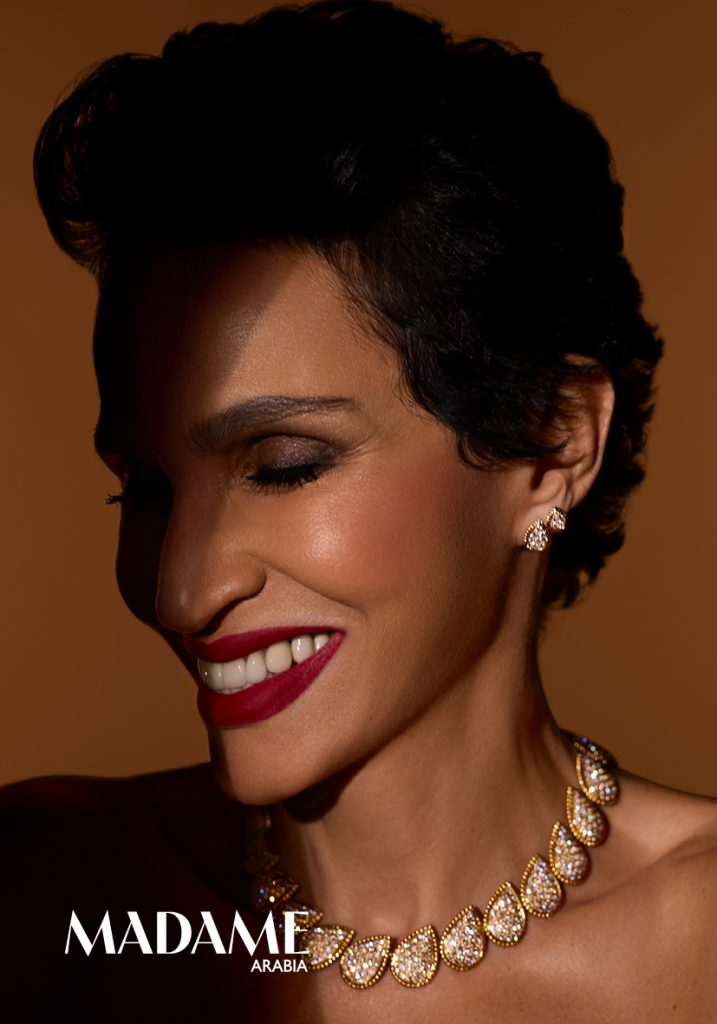
“It shaped everything,” she notes. “I never rejected my roots, but I also refused to be limited by them. My identity was built in that tension between where I come from and where I chose to go.”
At the beginning of her career, she felt that where she came from took precedence. “At the start, maybe some people saw my origins before they saw me,” she says. “But I turned that into strength. I used difference as power.” What struck me throughout her answers was how much of her career was built on refusing to let other people define her.
Whether it was fashion, cinema, or, later, her film-making, there’s a consistency in the way.
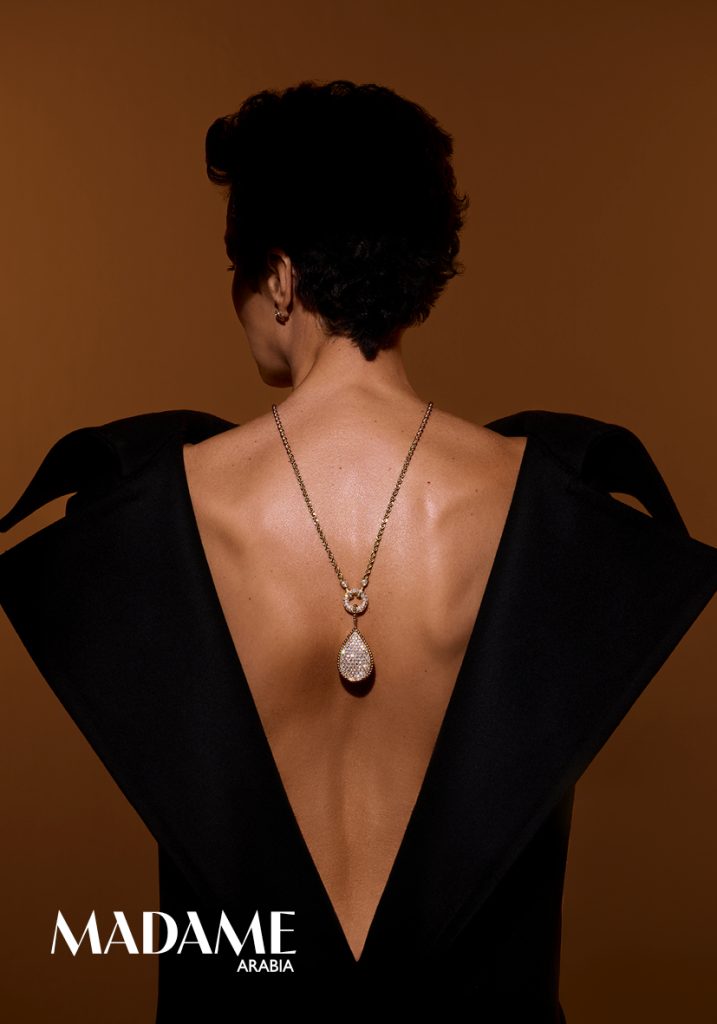
Khelfa protected her individuality. “It came progressively,” she says. “At first, the industry defines you. But at some point, you take control. For me, that moment came when I started imposing my own identity.”
Her memoir, Une enfance française, came when she finally felt ready to tell the story truthfully. “Because I was ready,” she asserts. “Some stories need time. I needed distance, maturity, and clarity to be able to tell it truthfully. It was a confrontation with my past, but also a liberation. Writing allowed me to reclaim my story.”
Listening to her speak about Alaïa and Gaultier, I kept thinking about how rare those relationships feel now. There was something deeply human in the way she described them not just as legendary designers, but as men who built entire creative worlds around women.
She gets emotional when speaking about Alaïa. “He taught me discipline and hard work, and respect for women. He built his universe around women, not the other way around.”
Then there was Gaultier, who represented something completely different.
“Alaïa was about precision and intimacy. Gaultier was about freedom and playfulness,” the model recounts. “Both loved women and were very talented, but they expressed it in different ways.”
When she looks back at the defining moments of her life, Khelfa speaks about them almost like chapters that transformed her from one version of herself into another.
“Leaving home, meeting Gaultier, Alaïa, entering the fashion world, becoming a mother, and writing my book – each moment transformed me deeply,” she reveals.
Her realisation that she had become part of fashion history came only with time. “Much later,” she agrees. “When you are living it, you don’t see it,” she adds. “It’s only with time and perspective that you understand your place in history.”
Fashion remains one of the main pillars in her life. She later became an ambassador for the House of Schiaparelli for five years, embodying the spirit of the multifaceted woman that defined the Maison from the beginning.
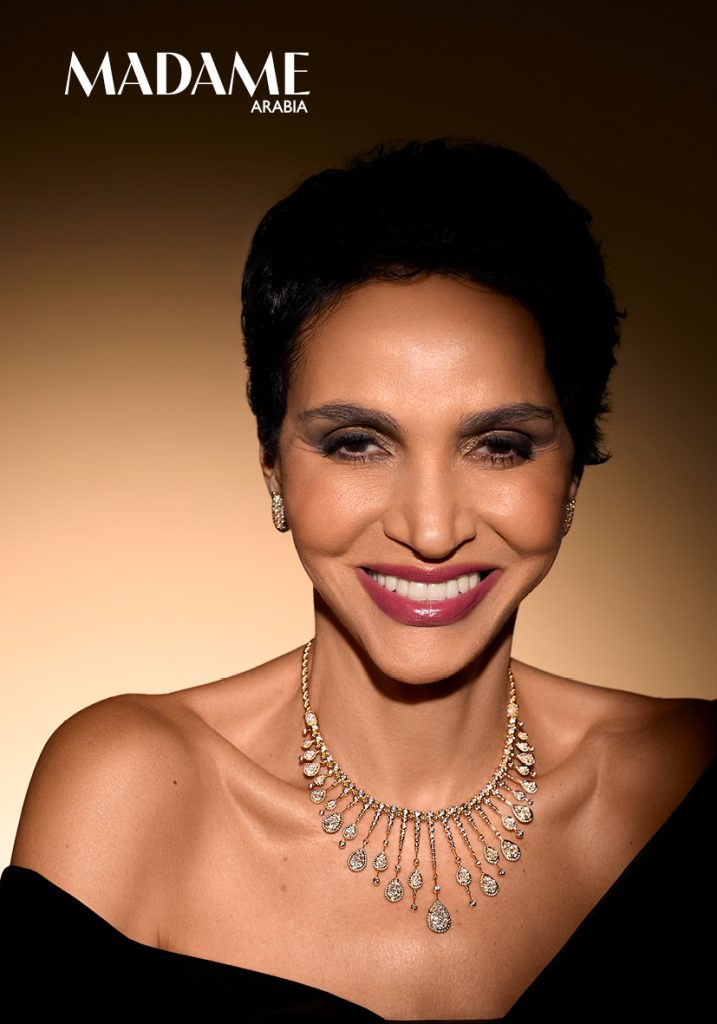
But, despite the world of fashion continuously rediscovering her image and her era, Khelfa remains realistic about nostalgia and the current obsession with the ’90s. “It’s interesting, but nothing replaces the authenticity of that time,” she tells me frankly.
“It wasn’t just a style, it was a spirit. People often think that things were better in the past – that’s not always true. But I understand the nostalgia of those times.”
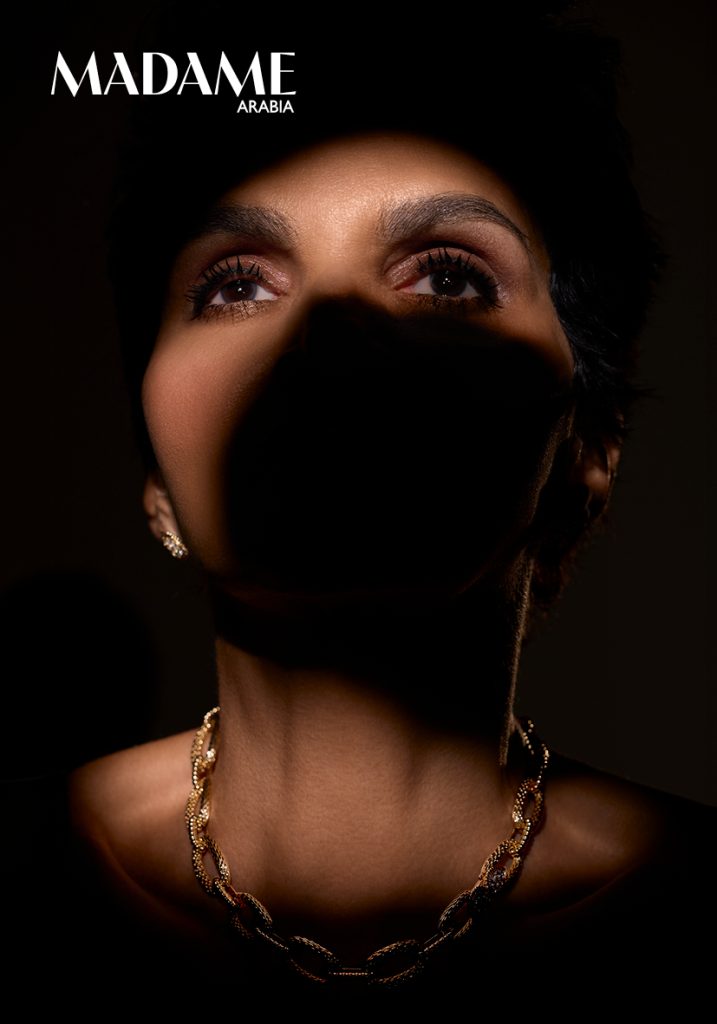
Fashion, for her, has gained something and lost something. “It gained speed and visibility, but lost some depth and intimacy,” she notes. “Everything is more immediate now, but sometimes less meaningful.” The same nuance appears when we speak about representation.
“There is progress, but it remains fragile,” Khelfa says. “Visibility is not the same as true inclusion. There is still work to be done.”
As a Tunisian woman, I was especially curious to hear her speak about the documentary she filmed about Tunisian youth after the revolution.
In Une Jeunesse Tunisienne (‘Tunisian Youth’), released around 2012, Khelfa focused on young Tunisian artists and the role they played in shaping the country’s future in the immediate aftermath of the revolution.
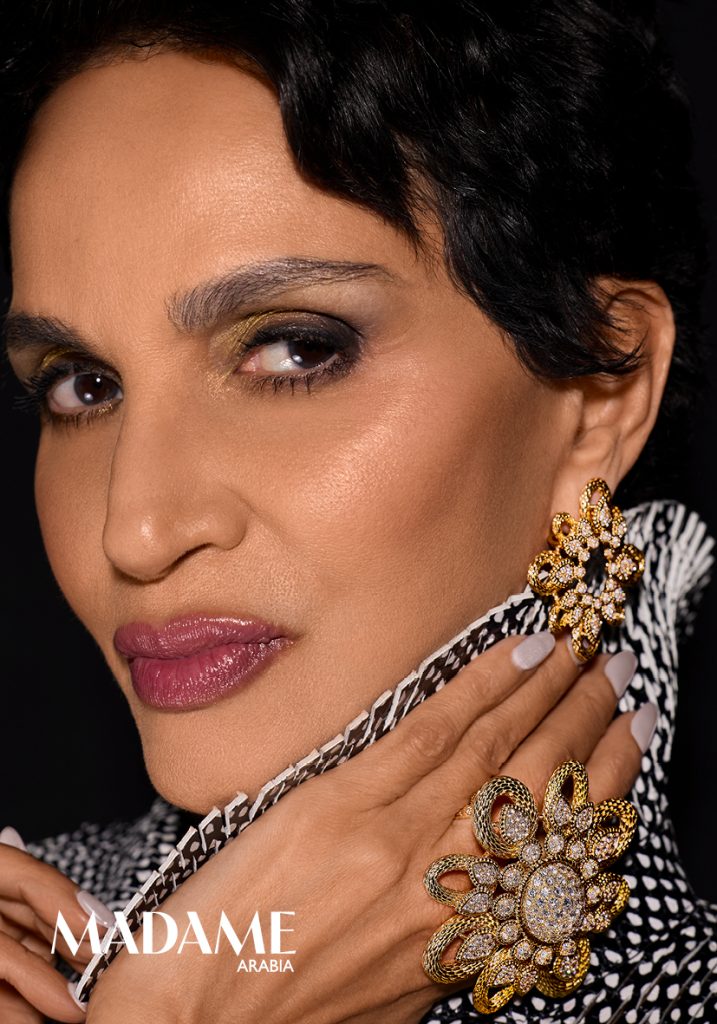
“I’m not a symbol. I’m simply an Arab woman – or, rather, a woman who wants to be free.”
There was something emotional in the way she described that experience not romantically, but honestly. “Their energy, their strength, their desire for freedom... Tunisian women have had a profound influence on me,” Khelfa explains. “I’m thinking of Gisèle Halimi, Leïla Menchari, the mythical decorator of the Hermès windows, and of course you, Rym, as you combine beauty, intelligence, and that uniquely Tunisian grace.”
And through filming the documentary, Tunisia revealed another layer to her as well.
“A complexity I hadn’t fully seen before,” she notes. “It was both inspiring and confrontational.
In 2011, I discovered a generation that was incredibly connected, even more so than in France, and highly educated. I was deeply impressed by these young Tunisians, who truly wanted to change the world.”
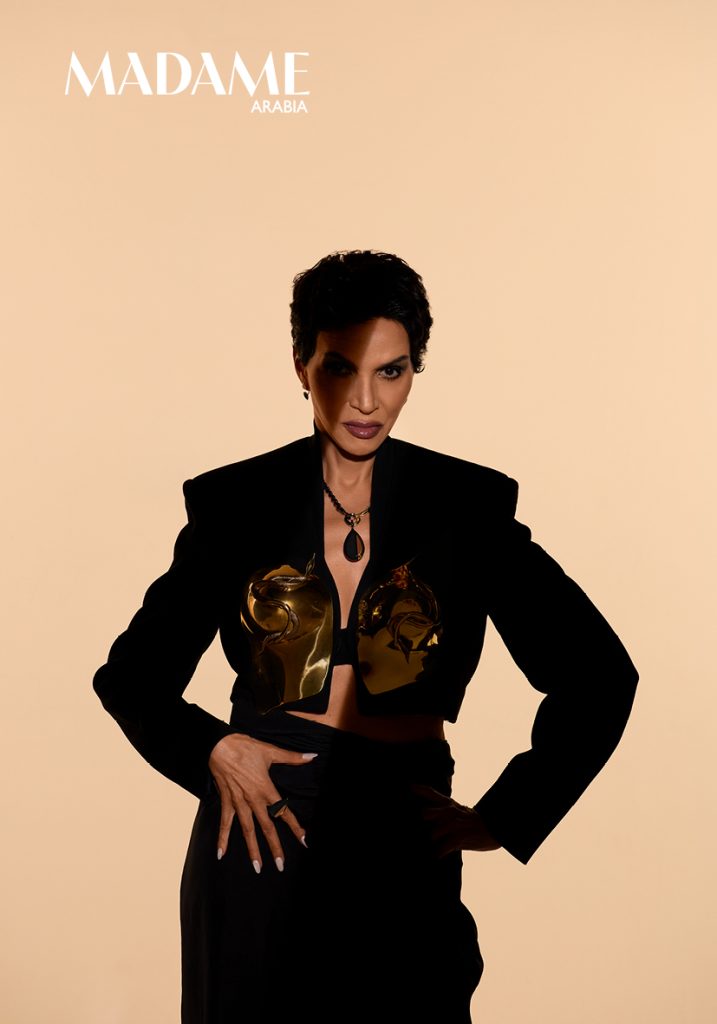
“I never rejected my roots, but I also refused to be limited by them. My identity was built in that tension between where I come from and where I chose to go.”
By the end of our conversation, I realised that almost everything Khelfa spoke about identity, fashion, motherhood, writing, or history always came back to the same thing – freedom. Not as an image, but as a way of living.
When I ask what advice she would give to young women entering fashion, cinema, or the creative industries today, her answer is more of a reassurance then advice. “Stay true to yourself,” she says. “Don’t be afraid everything is going to be alright. Your difference is your strength.”
She hopes history says that she lived on her own terms.
“That I was free. At the end of the day what people will say about me when I’m gone doesn’t matter much to me.”
Team Credits:
Photographer: Daria Senin
Creative Direction: Beya Bou-Harb
Stylist: Joanne Kennedy
Make-Up Artist: Christina Lutz
Hair Stylist: Dali Vrtina
Executive Producer: Jorge Rosell
Production: We Made It Agency
Cinematographer: Guillaume Perimony
Movement Director: Natalia Kastet
Gaffer: Carl Niklas
First Stylist Assistant: Amelie Richard
Photographer Assistant: Camille Ela
Retoucher: retoucher.kati
Second Stylist Assistant: Paul Chicouras
Follow Us

The Latest
-

Wellness
The science behind peptide injections
All the risks behind the so-called miracle treatments
-

Travel
Detox hotels to book for your next getaway
Check in, to check out at these beautiful resorts
-

Travel
Discovering Singapore’s green allure
Exotic, diverse, lush. The garden city of Singapore nurtures culture, fine dining, and an environmentally oriented plan for the future
-
Travel
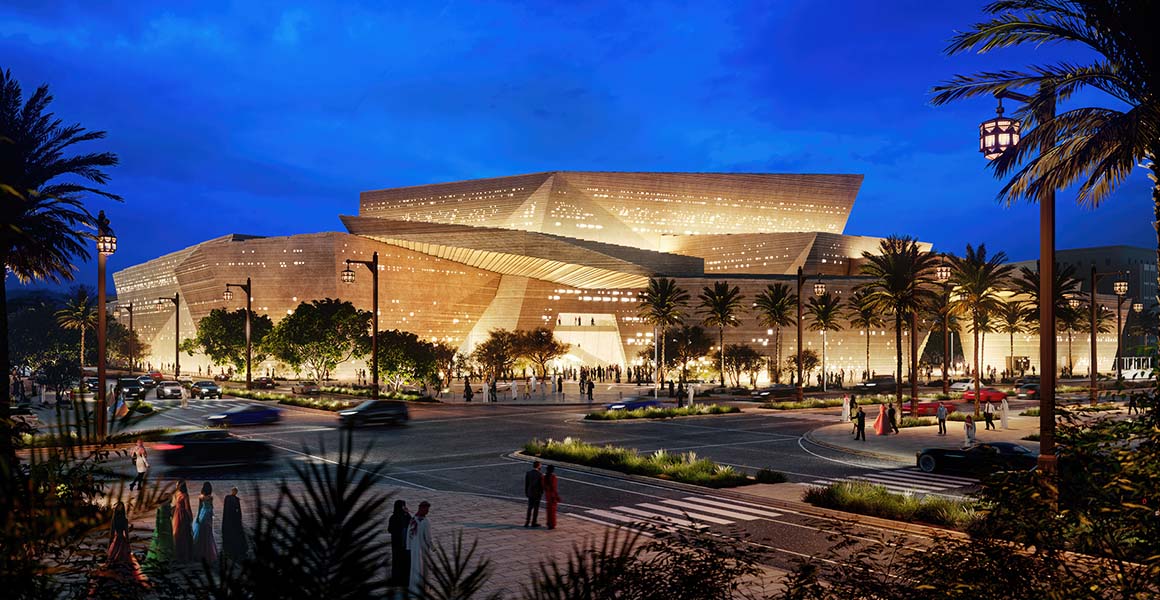
Inside The Royal Diriyah Opera House in Riyadh
Saudi Arabia’s first dedicated opera house opening soon
Subscribe to our newsletter and receive a selection of cool articles every weeks
You can unsubscribe at any time. To find out more, please visit our privacy policy.