

TIARA MANIA
Teresa Leppich
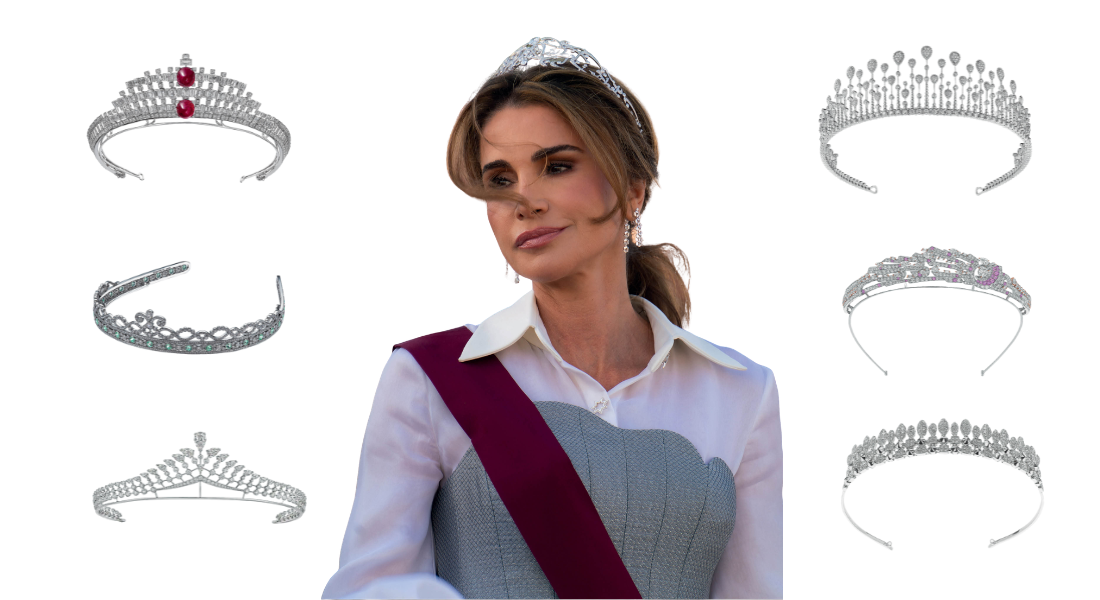
A diamond-spangled companion of the rich, the beautiful, and the aristocratic – the tiara. Here’s everything you need to know about this precious headpiece.
It was a faux pas of royal proportions. In 1954, screen icon Sophia Loren wore a tiara to the opening dinner of the Italian Film Festival Week in London, where she met the young Queen Elizabeth II for the first time. What the diva did not know was that, at such occasions, wearing a tiara is reserved for members of the royal family.
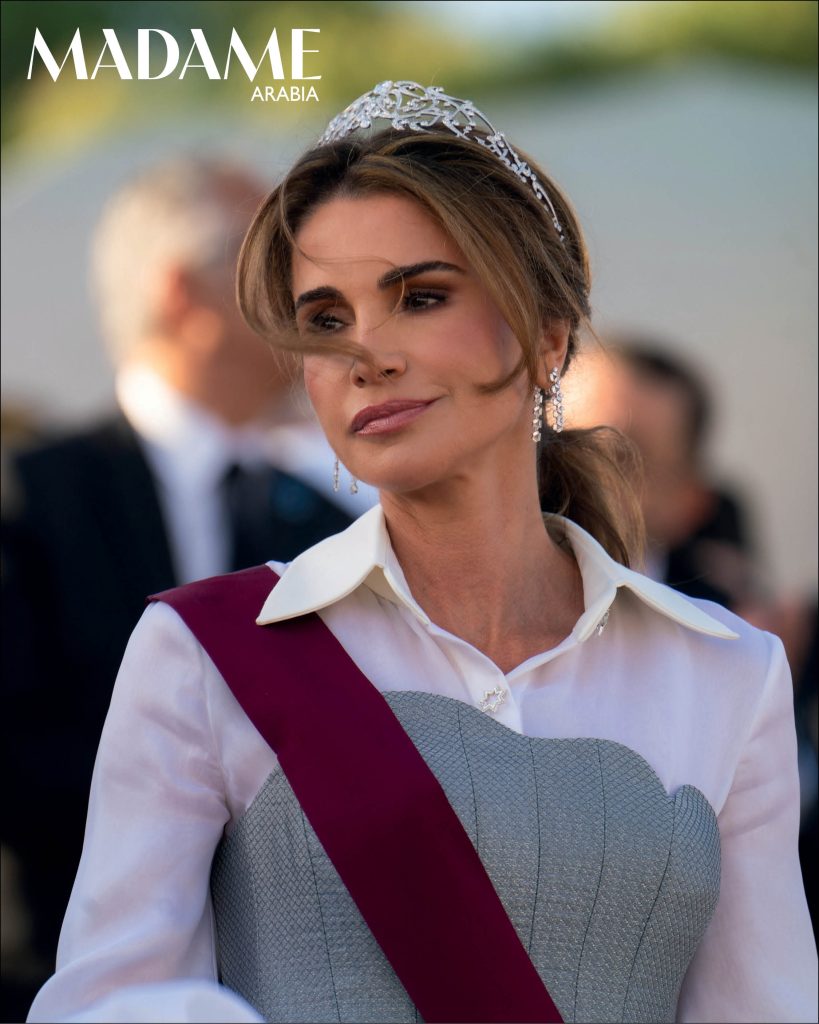
Fortunately, the Queen did not take offense at the breach of protocol – unlike the press of the 1950s, which made far more of a hue and cry. But what exactly is this exclusive piece of jewellery that causes such a stir? Tiara or diadem – isn’t it all just a little crown? Not quite.
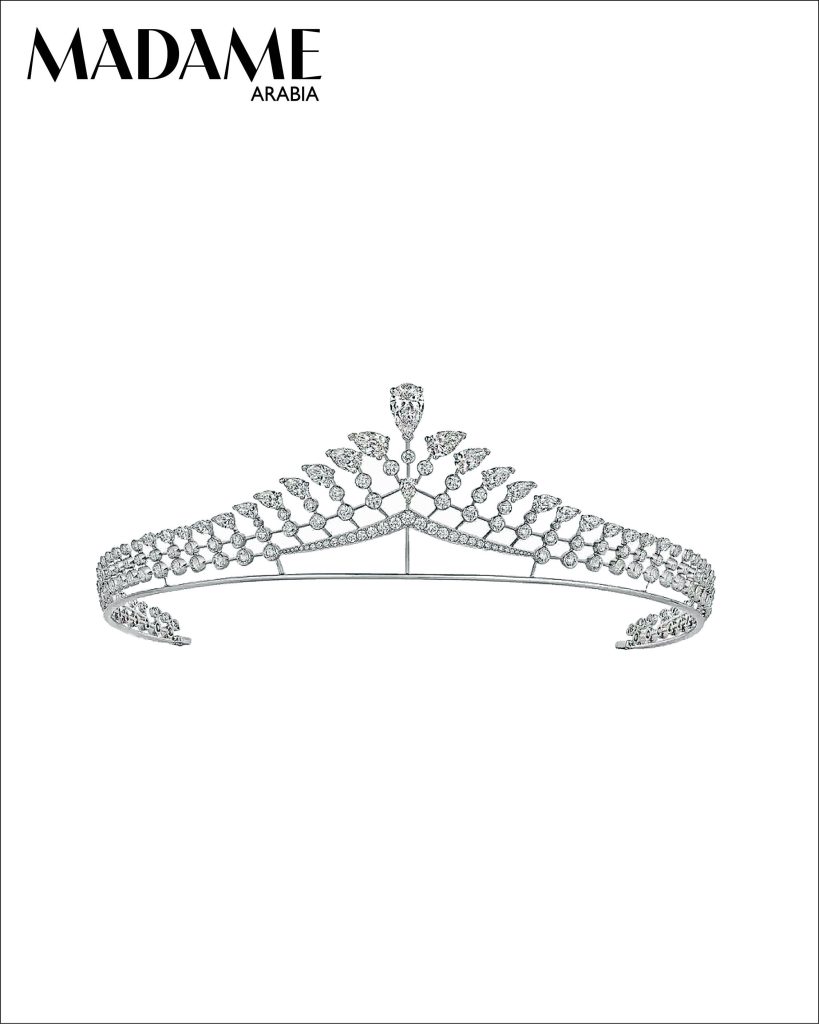
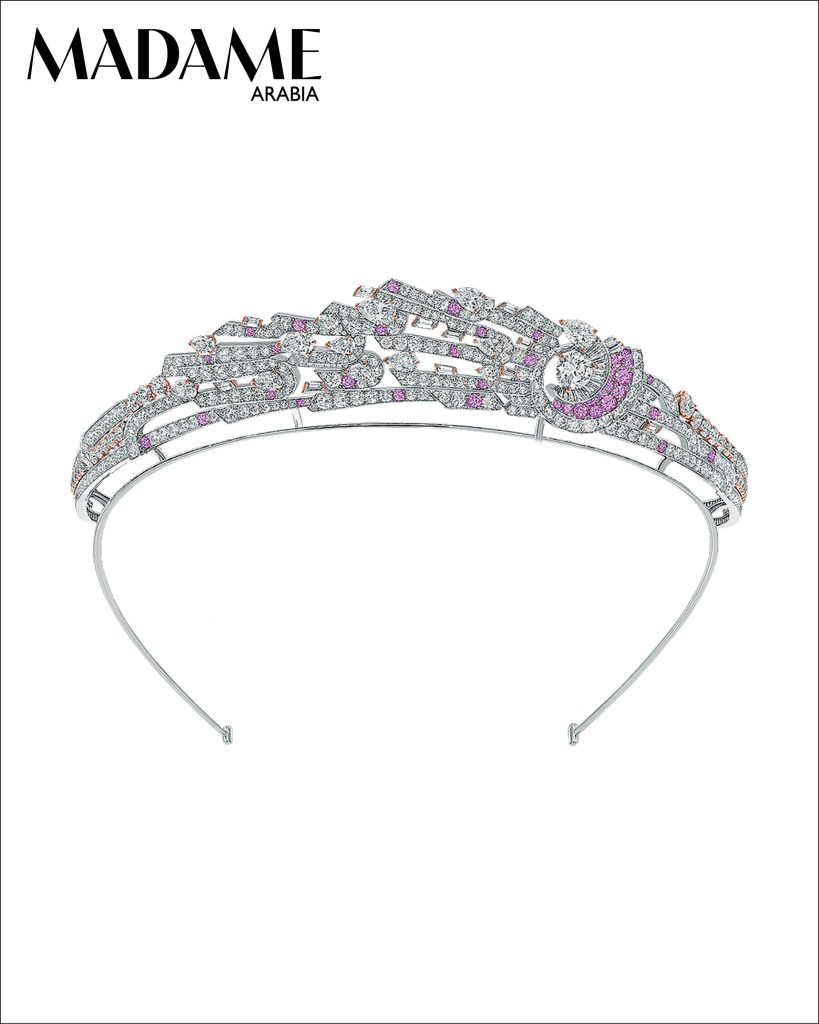
A tiara is always semicircular, open at the back, rising at the front thanks to several tiers or forming a central peak. It can be worked into the hairstyle and is always worn centred on the head. It belongs to the family of diadems – however, a diadem can also be completely closed, like a crown. In other words, every tiara is a diadem, but not every diadem is a tiara.
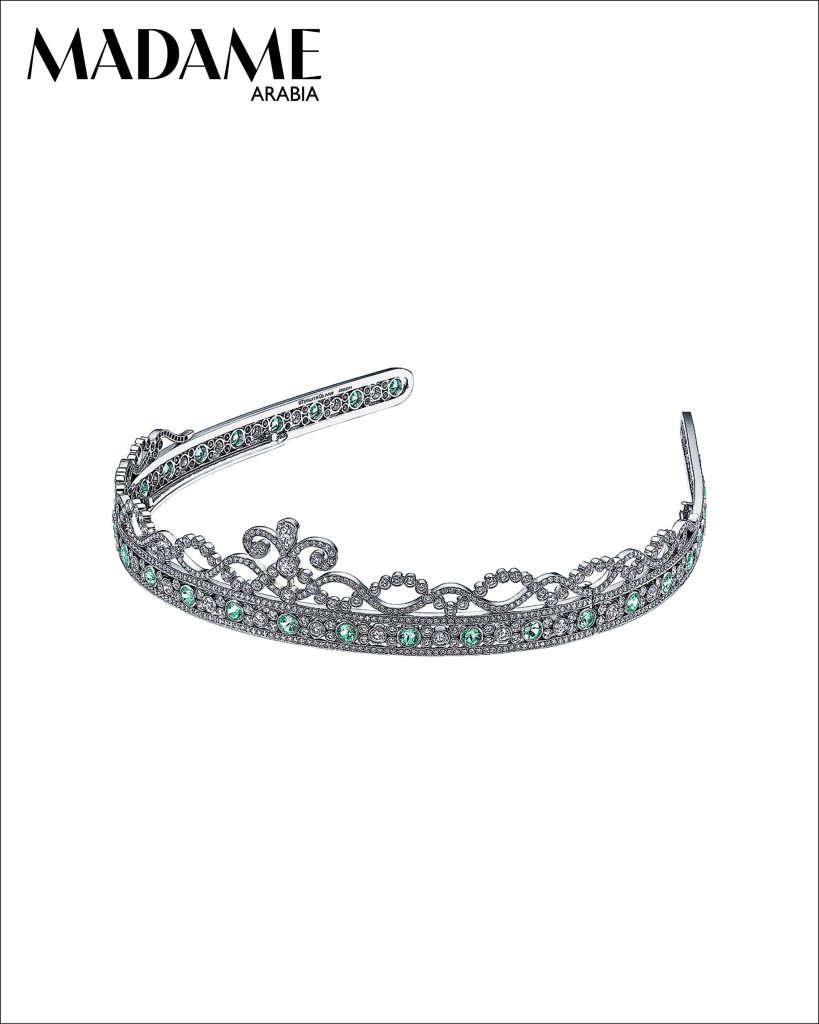
Traditionally, tiaras are crafted from gold or platinum and set with diamonds or other precious stones. They were worn as a status symbol by the rulers of Persia, in ancient Rome, and in Greece – in fact, the name tiara derives from Ancient Greek.
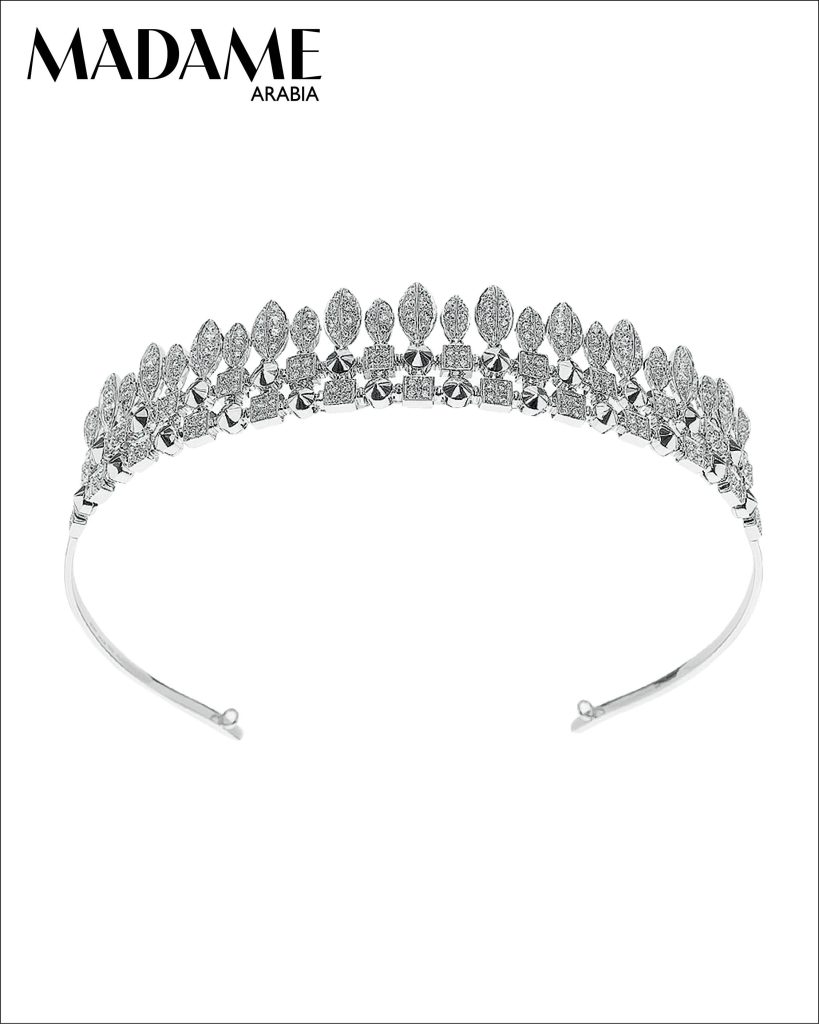
Later, popes wore triple-tiered tiaras, often made from gold seized during the Crusades in the Middle Ages. This tradition endured for centuries until Pope Paul VI laid down the papal tiara in 1964, symbolically renouncing worldly power.
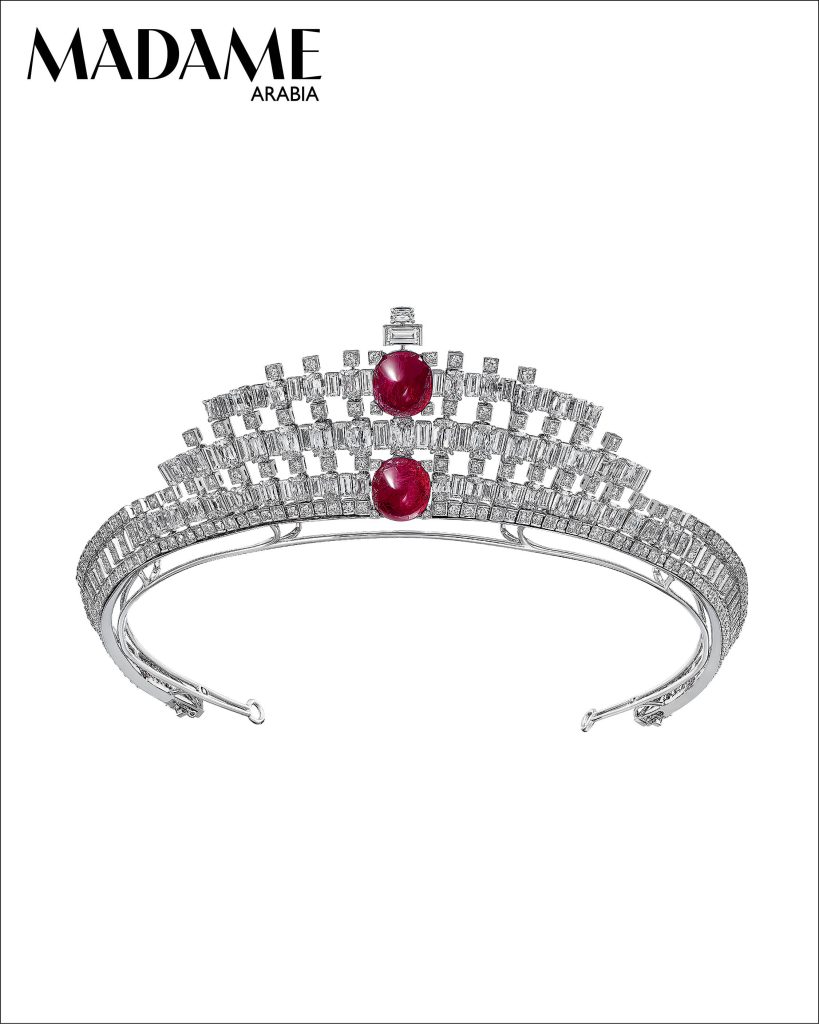
The 1930s saw the height of “Tiara Mania” – Cartier produced more tiaras in 1937 than in any other year. They were the ultimate it piece among the upper class at balls and opera evenings. After the Second World War, diadems were worn almost exclusively at
official receptions and galas, yet their enchantment endured. Within Europe’s royal families, tiaras are passed down through generations.
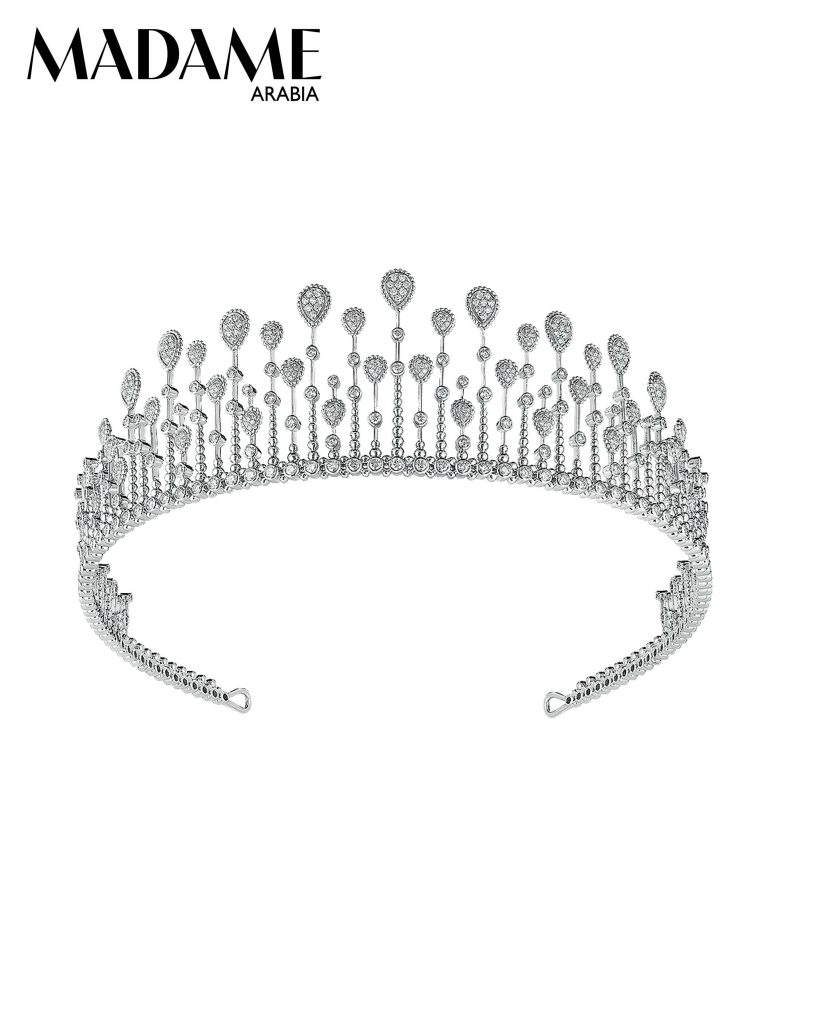
Queen Elizabeth II (fondly called Lilibet) received a small diamond tiara from her mother, Elizabeth the Queen Mother, for her 18th birthday. At her wedding to Prince Philip, she wore the Girls of Great Britain and Ireland tiara by Garrard, originally given to her grandmother Mary of Teck in 1893 upon her marriage to the future King George V.
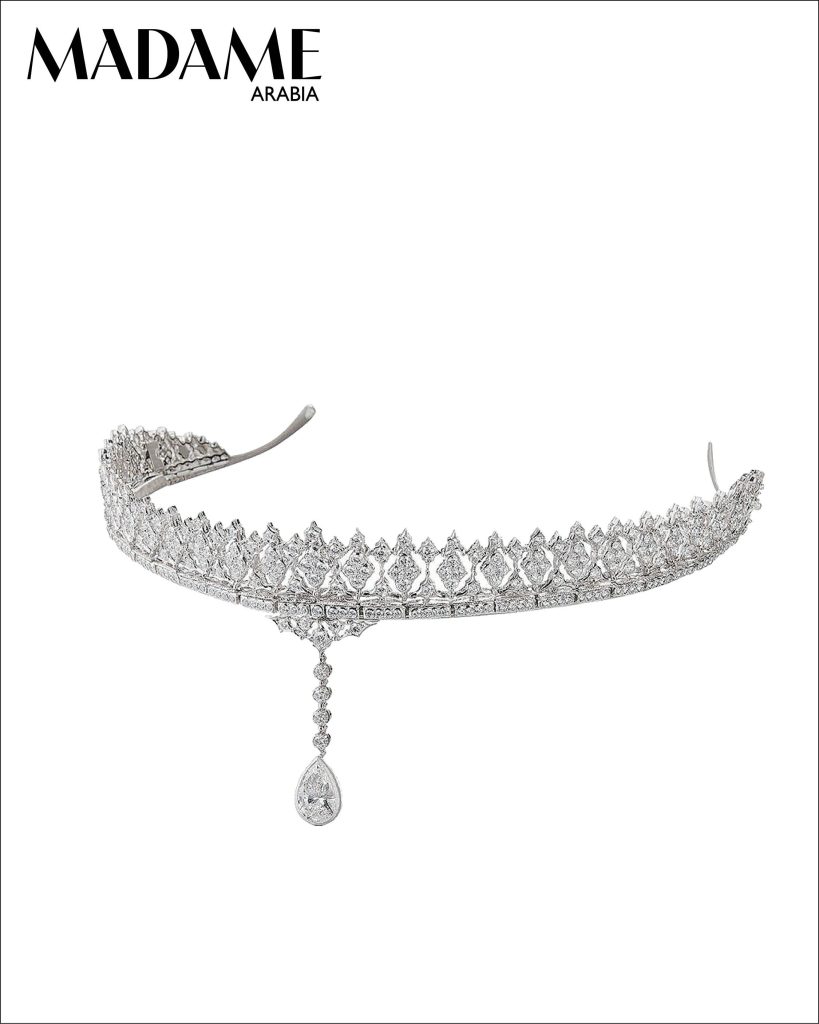
This tiara continues to sparkle to this day – most recently in the hair of Queen Camilla.
“Lilibet will receive a small diamond tiara from me for her 18th birthday.” QUEEN MARY, 1944
Follow Us

The Latest
-

Wellness
The science behind peptide injections
All the risks behind the so-called miracle treatments
-

Travel
Detox hotels to book for your next getaway
Check in, to check out at these beautiful resorts
-

Travel
Discovering Singapore’s green allure
Exotic, diverse, lush. The garden city of Singapore nurtures culture, fine dining, and an environmentally oriented plan for the future
-

Travel
Inside The Royal Diriyah Opera House in Riyadh
Saudi Arabia’s first dedicated opera house opening soon
Subscribe to our newsletter and receive a selection of cool articles every weeks
You can unsubscribe at any time. To find out more, please visit our privacy policy.