

This female architect is changing the face of luxury design

With a client list that includes global billionaires, Aparna Kaushik blends timeless elegance with modern design
Those with a penchant for design will likely know the name Aparna Kaushik already. One of India's most influential designers, her portfolio includes some of the country's weathliest families.
Renowned for her classical elegance and modern minimalism designs, the founder of Aparna Kaushik Design Group now has a growing presence in the UAE. In this exclusive interview, she reflects on the nuances of designing for legacy, her creative dialogue with next-gen billionaires and why “listening before speaking” may be the most powerful design tool of all.
How would you describe your journey has been like as a woman leading one of India’s top design studios?
It has been both deeply humbling and incredibly empowering. Architecture is a demanding field, and building a practice rooted in uncompromising quality, while asserting a distinct design voice, required resilience and clarity. I never set out to prove a point as a woman—I simply stayed true to my purpose. The journey has been about cultivating vision, building trust, and delivering excellence—consistently, passionately, and without compromise. And in that process, I’ve found that quiet strength is often the most powerful statement.

You design homes for some of the world’s most influential families. How do you approach the delicate balance between personal legacy and contemporary luxury in your work?
Every home I design reflects the people who live within it. Legacy, for me, is not only about lineage—it’s about emotion, memory, and meaning. I listen intently, observe quietly, and then translate those unspoken cues into spaces that are both deeply personal and timelessly luxurious. The goal is never to follow trends, but to create spaces that feel inevitable—where classical elegance and contemporary sensibility coexist in perfect harmony.

With your expanding footprint in the Middle East, how are you translating your design language to suit the tastes and cultural nuances of GCC clients?
“Design must always listen before it speaks.”
As we expand into the Middle East, our approach begins with deep cultural empathy. I believe in immersing myself in the region’s rich heritage, values, and aesthetic traditions. My design language—rooted in timeless classicism with modernist clarity—adapts organically to these nuances, integrating regional craftsmanship, spatial rituals, and materiality. The result is a seamless conversation between my studio’s refined sensibilities and the identity of place—luxurious, contextual, and enduring.
Many of your projects seamlessly weave in elements of heritage, nature, and wellness. How do you manage this balance?
For me, design is a living, breathing entity. Heritage, nature, and wellness are not themes—they’re foundational truths. I draw from architectural history and spiritual geometry, then layer these with biophilic principles and human-centric spatial planning. It’s never about imposing a narrative, but rather revealing the soul of a space. The balance lies in listening—to the site, to the client, and to the silence in between.

What's the most exciting project you have worked on?
Every project I’ve undertaken has been a distinct journey—each with its own set of aspirations, challenges, and transformations. I don’t measure excitement by scale or style, but by the emotional and creative resonance it brings. Whether it’s crafting a sprawling estate or designing an intimate private sanctuary, each space holds a part of me and remains close to my heart. The process of translating deeply personal client visions into timeless, functional art—that’s where the true excitement lies.
You’ve designed estates for the new billionaires. What are the most exciting shifts you’re seeing in how next-gen clients think about design?
There’s a clear shift toward intentionality. The next-gen client is deeply engaged—seeking designs that reflect not just their status, but their values, heritage, and way of life. They want timelessness, not trends; and spaces that are sensorial, soulful, and seamlessly functional. Design is no longer just aesthetic—it’s experiential and deeply personal.

Are there any trends you're seeing in the GCC, and why do you think they are popular?
In the GCC, I see a growing embrace of understated luxury—where classic European elements are reinterpreted through minimal, regionally grounded lenses. There's a beautiful synthesis of grandeur and restraint. I believe these stems from a cultural appreciation for legacy and storytelling, paired with a forward-looking mindset that values innovation and elegance in equal measure.
If you had to describe your aesthetic in three words, what would they be, and how do those qualities show up in your most iconic projects?
Refined. Harmonious. Enduring. Each of my projects strives for a quiet power—where every line, volume, and material is carefully considered. Whether it's a sprawling estate or an intimate courtyard, the design is always composed to evoke balance, reveal beauty through restraint, and leave a lasting emotional imprint.
Follow Us

The Latest
-

Wellness
The science behind peptide injections
All the risks behind the so-called miracle treatments
-

Travel
Detox hotels to book for your next getaway
Check in, to check out at these beautiful resorts
-

Travel
Discovering Singapore’s green allure
Exotic, diverse, lush. The garden city of Singapore nurtures culture, fine dining, and an environmentally oriented plan for the future
-
Travel
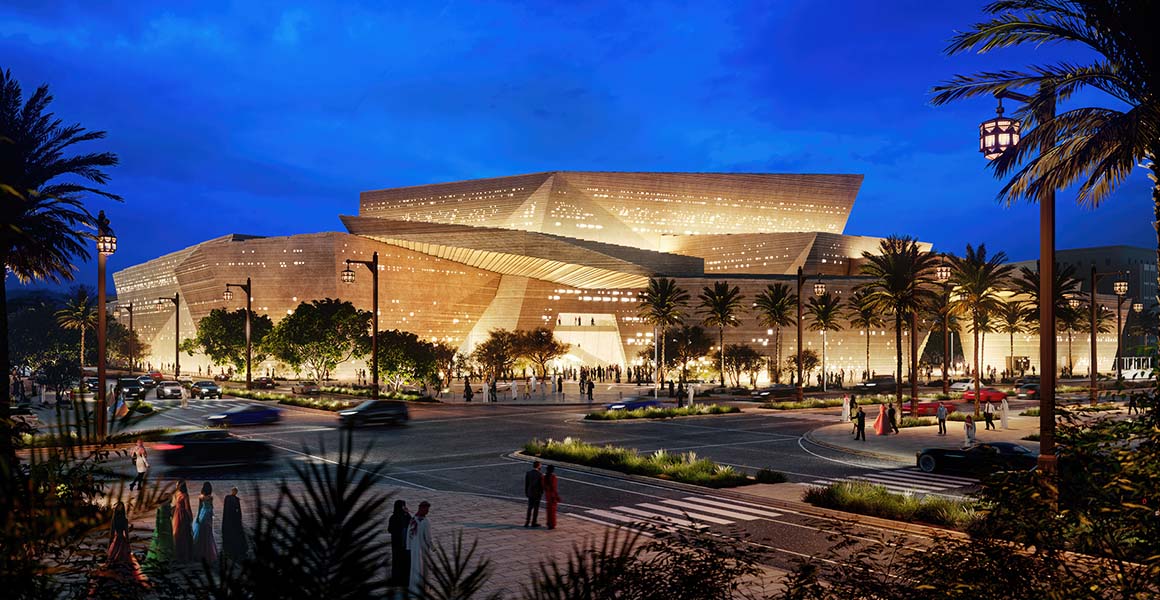
Inside The Royal Diriyah Opera House in Riyadh
Saudi Arabia’s first dedicated opera house opening soon
Subscribe to our newsletter and receive a selection of cool articles every weeks
You can unsubscribe at any time. To find out more, please visit our privacy policy.