

Charms through the ages — How a simple bracelet became a symbol of storytelling
Teresa Leppich

Jangling charm bracelets tell stories, reflect moods and are eternal eye-catchers
The many charms in various shapes and colours, each with its own meaning, make this piece of jewellery the most personal of all: the charm bracelet. Film diva Marlene Dietrich, the style icon of the 1930s, wore her bracelet as a good luck charm every time she boarded a plane.
Comparable models were already knotted from leather in the Neolithic period, with carved charms made of wood, shells, or bones. The ancient Egyptians also wore charm bracelets to protect themselves from evil.

But where does the unusual name of this piece of jewellery come from? Often, the individual charms are souvenirs from vacation spots, gifts, or desired items, so they tell a story. Queen Victoria had (as so often) a hand in the history of the charm bracelet. As a pioneer of many jewellrey trends, she wore charms with pictures or locks of hair from her loved ones on her wrist in the 19th century. In the 20th century, the materials became more precious.
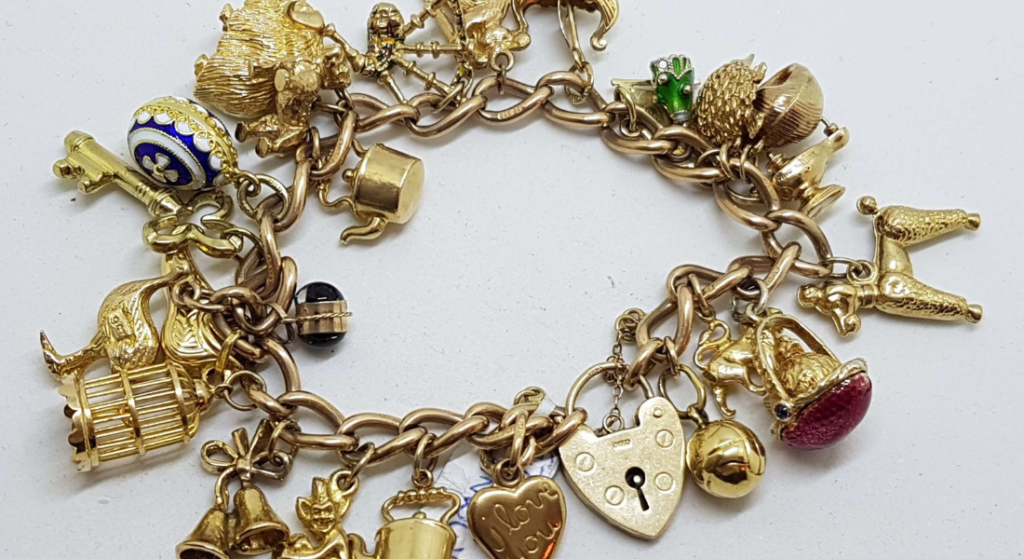
Houses like Boucheron and Cartier made platinum, diamonds, and gemstones sparkle. Some models adopted themes such as jazz, love, or travel. The charms could be purchased individually and personalised. This is what makes the charm of the bracelets. From the fifties onward, they were especially given to young girls, who received a new charm for every occasion. And sometimes great divas like Ava Gardner were little girls again...
Follow Us

The Latest
-

Wellness
The science behind peptide injections
All the risks behind the so-called miracle treatments
-

Travel
Detox hotels to book for your next getaway
Check in, to check out at these beautiful resorts
-

Travel
Discovering Singapore’s green allure
Exotic, diverse, lush. The garden city of Singapore nurtures culture, fine dining, and an environmentally oriented plan for the future
-

Travel
Inside The Royal Diriyah Opera House in Riyadh
Saudi Arabia’s first dedicated opera house opening soon
Subscribe to our newsletter and receive a selection of cool articles every weeks
You can unsubscribe at any time. To find out more, please visit our privacy policy.