

Eco chic: The smart woman’s guide to sustainable luxury
Hoda Ghavidel

How can we make more eco choices with our clothes
Amidst the clamour of modern-day discourse, one term continues to resonate: Sustainable fashion. Yet, as ubiquitous as it may seem, the true essence behind these words often remains elusive. What exactly does it entail, and more importantly, how can we navigate this realm to make eco-chic choices?
Tomorrow's leading companies are actively embracing a circular economy approach to their operations. You might ask, what is a circular economy? It's an economic model dedicated to establishing a closed-loop system, continuously reusing resources to reduce the necessity for new resource extraction and diminish environmental impact.
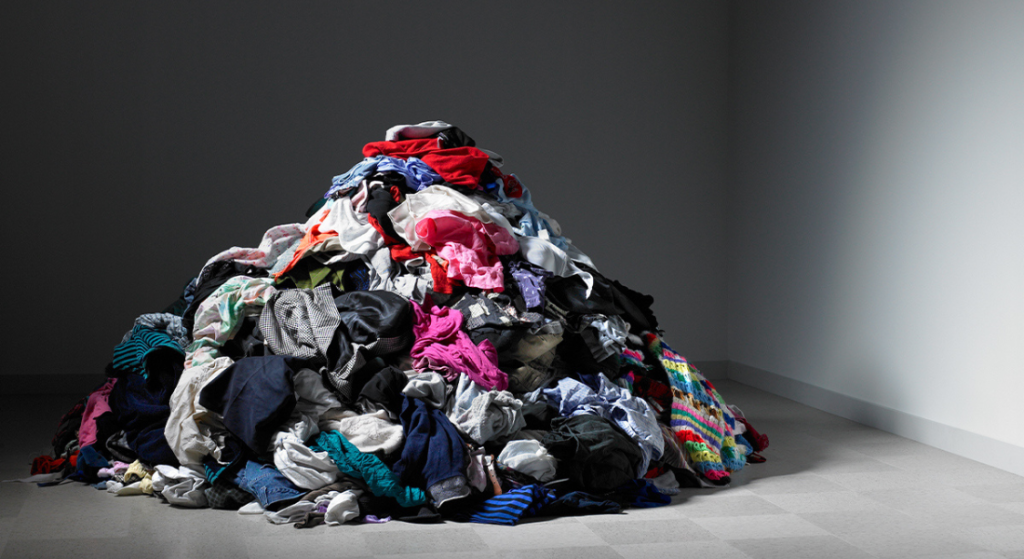
I admire brands that actively embrace sustainability, employing strategies to minimise waste, conserve energy, and incorporate recycled materials in their production processes to reduce their environmental impact. Below, let’s explore a selection of brands committed to sustainability.
Why choose "Biodegradable"?
Biodegradable products can be broken down into simpler compounds by natural processes, such as bacteria or fungi, over time. These materials decompose into harmless substances and do not persist in the environment, unlike non-biodegradable materials, which can accumulate and cause pollution for up to hundreds to thousands of years without breaking down significantly.
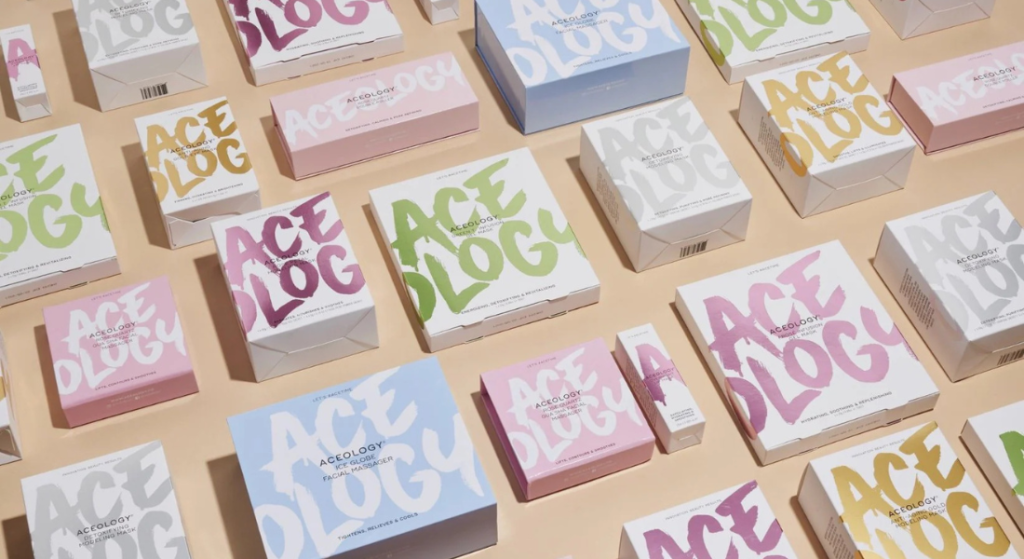
One of the Australian beauty brands I adore, ACEOLOGY, provides biodegradable face masks. My favourite is the Hyaluronic Acid Intensive Repairing Biodegradable Mask. Additionally, they've implemented other sustainable practices, such as eliminating plastic trays in single-use masks and offering a liquid version of single-use masks to decrease our carbon footprint.
Reduce, Refill, Reimagine
Refilling beauty products aligns with principles of sustainability by reducing waste, conserving resources, minimising carbon emissions, and promoting conscious consumption practices. By reusing existing packaging, less waste is generated, leading to a reduction in environmental pollution.
Hermès Beauty presents a collection of refillable beauty products, allowing for effortless swapping of old products with new ones. Among my favourites is the Rose Hermès Rosy Lip Enhancer, and with Hermès lipsticks, you can always acquire refills in various shades while retaining the same cover. Bear in mind, they also have some beautiful limited-edition lipsticks that you can keep and reuse. Additionally, the Glow Mineral Powder is a staple in my daily routine and is also refillable.
Since 1992, Mugler has embraced refill options for its perfumes, initiating a practice that has stood the test of time. "The purchase of a 90ml Alien refillable bottle and its refill at the fountain allows for savings of 100% metal, 88% plastic, 54% glass, and 56% cardboard compared to purchasing two new Alien bottles."
Blooms in a Bottle
Matière Première, translating to "Raw Material," embodies its name by spotlighting natural ingredients in its formulas. With sustainable practices across its development chain, including sourcing from organic plants and maintaining its own farms, the brand emphasises respect for nature in its creative process. Matière Première selects premium global raw materials, prioritising organic and fair-trade practices, and MATIERE PREMIERE perfumes contain between 85% and 92% natural ingredients. They are vegan, phthalate-free, and without any colouring agents.
Each year, in May, their roses are harvested meticulously over a 30-day period. Every morning, the roses are handpicked and swiftly transported to a nearby factory to produce Rose Centifolia Absolute, the essential component of RADICAL ROSE. This process ensures an exceptionally sustainable approach with a short supply chain.
Making Waves: Swimwear from Ocean Plastic Waste
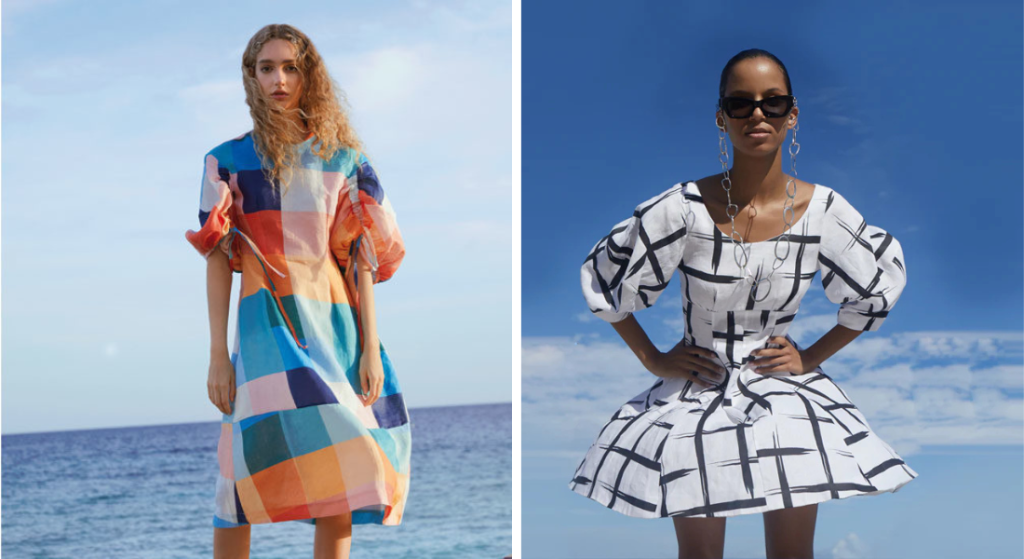
What could be more planet-saving than fashioning swimsuits out of ocean plastic? Paper London, a two-time recipient of the BFC’s contemporary brand of the year award, has partnered with the University of Nottingham Trent to find a way to recycle their swimwear.
Developed using conscientious production methods, PAPER London utilises ethically-sourced, sustainable materials such as linens, cotton, and merino wool in its primary collections. Additionally, their swimwear line is crafted from ECONYL® yarn, a fibre entirely regenerated from plastic waste found in the ocean.
Vegan Footprints
Let's delve into Pīferi, renowned for its exquisite vegan shoes, completely devoid of leather, animal products, and environmentally conscious to the core. But how exactly does this translate to being eco-friendly? According to their website, here are the stats: their Bio Vegan Nappa boasts a 13% lighter carbon footprint, slashes energy usage in the production process by 44%, and reduces CFC emissions by a significant 32% compared to traditional production methods.
Piferi vegan suede is crafted entirely from recycled PET, sourced from post-consumer waste such as plastic bottles that might otherwise clutter landfills or endanger marine ecosystems. Not only does this innovative material repurpose discarded resources, but it also delivers a decadently soft texture and a velvety finish, demonstrating that sustainability and sophistication can harmoniously coexist. Alfredo Pīferi explains: “Every pair of Pīferi shoes is wrapped in 100% recycled tissue paper and arrives nestled in a certified organic cotton dust-bag and recycled cardboard box; besides, the glue we use is water-based and both solvent and animal-free.”
Local Slow Fashion
Supporting local businesses reduces our carbon footprint by cutting transportation emissions. Local products travel shorter distances, leading to fewer emissions from transportation vehicles. Moreover, local businesses often employ sustainable practices like sourcing materials locally and minimising packaging waste, further reducing environmental impact. Thus, supporting local businesses fosters a more sustainable economy and environmental protection.
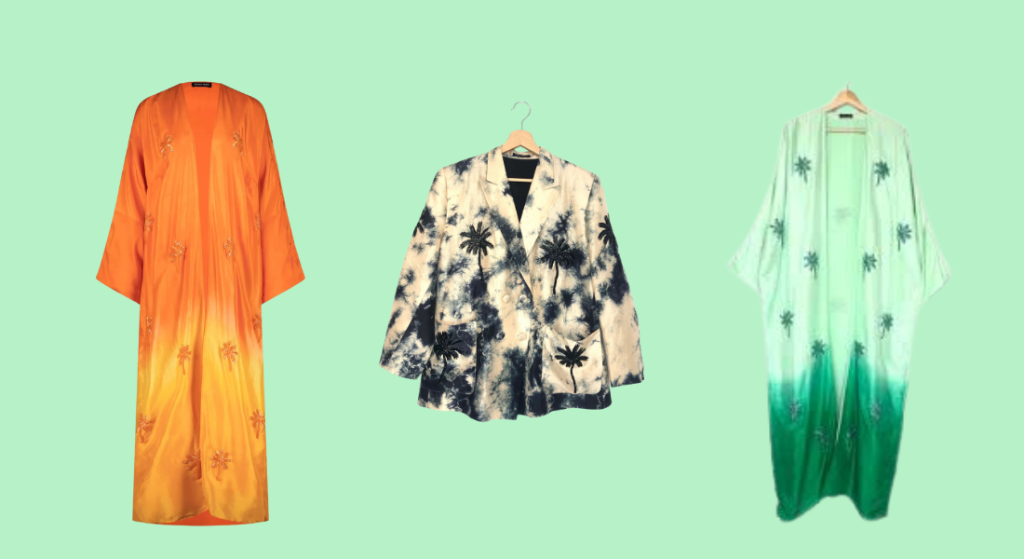
Sanah Yasin, a Dubai-based designer, stands out as one of my favourites. Her designs incorporate 100% raw silk, renowned for its beauty, longevity, and eco-friendly qualities. From jackets to abayas, her creations showcase the elegance of this biodegradable and renewable material. By opting for raw silk, she not only emphasises sustainability but also minimises environmental impact in the fashion industry.
Another beloved local designer, Katya Kovtunovich, crafts her abayas locally in Dubai, ensuring minimal transportation. Her stunning pieces cater to beachwear, events, and everyday use, drawing inspiration from Dubai's culture and traditional Bedouin textile "Sadu", transformed into high-fashion fabric in Katya's skilled hands. She advocates for minimal packaging, avoiding extra boxes and plastic. She exclusively uses wooden hangers during production and continually reuses the same plastic covers for garments, maintaining them for three years.
Let’s Talk Denim
I recently discovered a comfortable pair of jeans by DL1961 that I adore, and what makes them even more appealing is their sustainable approach. Denim, despite its popularity, isn't the most environmentally friendly material, as denim production typically requires large amounts of water, both in the cultivation of cotton and in the dyeing and finishing processes. DL1961 utilises less than 10 gallons (37 litres) of water per pair of jeans, a stark contrast to traditional denim production methods that can consume up to 1500 gallons (5500 litres) per jean. DL1961 achieves water reduction through specialised dyeing and finishing techniques, conserving water compared to conventional methods. Additionally, 98% of the water used in their in-house treatment plant is treated and recycled. The factory also integrates solar panels and heat regeneration technology to minimise its ecological footprint while producing clothing.
Knowledge is Power

Luxury e-commerce platforms such as NET-A-PORTER are increasingly prioritising sustainability by spotlighting their eco-friendly offerings, empowering consumers to make mindful choices. As a busy working mom, I appreciate the convenience of online shopping but strive to ensure my purchases align with my values of mindfulness and sustainability. NET-A-PORTER's NET SUSTAIN encourages consumers to invest in consciously crafted, lasting luxury across fashion, jewellery, beauty and homeware. Every product is carefully selected to ensure it meets at least one of the nine key attributes: locally made, craft and community, considered materials, considered process, considered ingredients, reducing waste, animal welfare, vegan, and designed for circularity.
Follow Us

The Latest
-

Wellness
The science behind peptide injections
All the risks behind the so-called miracle treatments
-

Travel
Detox hotels to book for your next getaway
Check in, to check out at these beautiful resorts
-

Travel
Discovering Singapore’s green allure
Exotic, diverse, lush. The garden city of Singapore nurtures culture, fine dining, and an environmentally oriented plan for the future
-

Travel
Inside The Royal Diriyah Opera House in Riyadh
Saudi Arabia’s first dedicated opera house opening soon
Subscribe to our newsletter and receive a selection of cool articles every weeks
You can unsubscribe at any time. To find out more, please visit our privacy policy.