

FOLLOWING HER OWN RULES
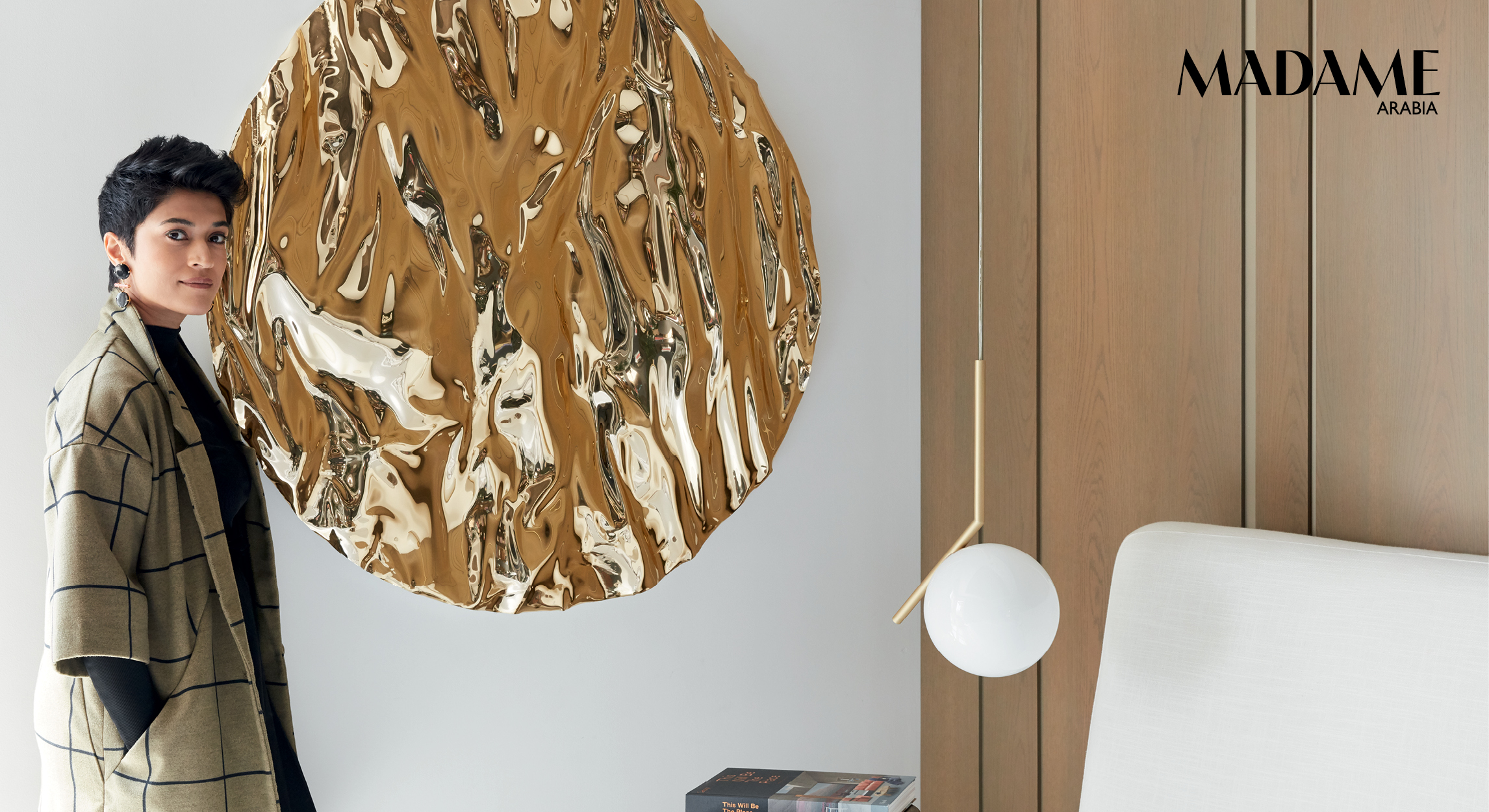
In conversation with Pallavi Dean, founder of Design By ROAR, as she opens up on balancing motherhood and creativity, and leading her homegrown company to global expansion.
"I’ve never wanted to be a designer who only creates beautiful visuals. I’m very focused on what we deliver to clients and meeting their expectations,” explains Pallavi Dean, the founder of the UAE-based interiors design and architecture studio, Design By ROAR.
This refusal to be confined to a single design style, combined with her colourful and immediately infectious personality, has helped ROAR grow from a small Dubai-based studio into a global practice.
A trained architect, designer, and entrepreneur, Dean founded ROAR in 2013. What began as a search for flexibility while raising her young family quickly evolved into something far bigger.
“I launched ROAR when I was pregnant with my second son,” she reveals. “I needed flexibility and autonomy as a new mum. I thought I would take on one or two freelance projects and slow down. Instead, it snowballed into a full studio.”
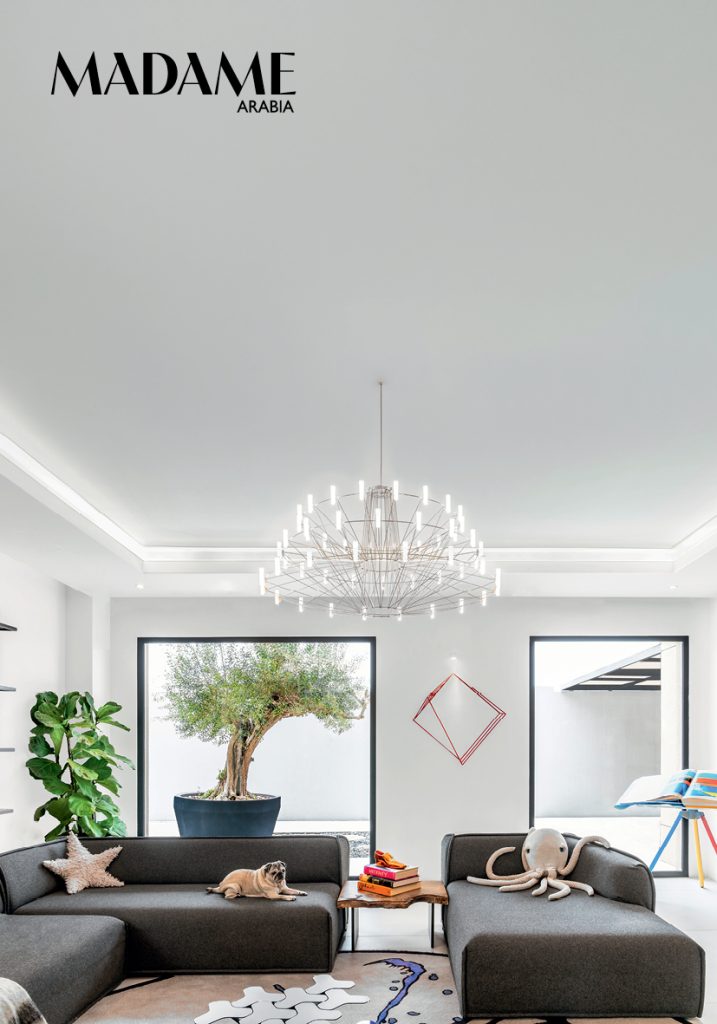
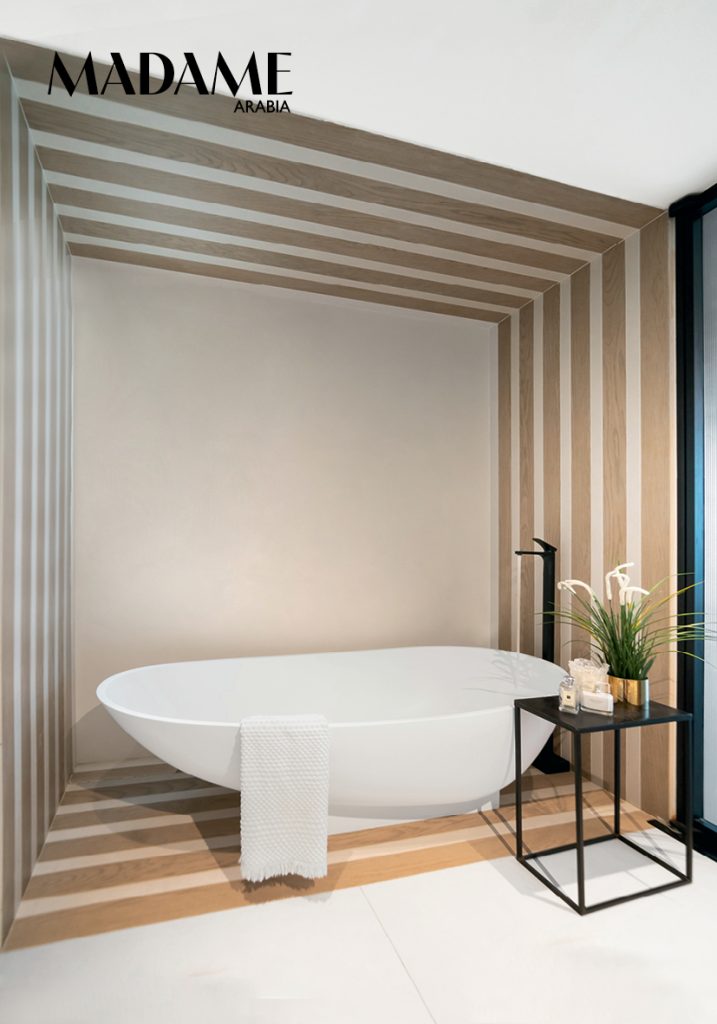
The company’s growth has been defined by a design philosophy rooted in adaptability. Dean has never been interested in imposing a recognisable visual identity across projects. Instead, she focuses on understanding how people live, work, and interact with space.
“If I’m designing your space, it should reflect you. The client defines the destination, and I guide how we get there,” she says. This personal approach is arguably what has made ROAR so successful.
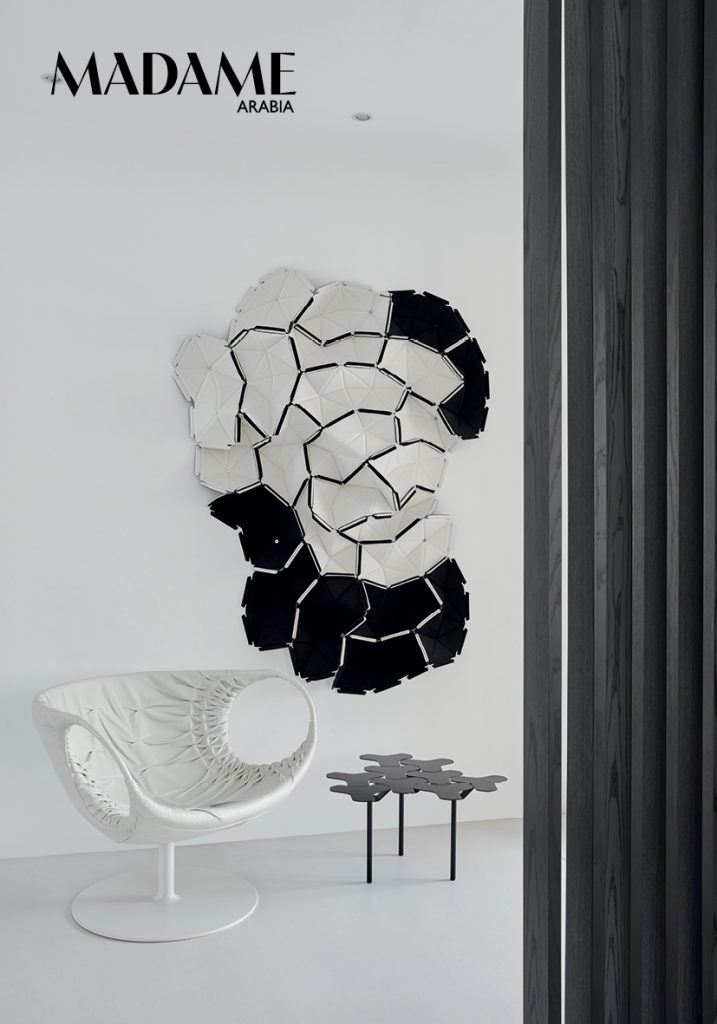
Clients are drawn not only to the studio’s work, but to Dean herself. Her energy, openness, and ability to translate complex ideas into accessible outcomes have become central to the company’s identity. In parallel is her commitment to evidence-based design. As a trained sustainability specialist and former professor of design, Dean approaches projects through research, neuroscience, and behavioural psychology. Her work is aimed at creating environments that support focus, creativity, and wellbeing, rather than simply visual appeal. This has helped shape major projects with regional and international clients.
Today, that approach is taking ROAR beyond the UAE as the studio expands across the Middle East, North America, Europe, and Asia. “We decided last year to fully embrace becoming a global practice,” Dean shares. “We’ve delivered a project in Chicago, signed another in Boston, and are developing a boutique hotel in Bali.”
International expansion is also helping the business navigate a more uncertain regional landscape. With geopolitical tensions continuing to affect the Middle East, diversification has become essential. Dean remains pragmatic about the challenges but confident in the studio’s resilience. “After COVID-19, we brought production in-house and diversified across sectors and geography,” she says. “That has helped us stay resilient. I don’t over-analyse uncertainty. You can plan endlessly, but reality often unfolds differently. I focus on staying adaptable and taking things one day at a time.”
Beyond the boardroom, Dean prioritises her role as a mother, finding ways to balance business with family life. “I am very structured,” she say. “I compartmentalise into four buckets – me, family, work, and everything else. Time with my children is non-negotiable.” This balance, she believes, is key not only to personal success but also to sustainable leadership.
She is also keen to share her advice for women considering entrepreneurship. “First, gain experience. Put in 10,000 hours working for others before launching your own business. Learn your lessons while working for others,” she says. “And secondly, entrepreneurship isn’t for everyone. It requires resilience, risk tolerance, and adaptability.”
As ROAR continues its global journey, Dean remains focused and prioritises steady evolution. “It’s not my style to do long term predictions, but even a two percent improvement in efficiency is a success. My focus is continuous improvement.” It’s a philosophy that mirrors her approach to design itself – flexible, human-centred, and constantly evolving.
Follow Us

The Latest
-

Wellness
The science behind peptide injections
All the risks behind the so-called miracle treatments
-

Travel
Detox hotels to book for your next getaway
Check in, to check out at these beautiful resorts
-

Travel
Discovering Singapore’s green allure
Exotic, diverse, lush. The garden city of Singapore nurtures culture, fine dining, and an environmentally oriented plan for the future
-
Travel
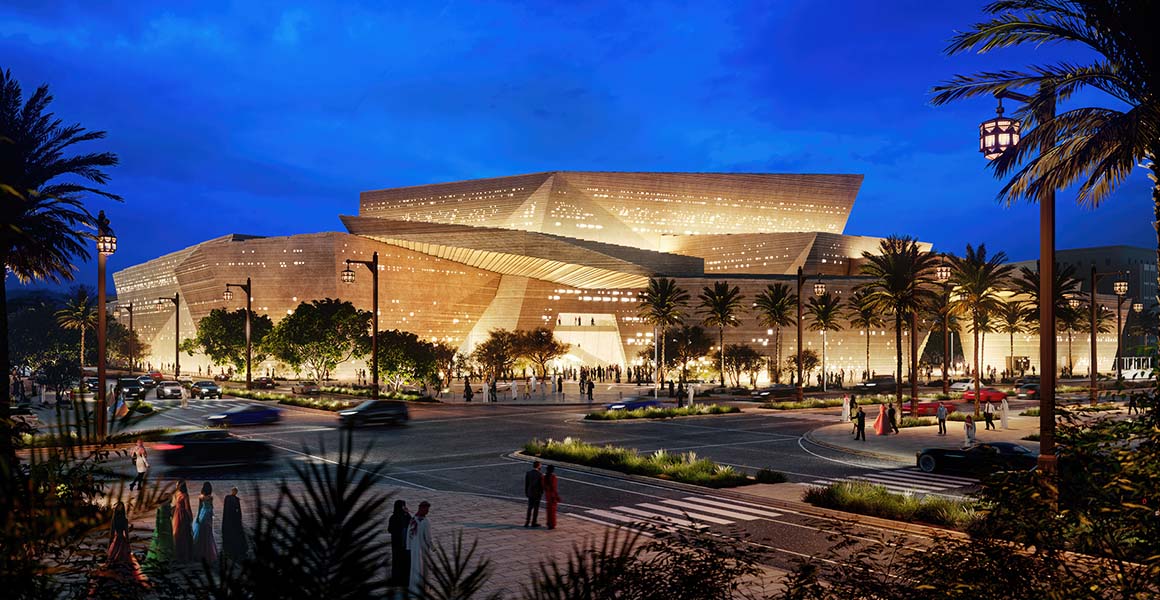
Inside The Royal Diriyah Opera House in Riyadh
Saudi Arabia’s first dedicated opera house opening soon
Subscribe to our newsletter and receive a selection of cool articles every weeks
You can unsubscribe at any time. To find out more, please visit our privacy policy.