

From Couture to Conscious: How Fashion Houses Are Redefining Sustainability
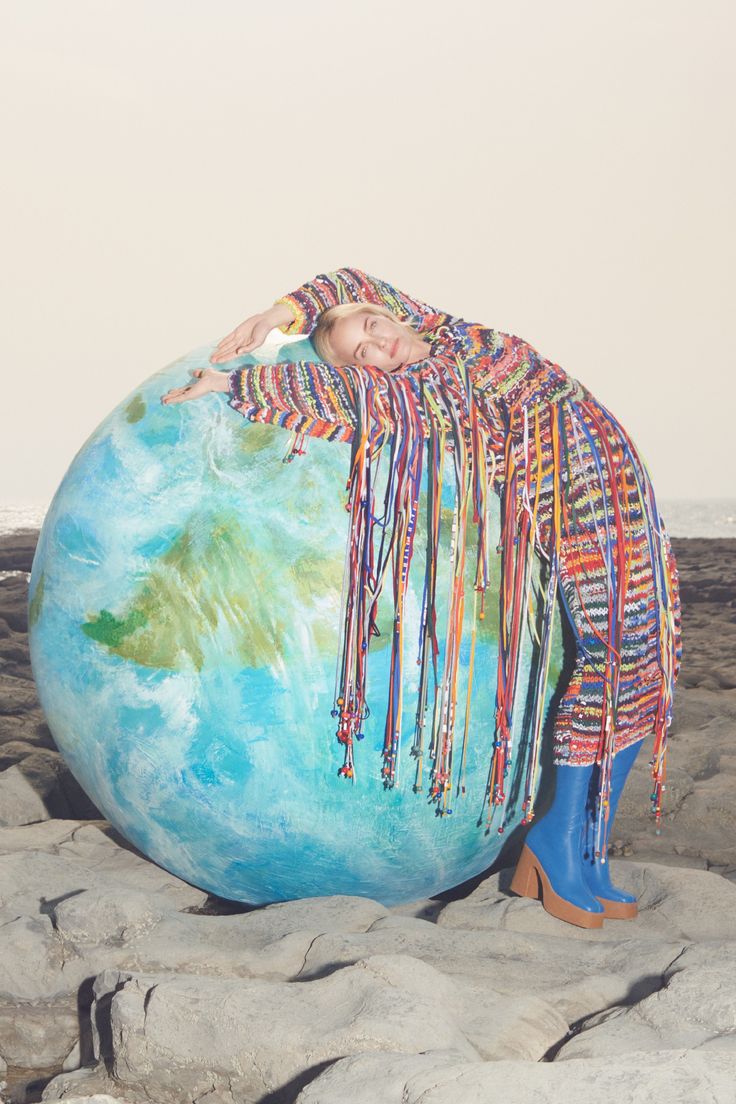
In luxury fashion, sustainability is no longer a side conversation, it is becoming part of the design language itself. What was once framed as responsibility is now being redefined as refinement: a quieter, more considered approach to creation that values longevity, craftsmanship, and material intelligence over excess.
For heritage houses, this shift does not feel entirely new. The foundations of couture - precision, quality, and time, have always aligned with the principles of sustainability. What is changing now is how these values are being articulated, modernised, and translated for a new generation that expects both beauty and accountability.
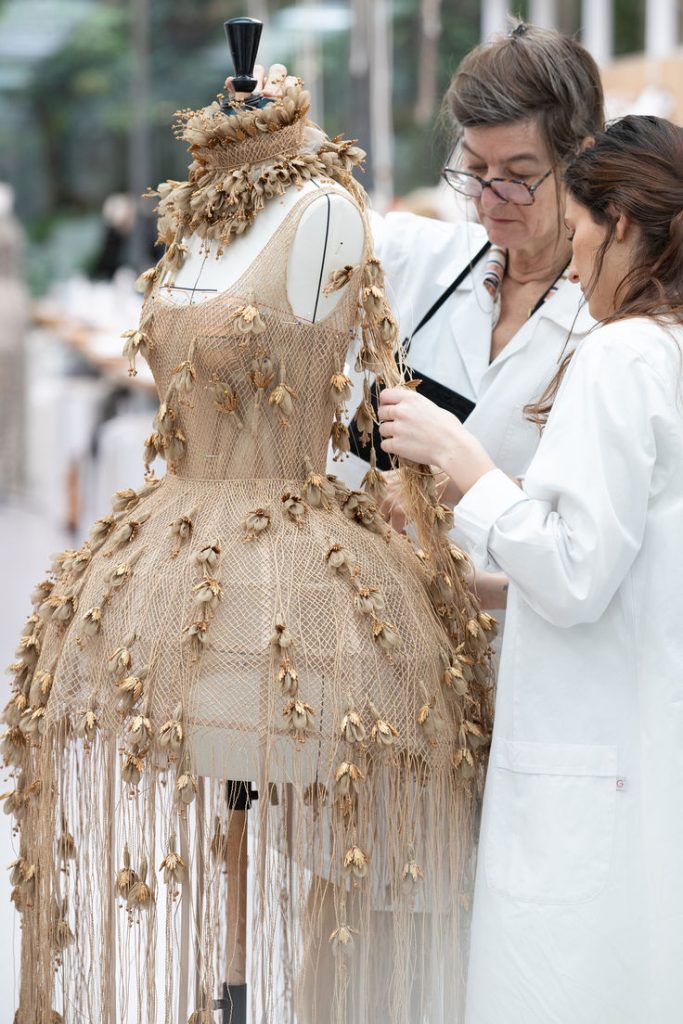
Sustainability in luxury begins with craft. Houses such as Dior and Chanel continue to invest heavily in preserving artisanal savoir-faire, not only as a marker of luxury, but as a long-term commitment to durability and cultural heritage.
At Dior, this is reflected through initiatives that prioritise responsible sourcing and traceability across collections, alongside a growing focus on eco-designed products that consider environmental impact from conception to production. The house has also invested in regenerative agriculture and biodiversity projects, recognising that sustainability begins far beyond the atelier.

Chanel, meanwhile, has taken a more structured approach through its Mission 1.5° climate strategy, committing to reducing its carbon footprint while maintaining its standards of craftsmanship. The brand has also invested in sustainable material innovation, including low-impact textiles and responsible sourcing practices, while continuing to support the preservation of artisanal métiers through its Métiers d’Art programme.
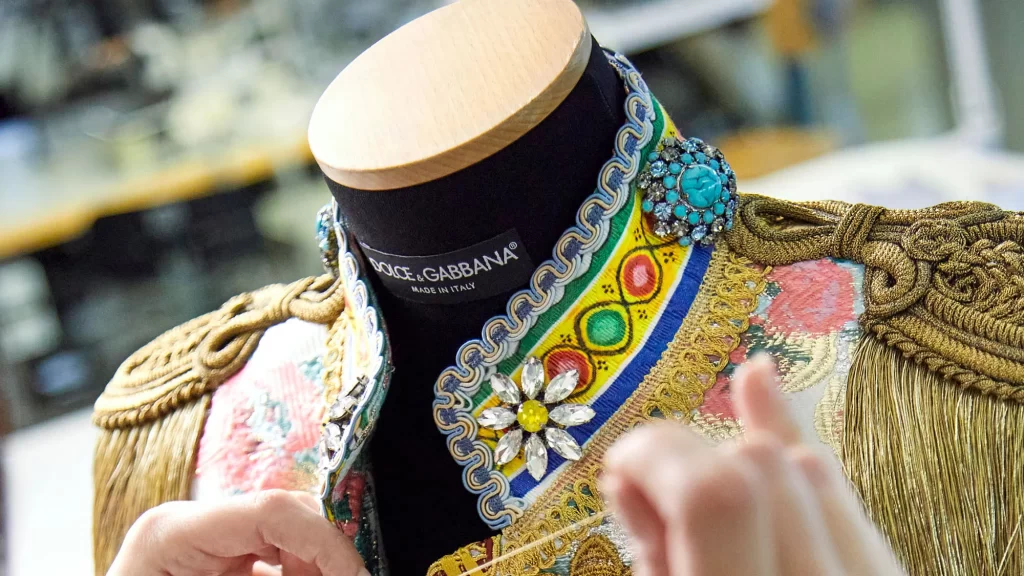
Similarly, Dolce & Gabbana has begun integrating more responsible practices across its production processes, focusing on localised craftsmanship, reduced environmental impact, and the preservation of traditional Italian artisanal techniques. This emphasis on locality reinforces sustainability through cultural continuity.
Together, these efforts demonstrate how craftsmanship and sustainability are no longer separate ideas, but deeply interconnected, where preserving tradition also becomes a way of protecting the future.
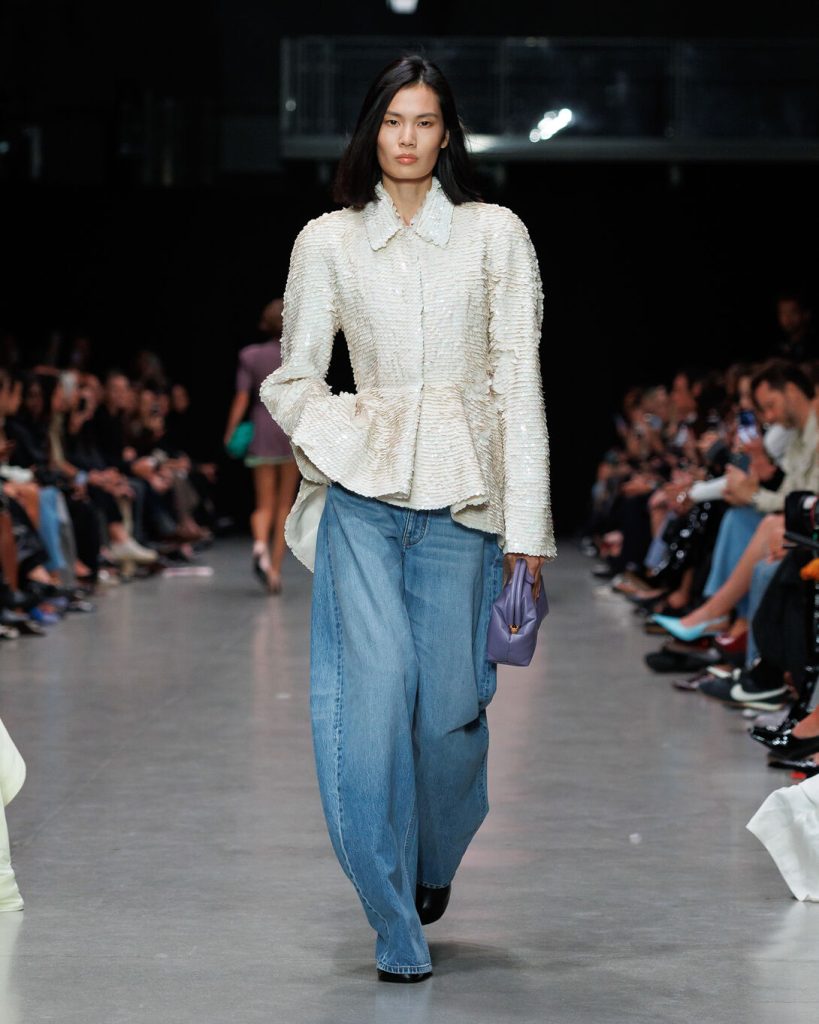
Alongside heritage, innovation is defining the next chapter. Brands such as Stella McCartney have long set the benchmark for sustainable luxury, pioneering alternatives to leather and fur while championing transparency across supply chains.
More recently, houses like Gucci have also accelerated their sustainability efforts through carbon neutrality initiatives, circular design strategies, and responsible sourcing programmes.

Equally significant is the shift in consumer behaviour. The modern luxury client is moving away from trend-driven purchasing towards a more considered approach, favouring timeless silhouettes and curated wardrobes over seasonal excess.
In the Middle East, this evolution takes on a distinct dimension. The region’s longstanding appreciation for craftsmanship, tailoring, and occasion dressing naturally aligns with the principles of longevity and care. Garments are often chosen with intention, carrying cultural and emotional significance that extends beyond seasonal trends.
Follow Us

The Latest
-

Wellness
The science behind peptide injections
All the risks behind the so-called miracle treatments
-

Travel
Detox hotels to book for your next getaway
Check in, to check out at these beautiful resorts
-

Travel
Discovering Singapore’s green allure
Exotic, diverse, lush. The garden city of Singapore nurtures culture, fine dining, and an environmentally oriented plan for the future
-
Travel
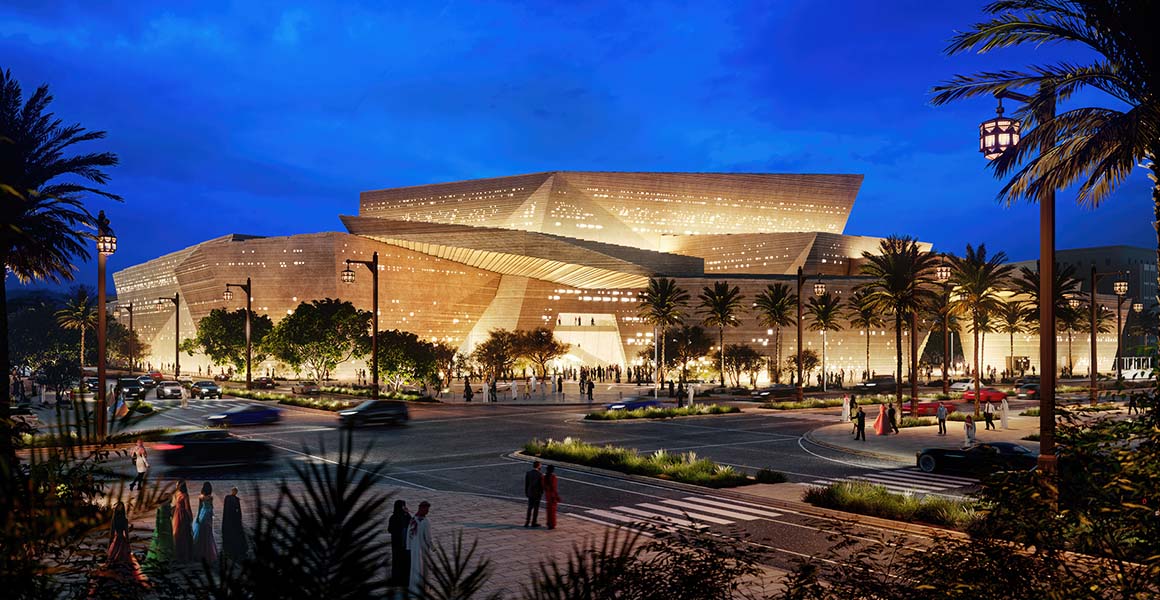
Inside The Royal Diriyah Opera House in Riyadh
Saudi Arabia’s first dedicated opera house opening soon
Subscribe to our newsletter and receive a selection of cool articles every weeks
You can unsubscribe at any time. To find out more, please visit our privacy policy.