

Future Proof: The New-Age Craftsmanship Revolutionizing Haute Couture
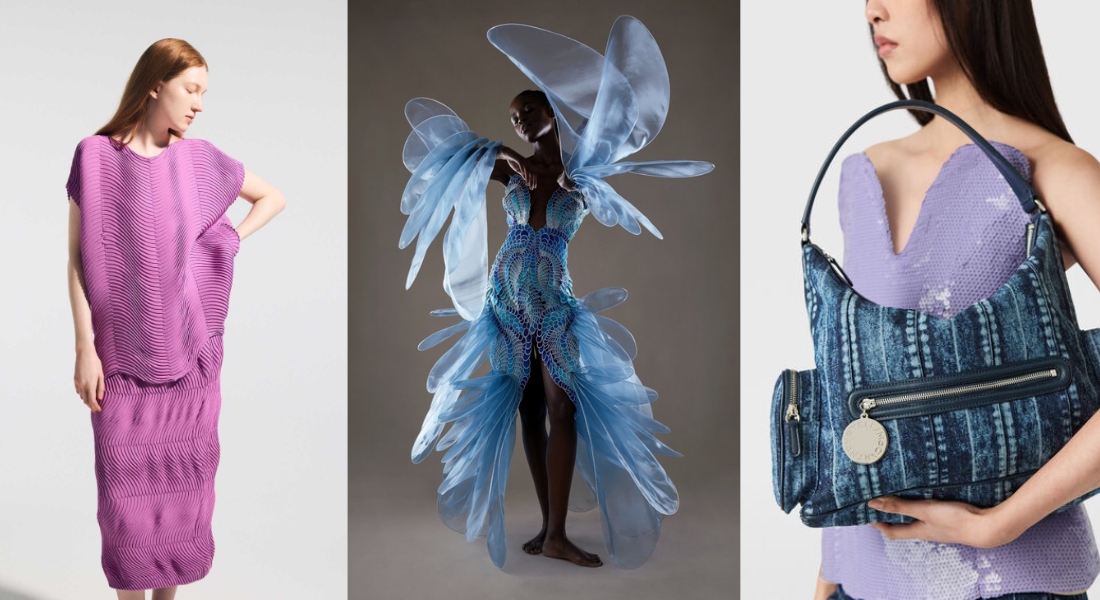
Rather than relying solely on traditional hand-stitching, pioneering ateliers are collaborating with bio-engineers, computer programmers, and roboticists to redefine savoir-faire. These distinct modern techniques, along with the designers and ateliers leading this evolution, are setting new standards for high fashion craftsmanship.
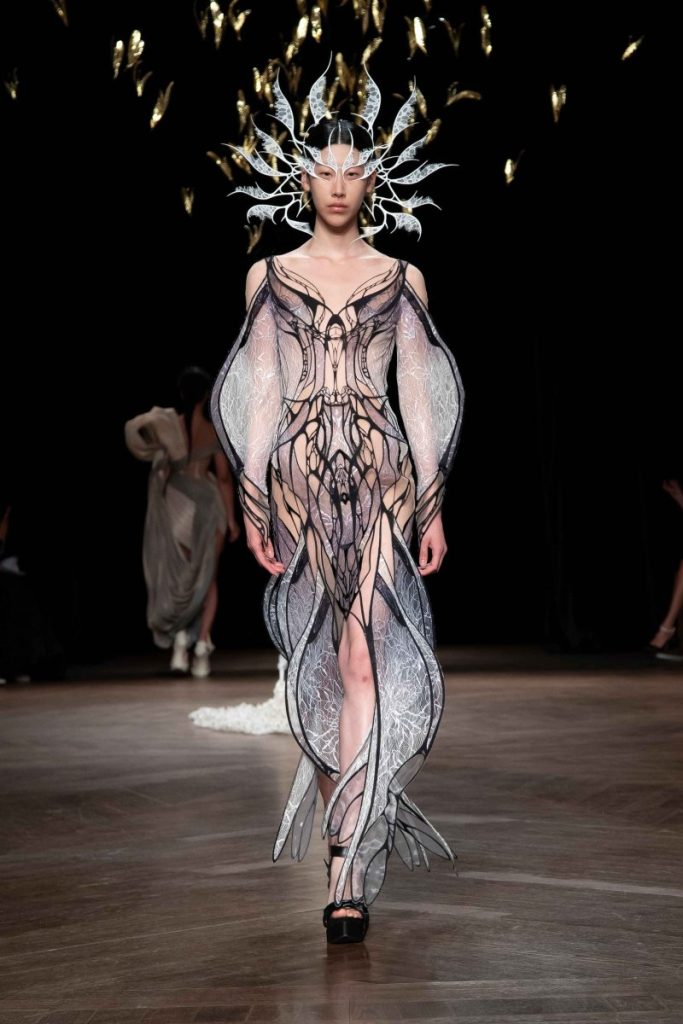
Parametric & Direct-to-Textile 3D Printing
Instead of cutting 2D fabric patterns from rolls of cloth, designers use parametric design software to model complex, organic geometries inspired by biology. Using multi-material printers, these patterns are directly printed onto delicate tulle, silk, or organza creating lightweight, kinetic 3D structures that move dynamically with the wearer.
Iris Van Herpen is a pioneer of haute couture 3D printing, creating ethereal gowns that look like fluid waves, skeleton lattices, or frozen energy.
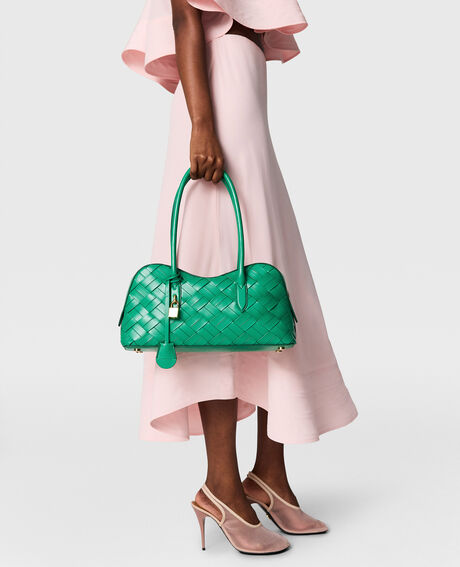
Bio-Fabrication
Replacing traditional animal leather and synthetic petroleum-based fabrics, bio-fabrication brews materials using fungi or fermentation microbes. Mycelium (root-like structures on fungi) is grown on organic waste into thick mats that mimic real leather, while bio-fermented spider silk injects spider DNA into yeast and bacteria to produce high-strength protein fibres that are biodegradable.
Stella McCartney, committed to never using leather, feathers, fur or skins since 2001, is a pioneer in biomaterials, crafting luxury handbags and outerwear using fine mycelium-based leather in partnership with Bolt Threads.
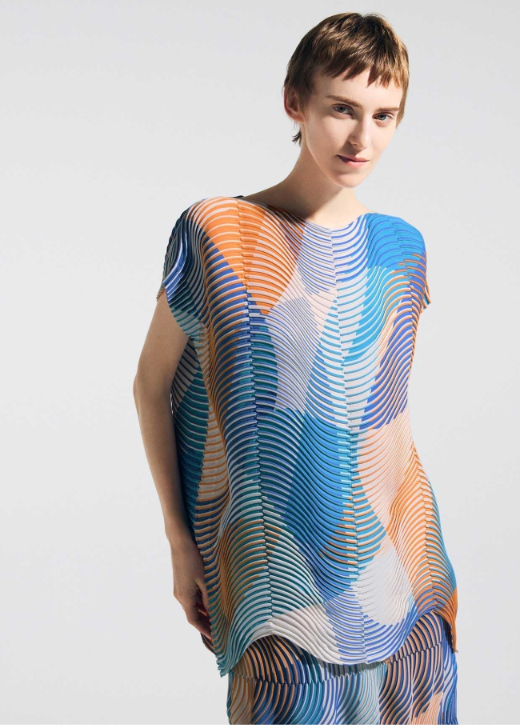
Zero-Waste Digital Weaving
Through 3D body scanners, designers capture a client’s exact measurements. Automated, computerised looms or robotic weaving machines then construct a seamless 3D garment in a single, continuous thread, generating zero offcut waste.
Issey Miyake, through its modern engineering arm, A-POC ABLE ISSEY MIYAKE, the house collaborates with software algorithms and metamaterials to apply origami engineering to textiles, eliminating traditional cutting and multi-panel sewing.
Follow Us

The Latest
-

Wellness
The science behind peptide injections
All the risks behind the so-called miracle treatments
-

Travel
Detox hotels to book for your next getaway
Check in, to check out at these beautiful resorts
-

Travel
Discovering Singapore’s green allure
Exotic, diverse, lush. The garden city of Singapore nurtures culture, fine dining, and an environmentally oriented plan for the future
-

Travel
Inside The Royal Diriyah Opera House in Riyadh
Saudi Arabia’s first dedicated opera house opening soon
Subscribe to our newsletter and receive a selection of cool articles every weeks
You can unsubscribe at any time. To find out more, please visit our privacy policy.