

Heritage reimagined
Harriet Shephard
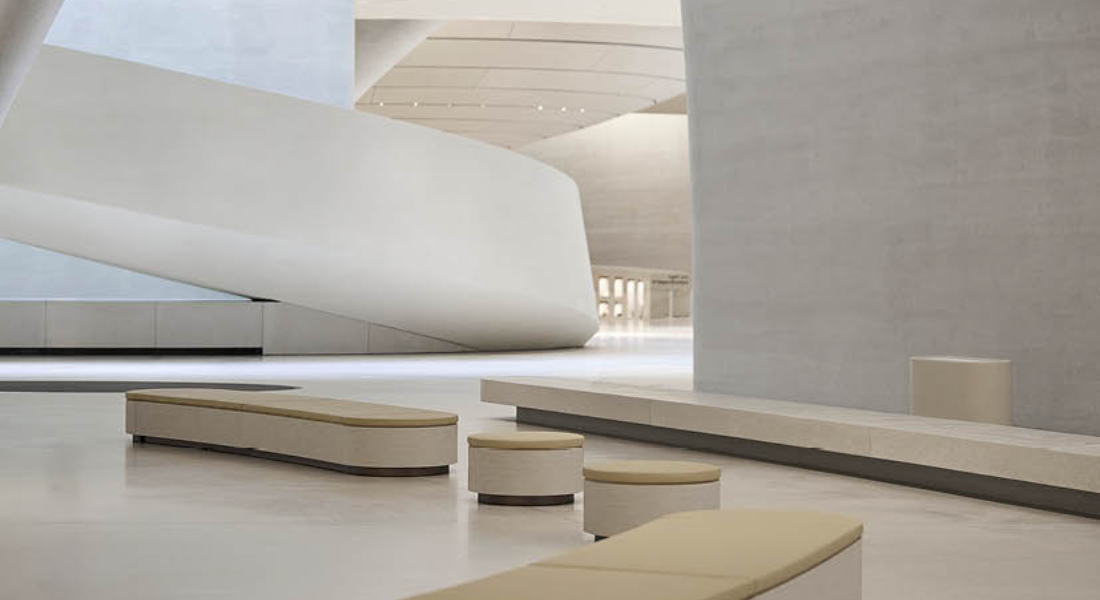
Meet Agata Kurzela, the interior designer behind some of the most spectacular spaces in the Zayed National Museum.
Agata Kurzela is no stranger to working on cultural landmarks and iconic experiences. The founder of Dubai-based Agata Kurzela Studio, she brings more than 20 years of experience working on major interior design and architecture projects across the Middle East as well as Europe.
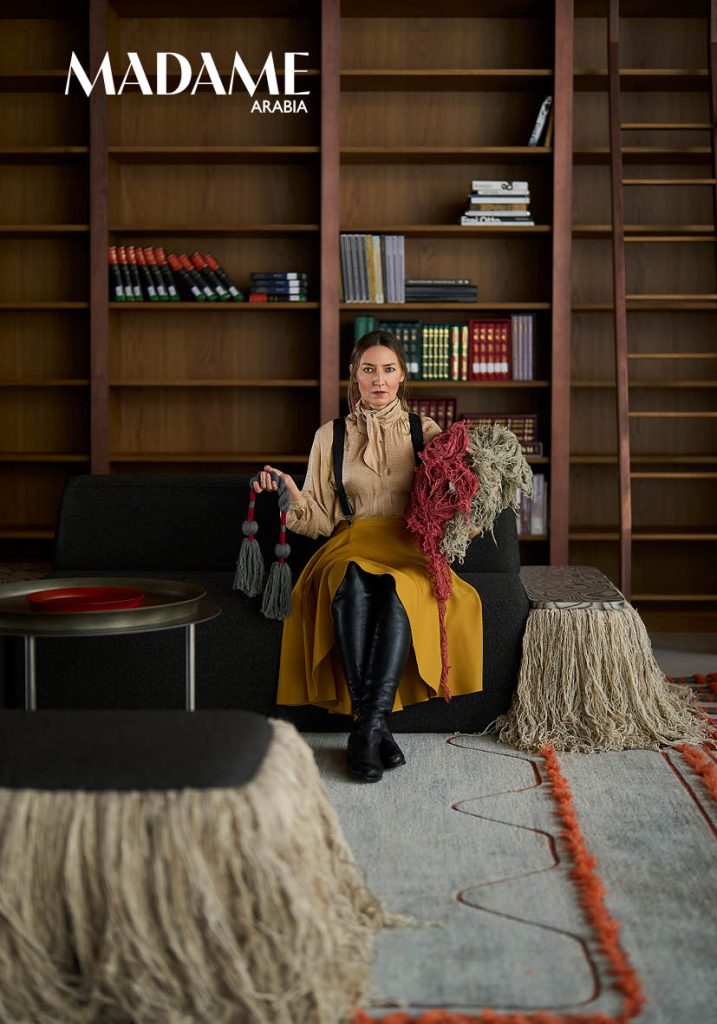
Yet, the architect and designer’s most recent project in Abu Dhabi was arguably her most momentous one yet. This time, Kurzela was appointed to curate several public, VIP, and research spaces inside the Zayed National Museum, allowing her to play a crucial role in shaping one of the most important cultural attractions to ever launch in the UAE.
“I felt extremely honoured to be entrusted with a project of this importance, and, at the same time, very aware of the responsibility that came with it,” she says. “It was an exciting process, particularly because of how collaborative the project was. All the designers and everyone on our team felt that.”
The museum, located within Abu Dhabi’s Saadiyat Cultural District, is housed in a magnificent, falcon-inspired building. Inside, Kurzela’s finished interiors act as expressions of lived culture, carried forward through the voices of contemporary Emirati designers.
“The museum’s exhibitions celebrate the history and stories of the UAE, and our intention was not to compete with the exhibitions, but to continue them,” Kurzela shares.
When it came to selecting which Emirati artists and designers would contribute to the project, the designer explains that they didn’t have a fixed list of names in mind. Instead, the line-up evolved throughout the process. “Our selections were based on the quality and relevance of each artist’s practice. What mattered to us was the clarity of the work, and how it contributed to the entire project,” she reveals.
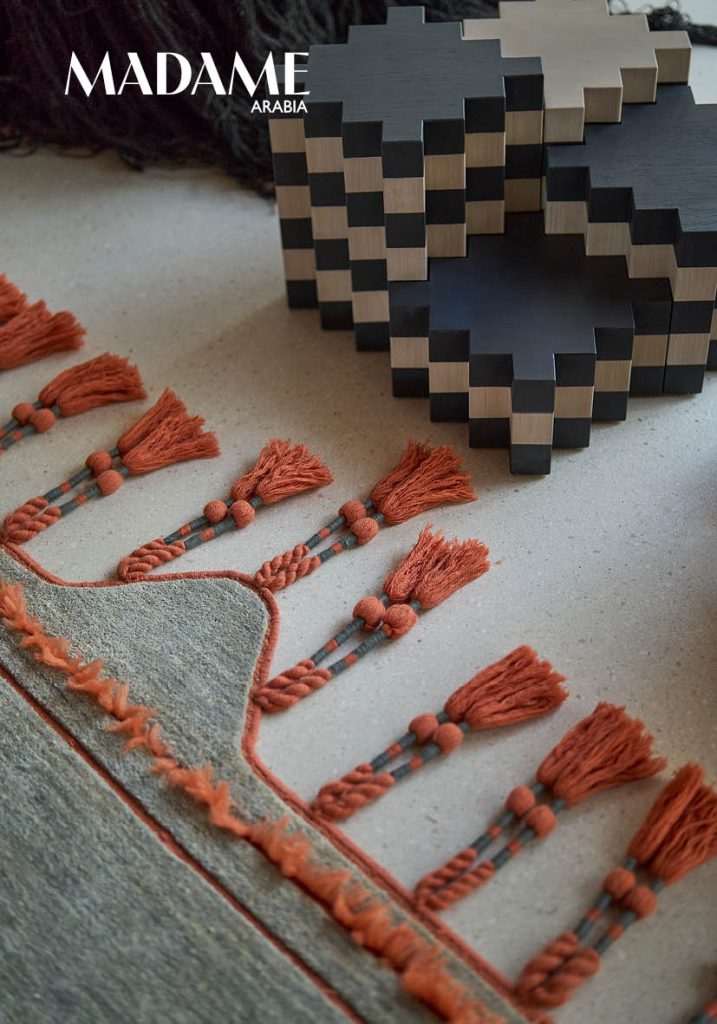
With this in mind, Kurzela brought together a mix of both emerging and established Emirati designers. “We work continuously within the region,” she says. “So, many of the collaborations in the museum were developed out of existing dialogues with designers, encounters I’ve had at exhibitions, and independent research.”
“The diversity of our chosen artists allowed us to create a complexity and richness which otherwise wouldn’t have been possible,” she adds.
Most of the artworks and furniture provided by the artists were developed specifically for the project. “In that sense, the contributions are not just applied to the interiors, but deeply embedded within them,” notes Kurzela, highlighting that the artists were encouraged to think innovatively and creatively.
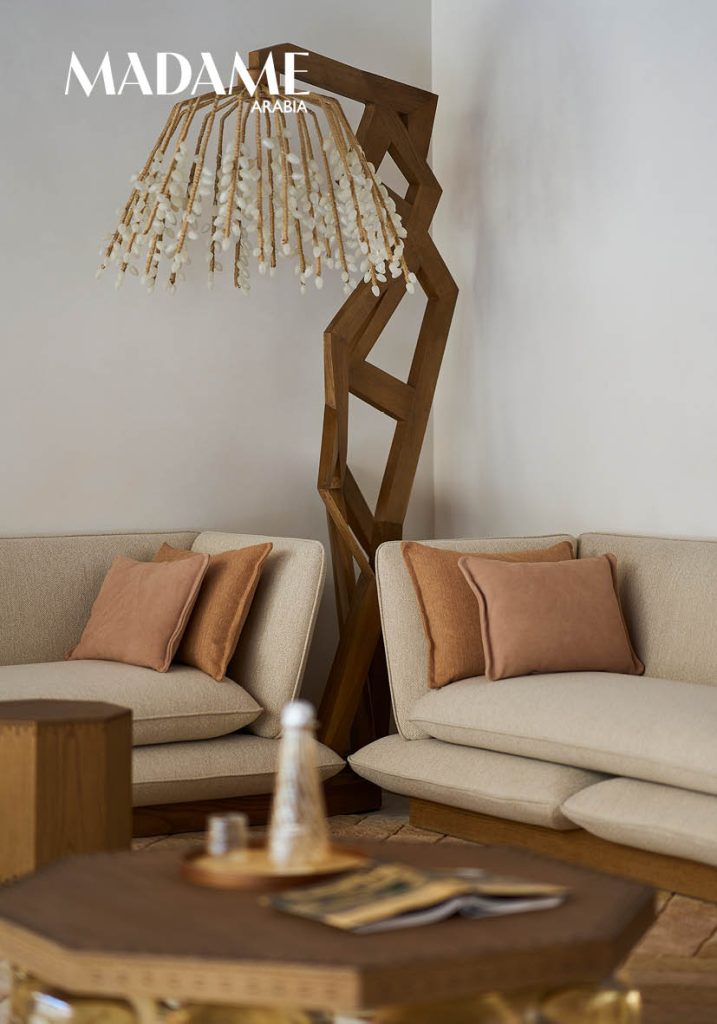
“We wanted to avoid a strictly top-down process. Instead, we encouraged experimentation between the designers and makers and their materials, and let that shape the final outcome,” she elaborates. “The process was therefore relatively long, mainly because of how much prototyping and development were involved, and significant time was intentionally left for testing and refinement. This also reflects our belief that culture is not static, but instead something that continuously evolves.”
Visitors to the museum can expect to encounter modular seating and tables by Abdalla Almulla, and arrival space furniture by Omar Al Gurg. Aljoud Lootah collaborated on the majlis seating, while the lighting was developed with Roudha Al Shamsi, Alya Al Ghefeli, Khalid Shafar, and UAE-based interior design studio Lodge Interiors.
Other notable contributions include the carved stone wall panels by Afra Al Dhaheri and works in the Research Library by Latifa Saeed. Many of the communal spaces also reflect the social aspects of Emirati culture. “The low seating and spatial proportions are similar to thosefound in traditional houses and tents,” Kurzela says. “However, we never intended to directly recreate these spaces but simply evoke memories and feelings. They provide subtle cues that open up broader conversations about culture, nature, rituals, and the passing of seasons.”
Of all the spaces designed by her team, Kurzela is most enamoured with those shaped directly by natural daylight. “The architecture by Foster + Partners is stunning, and the main public areas where light filters through the skylights are sublime,”
she enthuses. “The quality of the light and the materials used are very powerful.”
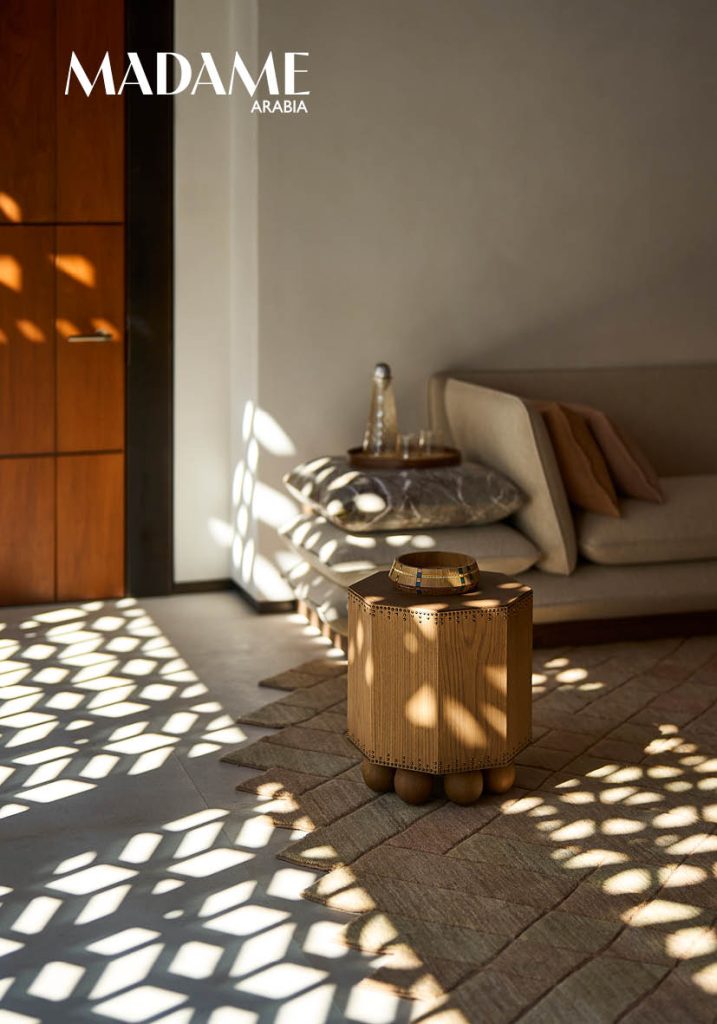
She goes on to share that the majlis areas around the museum’s courtyard are based on the cyclical nature of seasonal changes, and that they are designed to work with the way that the light changes throughout the day.
“The majlis that’s inspired by the winter season in the Al Durour calendar is oriented to the north, and its cooler, diffused “Meanwhile, the majlis that represents the hot summer has stronger and warmer light conditions.”
“I also have a soft spot for the Research Library,” she adds. “I love its quieter atmosphere and position overlooking the Magan boat.”
While the overarching design idea is rooted in tradition, Kurzela stresses that it is not bound by it. “The voices of the UAE’s younger designers are grounded in cultural awareness, yet they still operate with a certain freedom,” she says. “The project is not about preserving heritage as something static, but about allowing it to continue to be reinterpreted and extended.”
Since launching her studio, Kurzela has also completed prestigious projects for Erth Abu Dhabi, the Formula 1 Lounge, and the Abu Dhabi Government. “There is a certain responsibility in working with modern heritage,” she says as we conclude our conversation. “The challenge is understanding what to preserve, what to transform, and how to build continuity between the two.”
light intentionally brings out softer tones,” she explains.
Follow Us

The Latest
-

Wellness
The science behind peptide injections
All the risks behind the so-called miracle treatments
-

Travel
Detox hotels to book for your next getaway
Check in, to check out at these beautiful resorts
-

Travel
Discovering Singapore’s green allure
Exotic, diverse, lush. The garden city of Singapore nurtures culture, fine dining, and an environmentally oriented plan for the future
-
Travel
Inside The Royal Diriyah Opera House in Riyadh
Saudi Arabia’s first dedicated opera house opening soon
Subscribe to our newsletter and receive a selection of cool articles every weeks
You can unsubscribe at any time. To find out more, please visit our privacy policy.