

How High Jewellery Comes to Life
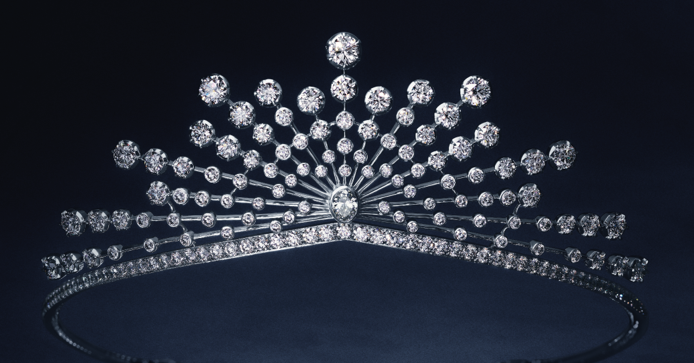
Behind every piece of fine jewellery that rests delicately on your body, there is an extraordinary journey that spans time and human genius. Long before a gemstone catches the light on a wearer’s skin, it undergoes a breathtaking transformation from earthly raw materials to handcrafted finery.
The Inspiration
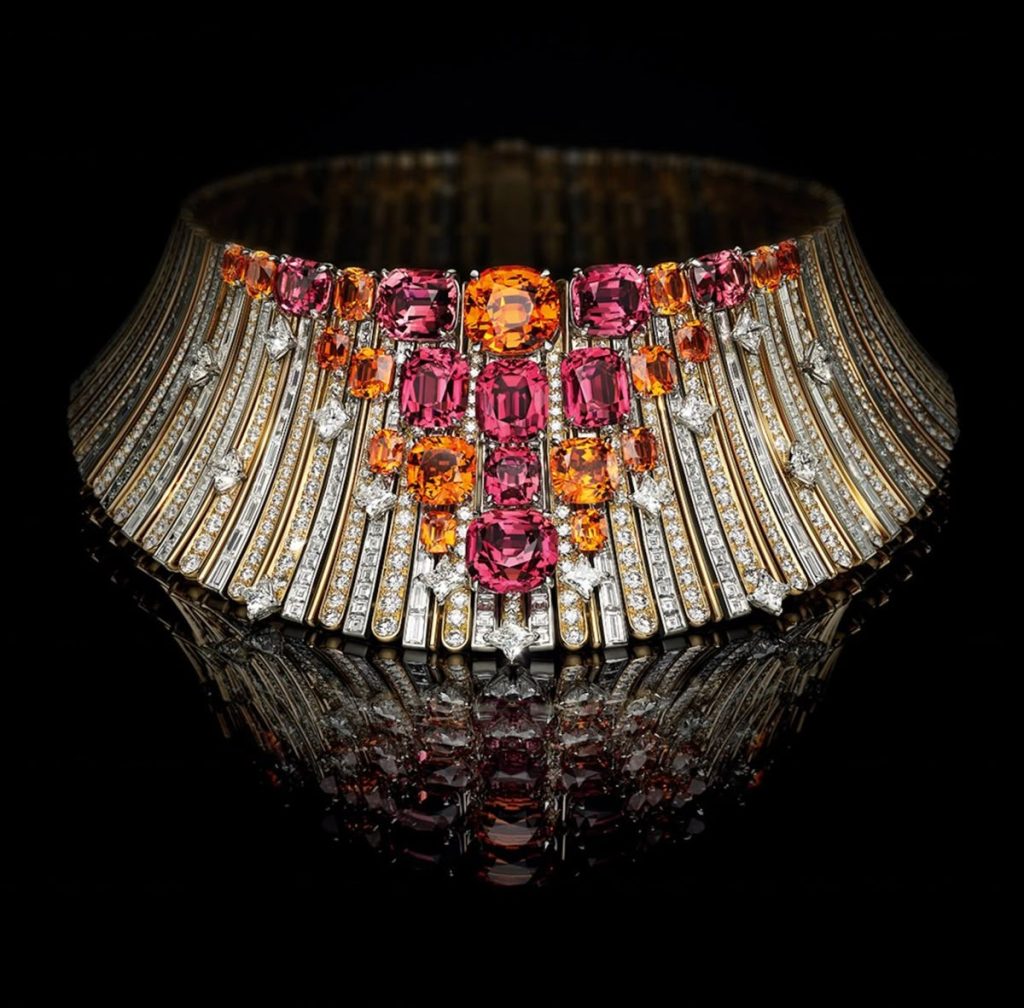
Like any piece of art, jewellery also begins with an idea, an inspiration. Inspiration can be found in all things tangible and intangible. A designer may imagine sharp, bold pendants inspired by geometric shapes or delicate chains inspired by a solemn state of mind. They may not entirely transition into the final piece, but they make for a strong starting point, anchoring the designer in the right direction.
The Design and Prototype
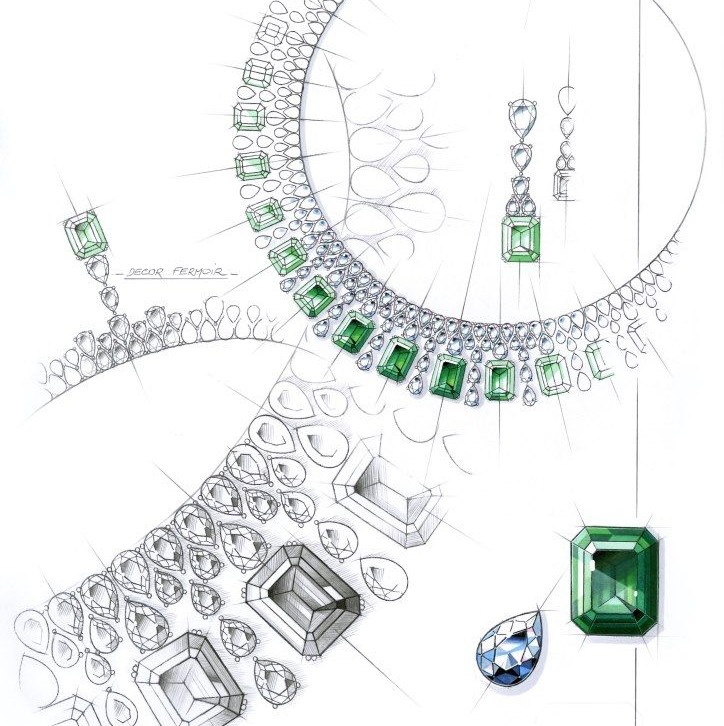
With a strong idea or inspiration, design takes a natural course. Many luxury houses still hand-draw their initial ideas. These sketches offer visual direction, capturing the size, shape, and proportions of the pieces. They also focus on how the shapes will rest on the wearer’s skin, how they play with light, and also what feelings they may evoke in the wearer.
Today, with the help of digital software, designers can create accurate 3D models that will set the course for the processes ahead. 3D models help determine the exact measurements, curve angles, and other details that are precise and feasible for the design.
The Materials
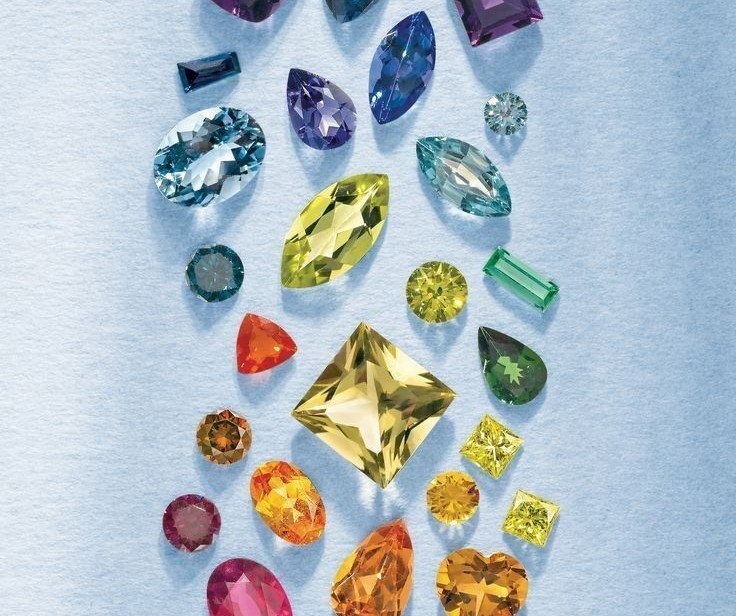
The most significant part of jewellery making, selecting the right materials, dictates the journey of the design from then on. With distinct characteristics of their own, each material brings a different quality to the designs. Gold, silver, platinum, and gemstones like diamonds, sapphires, and rubies all evoke a unique quality. Their malleability and light-reflective nature also determine their selection.
Modern luxury houses prioritise traceability and ethical sourcing of their raw materials, ensuring that these minerals are extracted without human exploitation and environmental disruptions.
The Model
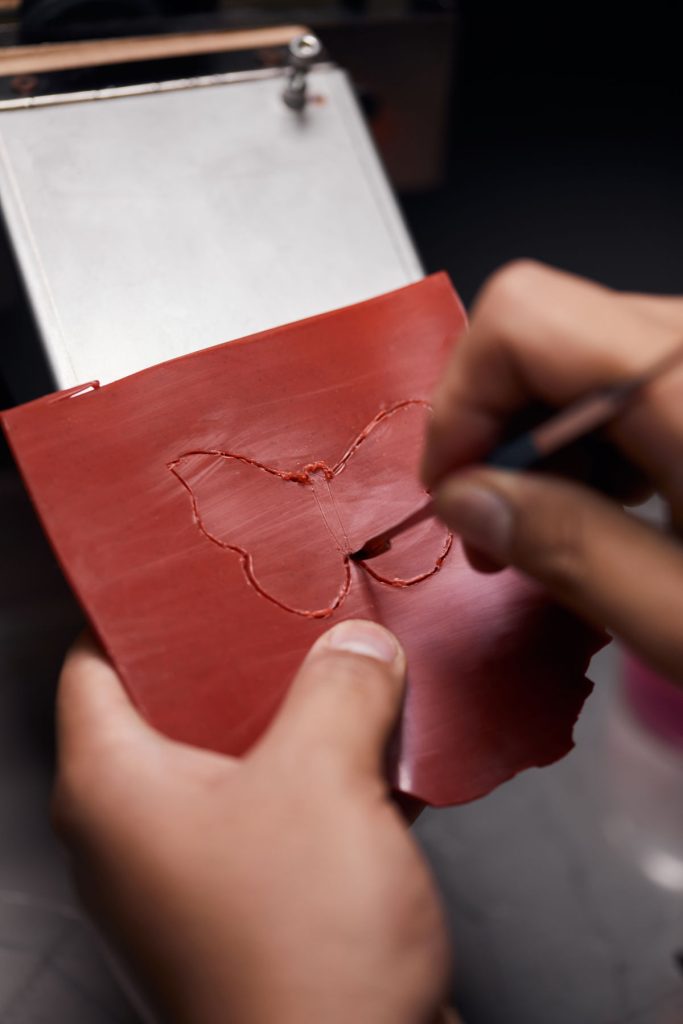
The digital 3D models are rendered into a physical form using wax or resin to serve as the base for casting the raw materials. These physical models allow designers to make final adjustments as required, refining the design before they work with the chosen metal. Here, the design truly comes alive.
The Cast
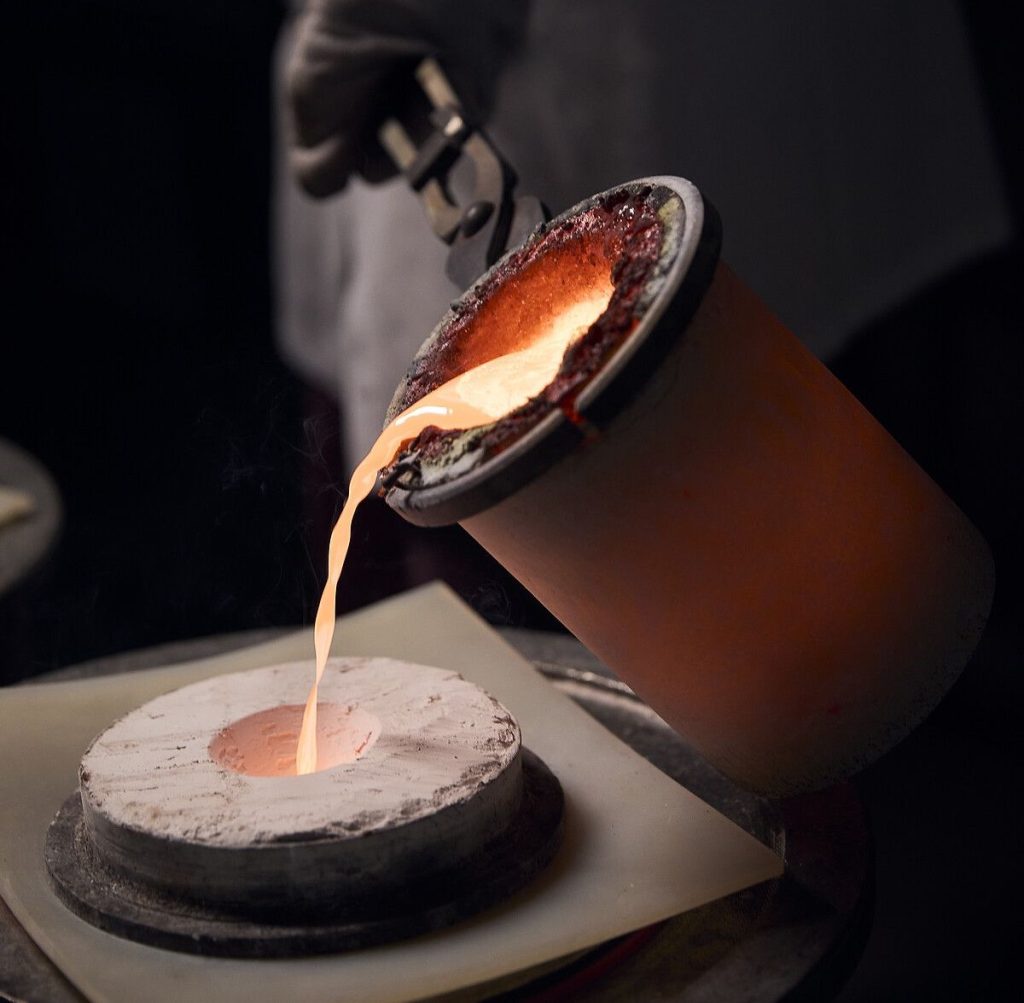
Artisans create a wax mould around the model, into which the molten metal is poured. The metal, once hardened, takes the form of the model, forming the base structure of the jewellery. Casting is where true mastery begins, and experienced artisans keep a close watch on each process to ensure the result is as desired.
The Stone Setting
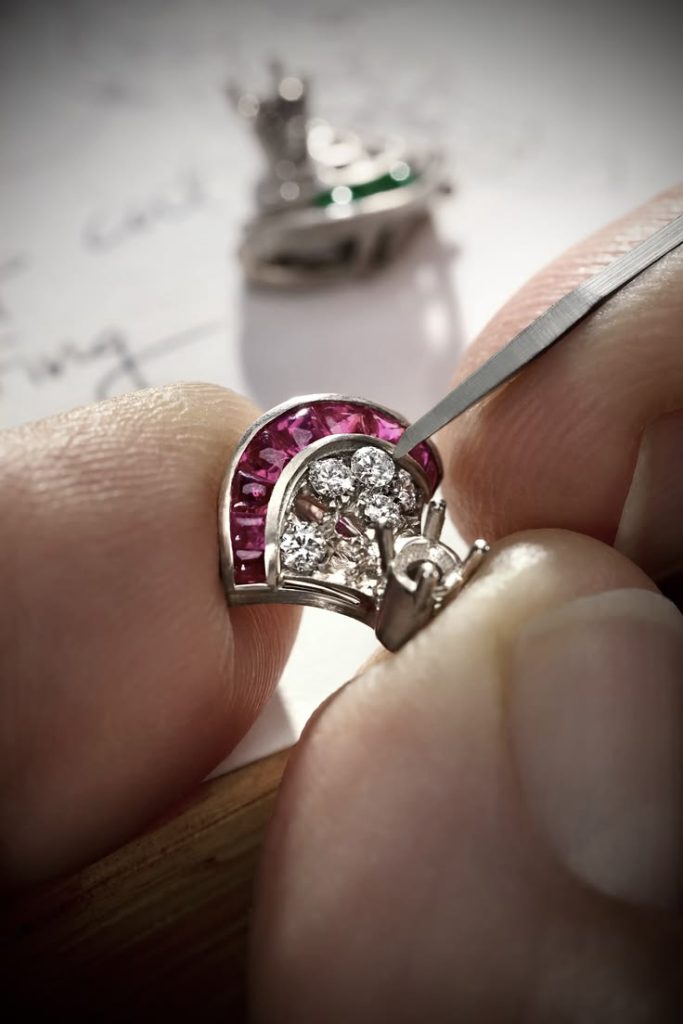
After casting, the raw metal mounting is sanded and cleaned before a specialist stone setter takes over. Working under high-power microscopes with delicate hand burs, the setter hand-crafts tiny seats to secure each individual gemstone.
Here, the setter balances long-term security with maximum light reflection, ensuring durability and beauty.
The Polishing
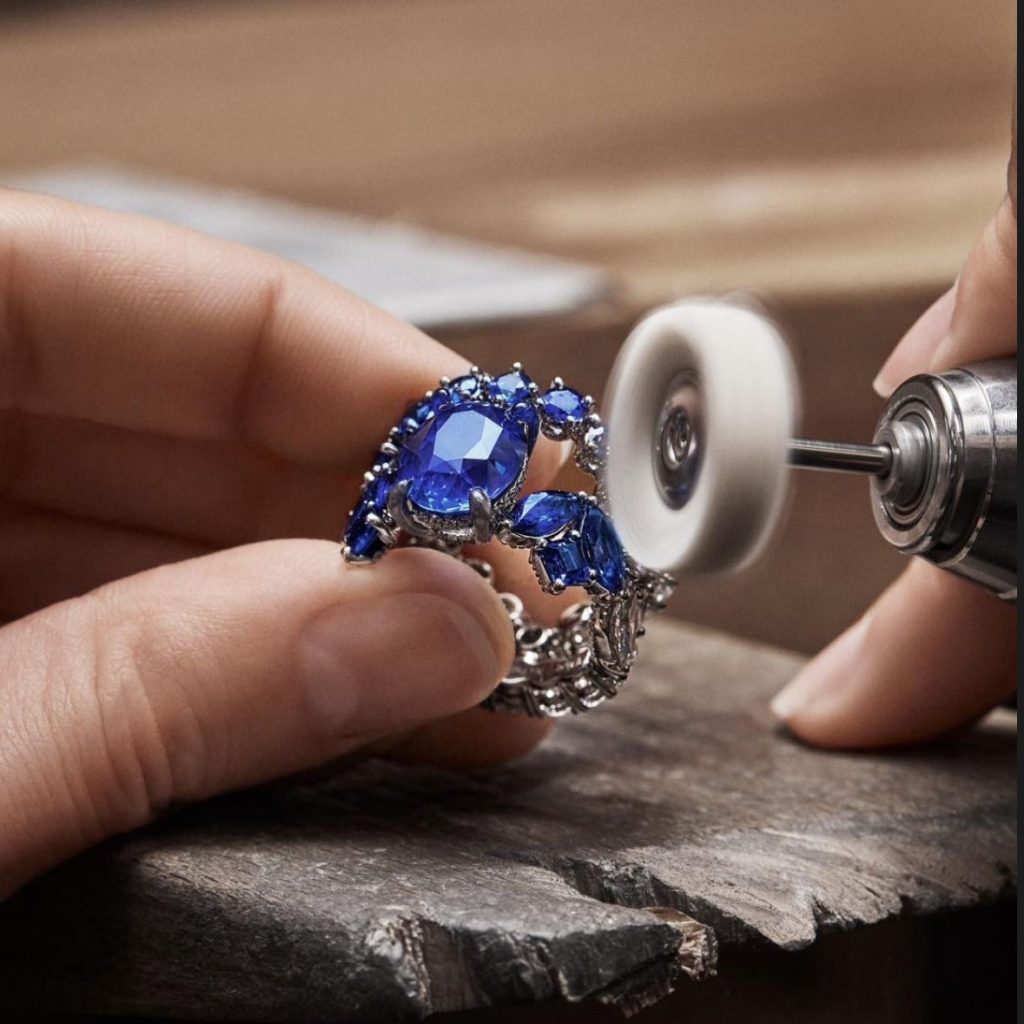
The final stage brings out the luminous, mirror-like finish of the jewellery. High-speed wheels, soft brushes, and ultra-fine polishing compounds are all used to smooth every surface. The polishing processes also vary with materials, with some requiring special care. It is after all these processes that a piece is sent to an official assay office for hallmark stamping to certify its purity.
What begins as raw, unyielding elements drawn from Earth is transformed through art, technology, and traditions into an object of extraordinary beauty. When you wear a finished jewel, you wear an enduring story of craftsmanship, designed to pass through hands and generations.
Follow Us

The Latest
-

Wellness
The science behind peptide injections
All the risks behind the so-called miracle treatments
-

Travel
Detox hotels to book for your next getaway
Check in, to check out at these beautiful resorts
-

Travel
Discovering Singapore’s green allure
Exotic, diverse, lush. The garden city of Singapore nurtures culture, fine dining, and an environmentally oriented plan for the future
-
Travel
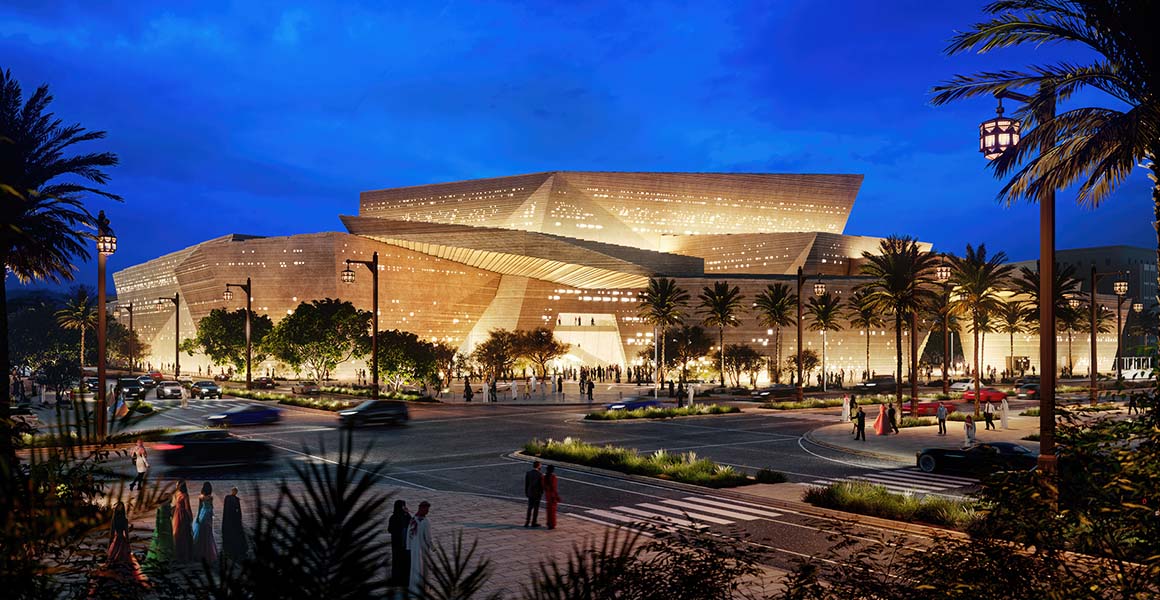
Inside The Royal Diriyah Opera House in Riyadh
Saudi Arabia’s first dedicated opera house opening soon
Subscribe to our newsletter and receive a selection of cool articles every weeks
You can unsubscribe at any time. To find out more, please visit our privacy policy.