

In conversation with Hind Sebti, founder of Whind

Inspired by the rituals, warmth and sensorial beauty of Morocco, Hind Sebti founded whind to redefine luxury skincare through the lens of heritage, efficacy and self-care. Blending centuries-old traditions with modern innovation, she has created a brand that celebrates beauty as both a ritual and an experience.
In this exclusive conversation, Sebti reflects on the journey that led her to build whind, the memories that continue to shape her creative vision, and why slowing down, embracing pleasure and honouring one's roots remain at the heart of everything she creates.

1. Every founder has a story before the business itself. Looking back, what experiences, memories, or moments shaped who you are today and ultimately led you to create whind?
As most founder stories, mine is easier to understand by connecting the dots backwards.
I was born a dreamer and a maker - since a very young age I was imagining worlds that I tried to build in my mind, in words and then ultimately it became products and worlds.
I remember sitting in Physics class looking at measuring units and dreaming my own unit, doodling my name in various fonts, the prelude of a logo before I knew what a logo was.
I remember attempting to write books, make dresses, and so many projects.
My passion for beauty, born out of my native Morocco and its ubiquitous beauty, channeled this.
So I went into a career in beauty I loved and where I able to build and create. Until the day I realised I was creating « within a frame » for other peoples brands and visions.
I spent years getting very intimate with what consumers want and how a product becomes a brand and then a world.
I loved it. I was good at it. But I felt that there was « more ».
Creating with Waldencast a new breed of company that fits better with the evolving need of consumers and my values.
Building with whind a world I couldn’t find - a destination of sensoriality, warmth and glow inspired my Morocco and the Mediterranean and painted through my eyes.
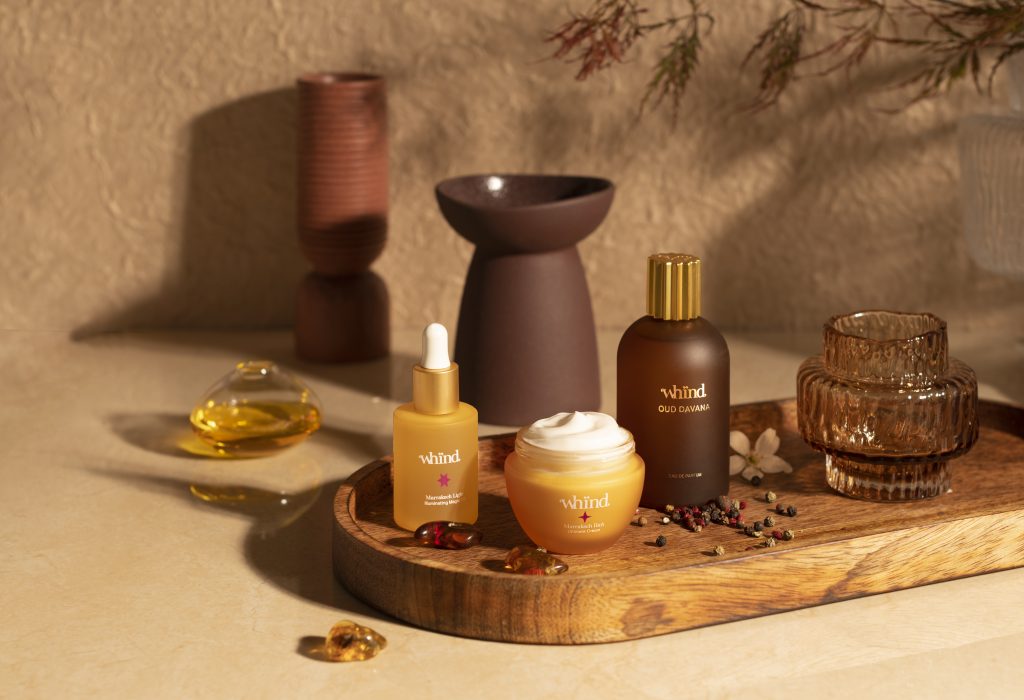
2. You have built a brand rooted in ritual and emotion. Outside of work, what does beauty and self-care personally mean to you today?
I grew up watching my mother and grandmother treat beauty as something serious — not vain, serious. A hammam wasn’t a spa day. It was a weekly reset, a moment where the body was attended to with the same rigor as anything else that mattered. There was no separation between pleasure and discipline in that world. They were the same gesture.
That’s what beauty means to me now. Connection first and foremost with myself. Time to breathe. Enjoy my ritual. At my own pace.
Or at the ends of my skilled and beloved team of experts - be it a hammam, a facial or lymphatic drainage with my favourite and trusted therapist.
Last but not least, (many) glasses of Moroccan mint tea at sunset with people I love.
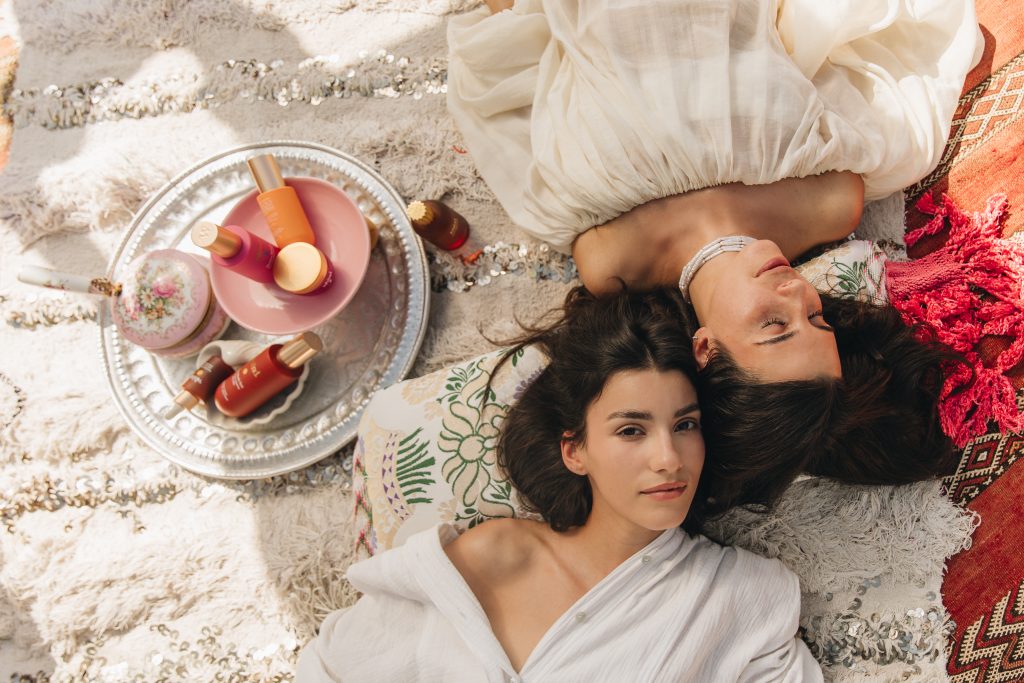
3. Your work often celebrates slowing down and being intentional. In a world that moves quickly, what rituals or moments help you reconnect with yourself?
Writing, honestly. I write essays — long ones, about identity and memory and the premises we inherit and never question. It’s not therapeutic in the soft sense. It’s more like cross-examination. I sit with an idea until it stops lying to me.
And then — fragrance. In my home. On my skin. On my pillow, you name it. Scent is the one sense that doesn’t negotiate with you. It bypasses the rational mind entirely and drops you somewhere specific. A particular oud, and I am immediately in my grandmother’s house. It’s time travel in a bottle.
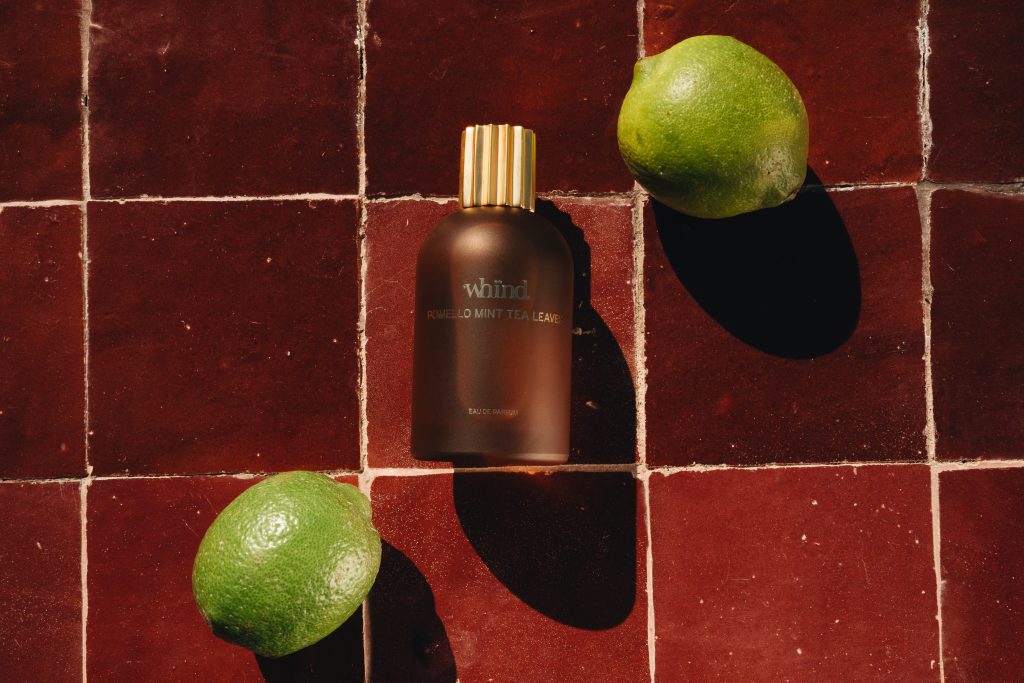
4. Moroccan culture is deeply woven into your perspective. Growing up, were there particular traditions, places, scents, or memories that continue to inspire you personally and creatively?
The smell of argan oil warming in sunlight. Orange blossom water on a wooden surface. The specific weight of silence in a riad courtyard in the afternoon, when the light goes gold and everyone retreats from the heat.
But what marked me most wasn’t any single sensory memory — it was the philosophy underneath it. Moroccan beauty culture operates on the premise that pleasure and efficacy are not opposites. You don’t earn the right to enjoy something by making it joyless first. The hammam is rigorous and it’s also wonderful. The rassoul draws out impurities and it also smells extraordinary. That integration — the refusal to separate what works from what delights — that is the intellectual core of whind. Everything else is expression.
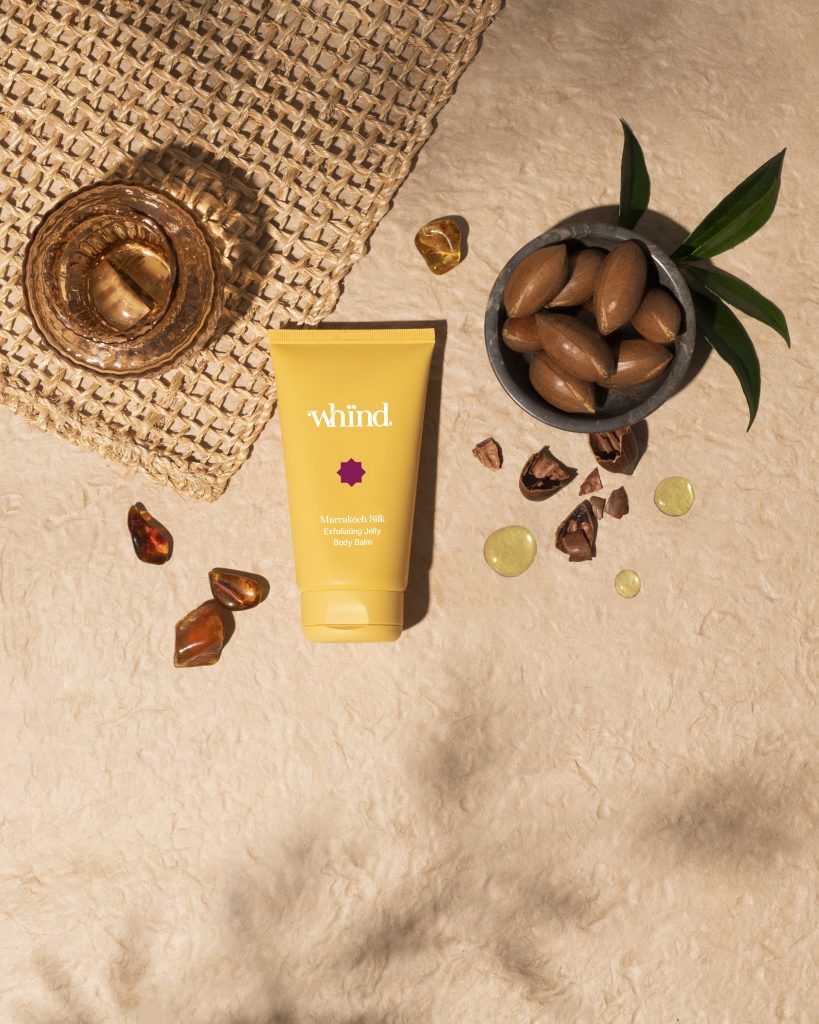
5. Building something of your own often changes you in unexpected ways. Was there a moment during your journey that challenged or transformed you?
There was a moment — not dramatic from the outside, but entirely clarifying from within — when I understood that building a brand that looks like you is an act of argument. You are making a case, with every choice, that this reference system is worthy. That this aesthetic has earned its place. That this isn’t niche or regional or “for a specific audience” — it’s universal, and the universality was always there, it just wasn’t being claimed.
That moment reinforced how I understand authority. It never comes from consensus. It comes from a clear vision, a commitment to a point of view so complete that other people have no choice but to enter your frame. whind taught me that. You don’t ask permission to be the reference. You become it.
To be a brand that lasts you need to find it and stick to it.
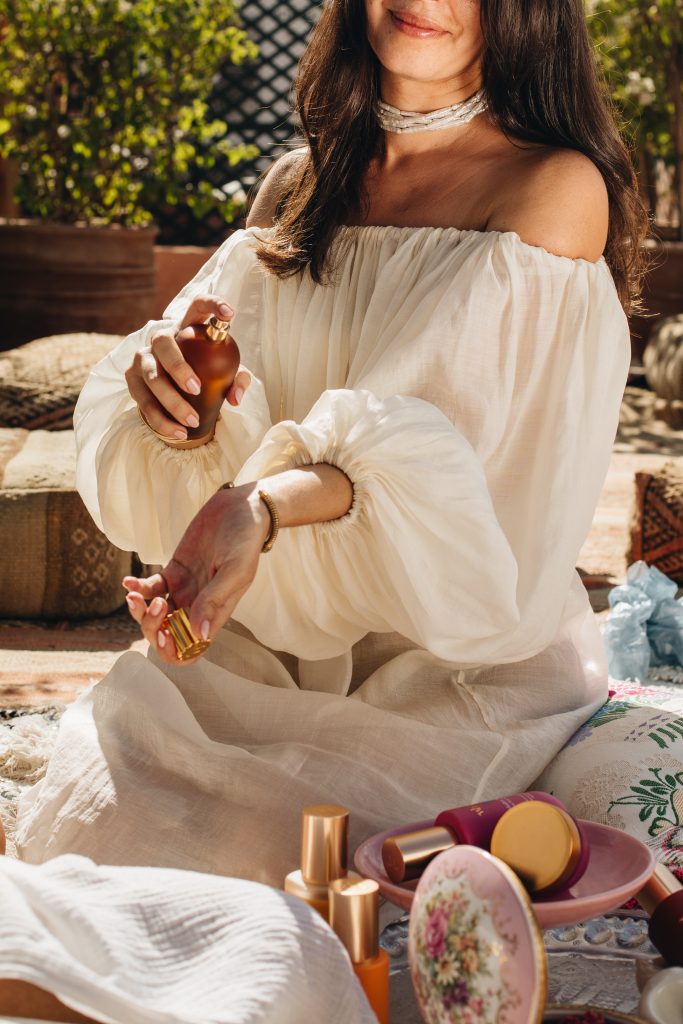
6. whind brings together performance and sensorial beauty in a very distinctive way. What was the idea or feeling you wanted people to experience when they first discovered the brand?
Recognition.
Not of whind specifically, but of something in themselves they’d been unable to name. That feeling of this is what I was actually looking for when you’ve been settling for approximations. I wanted someone to pick up a whind product and feel, perhaps for the first time, that high-performance beauty and genuine sensorial pleasure had been combined without either one apologising to the other.
And for women who share any part of my cultural background. I wanted them to feel seen in a way that luxury beauty has historically refused to offer. Not as an aesthetic reference borrowed for a campaign. As the author. As the origin point.
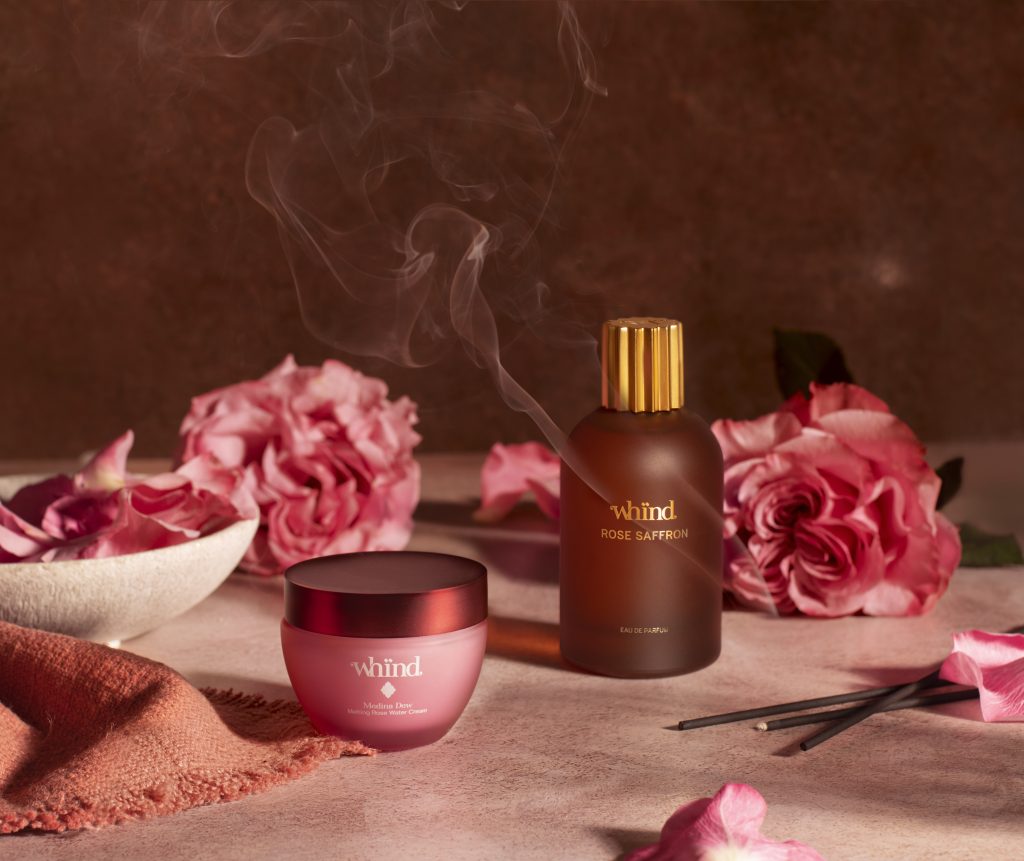
7. Looking ahead, when people think of Hind Sebti beyond the brand itself, what do you hope they remember about your story, your values, and the world you created?
A dreamer that didn’t accept the premise.
That’s the thread running through everything, the brand, the essays, the professional choices, the personal ones. I’m fundamentally uninterested in succeeding within someone else’s frame if the frame itself is wrong. I’d rather dismantle the question than answer it on terms I don’t believe in.
I hope people remember someone who understood that heritage is not a limitation to transcend but an intelligence to deploy. That pleasure is not the opposite of rigour. That being Moroccan, being French, being both, being neither, that complexity is not a problem to be solved. It’s the whole point.
Follow Us

The Latest
-

Wellness
The science behind peptide injections
All the risks behind the so-called miracle treatments
-

Travel
Detox hotels to book for your next getaway
Check in, to check out at these beautiful resorts
-

Travel
Discovering Singapore’s green allure
Exotic, diverse, lush. The garden city of Singapore nurtures culture, fine dining, and an environmentally oriented plan for the future
-

Travel
Inside The Royal Diriyah Opera House in Riyadh
Saudi Arabia’s first dedicated opera house opening soon
Subscribe to our newsletter and receive a selection of cool articles every weeks
You can unsubscribe at any time. To find out more, please visit our privacy policy.