

In conversation with Suzanne Braidy on turning grief into art and hope
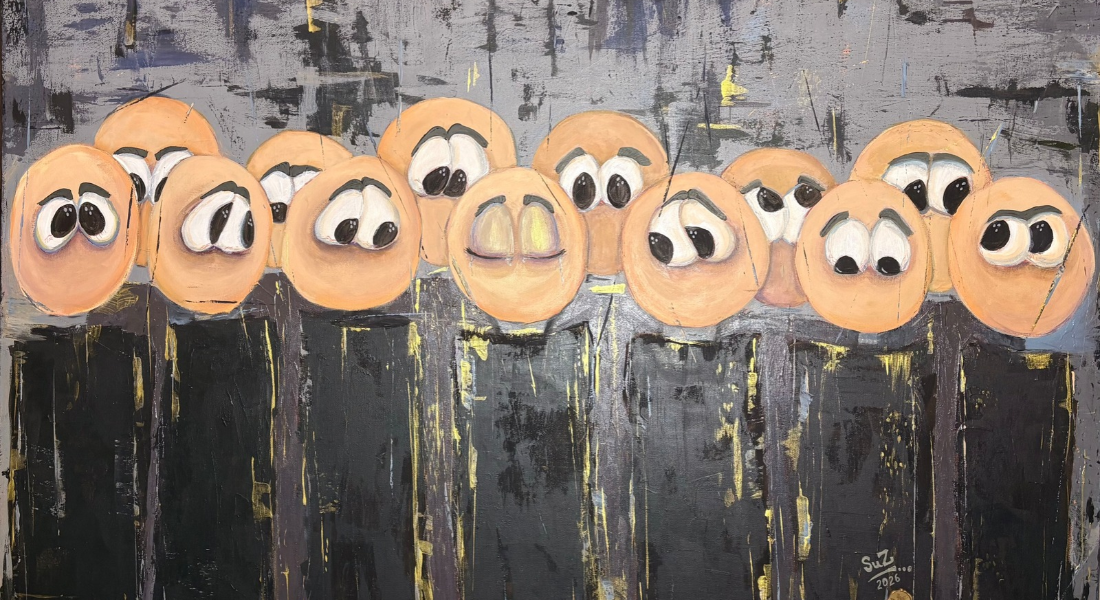
Suzanne Braidy paints what words can’t hold. After losing her father, the Lebanese artist created He’s Gone and The Grief, two works on loss that will also support Alzheimer’s research. She speaks to us about grief, hope, and finding another way to hold what we feel.

Before this year, what role did painting play in your life, and how did it change when you began working on He’s Gone and The Grief?
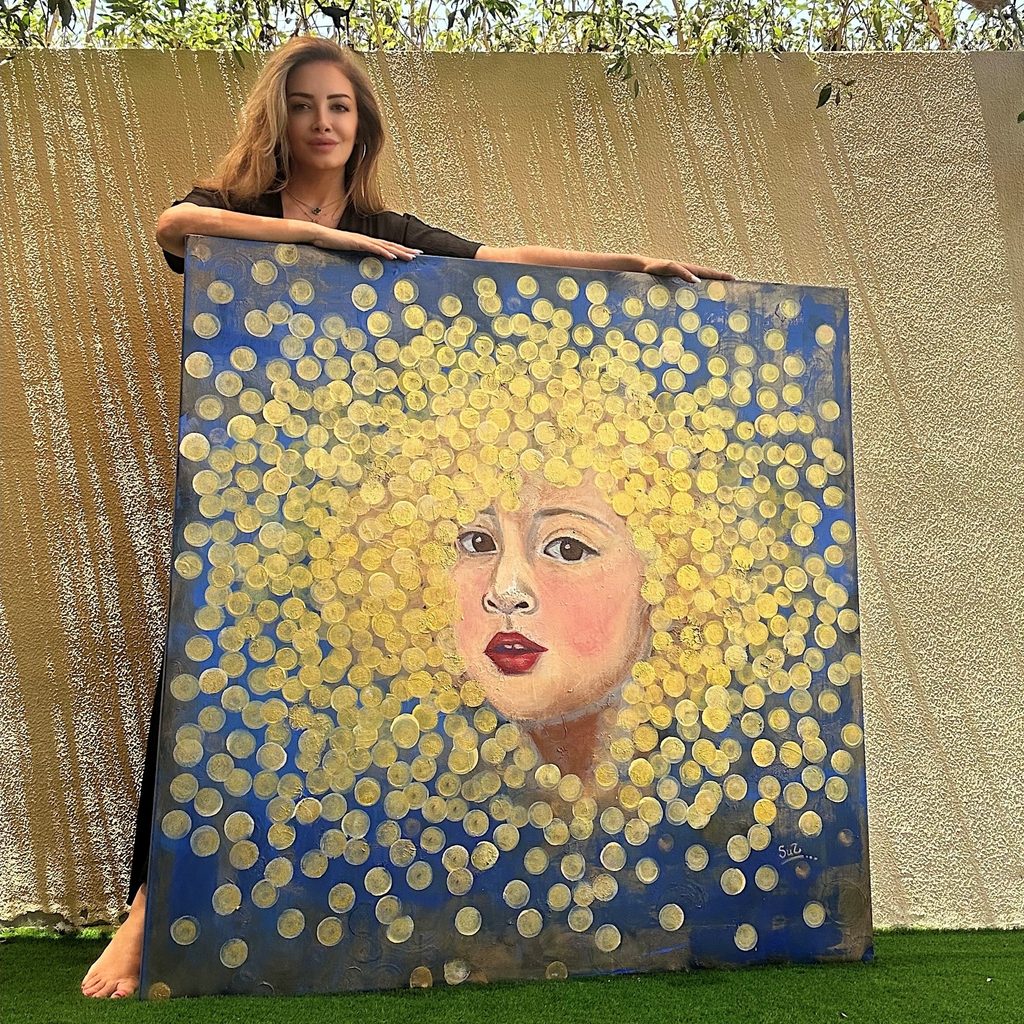
My artistic practice has always been anchored in human connection and emotion, captured primarily through the language of eyes. I’m endlessly drawn to how much a single gaze can hold without a word being spoken, and I use the canvas to explore the quiet, unyielding truths that bind us together.
Then my father passed away, and I carried that same emotional instinct forward, only now it became deeply personal. Rather than stepping away from my brush, I poured my own pain directly into it. Working on He’s Gone and The Grief was a natural continuation of painting human emotion, except now I was using the canvas to hold the raw weight of loss and to understand what death feels like from the inside.
Was there a moment when you knew you needed to paint your father’s story, or did the first brushstrokes come without a plan?
There was no plan at all, and truthfully, I didn’t approach the canvas intending to tell my father’s biography. The first brushstrokes came entirely from instinct. In the aftermath of his passing, I reached for my brushes because I needed to process what I was feeling and face the reality of death honestly.
Rather than trying to illustrate a specific narrative, I let the emotions lead. Painting became a way of sitting with the loss as it unfolded, allowing the layers, tension, and movement on the canvas to say what words couldn’t.
What do you hope people feel when they stand in front of these two paintings, and what memories of your father are you hoping to preserve in them?
Especially in an open, international space like World Art Dubai, where viewers arrive with so many different life experiences, I hope people feel honesty and human connection around a subject we often shy away from.
These aren’t portraits of my father, and I wasn’t trying to preserve specific memories on the canvas. What lives in them is his absence and the love that remains. My hope is that anyone who has experienced loss will look at these paintings and recognize their own feelings, not as something to hide or rush past, but as a deeply human part of loving and letting go.
Why did you choose these titles, and how do the two works speak to each other?
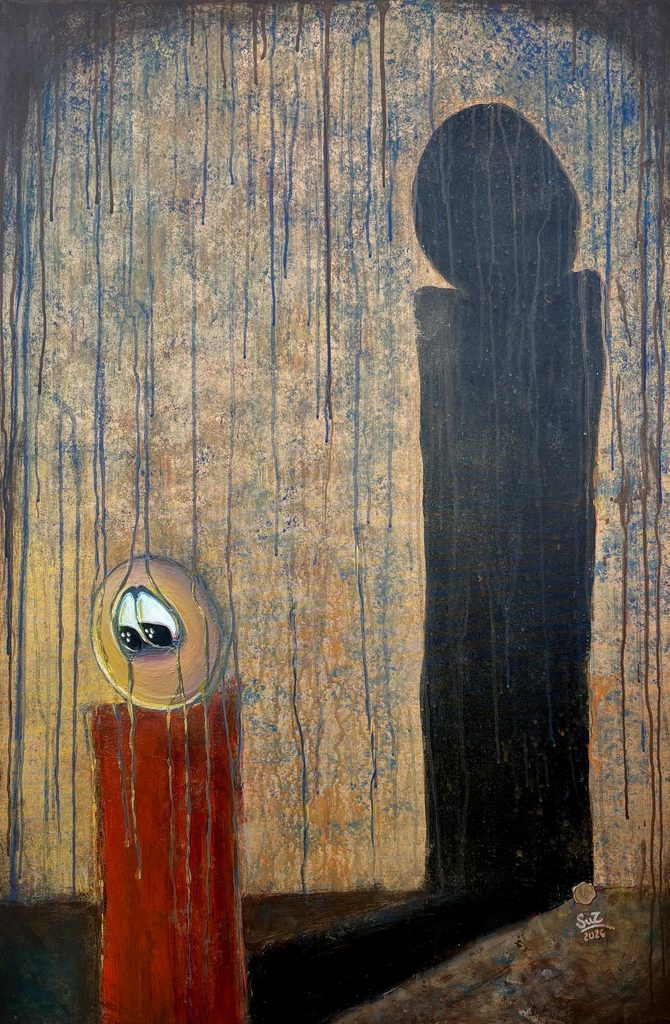
I chose He’s Gone and The Grief because loss is stark and unfiltered, and I wanted the titles to say so without softening it. Each piece captures a different dimension of what happens when someone dies.
He’s Gone portrays two realities that existed side by side for me: the raw pain I felt in the wake of his passing, and the support of the people who showed up and helped hold me through it. The Grief turns inward, to the quieter, ongoing work of learning to carry that weight over time. Together, the paintings hold a dialogue between the immediate shock of loss, and the community around you in it, and the long, personal journey of living with that absence.
You’ve committed half of the proceeds from both paintings to Alzheimer’s research. What made you want to turn something so personal into a way of helping others?
Walking alongside my father through Alzheimer’s showed me how devastating and complex the disease is, not only for the person living with it, but for everyone beside them. The long goodbye is painful. You lose someone slowly, piece by piece, long before the final goodbye.
Painting helped me process my own grief, and committing half of the proceeds from He’s Gone and The Grief to Alzheimer’s research was a way to turn that experience into support for other families, and into research that may one day spare them the same pain. Alongside the artworks, we’ve also created a memorial page, where people can learn more and contribute directly, extending that sense of shared support well beyond the canvas.
What would you say to women who are carrying their own loss in silence, and who may find it hard to put it into words?
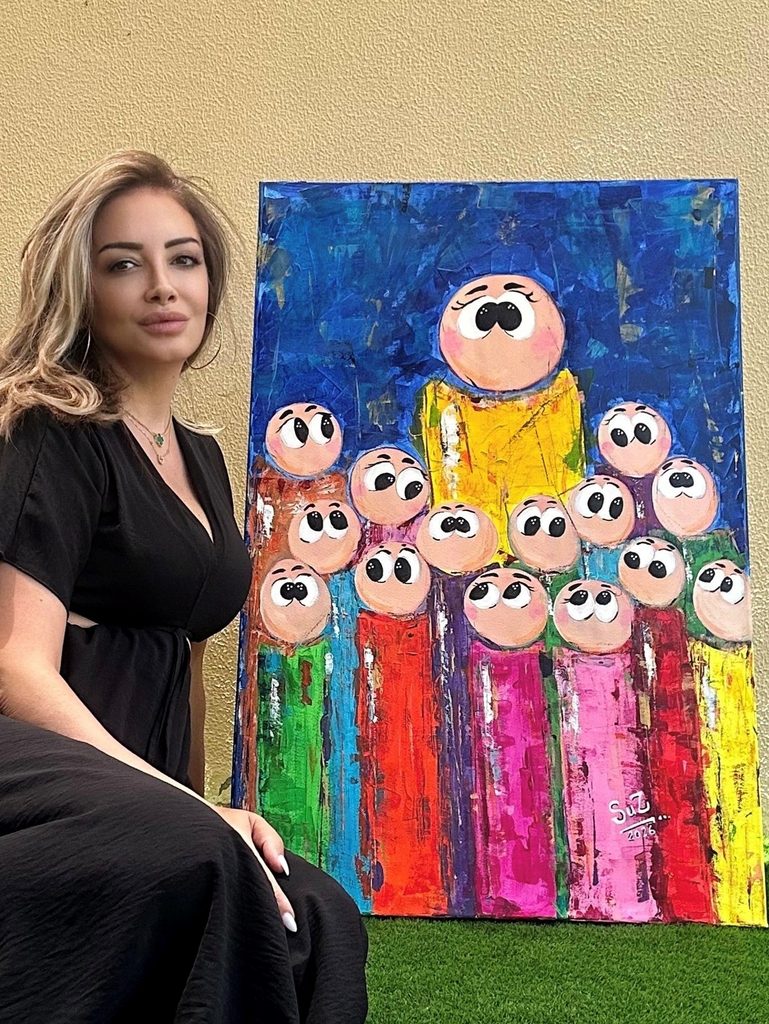
I’d tell them that grief doesn’t need to be neatly explained, and it doesn’t need to be carried alone. As women, we often feel pressure to stay composed and absorb our pain quietly, so we don’t burden the people around us.
If you can’t find the words right now, find another way to hold what you’re feeling, whether through art, writing, movement, or simply sitting in stillness, and let the people who care about you show up. Feeling the weight of loss, and letting others stand beside you in it, is not weakness. It’s how we begin to heal.
Follow Us

The Latest
-

Wellness
The science behind peptide injections
All the risks behind the so-called miracle treatments
-

Travel
Detox hotels to book for your next getaway
Check in, to check out at these beautiful resorts
-

Travel
Discovering Singapore’s green allure
Exotic, diverse, lush. The garden city of Singapore nurtures culture, fine dining, and an environmentally oriented plan for the future
-

Travel
Inside The Royal Diriyah Opera House in Riyadh
Saudi Arabia’s first dedicated opera house opening soon
Subscribe to our newsletter and receive a selection of cool articles every weeks
You can unsubscribe at any time. To find out more, please visit our privacy policy.