

Inside IYMAA: A Conversation with Abdullah Abdulrahman Alkhorayef
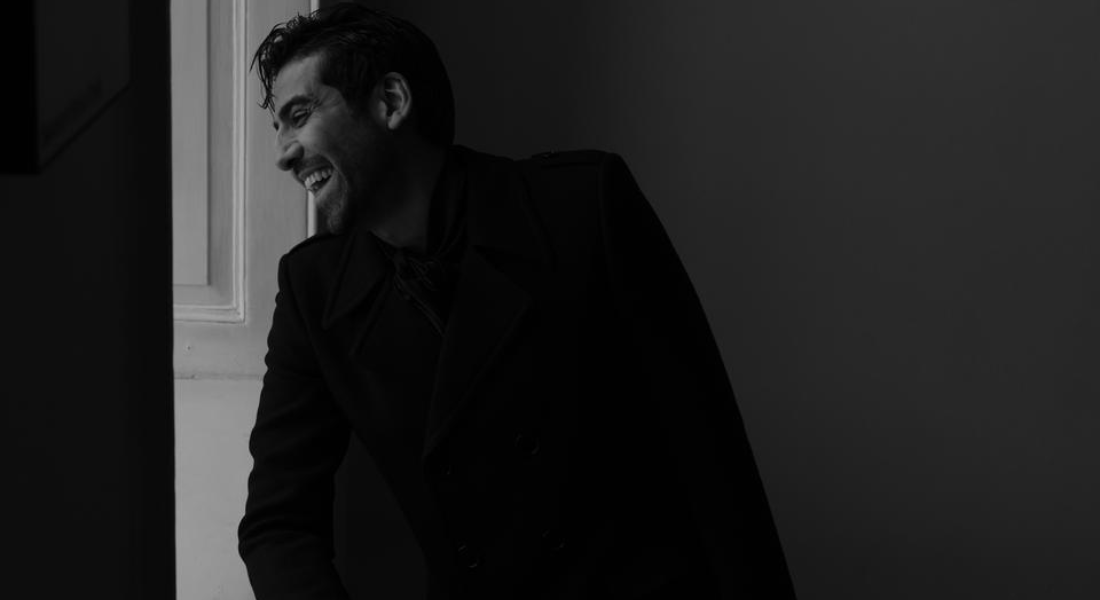
Abdullah Abdulrahman Alkhorayef, Founder & Creative Director of IYMAA, is a Saudi multidisciplinary artist, engineer, and writer whose work exists at the intersection of fashion, philosophy, and lived experience. In this conversation, he reflects on IYMAA as a “universe” rather than a brand, one shaped by cause and effect, cultural memory, and the constant exchange between logic and emotion.
Drawing from his background in engineering, interior design, and management, Alkhorayef discusses how identity becomes fluid through clothing, how Riyadh’s transformation informs his perspective, and how fashion can quietly hold memory, storytelling, and meaning without excess.
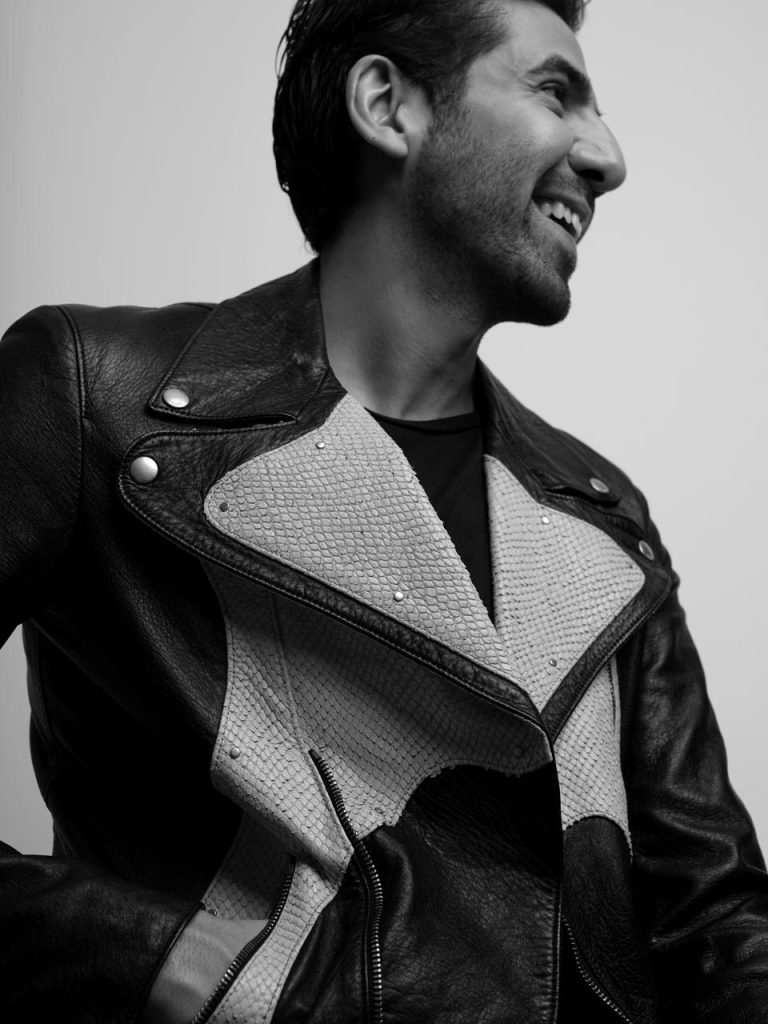
You describe fashion as a language of memory and emotion, when did you first realise clothing could carry that kind of meaning?
I’ve always had a deep-rooted love for fashion, but it was really in the 2010s that I began to understand my personal style and what I wanted to express through it. That’s when clothing became more than just aesthetic for me, it turned into a way to explore and communicate ideas, thoughts, and most importantly, my personality.
When you have a strong sense of self, everything else follows naturally, your memories, emotions, culture, even your way of thinking all start to come through in how you dress. It shapes how people perceive you but also invites curiosity. There’s a certain confidence in that, and an intrigue that encourages conversation.
It’s a subtle kind of power, and it’s something I’d love for the IYMAA customer to feel and experience in their own way.
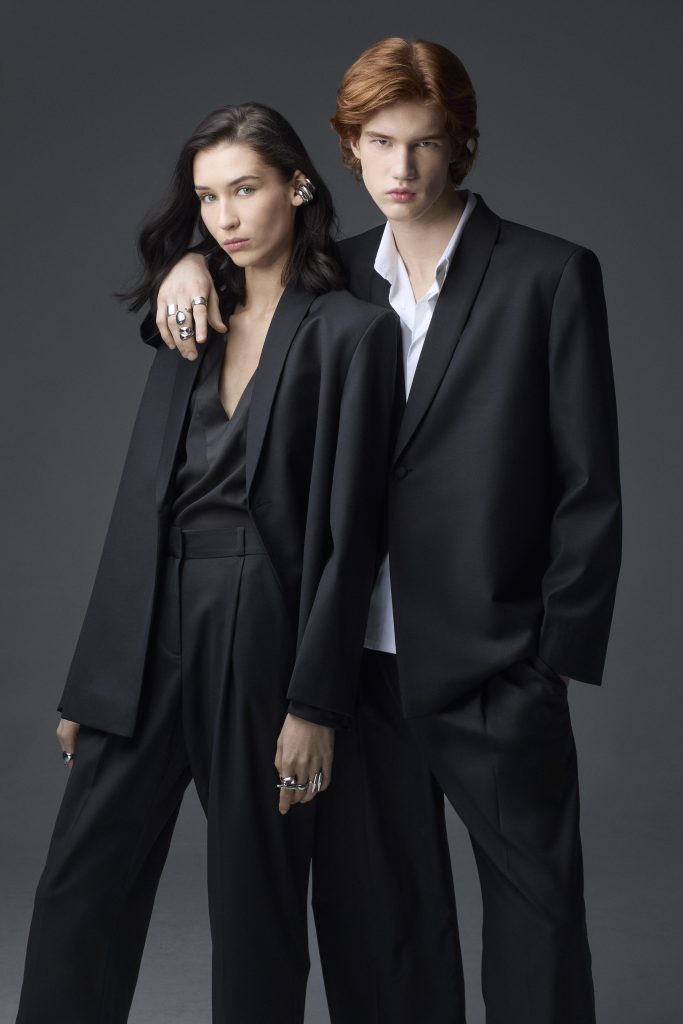
IYMAA is positioned as a “universe” rather than a brand, what defines that world, and who belongs in it?
I see IYMAA as a universe because it is not bound by trends or even fashion. Fashion is simply the medium through which this universe is expressed. Whether it is music, food, science, history, politics, or culture, fashion has a way of translating all of it into something tangible.
At the same time, I would love for IYMAA to evolve beyond clothing in the future. What that looks like exactly is still open, but I am interested in exploring it. What matters is that whatever we create serves a purpose and adds something meaningful, something that makes your world feel easier or more intuitive.
Everyone belongs in IYMAA. I am drawn to the tension between things that do not immediately make sense together and the process of making them work. Through creativity and research, you often arrive at a perspective that feels unexpected but right, and that is what excites me.
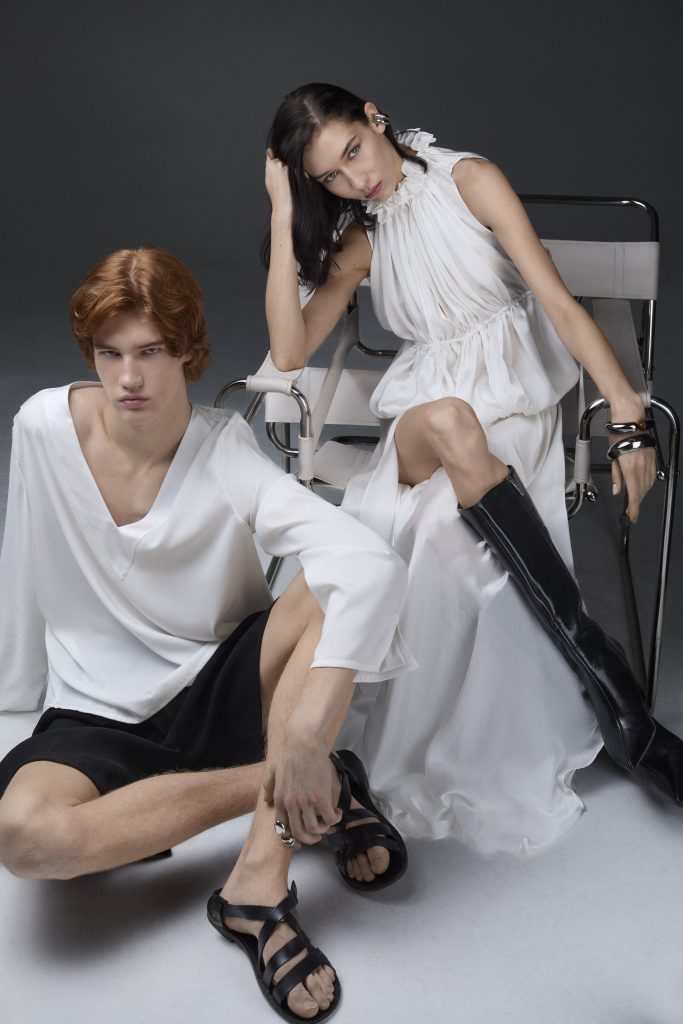
Your work explores the tension between what we carry and what we rediscover, how personal is that narrative to you?
It is very personal. I think, we naturally carry so many contradictions and tensions with us wherever we go, and I would argue we carry them brilliantly. We are also very comfortable with uncertainty and the unknown, and within that, there’s a constant discovery and rediscovery that happens.
On a more personal level, that shows up in how I’m now learning to make decisions through my feelings and emotions, without worrying about making the “correct” decision. I’m also learning to lean more into my feminine side, the more evolved part of the soul, and the part I feel is more relevant for the future we are headed towards.
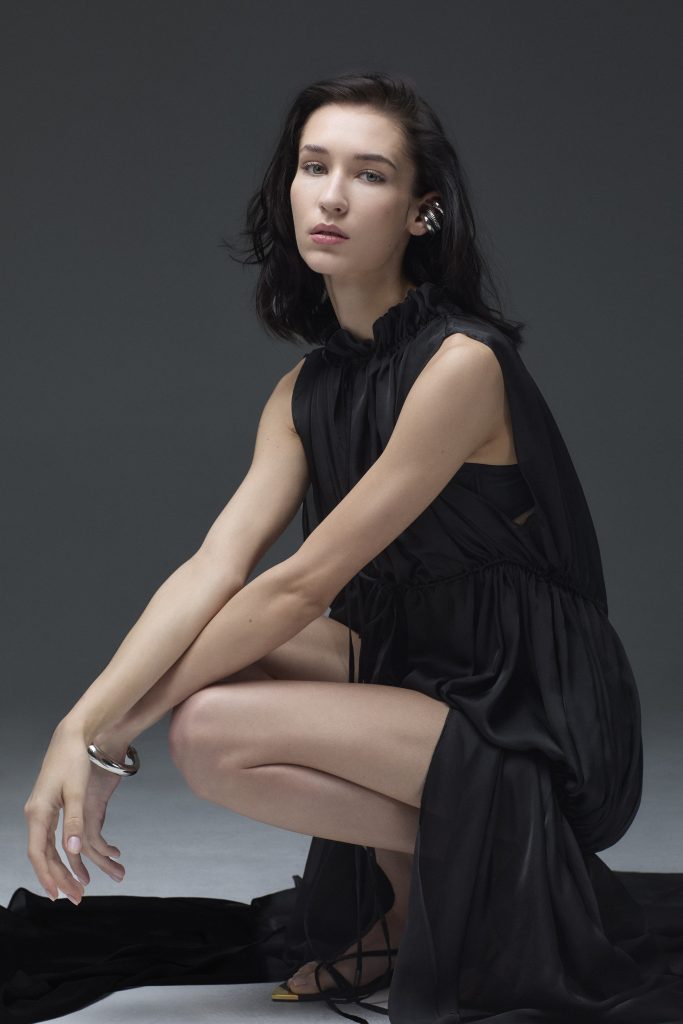
How does Riyadh, as a city in transformation, shape your creative perspective today?
Riyadh is a perfect reflection of a solution driven mindset. There is also this instinctive ability to take inspiration from around the world and make it feel entirely our own, in a way that is distinctly Riyadh.
There is a very specific, almost subtle way this happens. It starts with the Riyadh personality and how it sees things. The idea is shaped around that perspective, not the other way around. Riyadh places itself at the center, and anything new is reinterpreted or adapted to fit within it.
Riyadh takes its time to absorb, question, and explore, and then something uniquely its own emerges. There is a real confidence in that kind of patience.
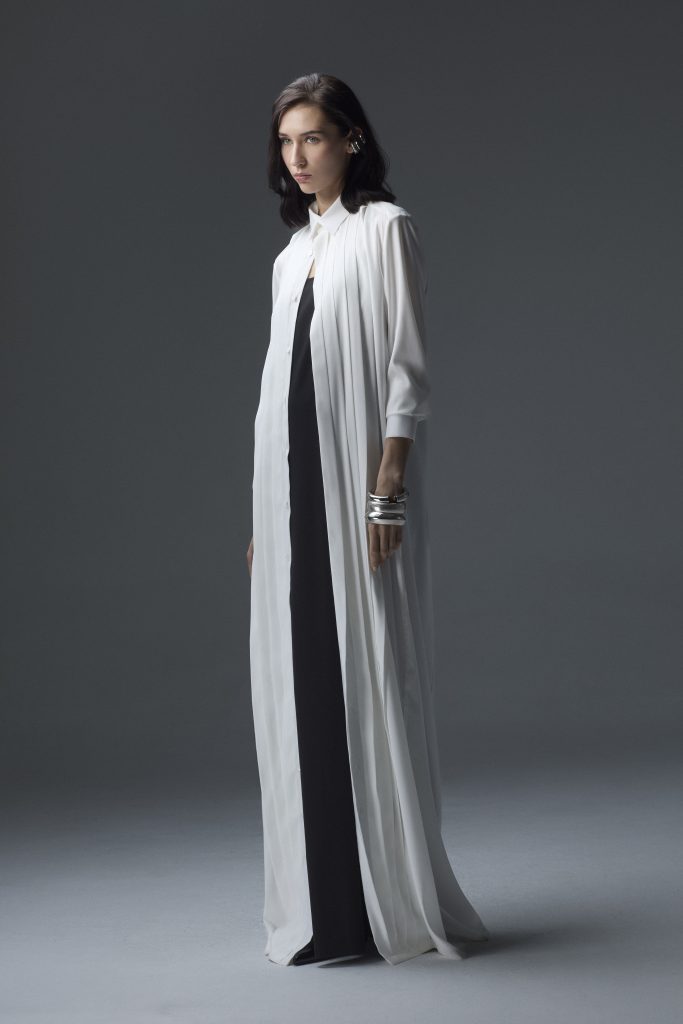
Coming from an engineering background, how do logic and emotion coexist in your design process?
I used to try to make my emotions logical, and in many cases you can, by thinking things through and drawing parallels between ideas. But more recently, I have started choosing to experience emotions more directly instead of translating them immediately into logic.
For me, the engineering side of the mind is essential for problem solving. It is a tool, and I use it when it serves me and how it serves me. Sometimes I even see it as something more playful than rigid, something I can experiment and play with rather than rely on constantly.
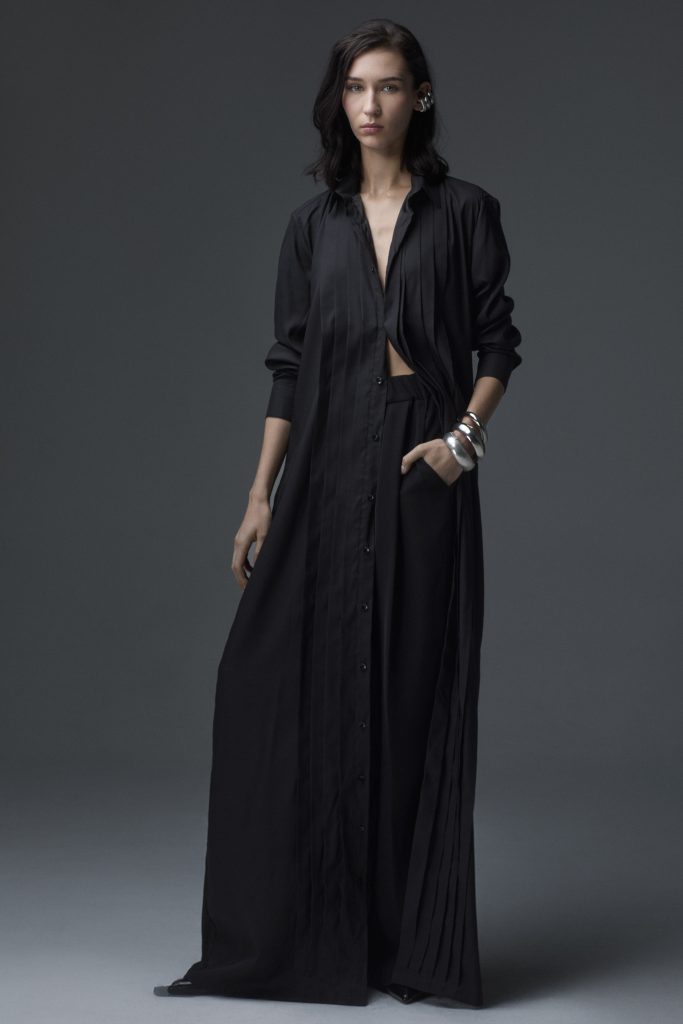
Lost in Time feels introspective, was there a specific moment or experience that sparked the collection?
Indeed it is. This collection is the result of years of accumulated needs and desires that I felt I had to express in my own language. I wanted to explore what I consider essential and practical, with beauty and simplicity at the core, and this is what eventually emerged.
When I saw the final collection come together, I realised I had drawn from so many historical techniques and references across different eras and geographies, from ancient humans to today, and perhaps even into the future. In a way, I was lost in those references, and I loved that feeling.
It made complete sense to me. It allowed me to reframe the idea of being lost as something positive, almost necessary, as part of the creative process.
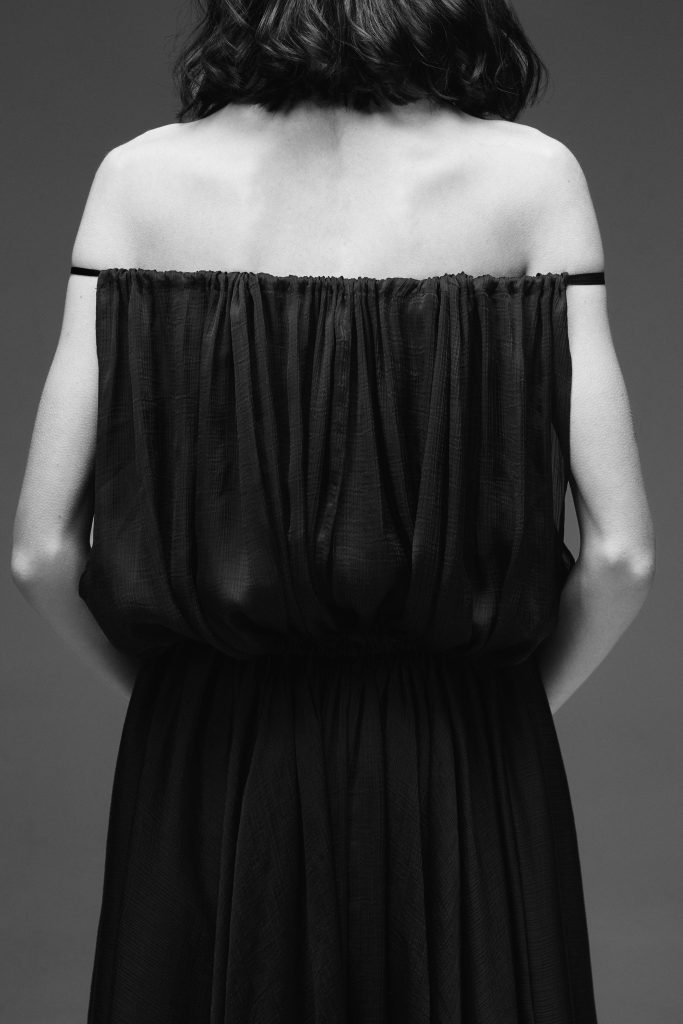
You speak about identity as something fluid and evolving, how do you translate that idea into silhouette and construction?
I don’t bind myself to a specific garment type or even a single form of cultural reference. I tend to look at construction in a more open way. For example, the structure of a thobe can be read in a similar way to a dress, and a traditional abaya can function in a way that is close to a bisht. It is less about categorizing and more about understanding what I need the piece to become.
I approach each collection by developing each piece until it resolves that need in the most considered way. Sometimes that means borrowing from sportswear to refine eveningwear, or taking principles from womenswear to strengthen menswear, and vice versa.
This way of working creates a sense of freedom. It allows a garment to be constantly refreshed, especially when it is grounded in solving a real problem or responding to a real need people have.
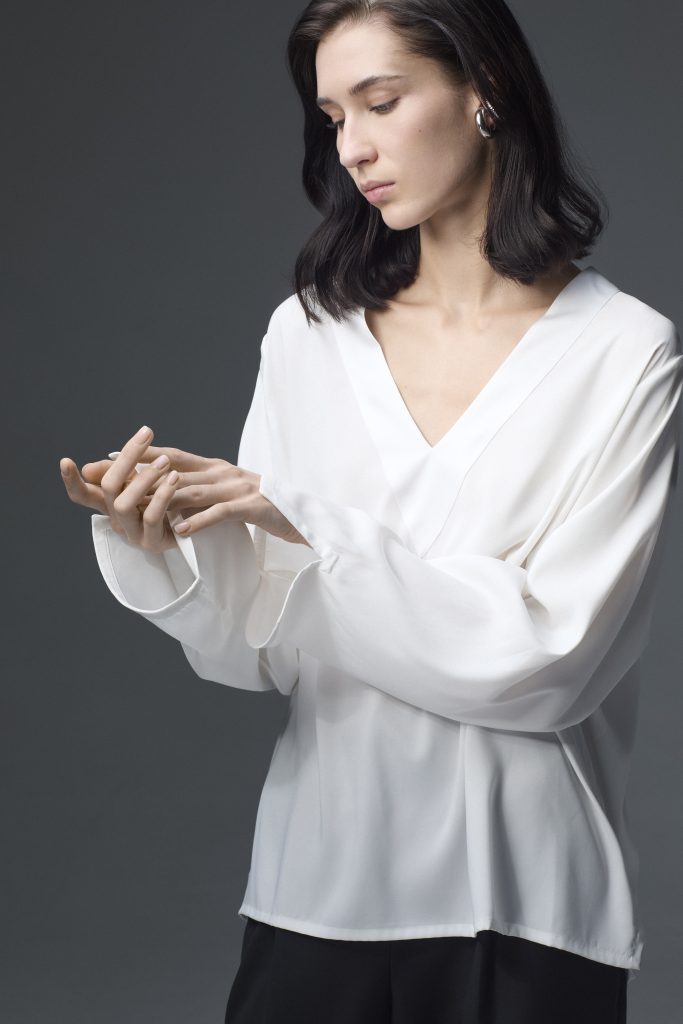
There is a quiet restraint in your pieces, how do you design for presence without spectacle?
The IYMAA customer already has a presence, and is naturally interesting in how they choose to present themselves. I want the pieces to reveal the person, and in return, the person reveals the piece simply by being who they want to be. That exchange creates its own kind of a beautiful spectacle, but one that is still quiet and rather subtle.
Your garments feel both structured and soft, what draws you to this balance of control and release?
Life itself holds that balance as well. I see it as a natural duality between structure and softness, control and release. If you look at historical clothing, especially ancient and more primitive garments, they often carried both qualities at once.
Somewhere along the way, we became a little distracted from that. For me, those historical references, particularly the earliest and most extraordinary forms of dress, are a constant source of inspiration. They remind me that structure does not have to feel rigid, and softness does not have to feel unformed.
Cultural references in your work are subtle rather than explicit; how do you approach storytelling without overstatement?
I have a great deal of respect for the client’s intelligence, and I trust that they will understand the work. I am also very conscious of not creating costume-like interpretations of culture.
When I draw from cultural references, it is never for decoration. It is because something serves a clear function or purpose, and that is what matters most to me. People recognise function when they see it.
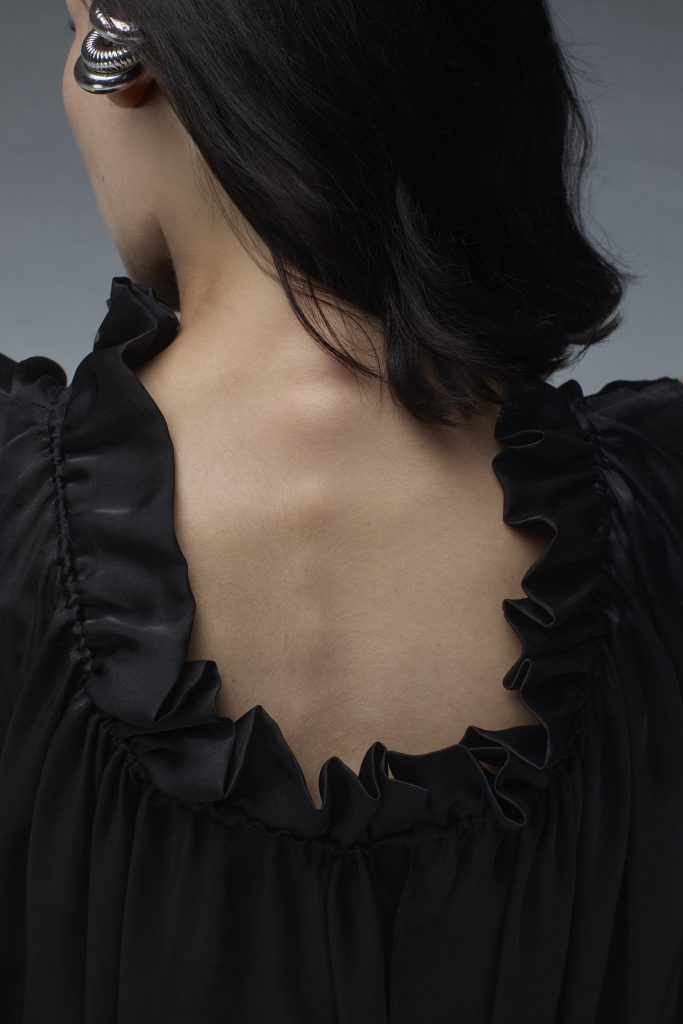
IYMAA embraces “slow design” in a fast industry, what does that commitment demand from you creatively?
You can easily get carried away or excited by a color or a trend. However, I always ask myself: by the time this garment is produced and ready for sale, will it still be desired, or will it already feel dated? That’s a difficult thing to predict, which is why I look at garments that have stood the test of time, and I ask: why did they endure? And if they didn’t, we try to find the element or the solution that would have made them relevant beyond just a moment. It’s usually something very simple, but we have to find it.
The brand is built on community and dialogue, what kind of conversations do you want IYMAA to create?
There are curious conversations, easy and fun ones, and sometimes forgettable or even boring ones. I think we are living in very distracting environments and, in many ways, we are exhausted.
What I am interested in is creating space for stillness. For allowing ourselves to slow down, to even get bored, and to be present, whether alone or with others. From that state, conversations become more authentic, and naturally more interesting.
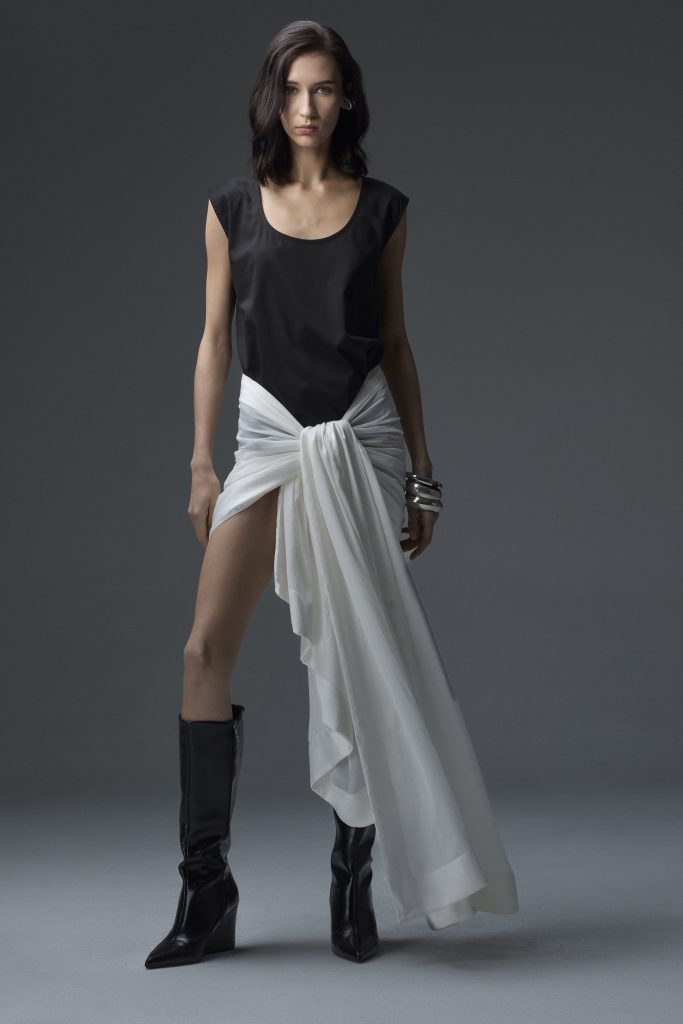
As you expand into digital, how do you preserve the emotional depth and tactility that define IYMAA?
That is a difficult question. I do not have a definitive answer yet. But I know I want to stay true to myself, and also remain open to what people want, or what they say they want. There is a sincerity in that exchange, and people can feel it. More and more, I am learning to trust my instinct. So, for now, I will continue following that and see where it leads.
Looking ahead, what does evolution mean for IYMAA, and what do you hope people carry with them from your work?
For me, evolution is simply doing the same thing, but slightly better each time. That is the principle I aim to follow. At the same time, I am very interested in how the future will unfold, not necessarily from a technological point of view, but socially, especially here in the Gulf. It feels like something unique is taking shape. It’s incredibly exciting. I truly believe we are developing something distinct and special here, and as always, in our own way.
Describe IYMAA in 3 words…
Easy, curious, and unbound.
Follow Us

The Latest
-

Wellness
The science behind peptide injections
All the risks behind the so-called miracle treatments
-

Travel
Detox hotels to book for your next getaway
Check in, to check out at these beautiful resorts
-

Travel
Discovering Singapore’s green allure
Exotic, diverse, lush. The garden city of Singapore nurtures culture, fine dining, and an environmentally oriented plan for the future
-
Travel
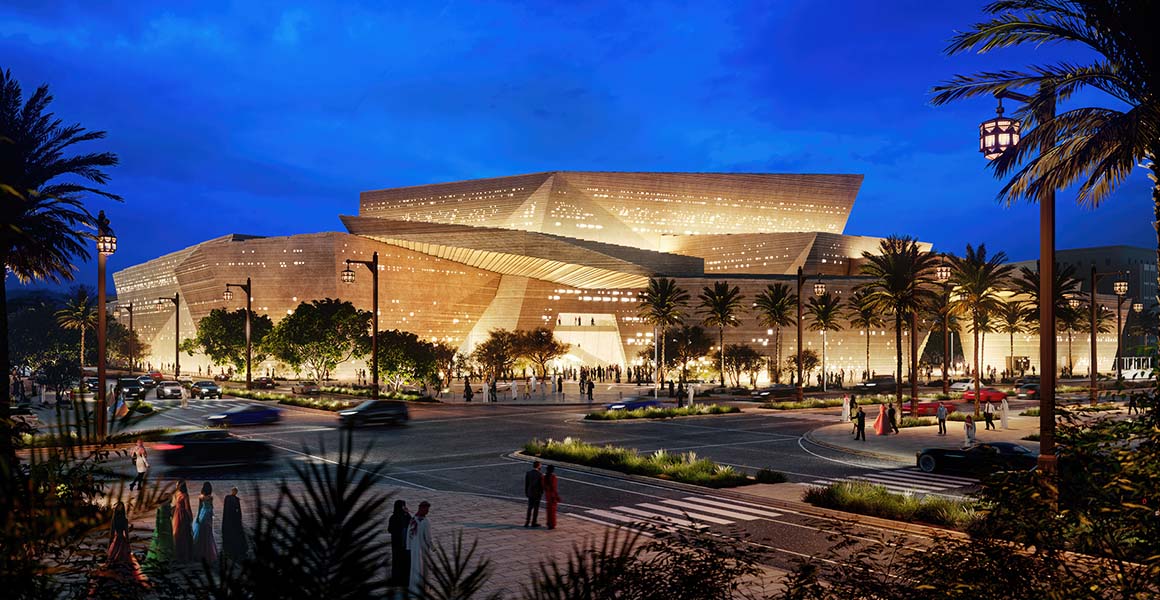
Inside The Royal Diriyah Opera House in Riyadh
Saudi Arabia’s first dedicated opera house opening soon
Subscribe to our newsletter and receive a selection of cool articles every weeks
You can unsubscribe at any time. To find out more, please visit our privacy policy.