

L’Oréal-UNESCO For Women in Science 2026: Meet the Arab Women Leading Scientific Innovation
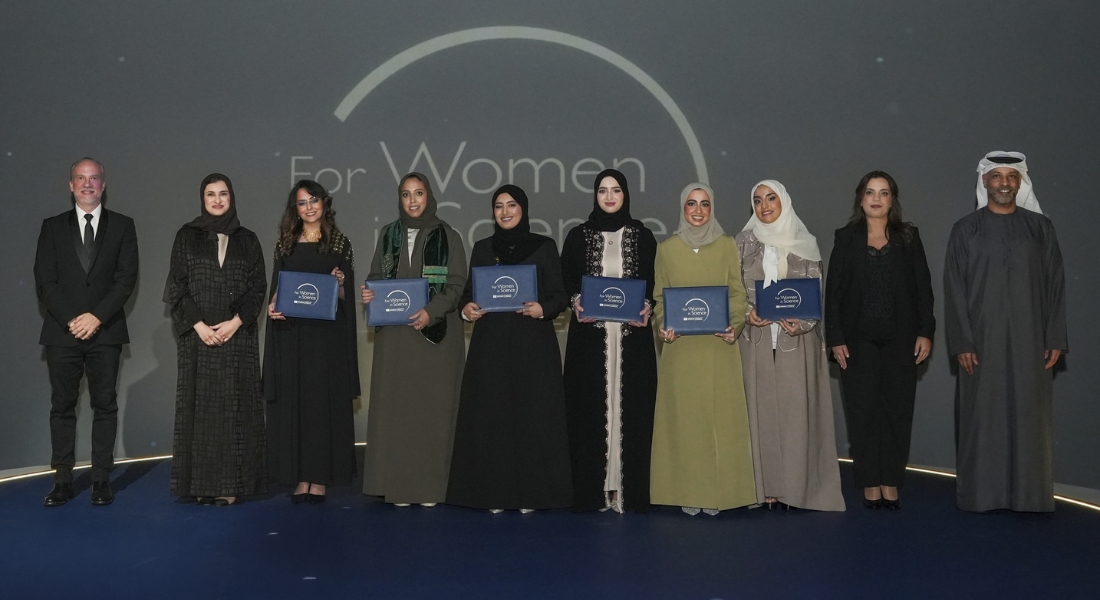
Thirteen years after its regional launch, the L’Oréal-UNESCO For Women in Science Middle East Programme continues to spotlight the Arab women shaping the future of science. At its 2026 edition, held in partnership with Khalifa University of Science and Technology, six researchers from across the GCC were recognised for work spanning personalised medicine, radiation-detecting materials, antiviral research, water security and sustainable technologies.
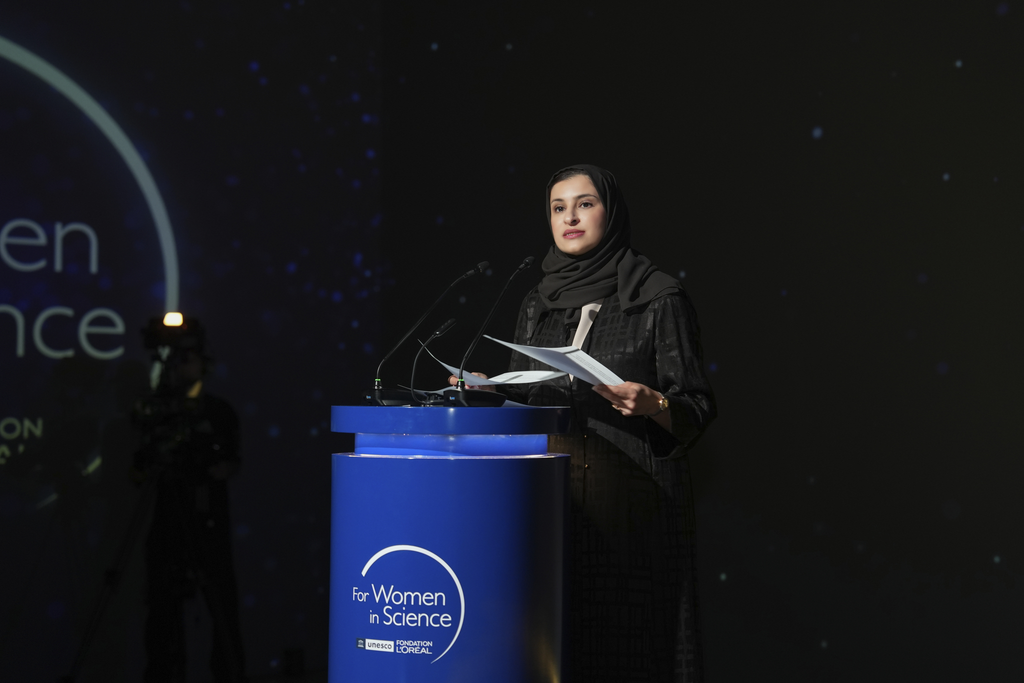
The ceremony brought together Her Excellency Sarah Al Amiri, UAE Minister of Education; Laurent Duffier, Managing Director of L’Oréal Middle East; Salah Khaled, Director of UNESCO’s Doha Office for Gulf States and Yemen; and His Excellency Prof. Ebrahim Al Hajri, President of Khalifa University. Two UAE-based researchers, Dr. Marieh Bassam Al Handawi and Jawaher Alhammadi, were honoured alongside Sara Al-Araimi, Alaa Mansour Almushaikeh, Hadeel Tarik Zedan, and Dr. Aljawharah Alrubayyi, bringing the country’s total to 25 since the programme began in 2014. With more than AED 4 million awarded to 69 Arab women researchers to date, the programme is helping turn scientific talent into real-world impact.
MADAME Arabia sat down with three of this year’s honourees in exclusive interviews, taking a closer look at the work, ambition and impact behind their recognition.
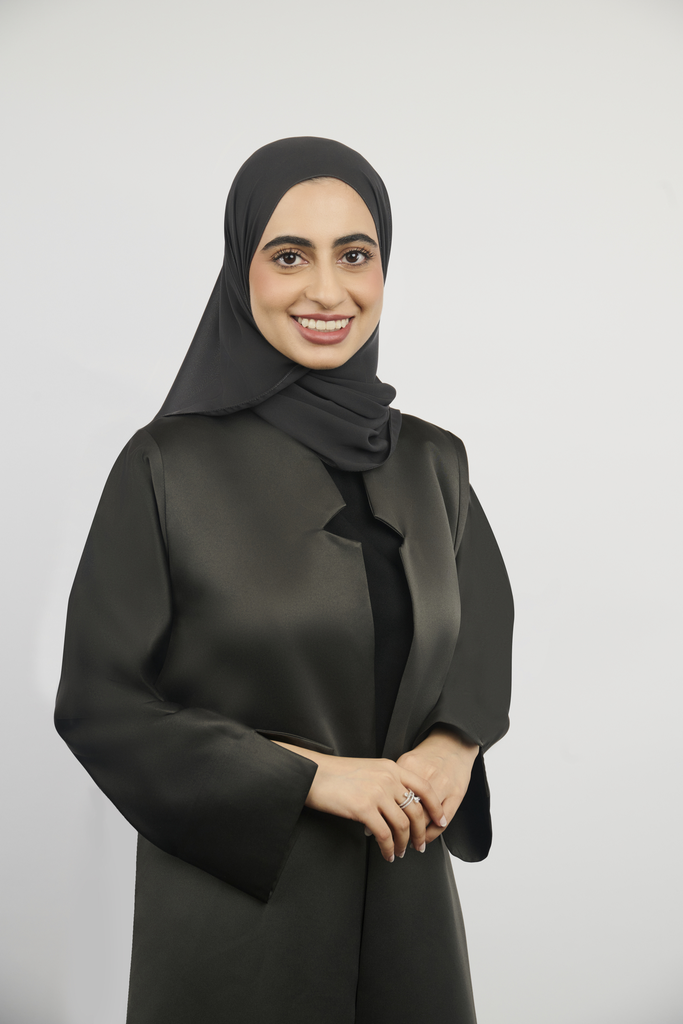
For Jawaher Alhammadi, the Emirati Biomedical Engineering PhD student at Khalifa University of Science and Technology, scientific research should not be restricted to labs and publications; it should be translated into actual application outside of the lab. Her research is centred around developing customisable cell membrane models that bring researchers closer to testing treatments with the individual patient in mind. “With this platform, I think it would be useful for patients, where we can monitor or study how the composition of the cell membrane of the patient will lead to a specific outcome," she tells us.
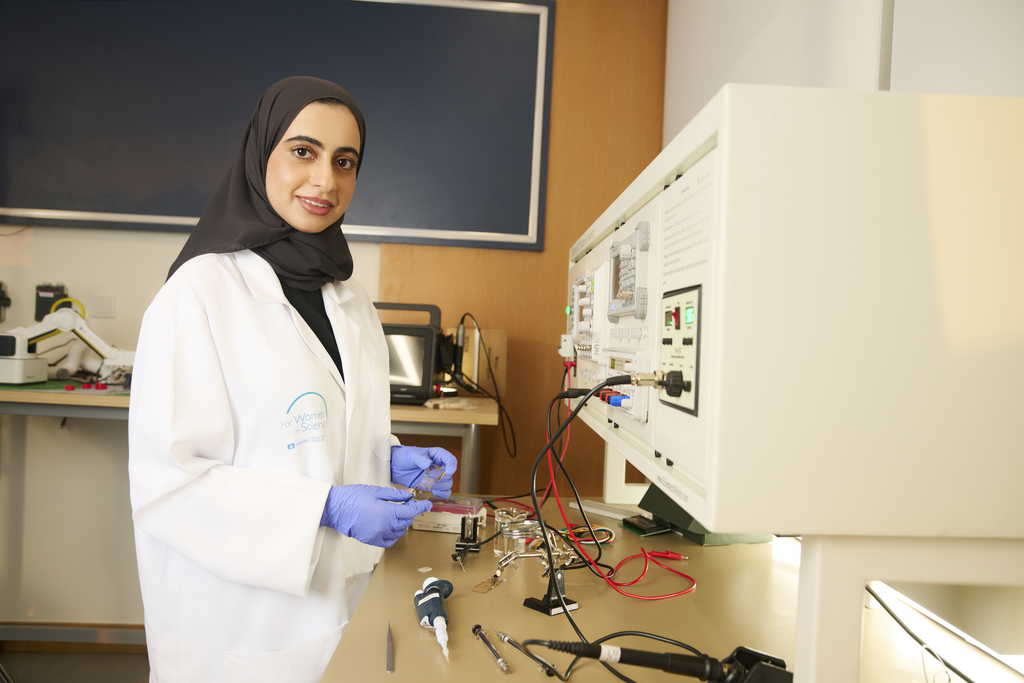
She is now further developing and validating her membrane platform to create models specific to different immune and disease systems to help with drug testing and personalised medicine. Speaking about the L’Oréal UNESCO for Women in Science Middle East programme, she said that it not only is benefiting the women recognised by the programme but also inspires women across the region to pursue science. She thinks that when it comes to pursuing your ambitions, the important thing is to do it even when you feel scared. “Because being ready is not a feeling, to be honest. You will be waiting forever to feel ready."
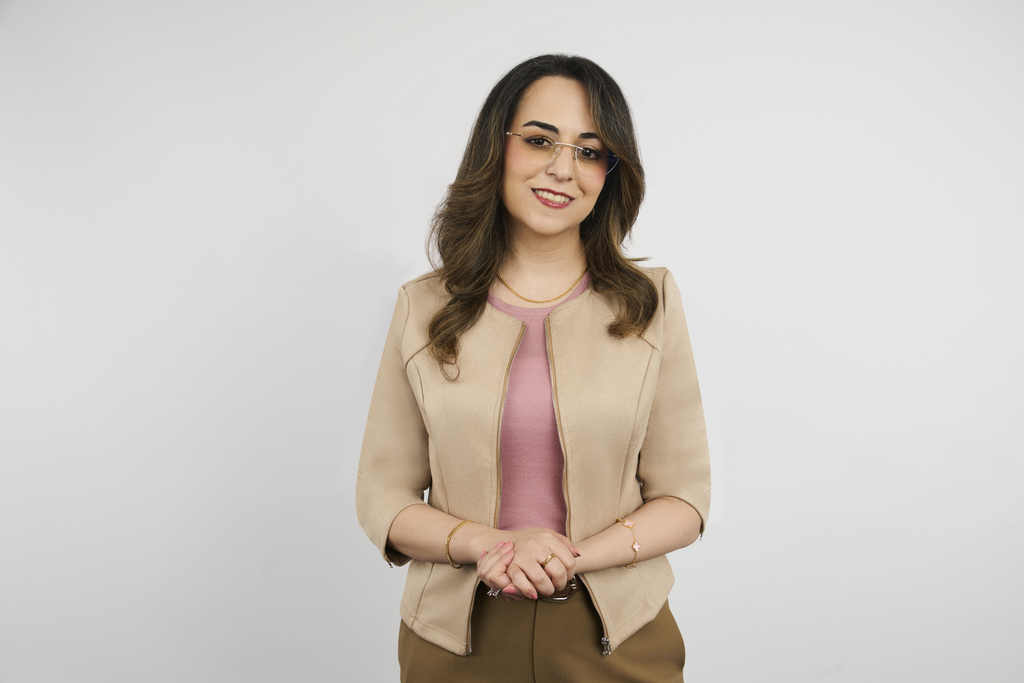
Dr. Marieh Bassam Al Handawi, a Syrian scientist at New York University Abu Dhabi, is looking to the desert for nature-inspired solutions to water scarcity. Her research explores how Tamarix aphylla, a shrub found in the UAE, uses salts on its branches to capture moisture from the air, a mechanism she hopes to adapt for low-energy water-harvesting technologies. “These crystals actually act as a magnet, just attracting the water, pulling water from the air and condensing it on the branches," she explains. Her work also includes cactus-inspired hydrogels, with the aim of developing complementary approaches to the region’s reliance on desalination.
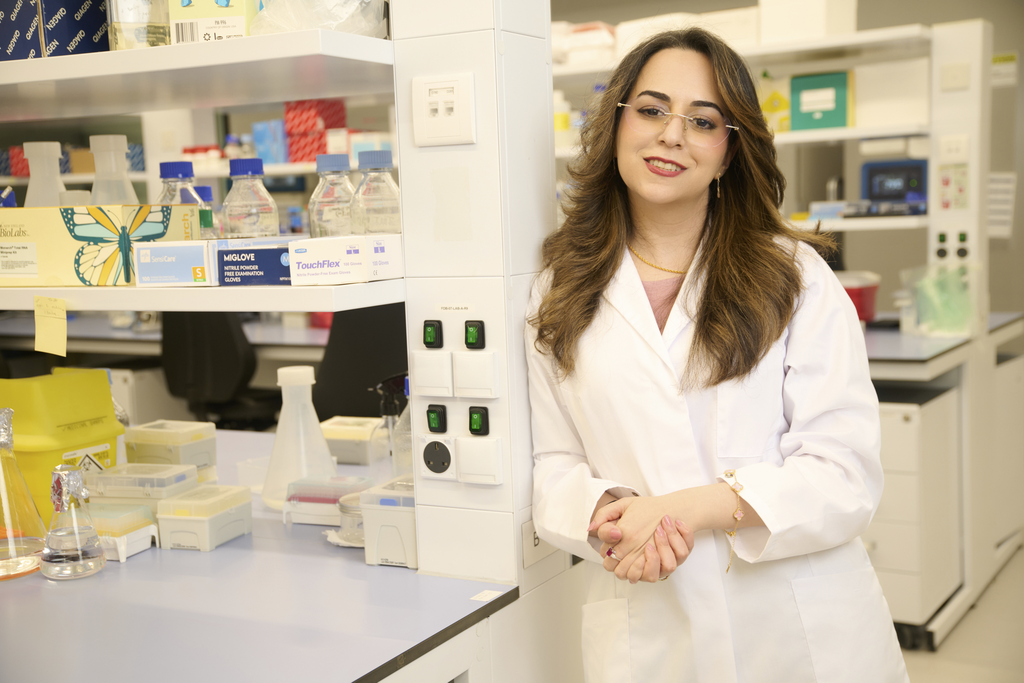
For Dr. Marieh, recognition through the L’Oréal-UNESCO For Women in Science Middle East programme offers an opportunity to bring more attention to her research and encourage collaboration. “I need this to be known to the local research community so they could even help me more in finding more natural systems in the desert, more desert animals, insects, all of that," she says. She hopes to expand her studies to other GCC countries and discover more such plants and animals, building a catalogue of biological blueprints for future technologies. Having mentored students as young as 12, she also encourages the next generation of women in science to persevere when opportunities feel limited. “Don't give up, remain curious.”
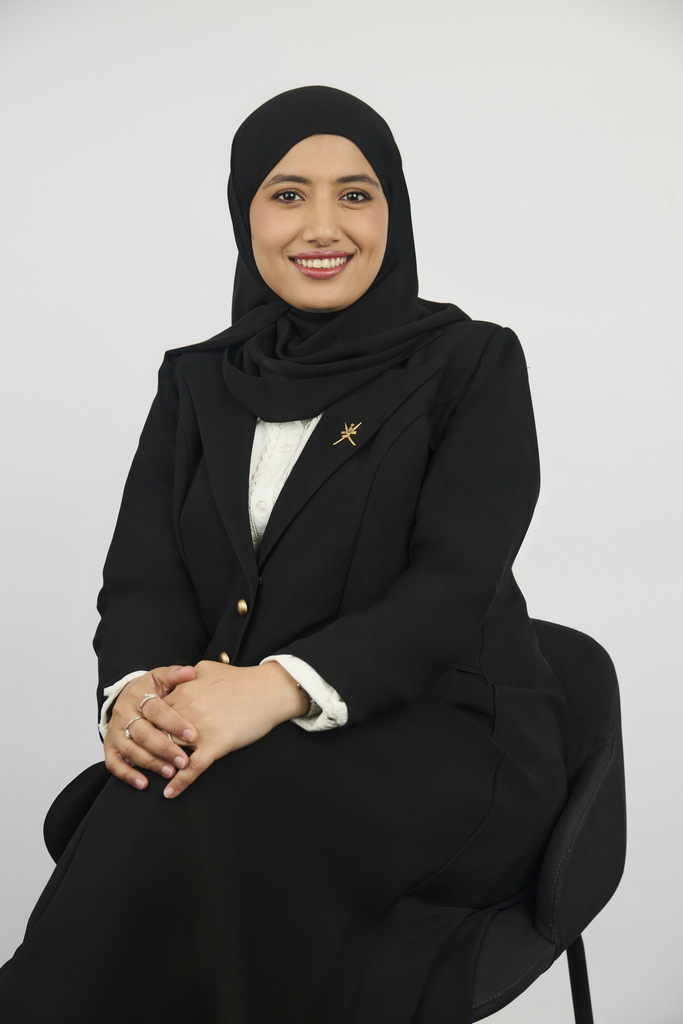
Dr. Sara Al-Araimi, the Omani researcher at the University of Technology and Applied Sciences, seeks to transform waste from an environmental burden into a useful resource with the help of biotechnology. Her research focuses on developing biological systems that can simultaneously treat wastewater, utilise carbon dioxide and produce valuable bio-based products. “What I find particularly exciting is that we can move from simple observation, what microorganisms can do to understand how they work at the genetic level," she says.
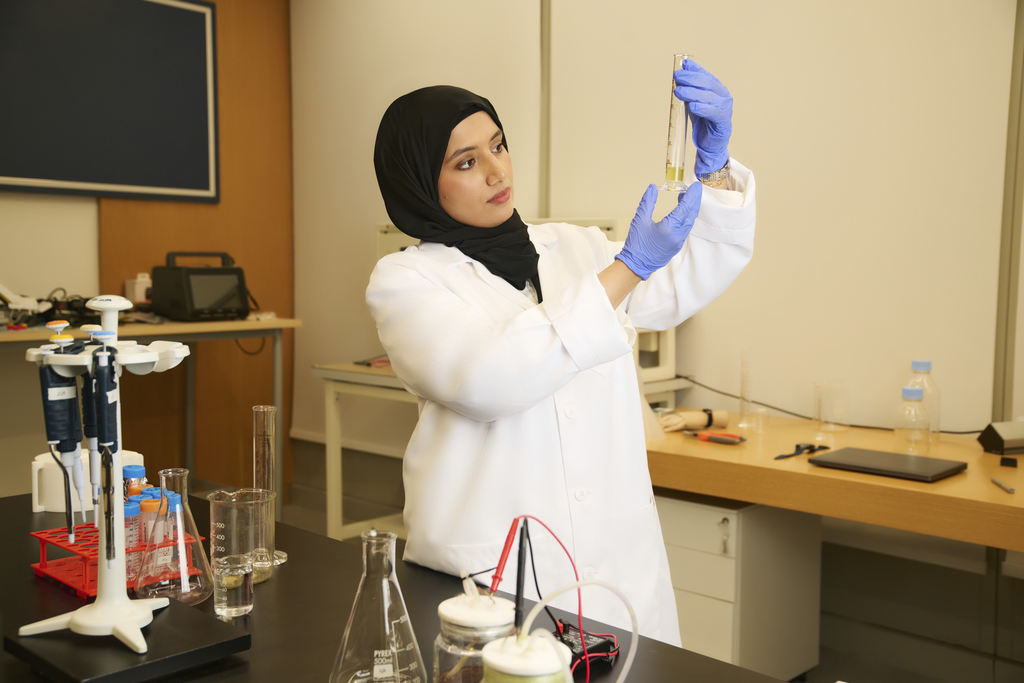
“For me personally, the fellowship is a meaningful milestone in my scientific journey. It will help support the next stage of my research and particularly the development of large biological systems and the advanced scientific analysis needed to evaluate its performance," she said, speaking about what the programme means to her. She believes that science is a journey of continuous learning and that every experiment would not yield the results you expect; however, through continuous research and perseverance, you can make a difference.
This year’s L’Oréal-UNESCO For Women in Science honourees prove that Arab women are not only participating in science, they are leading it. Through research that addresses healthcare, water security and sustainability, they are shaping solutions for the region and beyond.
Follow Us

The Latest
-

Wellness
The science behind peptide injections
All the risks behind the so-called miracle treatments
-

Travel
Detox hotels to book for your next getaway
Check in, to check out at these beautiful resorts
-

Travel
Discovering Singapore’s green allure
Exotic, diverse, lush. The garden city of Singapore nurtures culture, fine dining, and an environmentally oriented plan for the future
-

Travel
Inside The Royal Diriyah Opera House in Riyadh
Saudi Arabia’s first dedicated opera house opening soon
Subscribe to our newsletter and receive a selection of cool articles every weeks
You can unsubscribe at any time. To find out more, please visit our privacy policy.