

Meet MADAME: Britt Singleton, Founder of Casa Adega Studio
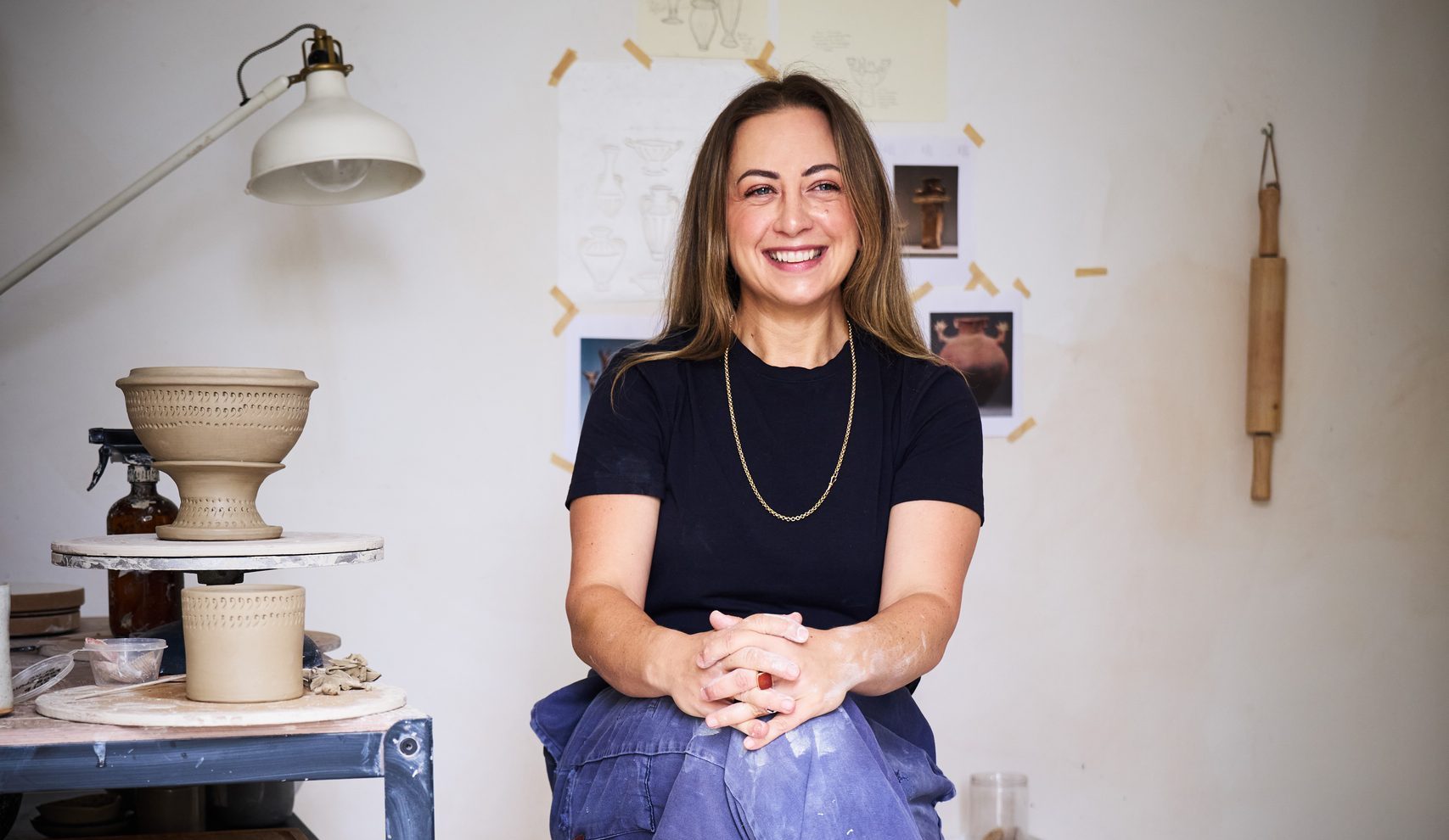
After a career in fashion PR, working with some of the world’s biggest luxury maisons, Britt Singleton made her boldest move yet, launching her own pottery studio.
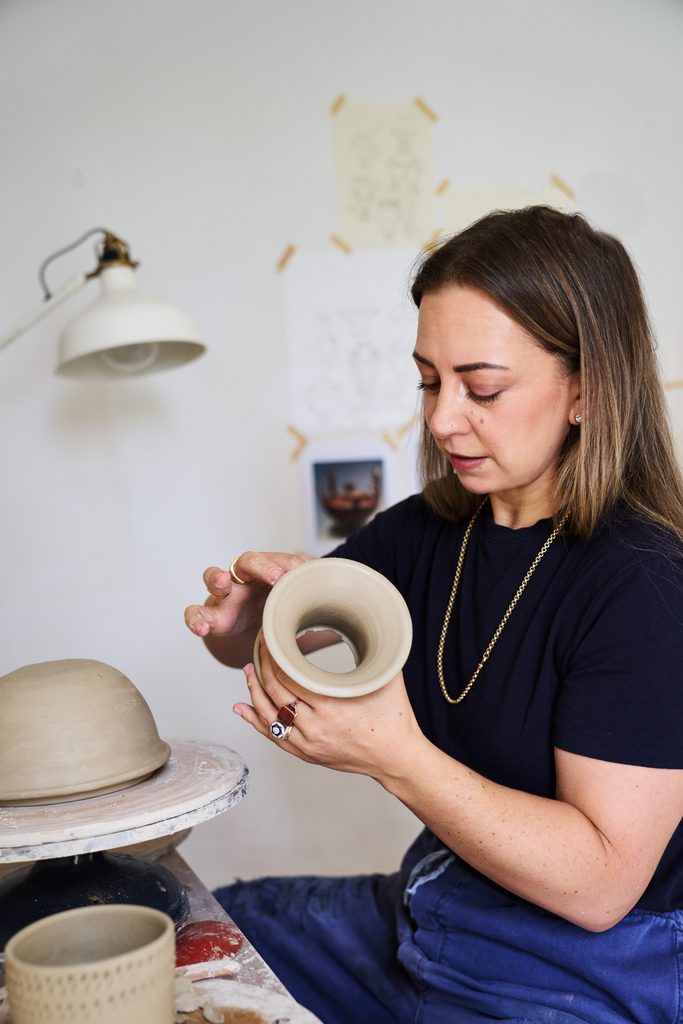
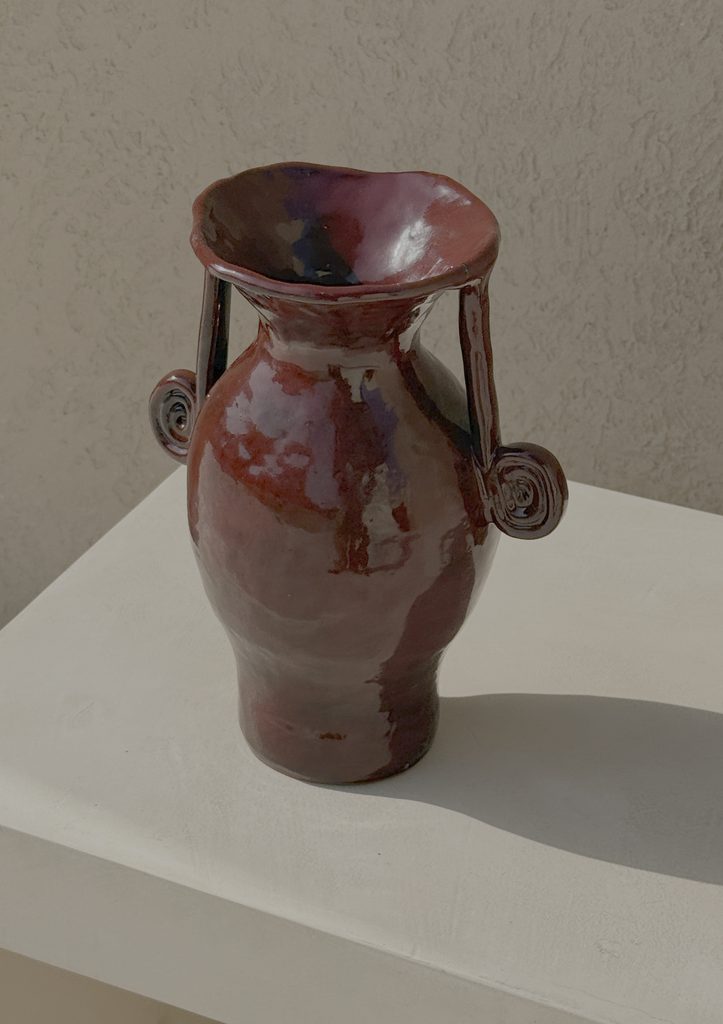
At Casa Adega Studio, her Dubai-based creative space, Singleton handcrafts pieces that explore tactile contrasts, moving between raw, earthy finishes and expressive glazes. Her work draws inspiration from the studio’s origins in the secluded Portuguese countryside and a longstanding passion for design.
Ahead of the launch of casaadegastudio.com next month, Singleton discusses changing careers, developing her creative process, overcoming challenges and shaping her ambitions for the future.
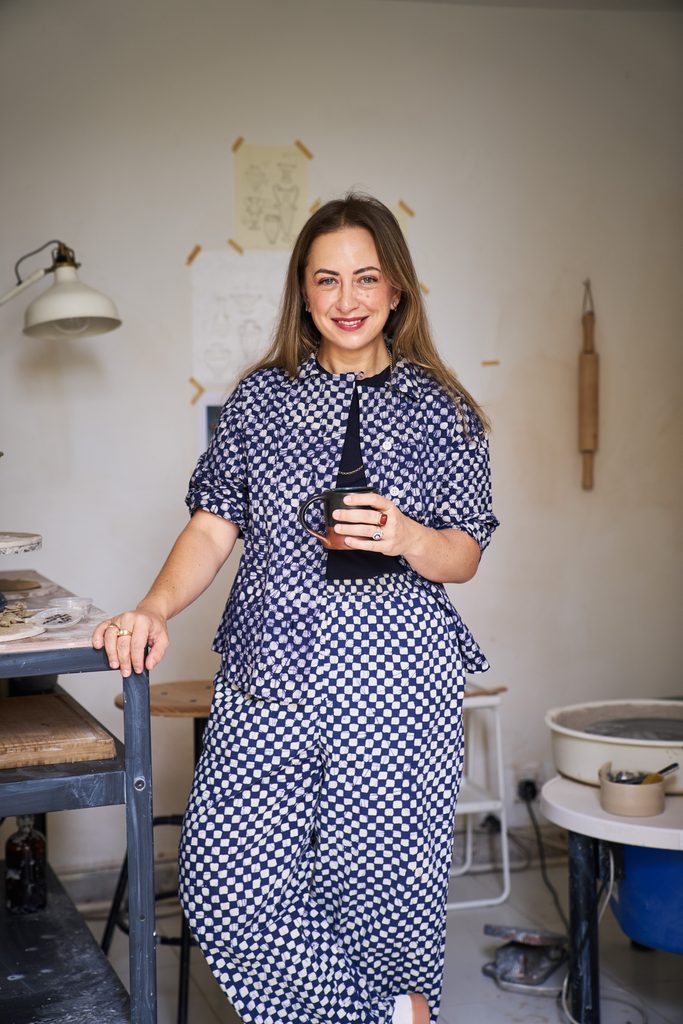
Tell us a little about your journey from fashion PR to launching a ceramic studio in Dubai.
My path into PR was pretty unconventional. I studied Fashion Design in Australia, worked at Fashion Week there, and moved to Dubai to work in publishing as an editor and stylist. My career in PR grew from there out of a genuine passion for design, specifically helping creators articulate their vision and take it to the global stage. My work now is definitely a world away from that! But having started out with a strong grounding in the Creative Arts, moving back into a design practice of my own feels less like a pivot and more like a homecoming.
What gave you the confidence to leave your previous career and take the leap into something new?
I spent nearly a decade as part of a team building a luxury PR agency in Dubai, collaborating with some of the world´s top brands. That experience was transformative. Dubai has a rare, infectious entrepreneurial momentum; it rewards ambition and big vision. Being surrounded by that mindset gave me the confidence to step out of the corporate framework and bet entirely on myself, but it definitely wasn’t an easy decision. A major learning I took from working with my PR clients is that you cannot wait for someone else’s permission to go after your own goals. If there’s something you want to do, launch or be - you just need to go for it and back yourself entirely.
Where did your passion for pottery first begin?
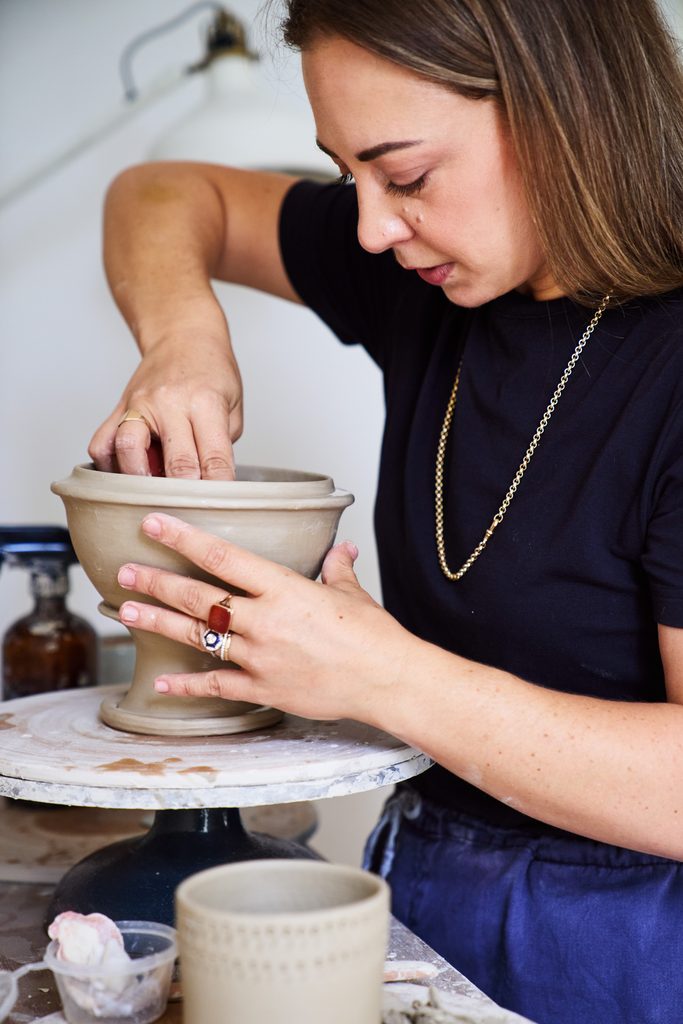
I grew up in a very creative household—my mother is a talented illustrator, and my sister is a Graphic Designer and Art educator. A career in the arts was always supported at home, which is rare, and something I’ve grown to appreciate even more as I get older. While I touched on ceramics during my design studies, I really had the opportunity to return to it in 2020. I joined a community studio in Dubai when I was looking for a tactile, off-screen outlet and really rediscovered my love for it. Having that dedicated time to immerse myself in that world reignited a drive to create with my hands again.
Why did this feel like the right moment to explore that passion professionally?
A ceramic practice requires focus and dedication to reach its potential, and it was becoming clear that balancing it on weekends and after office hours was no longer enough. I realised that if I wanted to build a studio practice that I was really proud of, I had to take a calculated risk, leave the security of a successful agency career, and dedicate myself to the Casa Adega Studio full-time. I'm fortunate to have an incredibly supportive partner who also encouraged me to take the leap.
What inspired you to create Casa Adega Studio, and what does the name mean to you?
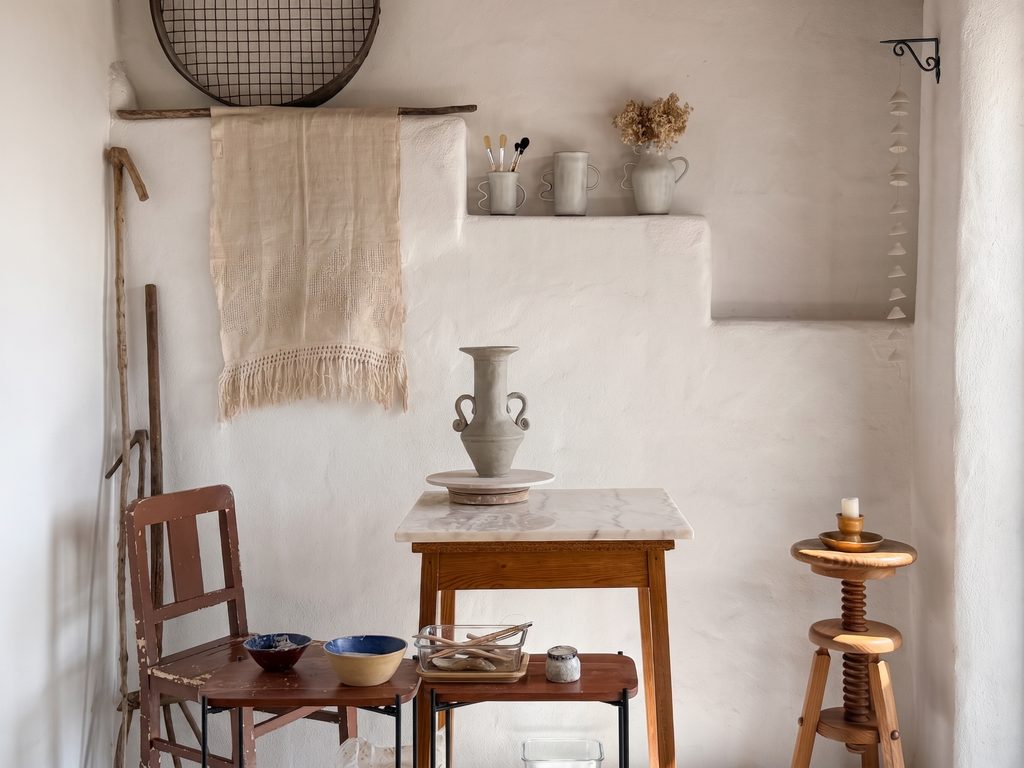
The studio is named after Casa Adega, our countryside home in central Portugal. It´s surrounded by ancient olive and fruit trees in a beautifully raw, secluded landscape, and has always been a very inspiring place to be and work. Today, I split my year between my primary base in Dubai and my studio in Portugal, allowing both environments to shape my work.
Where do you find inspiration for the shapes, colours, and finishes of your pieces?
The silhouettes of my pieces draw heavily on Ancient Greek and Cypriot antiquities, which is a nod to my Cypriot heritage on my mother’s side. On a trip to Cyprus, I’m more likely to be found checking out the archaeological collections in Nicosia than on the beach! On the other hand, the vibrant colour choices and graphic glaze patterns are informed by 1970s textile design, an era I’ve always loved from my background in fashion. Some of my strongest childhood memories are playing dress up in my YiaYia’s (Cypriot grandmother´s) clothes, which she always made herself, and the colours and patterns of those fabrics are deeply ingrained in my memory. A lot of those colour palettes come to life in Casa Adega Studio pieces.
What does your creative process look like, from the first idea to the finished object?
It always begins analogue; I´m very old school! Physical mood boards pinning museum references, vintage textiles, photos, and quick sketches. Once the direction is clear, I move directly into clay, hand-building and wheel-throwing the pieces. Crucially, I reserve a few dedicated hours each week purely for unstructured play, testing a new profile, a handle, or glazing technique. That free space, away from client deadlines, is where the most successful design signatures originate.
What has been the biggest learning curve since launching the business?
Protecting that space for creative exploration amidst commercial growth. When you’re building a business, it’s easy to get consumed by production timelines, logistics, and stockists. But since every piece is individually hand-built or wheel-thrown, the core of the brand rests on the integrity of the hand. Maintaining joy and freedom in the physical process is essential to the quality of the final object.
What is your long-term vision for Casa Adega Studio?
To scale with restraint and integrity. Beyond commercial goals, my focus is on crafting exceptional pieces and collaborating with like-minded designers and collectors. Bespoke commissions have become one of the most rewarding parts of the practice, and expanding that side of the studio – while preserving the hand-crafted nature of every object – is where the future lies. Running my own practice also gives me the freedom to travel to work and study abroad, and I’ve been lucky to travel this year to study in Italy with the American potter Hayne Bayless. That was an amazing experience, and I’d love to keep pushing my own skills through that type of study.
Follow Us

The Latest
-

Wellness
The science behind peptide injections
All the risks behind the so-called miracle treatments
-

Travel
Detox hotels to book for your next getaway
Check in, to check out at these beautiful resorts
-

Travel
Discovering Singapore’s green allure
Exotic, diverse, lush. The garden city of Singapore nurtures culture, fine dining, and an environmentally oriented plan for the future
-

Travel
Inside The Royal Diriyah Opera House in Riyadh
Saudi Arabia’s first dedicated opera house opening soon
Subscribe to our newsletter and receive a selection of cool articles every weeks
You can unsubscribe at any time. To find out more, please visit our privacy policy.