

Meet Madame: Deema Al Alami
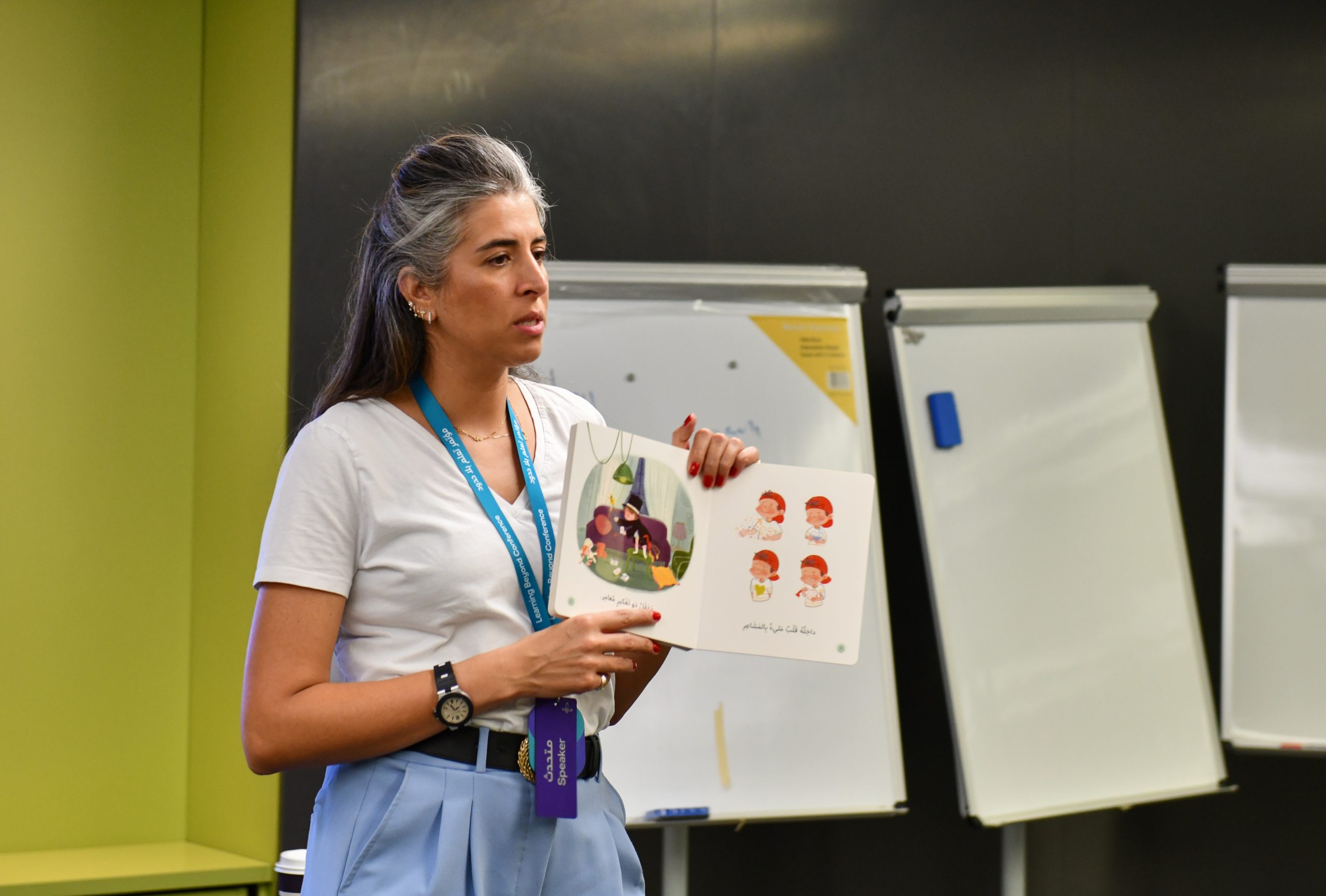
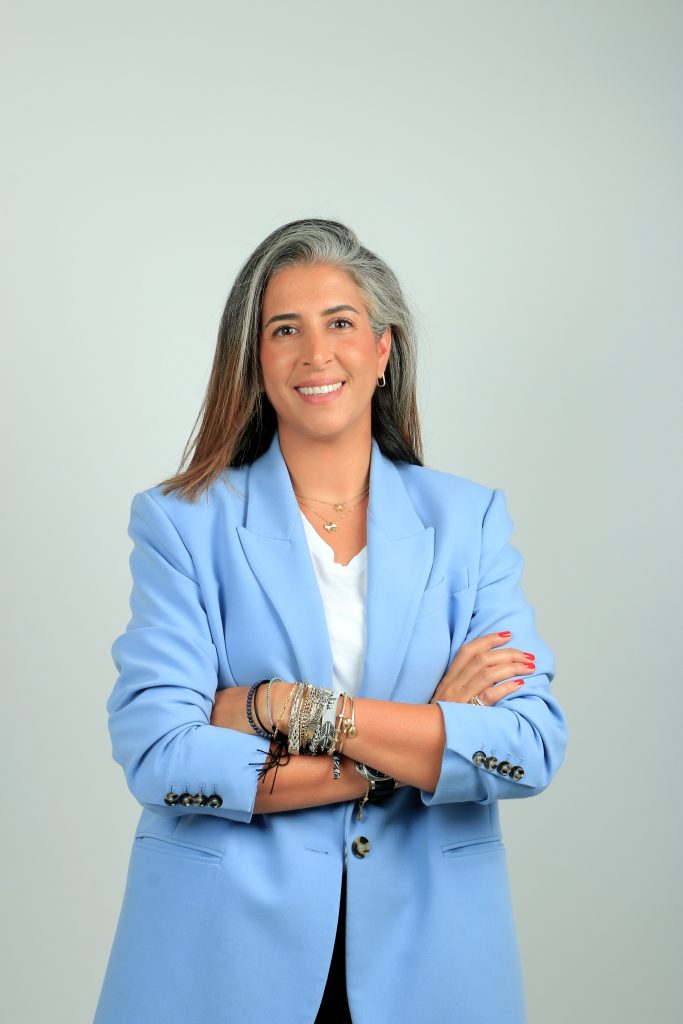
After a successful career in leadership at GEMS Education in Dubai, Deema Al-Alami chose to focus on addressing a gap she had encountered throughout her work: the need for more high-quality children’s books that authentically reflect Arab lives, language and culture.
Today, she is an educator, author, literacy advocate and the founder of From Mother to Author, as well as co-founder of the Arab Child Summit. As she prepares to launch Deema Publishing, we speak to her about motherhood, representation, career change and empowering a new generation of Arab storytellers.
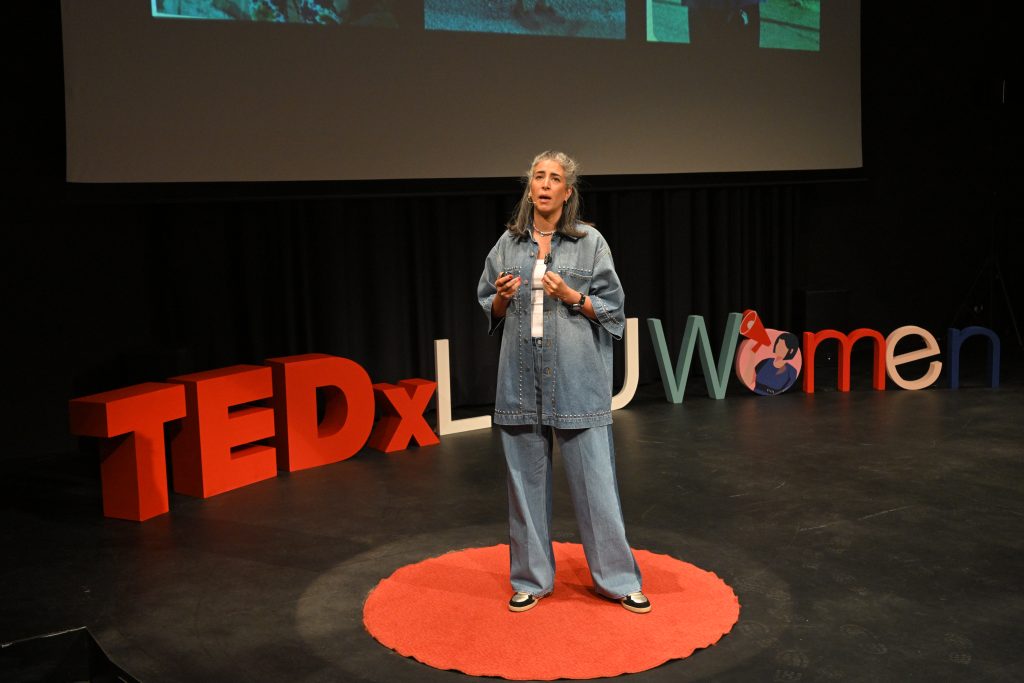
Having spent five years as the Vice President of GEMS Education, what was the pivotal moment that pushed you to leave corporate roles and focus entirely on literacy advocacy and self-publishing?
There wasn't one dramatic moment. It was a gradual realisation that the greatest impact I could make wasn't necessarily from inside a large organisation, but by creating something of my own.
For nearly a decade, I had the privilege of working with thousands of Arabic language educators across the region. I loved the scale of that work and remain incredibly proud of what we achieved. But throughout those years, one issue kept resurfacing: the solutions being offered to Arab children simply do not reflect their lives, their identities, and their realities.
I reached a point where I could either continue talking about the problem or dedicate myself to becoming part of the solution.
Leaving a stable executive career wasn't easy. It meant walking away from certainty to build something from the ground up. But I believed that community projects have the power to shape childhood in ways policies alone cannot. Today, every book I publish, every author I mentor, and every conversation I start is rooted in that belief.
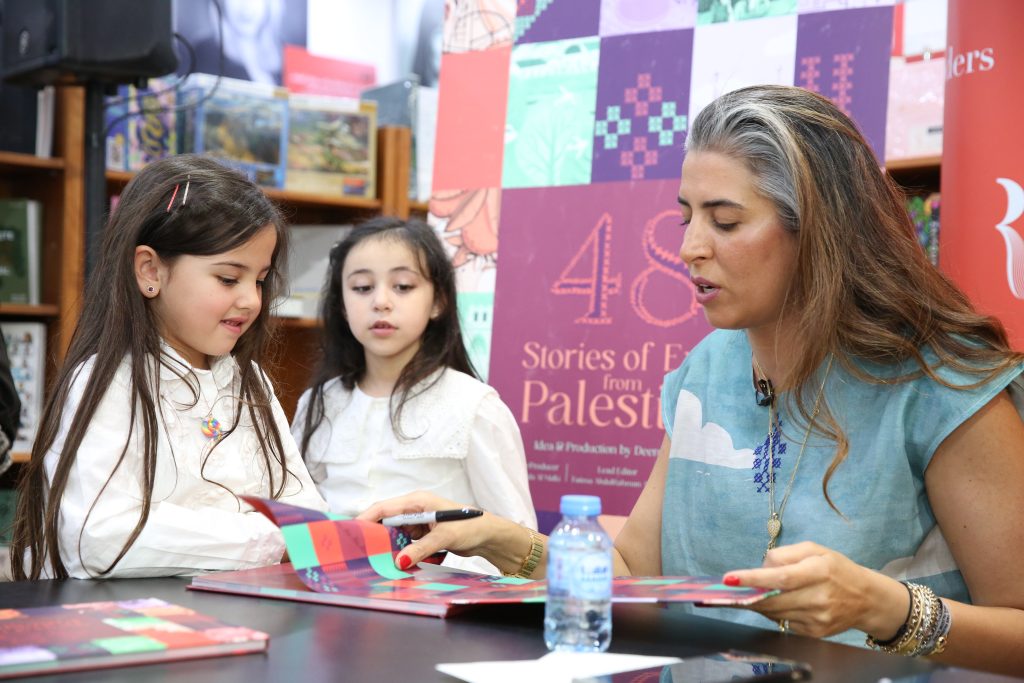
Through your "From Mother to Author" programme, you are helping women turn their lived experience into published children's literature. What kind of influence do you hope these books have on children as they grow up?
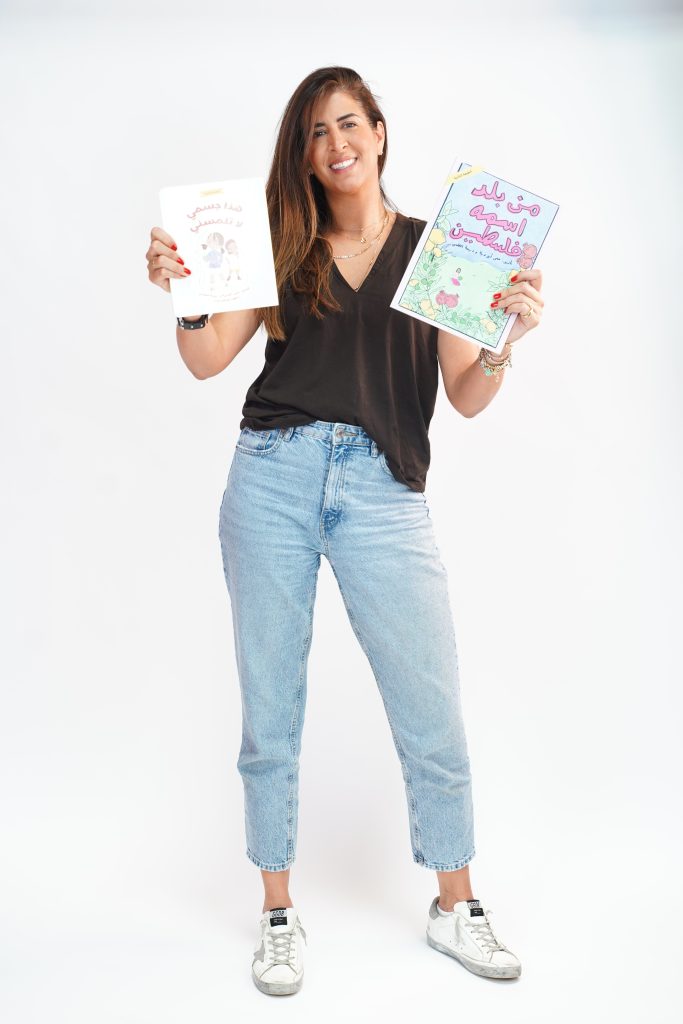
For decades, many of our children's books have been translated from other languages or written through lenses that don't fully understand Arab childhood. While there are wonderful exceptions, we still need far more stories that are authentically ours.
The women I work with are mothers, teachers, psychologists, doctors, entrepreneurs, and educators, and many are not even mothers, but have great stories to tell. They are writing about topics they know intimately because they have lived them. Those lived experiences become books that help children feel seen, understood, and represented.
I often say that we don't just need more books. We need more high-quality books authored and illustrated by Arabs.
When children regularly encounter books that reflect their language, culture, humour, traditions, challenges, and aspirations, they grow up knowing that their own life stories matter too!
What book are you currently reading, and do you have some recommendations for our readers?
I usually have several books on the go at once.
Professionally, I'm constantly reading newly published children's books from around the world to study storytelling, illustration, and how complex topics are handled for young readers. Personally, I gravitate towards historical fiction and books that explore human behaviour, education, and relationships.
I recently started reading Fundamentally by Nussaibah Younis, and I'm thoroughly enjoying it so far.
What do you do when you get writer's block? Do you have any routine to get past it?
I've learned not to fight writer's block. Some of my best ideas don't come when I'm sitting behind my laptop. They come while travelling, grocery shopping, listening to my children, or simply observing the world.
I keep hundreds of notes on my phone because inspiration rarely arrives at convenient times.
How did motherhood change your perspective on education and childhood reading?
Motherhood changed everything. Before having children, I was deeply focused on my career and professional ambitions. Becoming a mother gradually helped me accept something I hadn't fully understood before: the most important project I will ever work on is raising confident, kind, happy, and empathetic children.
I've always loved reading, but reading with my boys brought me a completely different kind of joy. It became so much more than sharing a story. It became how we connected, answered difficult questions, processed emotions, celebrated our identity, and created some of our most treasured memories together.
In a world dominated by screens, what advice do you have for parents who are struggling to get their kids interested in reading?
The biggest mistake we make is treating reading like homework.
Children fall in love with reading when it feels joyful, not compulsory.
My advice is simple: read together, even after your children can read independently. Let them choose books. Visit libraries and bookshops. Make reading part of your family culture rather than another task on the timetable.
What advice do you give women in the region who want to turn social impact ideas into sustainable businesses?
Start with a real problem that genuinely bothers you, then create the solution you wish already existed. If you're the first person who would use it, chances are many others are looking for it too. Don't spend years searching for the "perfect" business idea. Start with a problem worth solving.
What are you working on at the moment, and what is in the pipeline for you this year?
It's an exciting season! I will be launching my own publishing house, Deema Publishing, with the vision of bringing more culturally authentic, high-quality children's books into the world while supporting a new generation of Arab authors.
I'm also continuing to expand the From Mother to Author programme, mentoring aspiring writers from across the region as they transform their lived experiences into meaningful children's literature.
Alongside publishing, we're continuing to grow the Arab Child Summit, a platform that brings together educators, researchers, policymakers, parents, young people, and the wider community to explore the issues shaping childhood in the Arab world. Our goal is not only to spark important conversations but also to inspire collaboration, accountability, and lasting action that extends far beyond the summit itself.
At the heart of everything I do is one simple belief: when we invest in Arab children, through education, culture, language, and storytelling, we're not just shaping individual lives; we're shaping the future of our communities and our region. Every project I take on, whether it's a book, a summit, or a social initiative, is ultimately about helping Arab children grow up proud of who they are and confident in the future they can build.
Follow Us

The Latest
-

Wellness
The science behind peptide injections
All the risks behind the so-called miracle treatments
-

Travel
Detox hotels to book for your next getaway
Check in, to check out at these beautiful resorts
-

Travel
Discovering Singapore’s green allure
Exotic, diverse, lush. The garden city of Singapore nurtures culture, fine dining, and an environmentally oriented plan for the future
-

Travel
Inside The Royal Diriyah Opera House in Riyadh
Saudi Arabia’s first dedicated opera house opening soon
Subscribe to our newsletter and receive a selection of cool articles every weeks
You can unsubscribe at any time. To find out more, please visit our privacy policy.