

Meet Madame: Dr Jane Halsall, Chartered Counselling Psychologist

Navigating anxiety and building emotional resilience in uncertain times
With more than two decades of clinical experience, Dr Jane Halsall brings a calm, thoughtful perspective to the subject of mental wellbeing. The UK-trained Chartered Counselling Psychologist recently relocated from London to Dubai and is now practicing at Cornerstone Clinic at Grosvenor House. Having spent the past eight years running a successful private practice in Central London, Dr Halsall has worked across private healthcare, corporate settings and specialist clinics, helping individuals navigate anxiety, trauma, grief and attachment dynamics. Her work focuses on helping people build emotional resilience through an integrative, evidence-based approach that combines psychological insight with practical coping tools.
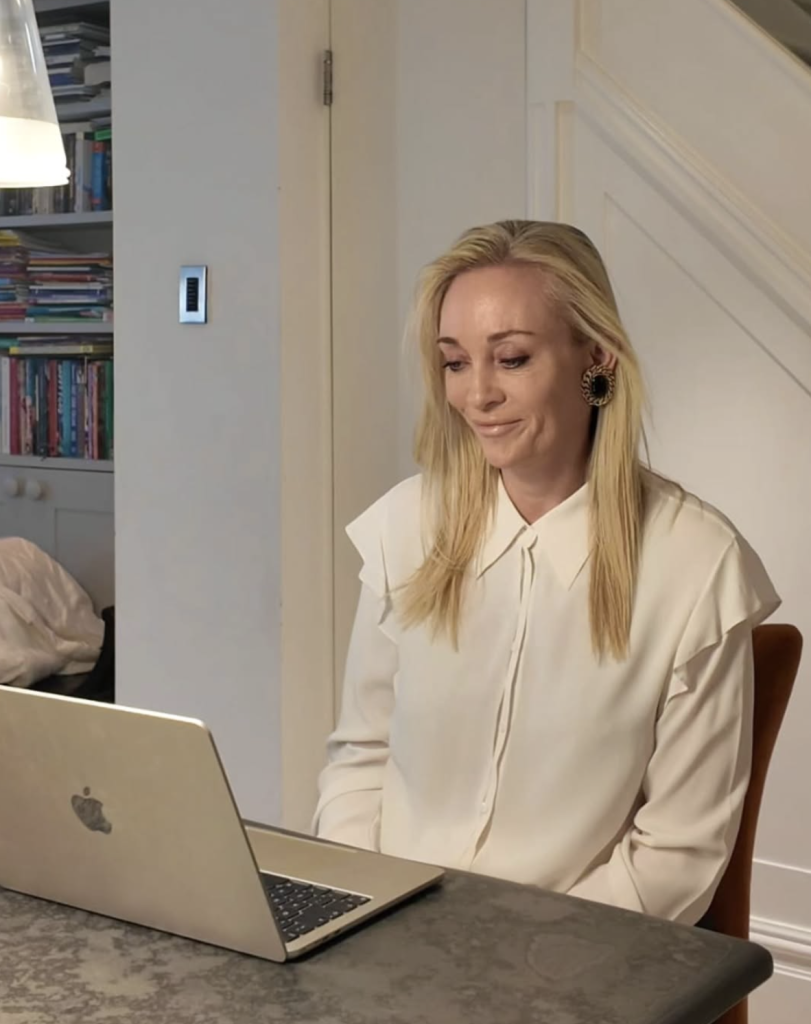
For Dr Halsall, one of the most important things people should understand about anxiety is that it is often a natural and healthy response. “From a clinical perspective, anxiety is a normal reaction when the brain perceives a potential threat,” she explains. “The amygdala activates, and stress hormones such as cortisol and adrenaline increase, preparing the body for what we call the ‘fight or flight’ response.” While this response is designed to protect us, it can sometimes become overwhelming when uncertainty is prolonged. “Feeling unsettled or hyper-alert doesn’t mean something is wrong with you,” she adds. “It means your nervous system is doing exactly what it is designed to do.”
One of the key challenges people face during uncertain moments is the psychological impact of unpredictability. “The human brain prefers a defined threat over an ambiguous one,” says Dr Halsall. “When we don’t know what might happen next, the mind often fills the gaps with worst-case scenarios.” This pattern of “what if” thinking can fuel anxiety and create a spiral of catastrophic thoughts. Instead, she encourages people to shift their focus toward what is within their control. “Anchoring yourself to present facts rather than imagined scenarios can significantly reduce cognitive spiralling.”
Sleep is often one of the first areas affected by stress and anxiety. According to Dr Halsall, this is because the nervous system struggles to move into the body’s natural rest state. “Sleep requires the nervous system to enter a parasympathetic state — what we call ‘rest and digest,’” she explains. “When the brain perceives potential danger, even indirectly, it remains partially alert.” To support better sleep, she recommends creating a predictable wind-down routine in the evening. “A ‘digital sunset’ — stopping news consumption at least an hour before bed — can help the body recognise that it is safe to rest.”
For families, maintaining a sense of stability at home is particularly important. Routine, Dr Halsall explains, provides psychological containment. “Maintaining regular mealtimes, predictable bedtimes and shared family moments signals safety to the brain.” Parents also play a key role in helping children regulate their emotions. “Children regulate through adults,” she says. “If parents can remain calm and provide clear, age-appropriate reassurance, children are far more likely to feel secure.”
Alongside routine, Dr Halsall emphasises the importance of simple grounding techniques that help regulate the nervous system. “Controlled breathing, grounding through the senses and physical movement are three evidence-based tools that can make a meaningful difference,” she says. A breathing technique as simple as inhaling for four seconds and exhaling for six can activate the vagus nerve and calm the body’s stress response.
Dr Halsall also encourages people to recognise when professional support may be beneficial. Persistent anxiety, sleep disruption, panic attacks or difficulty concentrating at work can all be signs that extra guidance may help. “Therapy is about helping people understand their emotional patterns and giving them tools to regulate their responses,” she explains. “Often, once people understand what is happening in their nervous system, the experience becomes far less frightening.”
Ultimately, resilience is not about eliminating fear altogether. “Resilience is not the absence of fear,” Dr Halsall says. “It’s the capacity to function despite it.” By focusing on present reality rather than imagined scenarios, reconnecting with supportive relationships and practising simple regulation techniques, individuals can move from a place of fear toward one of clarity and stability. “Safety is built through regulation, connection and perspective,” she adds. “And those are things we can all actively cultivate.”
With her warm, pragmatic approach and more than 20 years of clinical expertise, Dr Jane Halsall is helping many residents in the UAE better understand their emotional responses and develop the tools needed to navigate life’s uncertainties with greater calm and confidence.
Follow Us

The Latest
-

Wellness
The science behind peptide injections
All the risks behind the so-called miracle treatments
-

Travel
Detox hotels to book for your next getaway
Check in, to check out at these beautiful resorts
-

Travel
Discovering Singapore’s green allure
Exotic, diverse, lush. The garden city of Singapore nurtures culture, fine dining, and an environmentally oriented plan for the future
-

Travel
Inside The Royal Diriyah Opera House in Riyadh
Saudi Arabia’s first dedicated opera house opening soon
Subscribe to our newsletter and receive a selection of cool articles every weeks
You can unsubscribe at any time. To find out more, please visit our privacy policy.