

Meet Madame: Mounia Akl, Filmmaker and Director of Netflix’s House of Guinness
Lindsay Judge

The Lebanese filmmaker opens up about working on the Netflix hit drama
Lebanese filmmaker Mounia Akl has emerged as one of the region’s distinctive voices in contemporary cinema, taking her talent globally. Her latest success, directing episodes of Netflix’s House of Guinness (currently among the platform’s top ten global shows), marks a defining moment in her career. The historical drama, created by Stephen Knight, combines the grandeur of empire and industry with the intimacy of family conflict. For Akl, that intersection between public power and private emotion is precisely where storytelling begins.
“I was really excited about the idea of working with the team on this project,” she says. “I loved telling the story of a country through a family and the people that surround them. I have always been drawn to stories that are a microcosm of the world through a certain dynamic and the price of the public on the personal and vice versa.” Her contribution to the series, which charts the legacy of one of Ireland’s most famous dynasties, is marked by the quiet tension that defines all her work, an attention to small gestures, silent moments, and the ways power and vulnerability coexist.
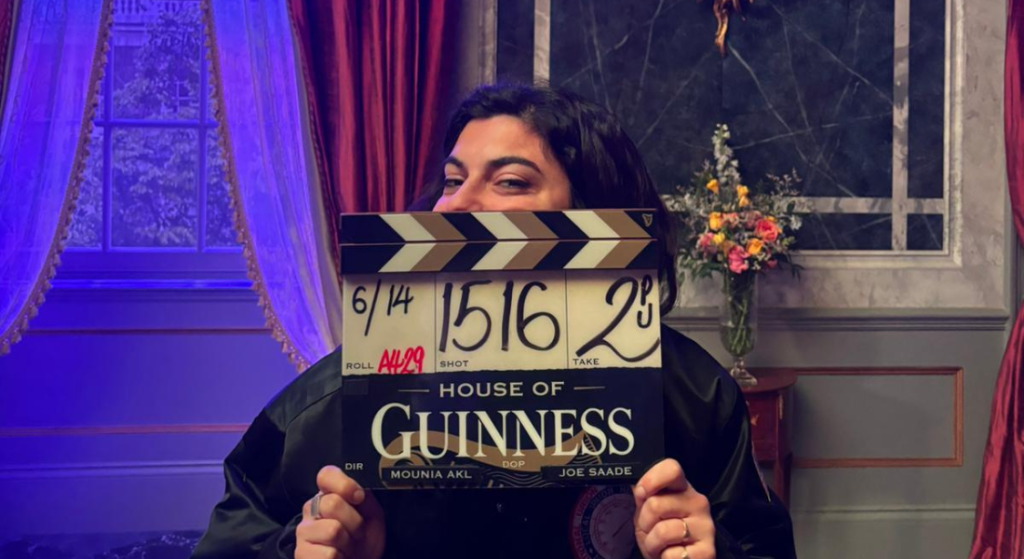
“I wanted to focus on creating intimacy and emotion and subjectivity of character within that big world,” she explains. Her ability to balance narratives with deeply personal emotion is what makes Akl’s storytelling so compelling, while her background in architecture informs her visual choices: “To me, visual storytelling is here to translate the character’s inner state and therefore, form follows function. I studied architecture, which I think is why I see it this way. It’s about placing a character in a space and ensuring that space is an extension of the character’s mind.”
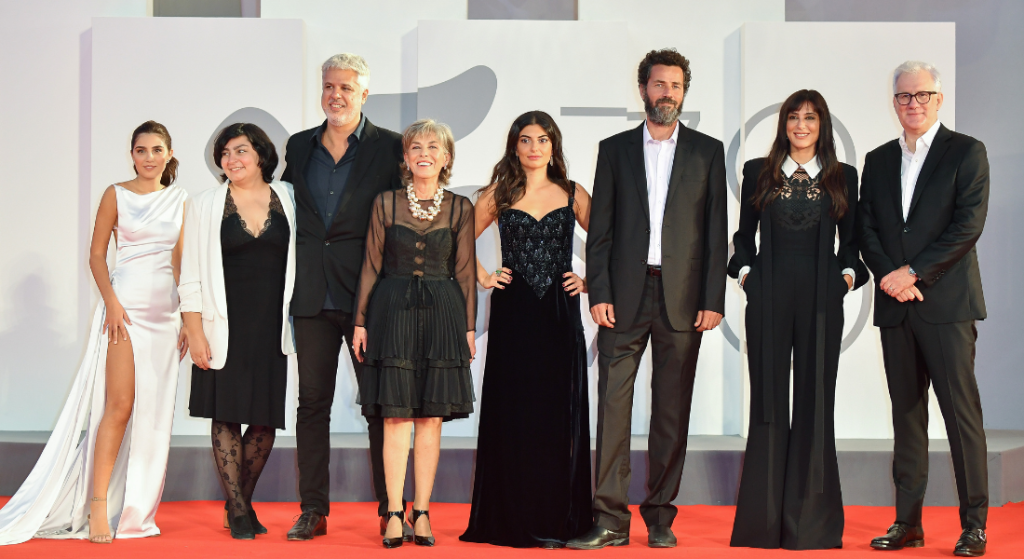
Born and raised in Lebanon, Akl’s perspective is inherently shaped by the complexity of home. “My Lebanese identity has influenced my life in many ways,” she reflects. “Growing up in Lebanon has really opened my eyes about living with a constant question about what the next day might look like. It has created, in a way, a comfort around chaos… what it has given me is a sense of adaptability around chaos and confusion when things are too perfect.” This sensitivity to instability is a thread that runs through her debut feature, Costa Brava, Lebanon, which premiered at the Venice Film Festival and later became an international success on Netflix.
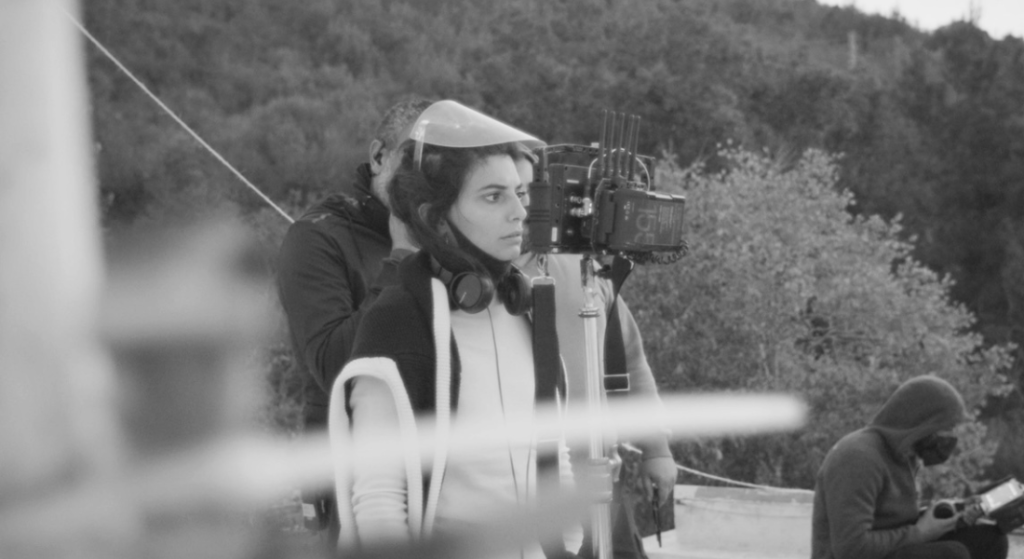
In an industry still shaped by male-dominated traditions, Akl has learned to take things in her stride. “A big part of being a director is also people management and self-management,” she says. “I try to be myself and lead with communication and kindness. I try to deal with it in the best way and be very clear about what I need, what I want and how to solve problems.” But she is also optimistic about change. “Sometimes you will deal with something uncomfortable, and then other times you will be working with people who really want to change the industry. It’s about embracing those who are really trying to change and feeling grateful for being at the table.”
Her curiosity and empathy have been shaped by a life lived between Lebanon, London, and New York, allowing her to tell stories that transcend borders. “Every time I choose a project, I try to find a personal connection to the material,” she says. “Themes of identity, belonging, and human resilience are all questions that I ask myself. As a person who’s lived in different places but feels so connected to the place they spent the first 20 years of their life in, how do you place yourself in the world when your home is a bit fractured?”
For Akl, inspiration doesn’t just come from physical things, but from the act of collaboration itself. “In the last two years, my greatest creative inspiration has been working with the teams I’ve been working with,” she says. “I haven’t been watching many things or going to a lot of museums as I did previously because I’ve been working a lot, so my inspiration has come from producing, creating and exchanging with people.”
As she writes her second feature film, Akl continues to explore the emotional human connection. “The type of stories I want to tell are the ones that do to me what stories did to me when I was a kid,” she says. “That opened up my world, helped me ask myself questions, and helped me discover layers of an inner world… I just want to tell good stories. The type of stories that make you think and make you feel.”
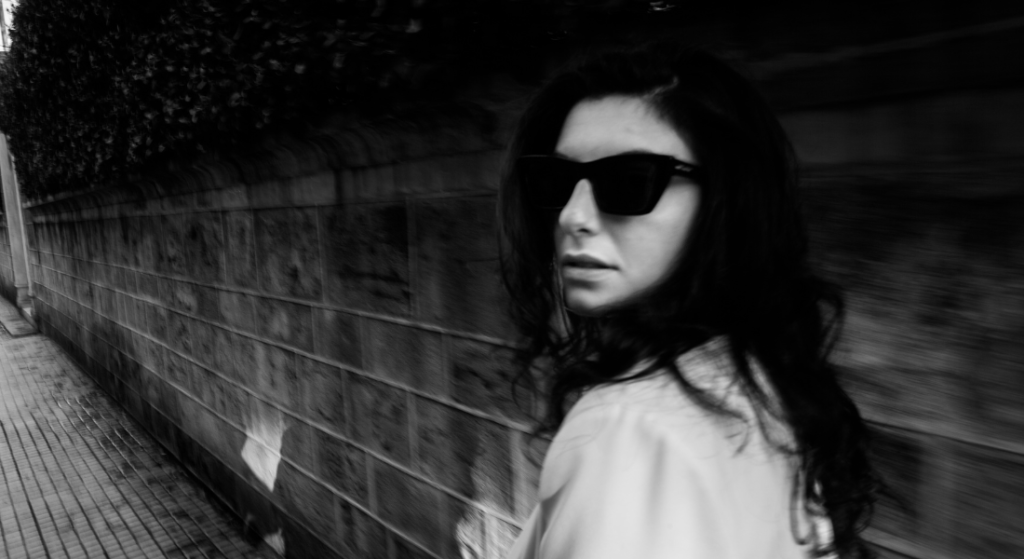
But beyond her achievements, Akl acknowledges that there is still much that needs to change in the industry. She hopes the global spotlight on Arab filmmakers today leads to lasting change. “I hope it brings more opportunities. More financial opportunities. More infrastructure for women to be able to tell their stories because the stories are there.”
With work such a big part of her life, she recognises the need to switch off. “You cannot be telling stories if you’re not living stories,” she says. “You need to do your work with a lot of love and discipline, but also know when to let go and spend time with yourself, your loved ones, your city, with art, and your own joys. You cannot be open to telling very vulnerable stories if you’re not spending time in silence, looking into the deepest corners of yourself.”
Follow Us

The Latest
-

Wellness
The science behind peptide injections
All the risks behind the so-called miracle treatments
-

Travel
Detox hotels to book for your next getaway
Check in, to check out at these beautiful resorts
-

Travel
Discovering Singapore’s green allure
Exotic, diverse, lush. The garden city of Singapore nurtures culture, fine dining, and an environmentally oriented plan for the future
-
Travel
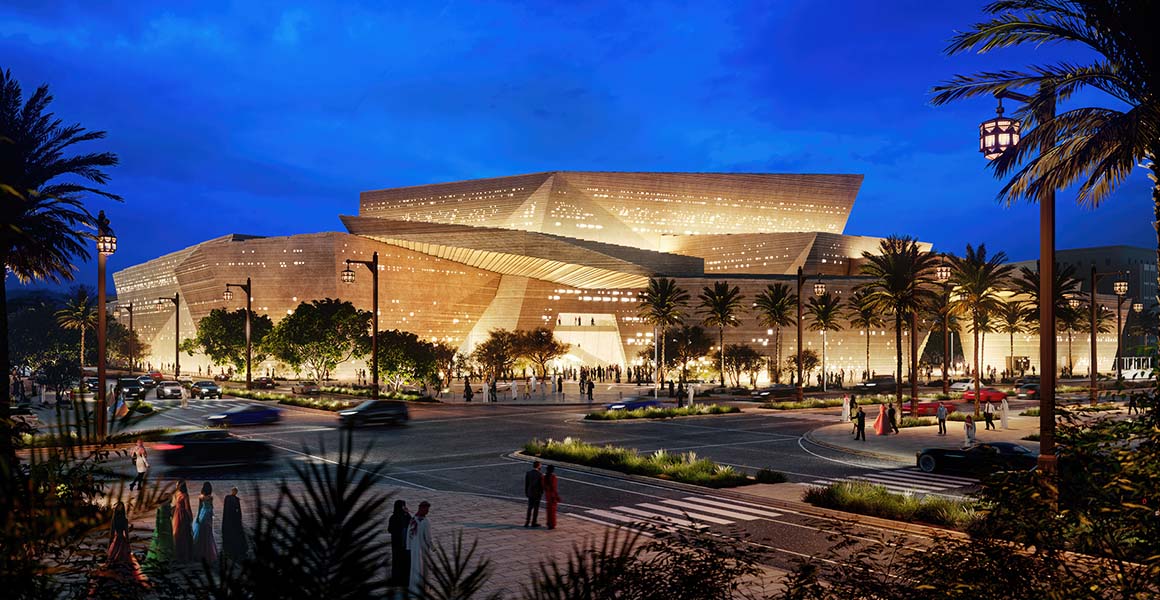
Inside The Royal Diriyah Opera House in Riyadh
Saudi Arabia’s first dedicated opera house opening soon
Subscribe to our newsletter and receive a selection of cool articles every weeks
You can unsubscribe at any time. To find out more, please visit our privacy policy.