

Milan Opens A/W 26 With Escapism And Fantasy
Lisa Amnegard
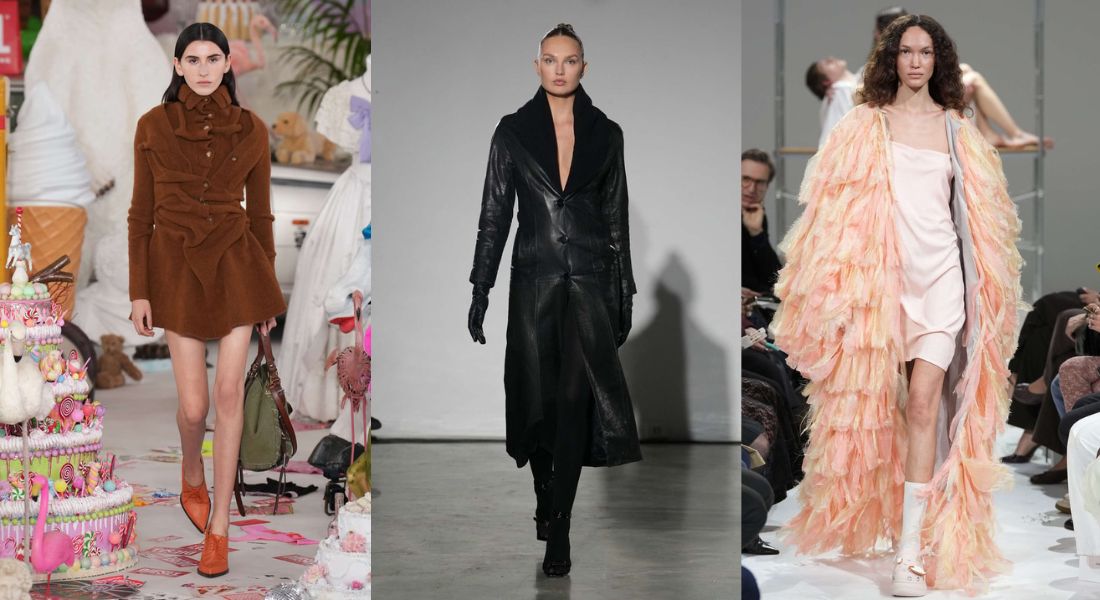
If day one is anything to go by, Milan is setting the tone for a season defined by imagination, emotion and a desire to escape
Fresh from hosting the Olympic Winter Games, Milan shifted gears on Tuesday to another global stage, Fashion Week, bringing style and sophistication firmly back into the spotlight. The week opened with a strong lineup of shows that reaffirmed the Italian fashion capital’s influence, drawing a wave of industry insiders, editors, models and buyers eager to discover the season’s defining designs, and perhaps enjoy a plate of pasta between appointments.
Day one struck an energetic, escapist note, led by Diesel under the creative direction of Glenn Martens. Among the highlights were emerging labels such as Venerdì Pomeriggio by Vivetta Ponti, which offered a softer, doll-like fantasy with velvet textures and furlane slippers presented in an intimate apartment setting. Debut designer Max Zara Sterk also made an impression on opening day, bringing a sensual take on suiting to the runway.
For a closer look at the most memorable standout moments, here is a roundup of the highlights.
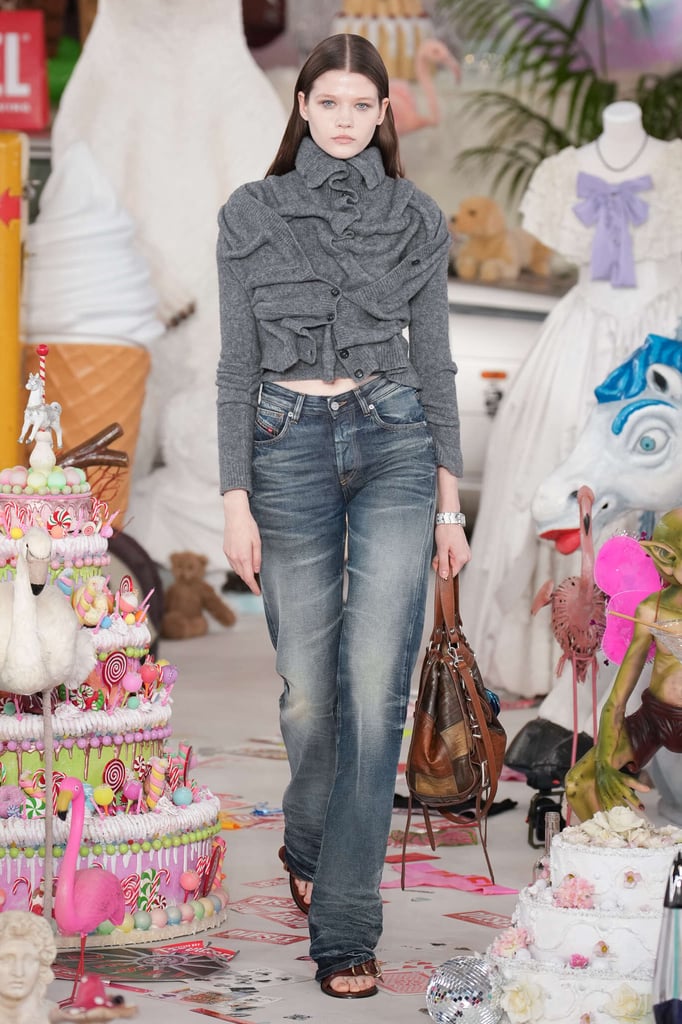
Diesel
Diesel’s creative director, Glenn Martens, took an experimental approach this season, centering the show around the idea of the brand’s archive. Staged at Milan’s Superstudio Maxi, the presentation did more than reference past collections. It brought Diesel’s history to life, inviting guests to step inside what felt like a living record of the brand’s journey since 1978.
Around 500,000 objects collected over four decades were piled high across the space in a bold tribute to kitsch. Motorbikes, microwaves, boom boxes, stuffed toys and even an Alfa Romeo convertible formed an oversized backdrop.
The invitation carried the long-standing slogan “Diesel For Successful Living”, but denim was the true focus of the collection. The fabric defined almost every look.
Martens opened with a series in deep indigo, featuring scrunched textures, exaggerated shapes and twisted silhouettes. Resin-treated fabrics held permanent creases, creating a cracked, distressed effect that gave the clothes a deliberately worn-in feel. T-shirts were warped and layered over check miniskirts, adding to the offbeat look.
The collection also embraced playful glamour, with fluffy patchwork faux furs, crystal-covered denim, bold colors and sheer lace contrasts. The mood felt daring and slightly undone yet still controlled. At its core, the collection balanced creativity with wearability, while keeping Diesel’s signature denim heritage at the heart of the designs.
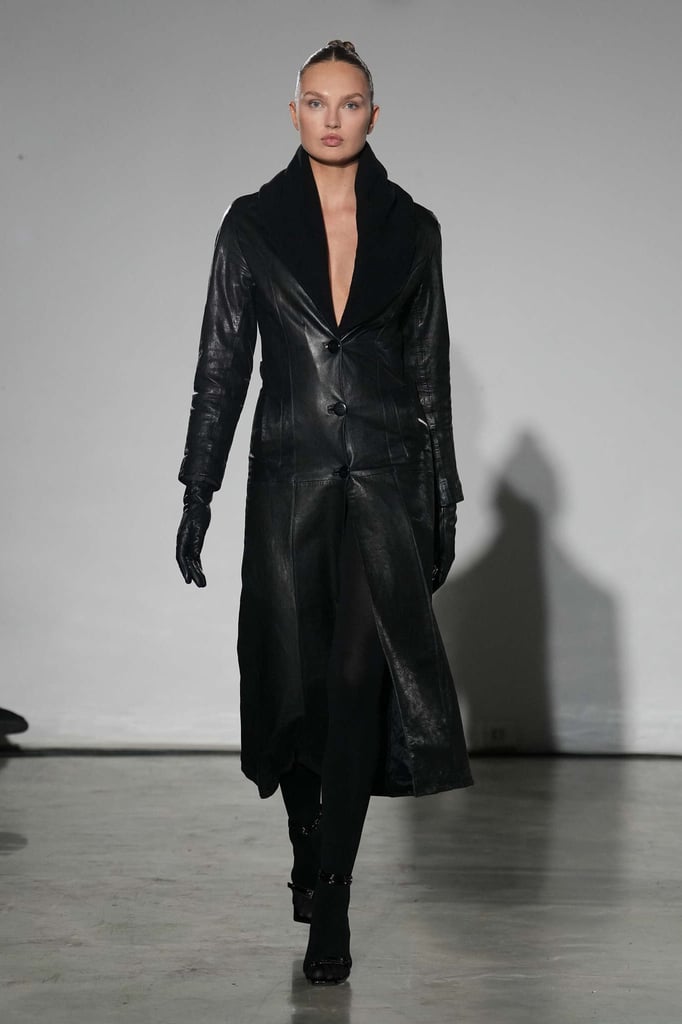
Max Zara Sterck
Dutch designer Max Zara Sterck made an impactful debut on Tuesday, becoming the first Dutch female designer to show on the official Milano Fashion Week calendar.
Sterk, who studied at ArtEZ in Arnhem and has worked for prestigious houses like Alexander McQueen, JW Anderson and La Perla, brought a body-centric, introspective approach. Titled around the idea of "Rituals", the show opened with dancers performing spiritual gestures amid piles of stones at the Fondazione Carla Sozzani in Milan.
The looks drew on her time at La Perla, featuring sensual designs paired with refined draping, body-conscious little black dresses, slimline bubble skirts and couture-worthy foundation pieces. The result felt like a genuinely fresh take on femininity, placing sensuality at the forefront in a way that remained tasteful and sophisticated.
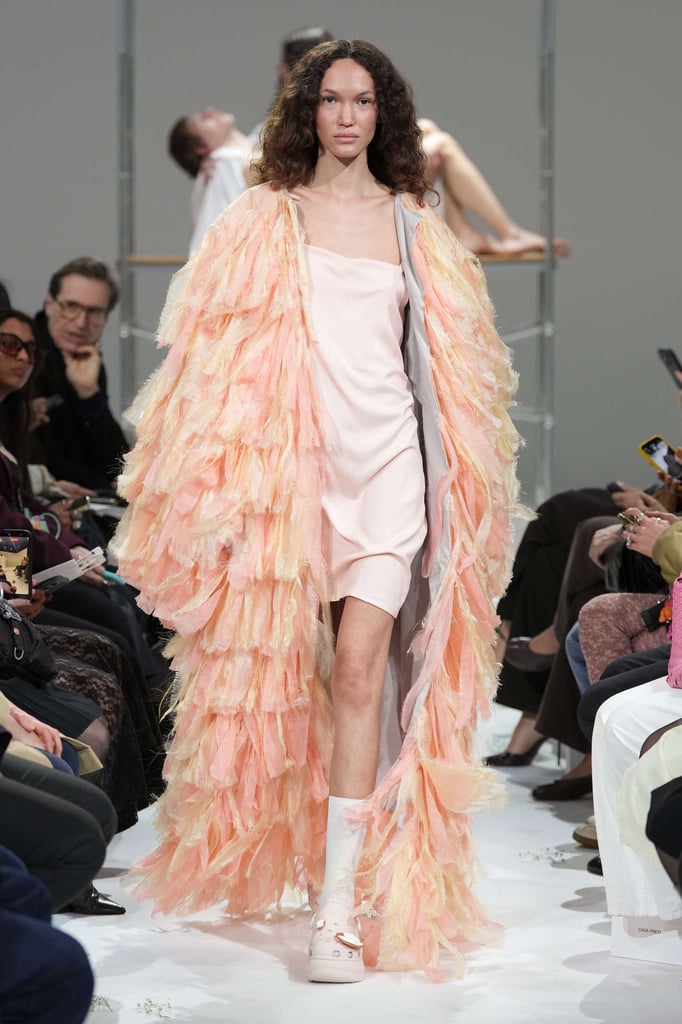
Casa Preti
Creative director Mattia Piazza, who walked the runway at the finale, drew heavy inspiration from religious iconography, centring the show around a modern reinterpretation of Michelangelo's La Pietà. This set a grandiose, almost sacred tone, blending reverence, emotion, and introspection.
The garments focused on soft, ethereal textures and sculptural silhouettes. Layered fabrics and fluid lines brought a sense of movement and lightness, while close attention to craftsmanship emphasised detail and structure. Rather than hiding imperfections, the designs appeared to embrace them, treating flaws as part of the garment’s beauty.
Themes leaned toward contemporary luxury, where sustainability was also embedded in the collection, aligning with the brand's ethos of ethical design rooted in Italian craftsmanship.
Follow Us

The Latest
-

Wellness
The science behind peptide injections
All the risks behind the so-called miracle treatments
-

Travel
Detox hotels to book for your next getaway
Check in, to check out at these beautiful resorts
-

Travel
Discovering Singapore’s green allure
Exotic, diverse, lush. The garden city of Singapore nurtures culture, fine dining, and an environmentally oriented plan for the future
-
Travel
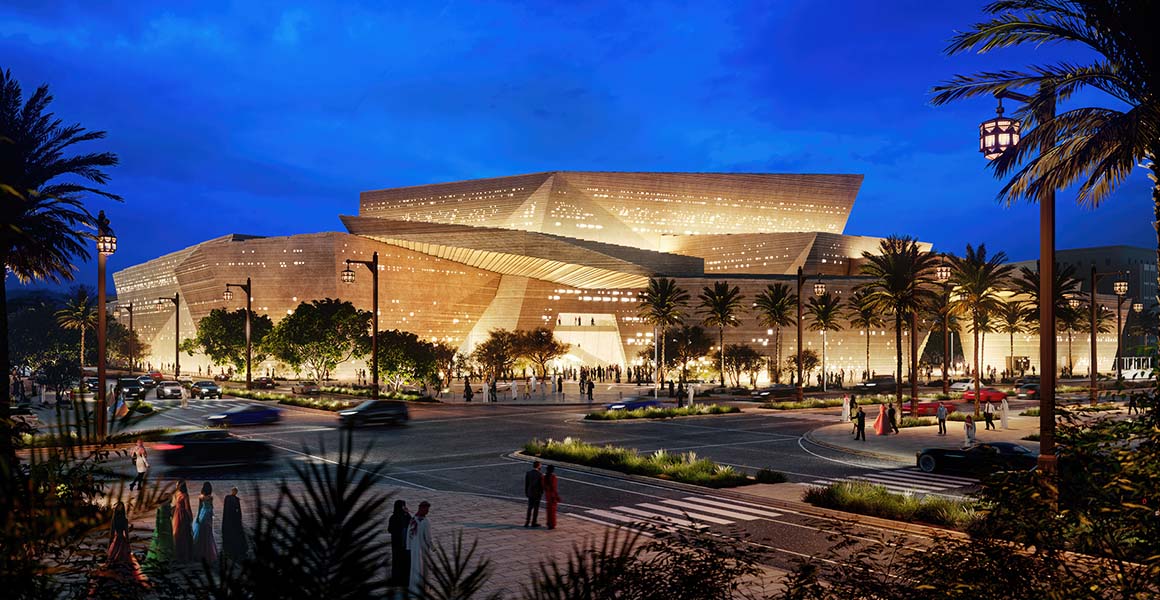
Inside The Royal Diriyah Opera House in Riyadh
Saudi Arabia’s first dedicated opera house opening soon
Subscribe to our newsletter and receive a selection of cool articles every weeks
You can unsubscribe at any time. To find out more, please visit our privacy policy.