

Sarah Bilgrami on Design, Memory, and Building Spaces with Soul
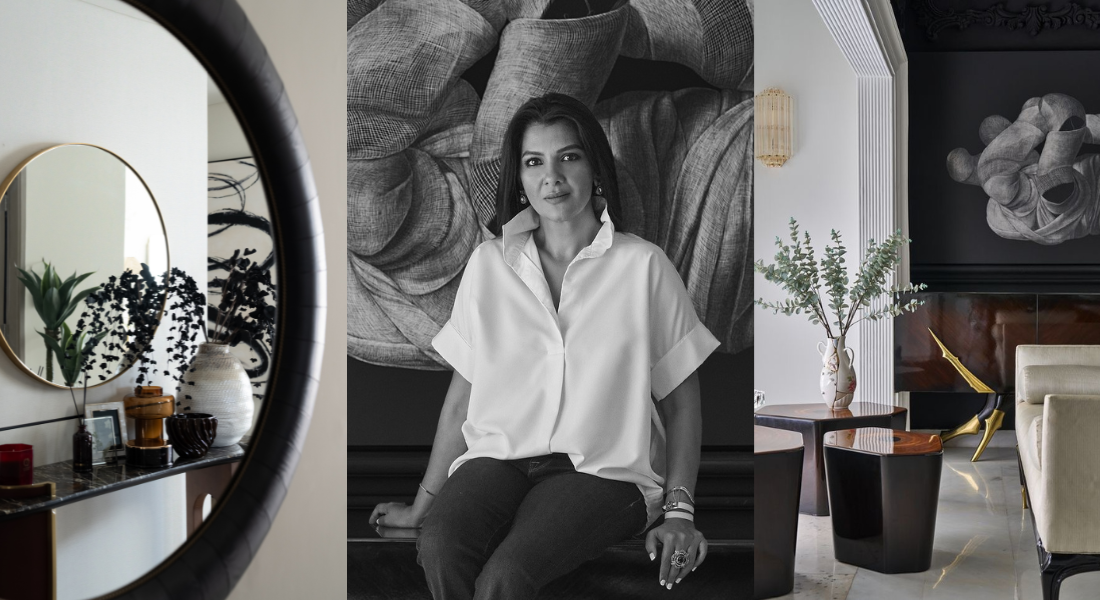
From Karachi to Dubai, the architect and founder of Maison Yoca reflects on craftsmanship, cultural memory, and why true luxury should always feel human.
There is a certain Calmness to the way Sarah Bilgrami speaks about design. Not the kind of Calmness that feels restrained, but the kind that comes from certainty, from someone who understands that truly meaningful spaces do not need to shout to be felt.
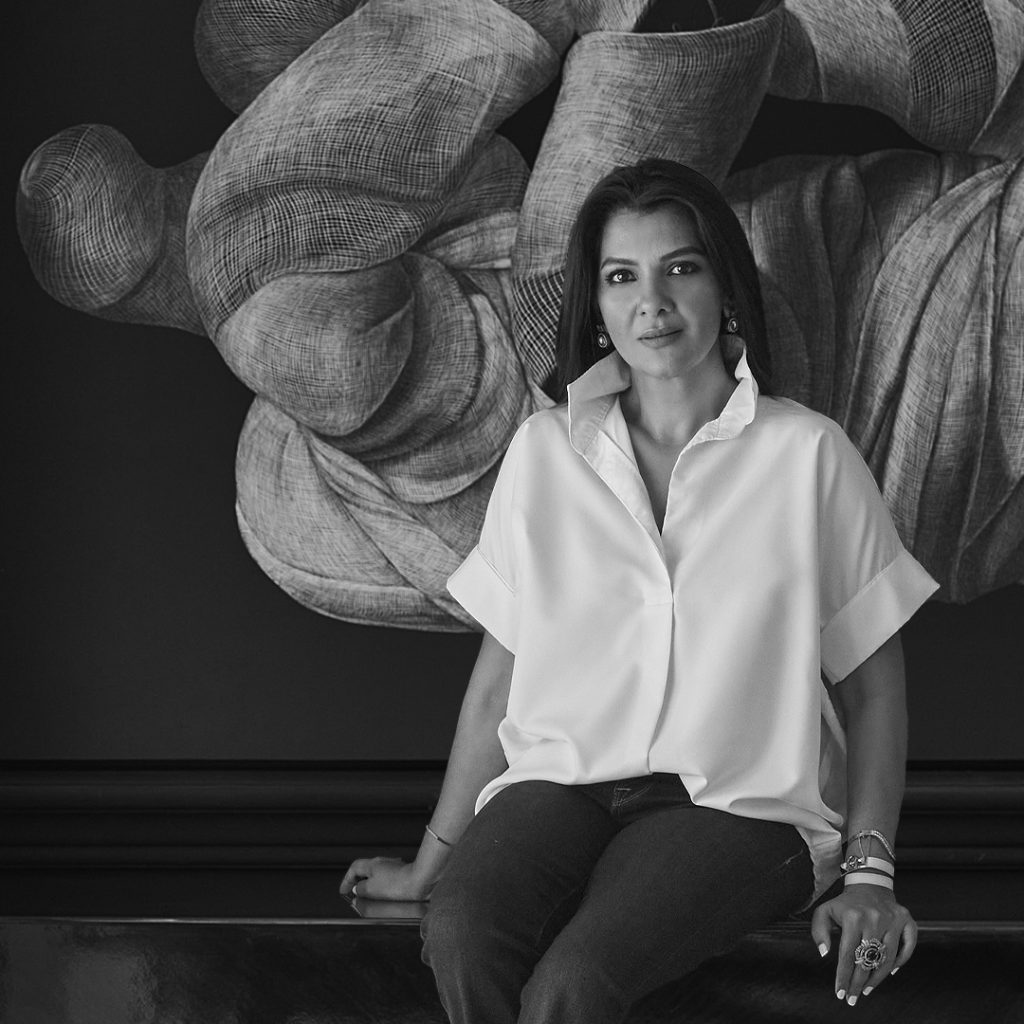
Over the years, Sarah has built a practice rooted not only in architecture and interiors, but in something far more emotional: memory, material, and the human experience of space. Through Maison Yoca, the Dubai-based extension of her long-standing design philosophy, she has created a world where indigenous craft, architectural rigour, and contemporary living exist in constant dialogue. Her work does not sit comfortably within neat categories of “traditional” or “modern.” Instead, it exists somewhere in between layered, deeply personal, and quietly timeless.
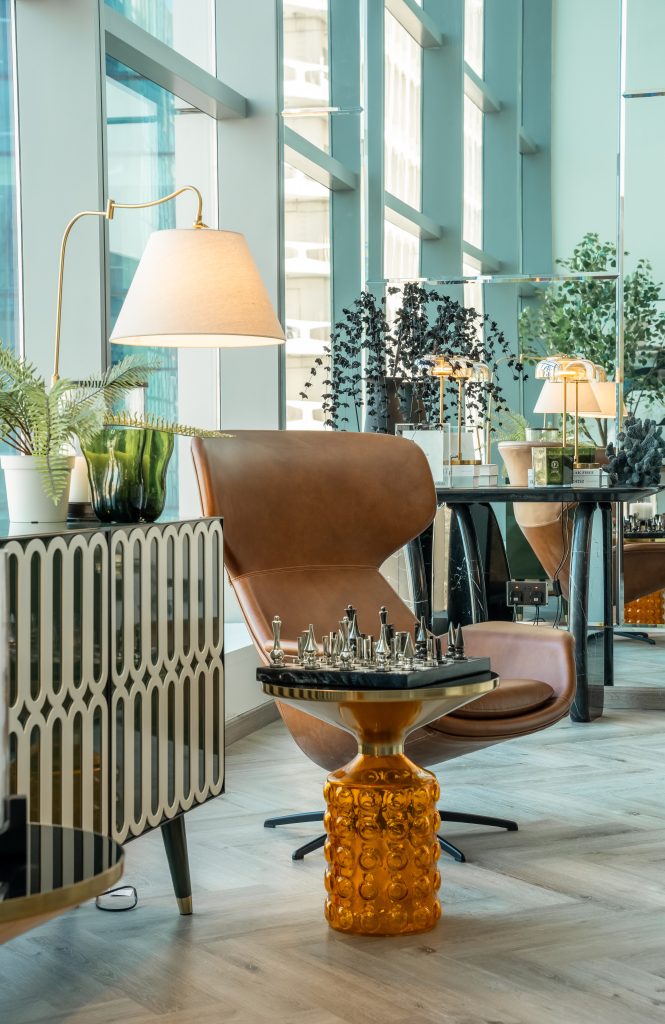
Born and raised in Karachi before studying Fine Arts and Architecture at Rhode Island School of Design, Sarah describes her early connection to design less as a career ambition and more as an instinctive relationship with the world around her. Growing up surrounded by craftsmanship and inherited techniques, she became fascinated by the intelligence of objects made by hand — by the stories held within materials, textures, and processes often overlooked in contemporary design conversations.
“My passion for design began long before I had the language for it,” she says. “Growing up, I was surrounded by a culture rich in craft, material and memory, the quiet intelligence of things made by hand.”
That perspective became sharper after returning home from the United States. Having experienced the precision of Western architectural education at RISD, Sarah began to notice a disconnect between the sophistication of local craftsmanship and the way contemporary spaces in the region were evolving. Traditions were increasingly being abandoned rather than reimagined.
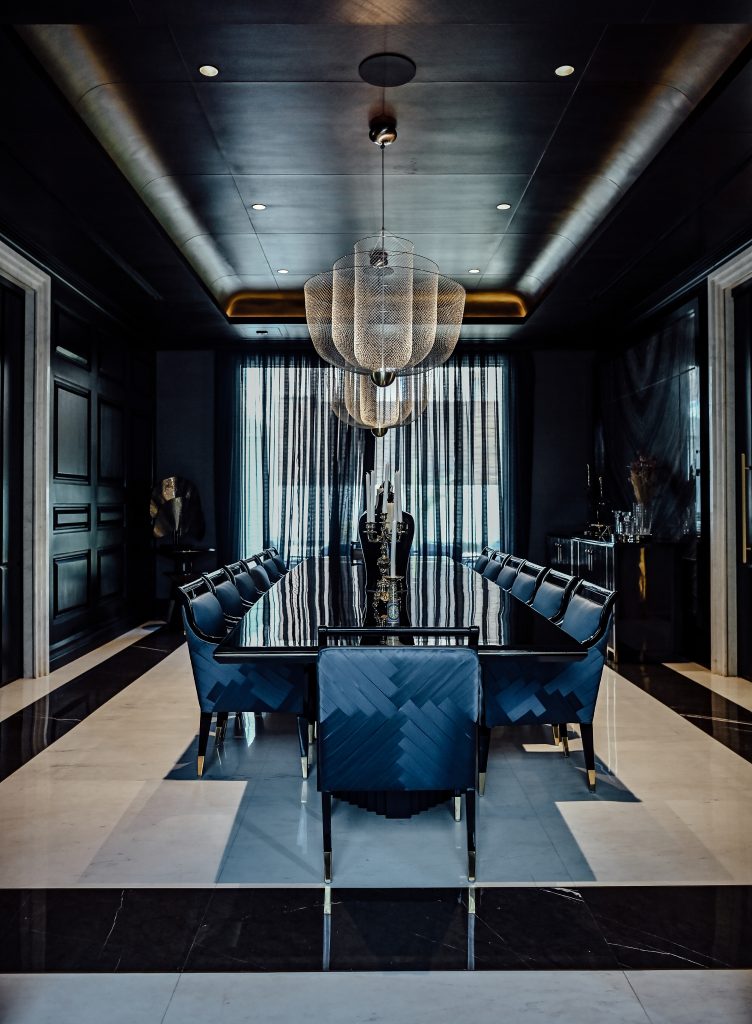
“That was the moment design became more than a profession for me,” she reflects. “It became a responsibility: to create, to reinvent, to reuse, and to carry our heritage into honest conversation with a new world.”
That philosophy would eventually shape Maison Yoca itself. Originally founded as Yoca, Young Collective Artists. the studio was never intended to function purely as an interiors or furniture brand. Instead, Sarah envisioned it as a collaborative creative space where disciplines could overlap naturally: artists influencing architects, artisans shaping contemporary objects, and craftsmanship becoming part of an ongoing conversation rather than a static tradition.
“Yoca was never simply a furniture or interiors brand,” she explains. “It has always been a space for artistic conversation.”
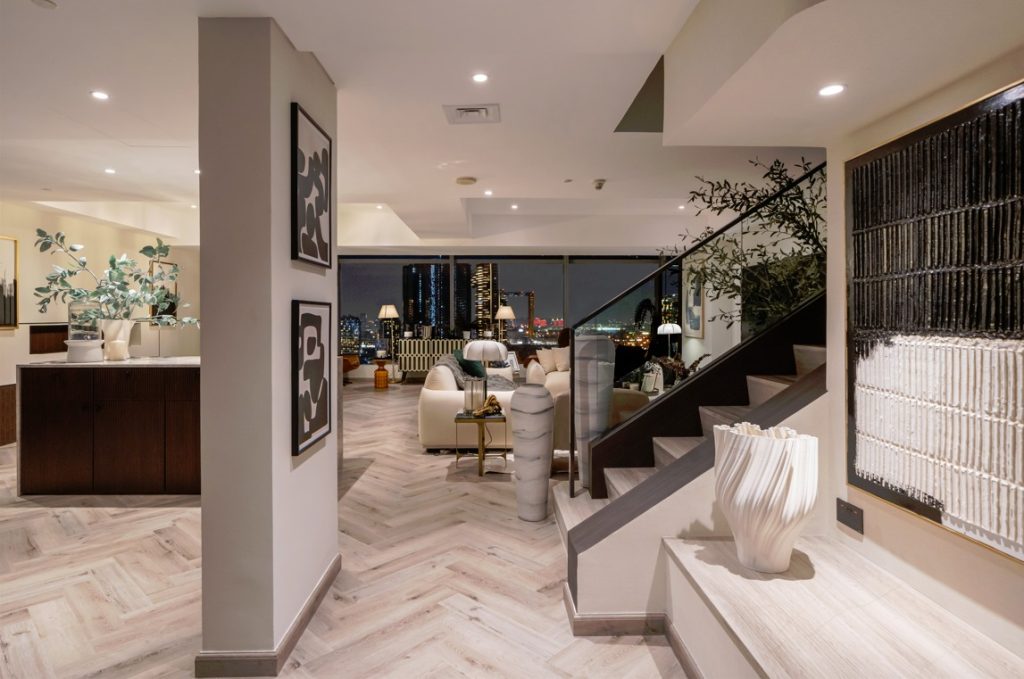
There is a strong sense, when speaking to Sarah, that she approaches design emotionally before aesthetically. She talks less about trends and more about atmosphere, proportion, light, and feeling. Whether designing a sculptural object, a residence, or a piece of furniture, her process begins with one central question: what does the space leave behind emotionally?
“My philosophy is rooted in experience — in what a space does to you before you can name it,” she says.
That emotional intelligence runs throughout her work. Materials are treated not simply as surfaces, but as carriers of memory and cultural lineage. At Maison Yoca, form is never imposed aggressively onto material; instead, the process feels more collaborative, allowing craft traditions to evolve naturally into contemporary forms.
“I do not believe design should simply look beautiful,” Sarah says. “It should carry meaning.”
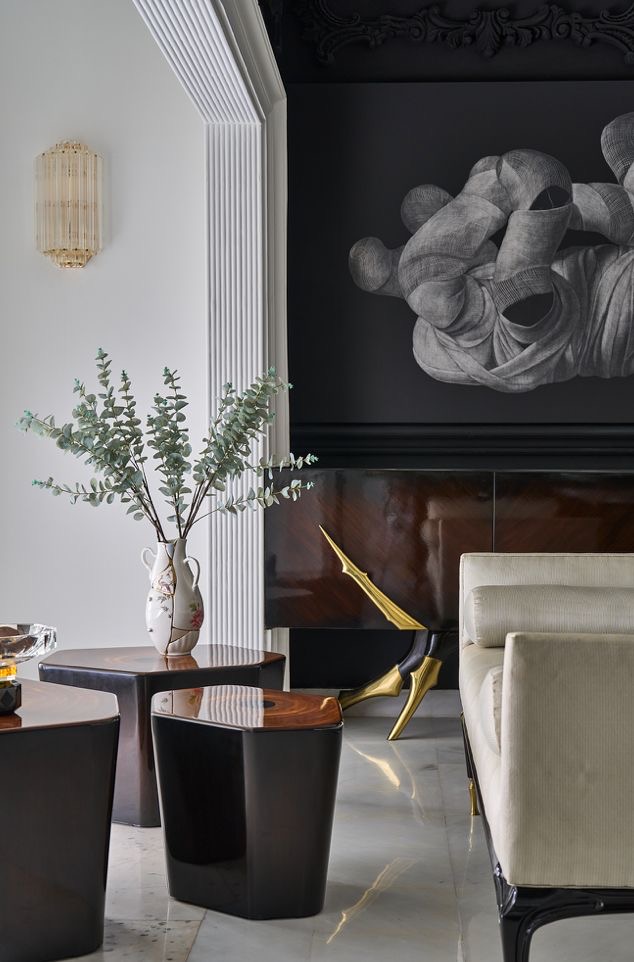
After building an influential practice in Pakistan, Sarah recently relocated to Dubai, a move that feels less like reinvention and more like expansion. For her, the city’s unique position between cultures made it a natural environment for her work to evolve internationally while remaining deeply connected to heritage and craftsmanship.
“Dubai felt like a natural next step because of the way it sits at such a powerful crossroads of cultures,” she explains.
Yet what interests her most about Dubai is not simply its luxury landscape, but the changing mindset of its clientele. According to Sarah, today’s design clients are no longer only searching for visually impressive spaces; they are searching for homes with emotional resonance, individuality, and narrative depth.
“They are not simply looking for a beautiful home — they are looking for a worldview,” she says. “A space that reflects who they are, where they have been and how they want to live.”
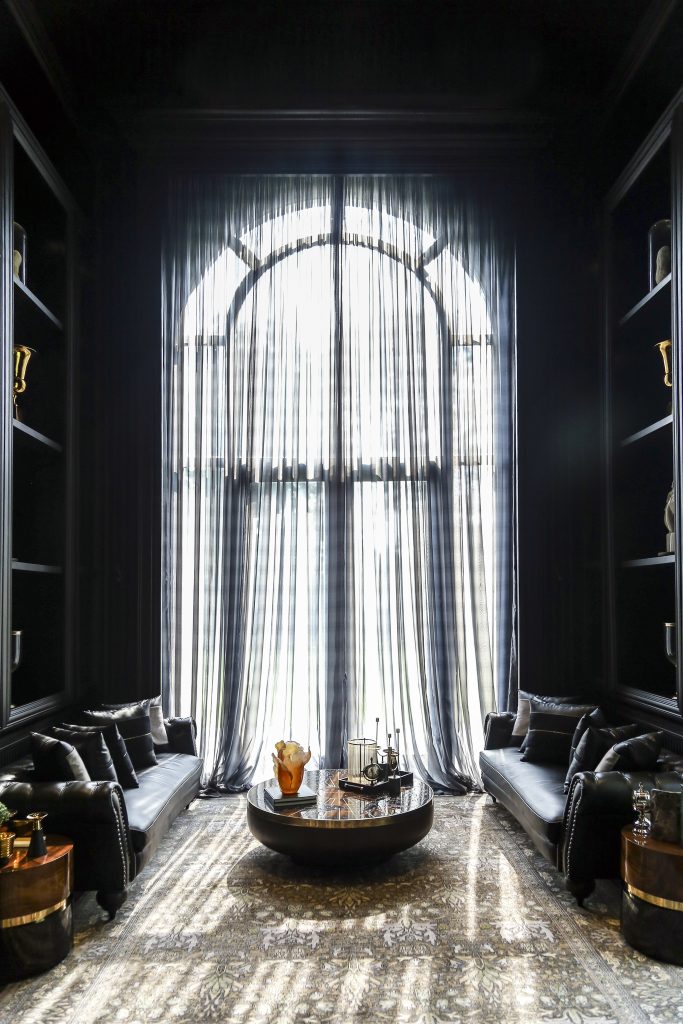
As both an entrepreneur and creative director, Sarah speaks about leadership with the same level of thoughtfulness she applies to design itself. She views entrepreneurship not as authority, but as stewardship, creating an environment where artisans, collaborators, architects, and makers can contribute meaningfully to a shared vision.
“The artisan is not simply executing a drawing,” she says. “He is a co-author.”
There is also an unmistakable sense of patience in the way she speaks about success. Not passive patience, but deliberate conviction, the kind required to build something rooted in integrity rather than immediacy.
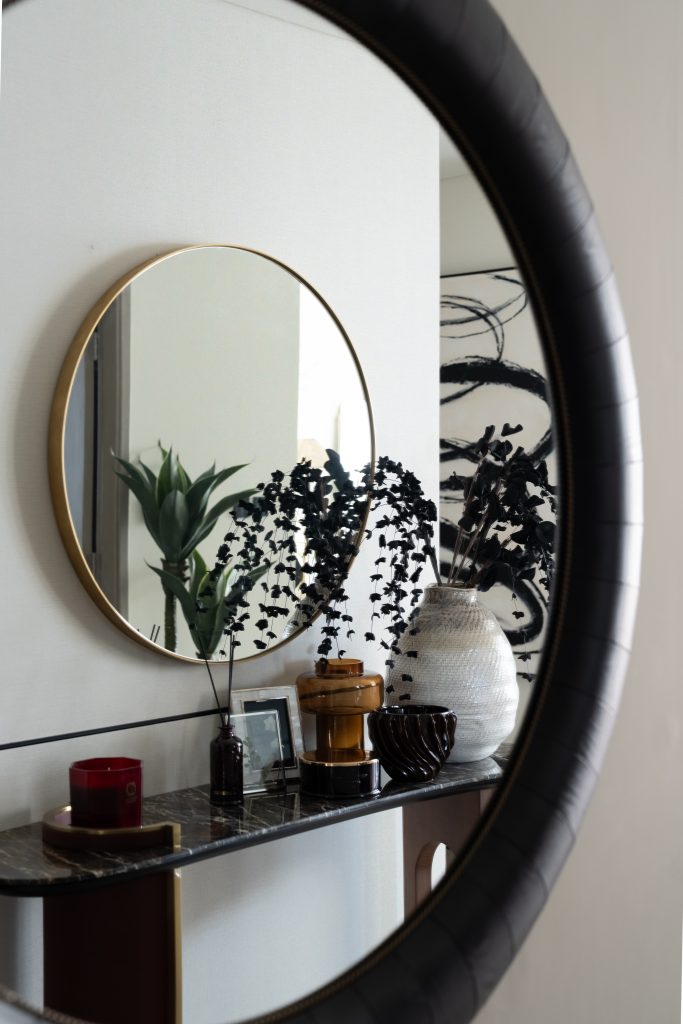
“Entrepreneurship has taught me that conviction is quiet before it becomes visible,” she reflects.
Perhaps that is ultimately what defines Sarah Najmi Bilgrami’s work most clearly: restraint paired with emotional depth. In an era where design can often feel driven by spectacle, her spaces offer something rarer which is intimacy, soul, and permanence.
When asked what she hopes people feel when entering one of her spaces, her answer feels less like a design philosophy and more like a personal manifesto.
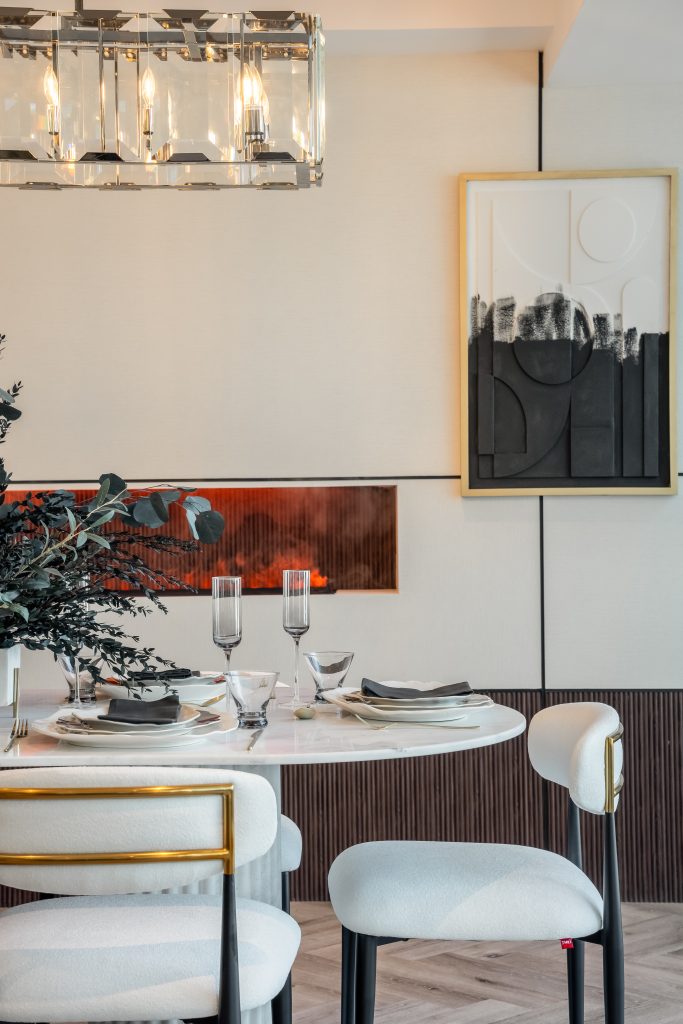
“I hope they feel held,” she says softly. “Not overwhelmed by the space, not instructed by it — but quietly moved.”
And maybe that is precisely what makes her work resonate so deeply. Beyond the materials, craftsmanship, and architecture, Sarah is ultimately designing emotion, creating spaces that stay with people long after they leave them behind.
Follow Us

The Latest
-

Wellness
The science behind peptide injections
All the risks behind the so-called miracle treatments
-

Travel
Detox hotels to book for your next getaway
Check in, to check out at these beautiful resorts
-

Travel
Discovering Singapore’s green allure
Exotic, diverse, lush. The garden city of Singapore nurtures culture, fine dining, and an environmentally oriented plan for the future
-
Travel
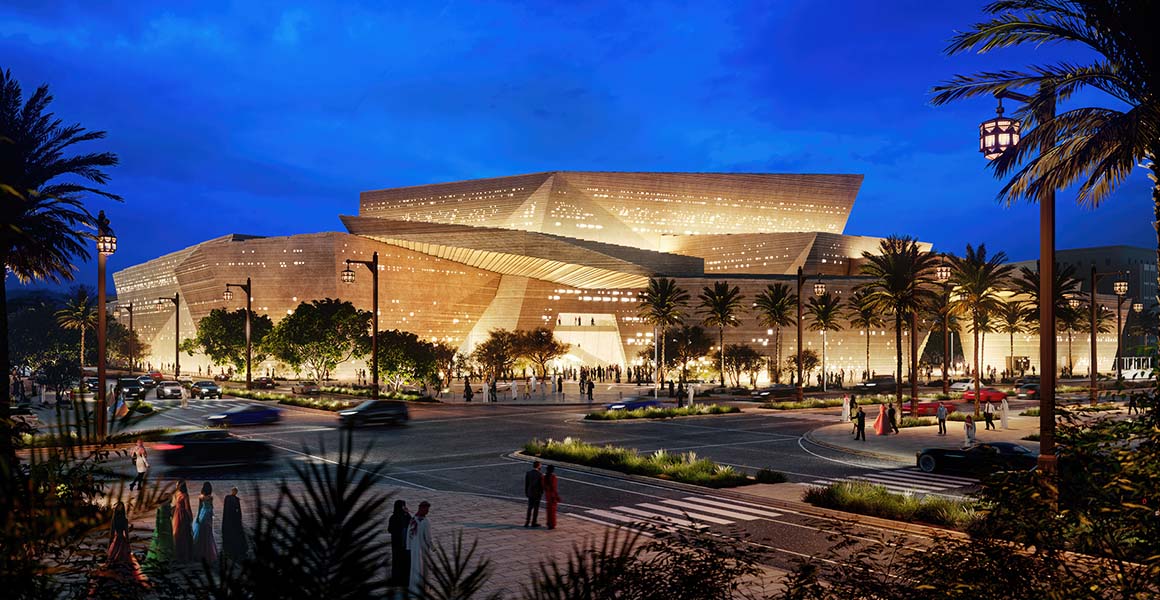
Inside The Royal Diriyah Opera House in Riyadh
Saudi Arabia’s first dedicated opera house opening soon
Subscribe to our newsletter and receive a selection of cool articles every weeks
You can unsubscribe at any time. To find out more, please visit our privacy policy.