

The Female Faces of New-Age Millennialism
Lindsey Judge

Life After 30 is not a slowdown, its millennialism, redefined.
Millennial women are no longer being put into boxes or stereotypes. As women in this generation enter their mid-thirties and forties, priorities are shifting in visible ways. Their careers are becoming more flexible, their public lives more selective, and success is no longer tied to traditional timelines. Rather than slowing down, many women are expanding into new roles, building businesses, shaping culture, and redefining what fulfilment looks like at this stage of life. As millennial women enter a new age bracket, there is a growing appreciation for sustainability, independence, and work that reflects personal values. Whether it’s the mum reclaiming her career, or the single career woman getting the job she always
dreamed of, there is a real sense of confidence amongst this generation.
Life and business coach Lionela Todirean, who works closely with female founders and executives in this age group, says this shift is becoming increasingly common. “For many women, their twenties are spent studying, building careers, and unconsciously following blueprints inherited from family expectations,” she explains. “There is often a strong ‘good girl’ phase, where they try to please, perform, and do what is expected. At some point, that stops working.” She explains it is often in the early thirties that women stop seeking external validation and begin questioning what success actually means to them.
In the Middle East, this evolution is especially clear. Well-known businesswomen such as Karen Wazen and Nour Arida began as digital tastemakers and have grown into entrepreneurs with international reach. Building more than just a profile, their entrepreneurial approach is allowing them to take their careers to a new level in their mid-to-late thirties. Their journeys reflect how content creation can mature into long-
term brand building, leadership, and creative direction.

Laurie Drummond
This pattern mirrors what Laurie Drummond, founder of Sisterhood Collective, sees among women across the region. “A lot of women hit a moment where they realise they’ve designed a life based on expectations,” she says. “They’ve done the caring, the supporting, the juggling, and then something clicks. They make a conscious decision to do something for themselves. Their kids and partners are often more capable than they think, and suddenly they have the time, drive, and headspace to be more and do more.”
Then you have legacy artists such as Nancy Ajram, who illustrate another dimension of this generational shift. With a career spanning more than two decades, her continued presence in popular culture has always been there, but now, she seems to be having a renaissance. Rather than stepping back with time, her role has expanded from pop icon to cultural icon. Her partnerships with brands, international recognition, and global attention for her style have made her more visible than ever. Her trajectory shows how experience builds credibility, and how longevity in the public eye can deepen rather than dilute relevance.
“There’s a misconception that success should peak early,” Todirean notes. “But what I often see is that once women clarify their values and priorities in their thirties and forties, they create more aligned, sustainable success across all areas of life.” She adds that many women at this stage actively invest in coaching, therapy, or mentoring, allowing them to reshape careers with greater intention.
There are also women shaping culture in quieter, but equally impactful, ways. Moroccan-Portuguese-French entrepreneur, model, and fashion influencer Sara Coelho Ansari has built a reputation as a curator and connector, working across lifestyle, culture, and creative industries with a focus on considered living and meaningful collaboration. Her influence within the modest fashion space reflects a move away from fast-paced visibility toward slower, more deliberate brand and community building.
Similarly, former TV presenter Asallah Kamel represents a generation of women whose lives span many chapters. At a time when many women are reassessing how they work and what they prioritise, she is building on her experience with a new chapter that includes public speaking, brand partnerships, and soon-to-be motherhood. As Drummond points out, “One of the biggest misconceptions is that women need permission to change direction. The reality is, we live in a world of choice. You can evolve, experiment, and pivot at any stage. Growth isn’t linear.”
Media figures such as Hala and Nora Achmaoui also show how experience refines voice. Over time, their content has become more focused and reflective of their real lives, careers, and priorities. Rather than following every trend, they share stories that feel considered and relevant. Influence, at this stage, becomes less about constant output and more about clarity.
Internationally, the same pattern is visible. In Hollywood, Margot Robbie has expanded into producing, using her platform to shape the stories being told. Amanda Seyfried has spoken openly about finding balance later in her career, while Lupita Nyong’o continues to build a body of work defined by range, intention, and cultural impact.
What connects these women is not age alone, but a shared stage of life where confidence grows through experience. As Todirean explains, “Life feels hard when we are unconscious of what is driving us. When we bring those drivers into awareness, we take back control. This is exactly why so many women rise in their thirties and forties.” Drummond echoes this feeling: “If you look closely at the women you admire, I can guarantee they didn’t have it all figured out. Most have had multiple careers and seasons of change. Reinvention isn’t failure, it’s growth.”
In redefining millennialism, these women are not chasing perfection or trying to have it all; they are prioritising their careers and success but on their own terms.
Follow Us

The Latest
-

Wellness
The science behind peptide injections
All the risks behind the so-called miracle treatments
-

Travel
Detox hotels to book for your next getaway
Check in, to check out at these beautiful resorts
-

Travel
Discovering Singapore’s green allure
Exotic, diverse, lush. The garden city of Singapore nurtures culture, fine dining, and an environmentally oriented plan for the future
-
Travel
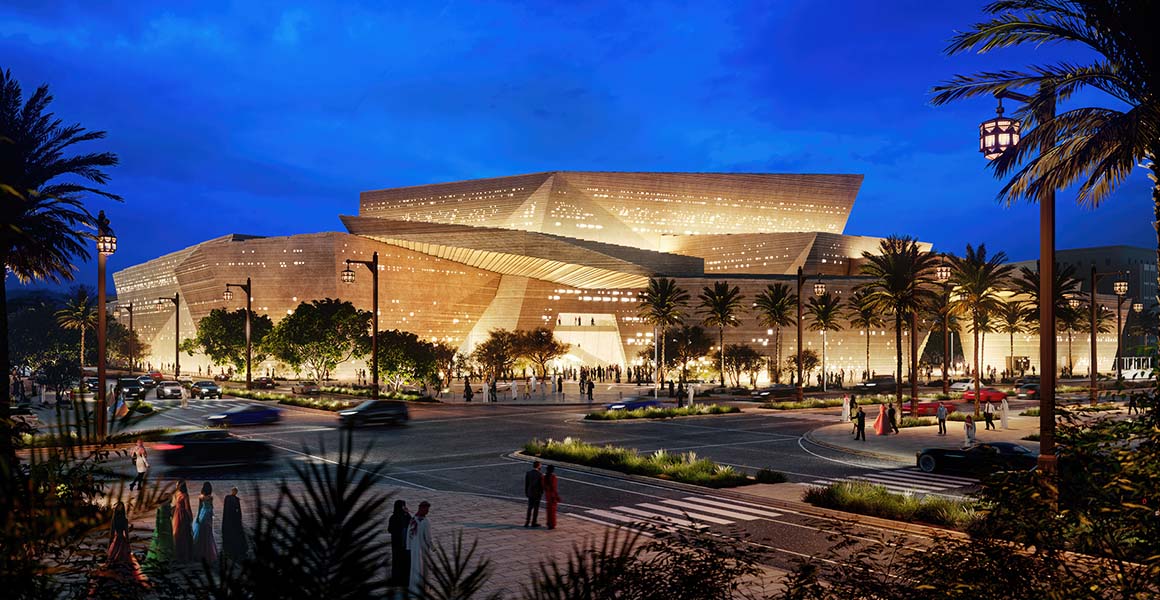
Inside The Royal Diriyah Opera House in Riyadh
Saudi Arabia’s first dedicated opera house opening soon
Subscribe to our newsletter and receive a selection of cool articles every weeks
You can unsubscribe at any time. To find out more, please visit our privacy policy.