

The hierarchy of pre-owned fashion
Navigating pre-owned luxury is less about access and more about discernment and cultural value.
There’s a clear hierarchy that seasoned collectors and connoisseurs instinctively understand, because this difference allows pre-loved fashion to become what it was always meant to be: valuable, selective, and enduring.
Vintage Couture:
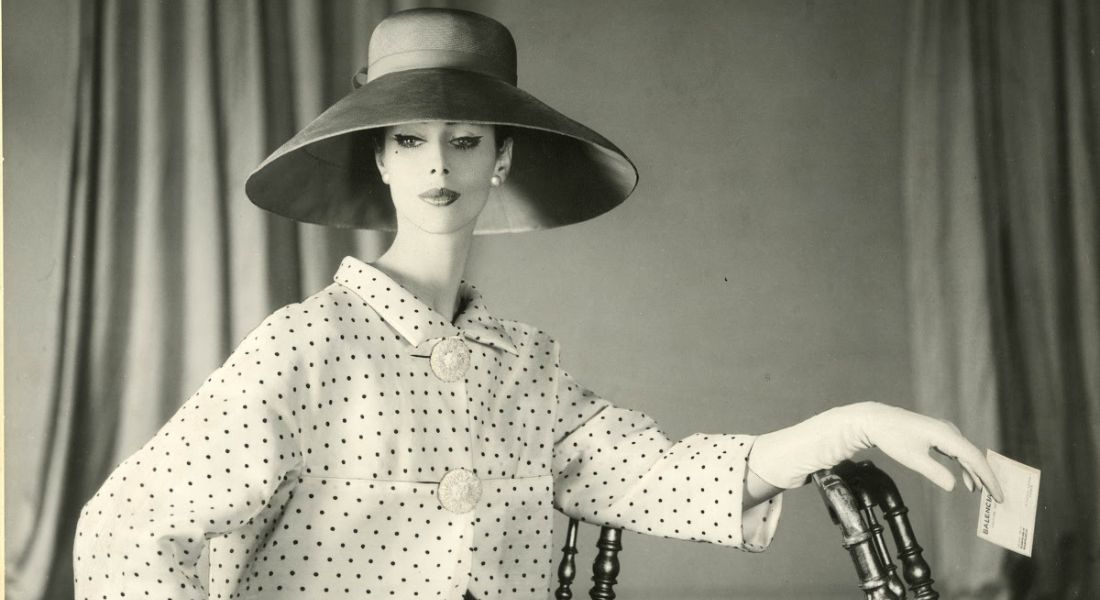
At the highest tier sits vintage couture: rare, often one-of-a-kind garments created under the original creative direction of legendary fashion houses. These pieces were either commissioned and never mass-produced; hand-finished using exceptional craftsmanship, or designed for individual clients, not trends.
Vintage couture carries cultural weight and long-term value, and its ownership is closer to custodianship than consumption. This belongs to a mindset by women who see fashion as a legacy, not a novelty.
A hand-embroidered evening gown from Christian Dior’s 1950s couture ateliers, designed under Christian Dior himself, or a sculptural silk couture piece from Balenciaga’s Cristóbal Balenciaga era (1937-1968). These garments are prized not for their wearability but for preserving disappearing techniques, silhouettes, and histories that shaped modern luxury.
Archive Designer Fashion
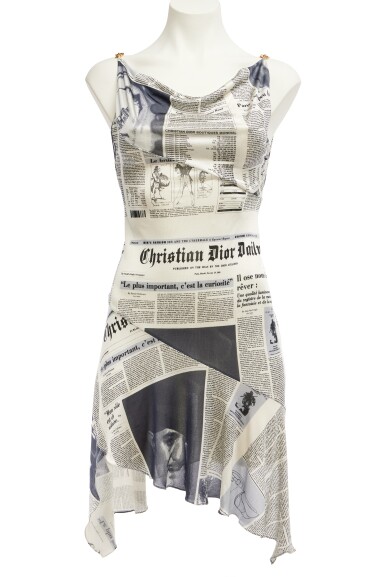
Below vintage couture lies archival fashion: runway or limited-edition pieces from past collections, often tied to pivotal moments in a designer’s evolution. This appeals to buyers who view fashion as a narrative and are deeply interested in storytelling within fashion design.
Archival fashion resonates with luxury buyers because it preserves design history and creative milestones. Each piece carries a story of a season, a silhouette, a shift in direction, to give a meaningful alternative to buying new.
For example, a sharply tailored 1990s power suit from Yves Saint Laurent’s Rive Gauche era, a minimalist slip dress from Calvin Klein’s 1990s collections, or a directional coat from Phoebe Philo’s tenure at Céline. These pieces are valued not for nostalgia, but for their lasting influence on how women dress today.
3. Designer Resale:
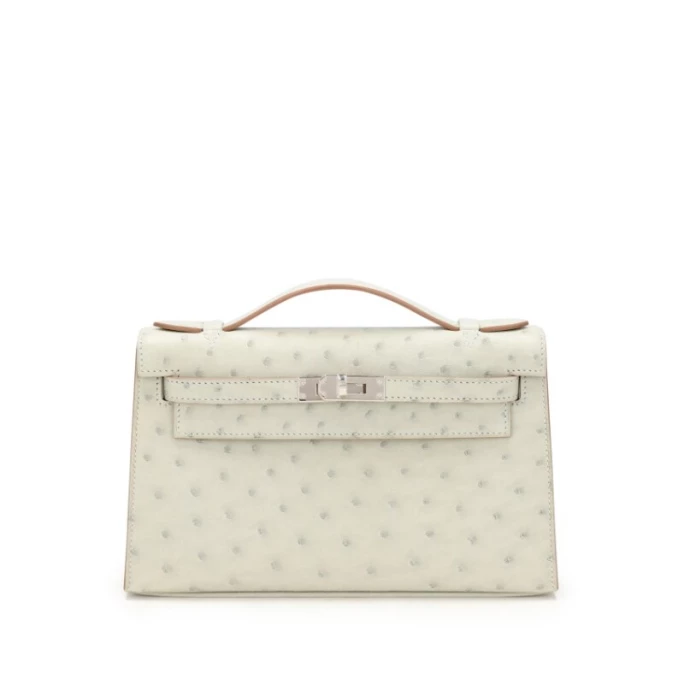
At the other end of the spectrum is the resale ofcontemporary, widely available designer items, often fast-moving and logo-heavy. While this category plays an important role in circular fashion, it’s also where sustainability claims can become blurred. These items usually depreciate faster and are replaced just as swiftly.
For example, a recent- season blazer or handbags from widely available designer brands.
Accessories:
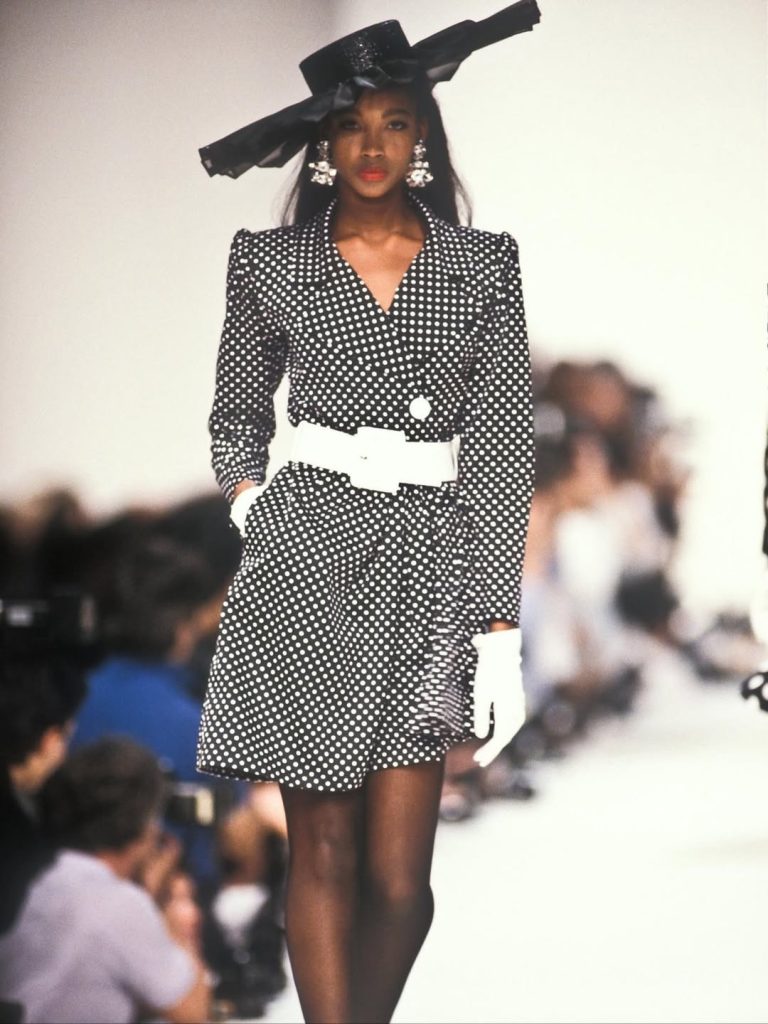
Accessories occupy a distinct tier within the pre-loved hierarchy. Handbags and shoes from heritage houses are favoured over ready-to-wear and are usually the first steps into pre-owned luxury. Platforms such as Level Shoes and Ounass have further legitimized this space, taking resale into the mainstream luxury conversation.
Yet hierarchy remains essential: limited-edition vintage bags, early archive designs, or discreetly iconic styles hold far greater cultural and long-term value than contemporary designer brands. In this category, condition and versatility matter more than novelty or nostalgia.
A classic structured leather handbag from Hermès, such as a Birkin or Kelly in neutral tones, continues to hold exceptional value due to its durability, discretion, and relevance.
Ultimately, pre-owned luxury is a spectrum shaped by craftsmanship, storytelling and intent. Understanding these distinctions allows pre-loved fashion to be seen less as a transaction and more as defined by relevance and meaning.
Follow Us

The Latest
-

Wellness
The science behind peptide injections
All the risks behind the so-called miracle treatments
-

Travel
Detox hotels to book for your next getaway
Check in, to check out at these beautiful resorts
-

Travel
Discovering Singapore’s green allure
Exotic, diverse, lush. The garden city of Singapore nurtures culture, fine dining, and an environmentally oriented plan for the future
-

Travel
Inside The Royal Diriyah Opera House in Riyadh
Saudi Arabia’s first dedicated opera house opening soon
Subscribe to our newsletter and receive a selection of cool articles every weeks
You can unsubscribe at any time. To find out more, please visit our privacy policy.