

The Physical Moodboard Deserves a Comeback
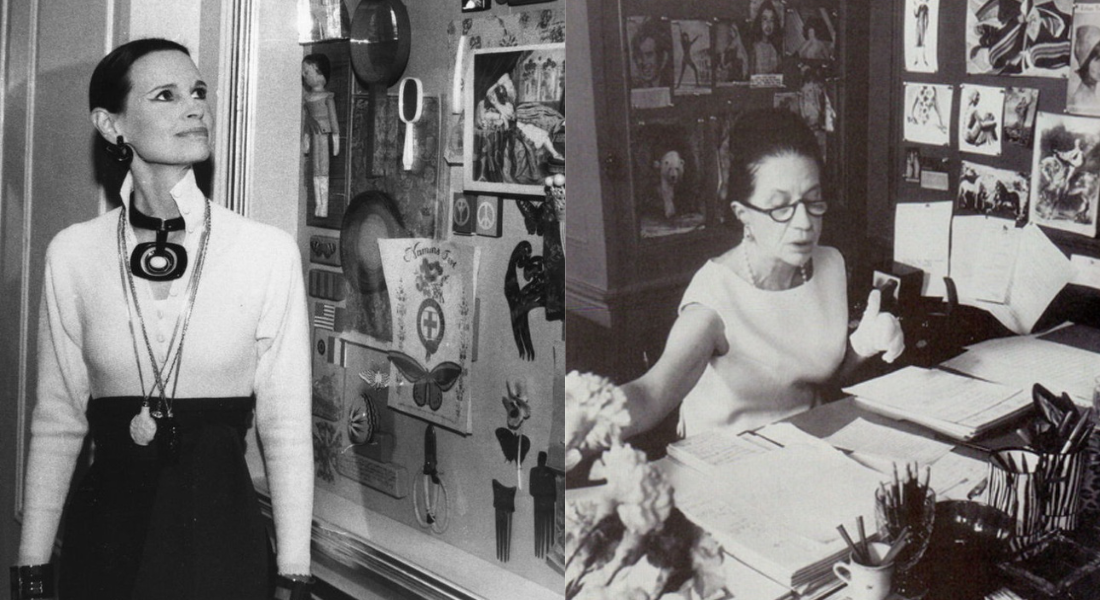
Before Pinterest, there was cork. Designers like Coco Chanel and Edith Head built their collections around a physical board, cork or wood, layered with fabric swatches, photographs, and torn color references, pinned up long before a single stitch was cut. It wasn't decoration. It was direction.
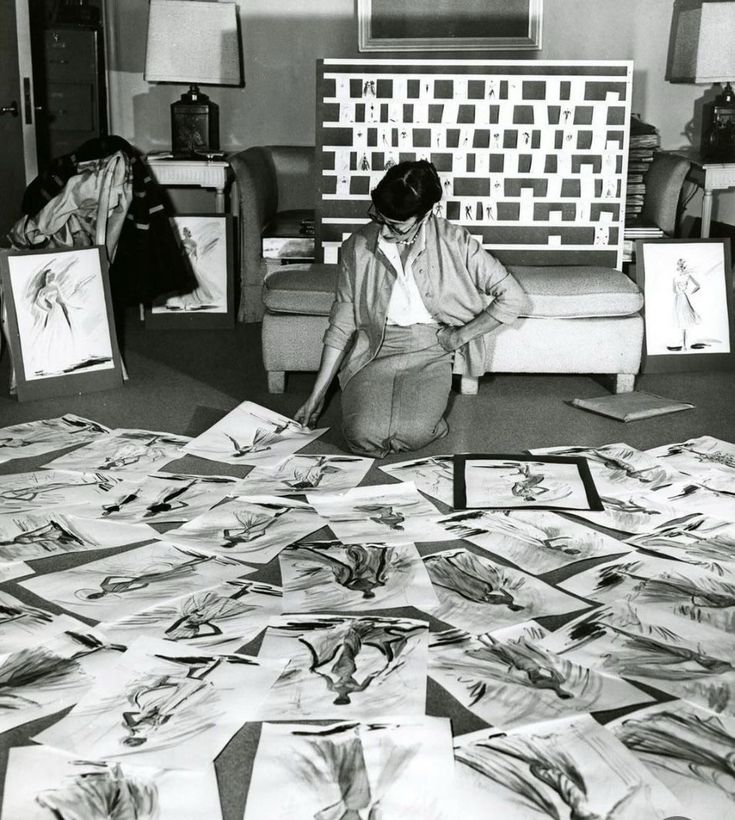
That board lived in the room with the work. It was walked past, argued over, revised by hand, a swatch swapped, a photograph moved an inch to the left. The atelier absorbed it the way a room absorbs light, quietly, day after day, until the idea inside it became impossible to ignore.

In an increasingly digital world, there's something even more powerful about building a mood board with your hands. Research on design and creativity suggests visual stimuli can sharpen ideation, and that physically manipulating objects tends to produce more original outcomes than simply imagining them ever could. A mood board also gives shape to what resists language altogether, colour, texture, form, atmosphere, the particular weight of a feeling you can't quite name.
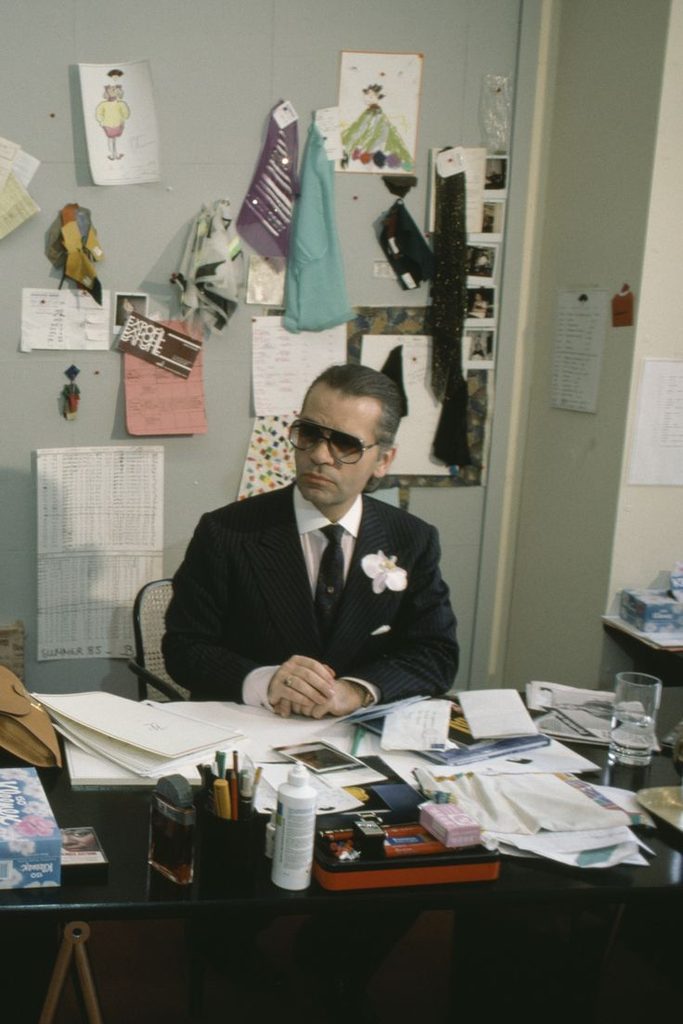
Cutting. Touching. Moving. Rearranging. Inspiration stops being an idea and becomes something you can hold. Instead of endlessly saving references into an infinite scroll, you're forced to slow down, to make connections, to weigh one image against another, to decide, with your own hands, what actually belongs together.
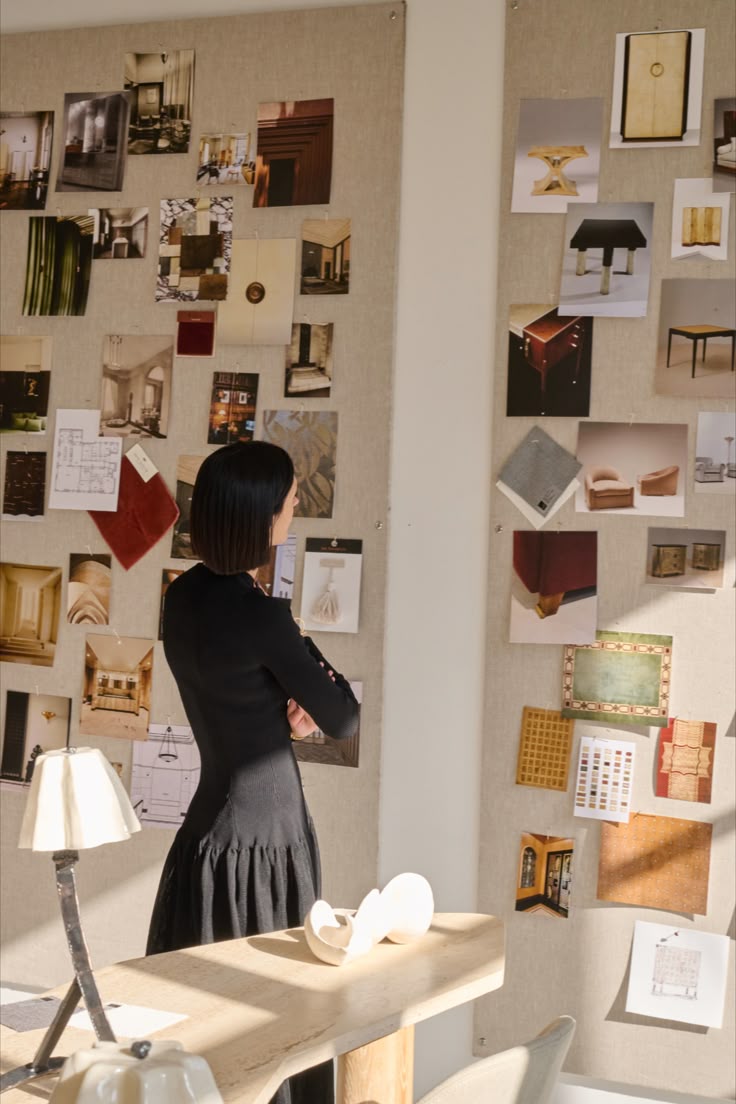
Maybe that's the real power of a physical moodboard. It was never just a place to collect ideas. It was a place to think through them.
Follow Us

The Latest
-

Wellness
The science behind peptide injections
All the risks behind the so-called miracle treatments
-

Travel
Detox hotels to book for your next getaway
Check in, to check out at these beautiful resorts
-

Travel
Discovering Singapore’s green allure
Exotic, diverse, lush. The garden city of Singapore nurtures culture, fine dining, and an environmentally oriented plan for the future
-

Travel
Inside The Royal Diriyah Opera House in Riyadh
Saudi Arabia’s first dedicated opera house opening soon
Subscribe to our newsletter and receive a selection of cool articles every weeks
You can unsubscribe at any time. To find out more, please visit our privacy policy.