

The UAE’s “Washwasha” at the Venice Biennale
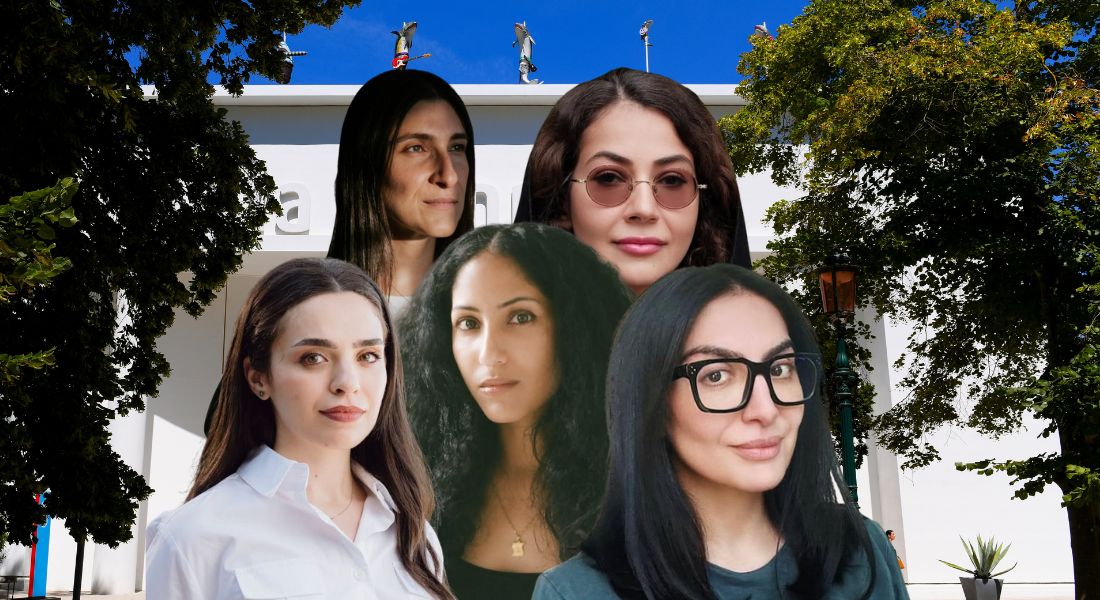
“Washwasha,” meaning whispering, reflects sound at the edge of hearing, where memory and transformation converge
The Venice Biennale is one of the world’s most important contemporary art exhibitions, held every two years in Venice, Italy, where countries present curated exhibitions through national pavilions alongside a main international show. Established in 1895, it serves as a global platform for artists, curators, and institutions to showcase innovative work, exchange ideas, and explore current artistic and cultural themes.
This year the National Pavilion UAE returns to the International Art Exhibition – La Biennale di Venezia with “Washwasha,” a group exhibition that brings together a compelling selection of artists: Mays Albaik, Jawad Al Malhi, Farah Al Qasimi, Alaa Edris, Lamya Gargash, and Taus Makhacheva. Curated by Bana Kattan, Curator and Associate Head of Exhibitions at the Guggenheim Abu Dhabi Project, with Assistant Curator Tala Nassar, the exhibition will be on view from 9 May to 22 November 2026, marking the UAE’s ninth participation in this prestigious global platform.
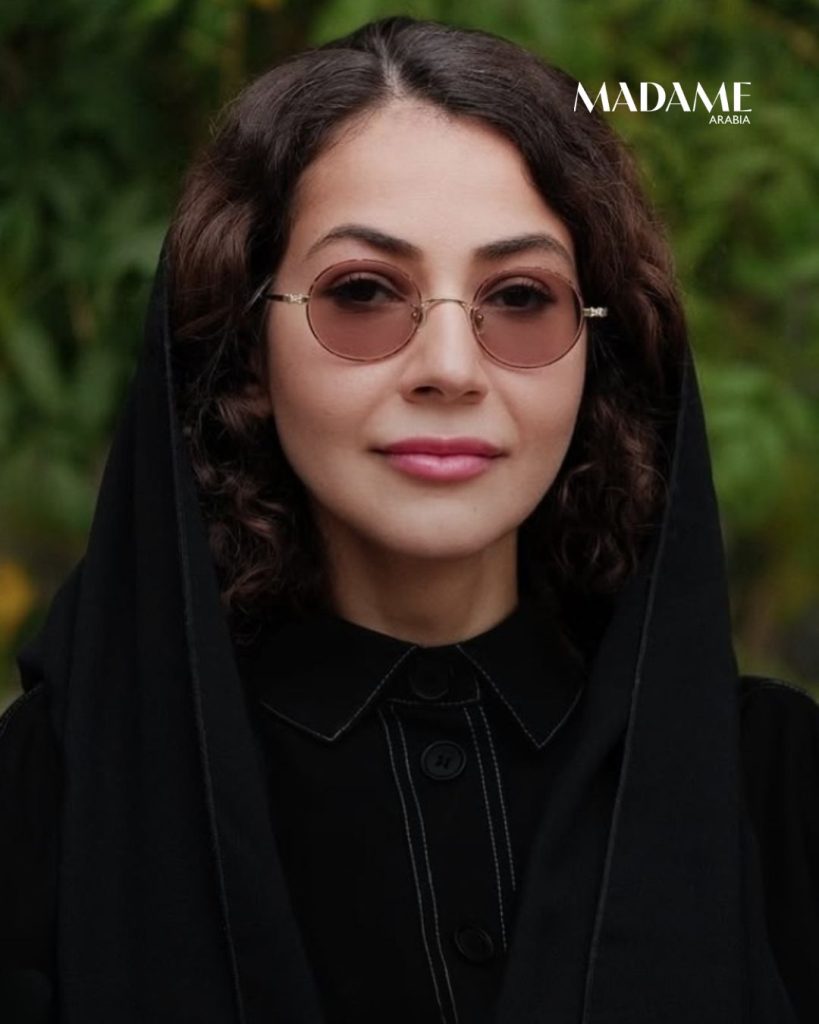
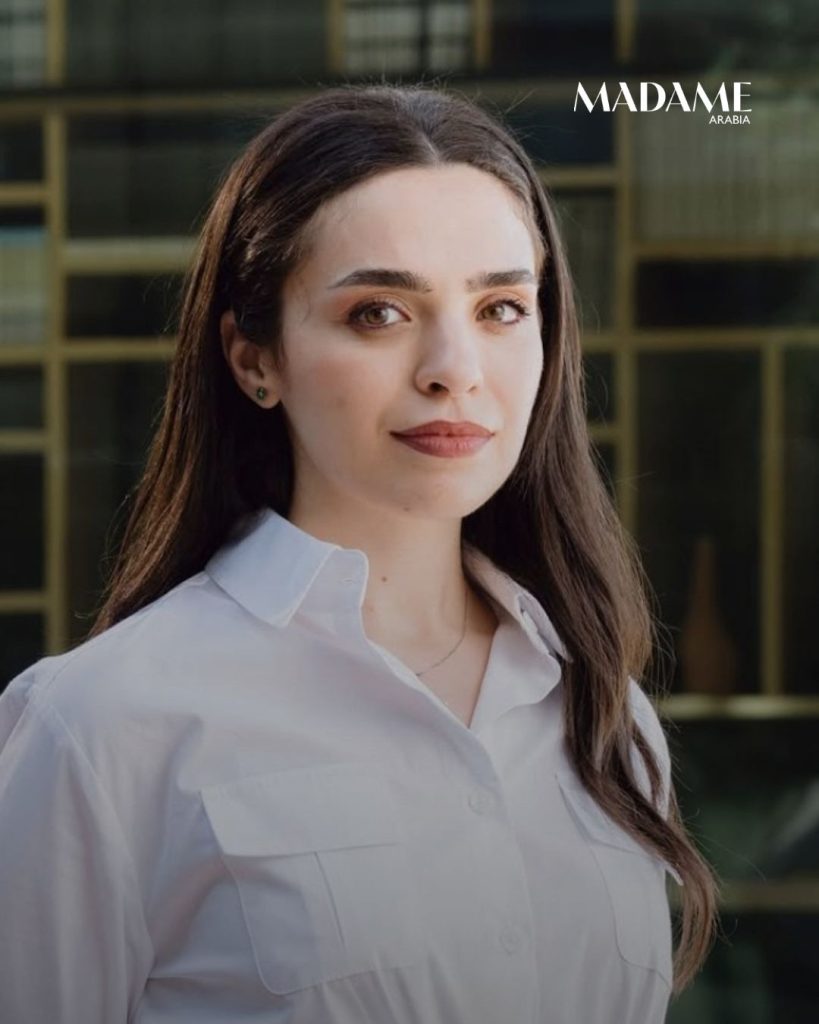
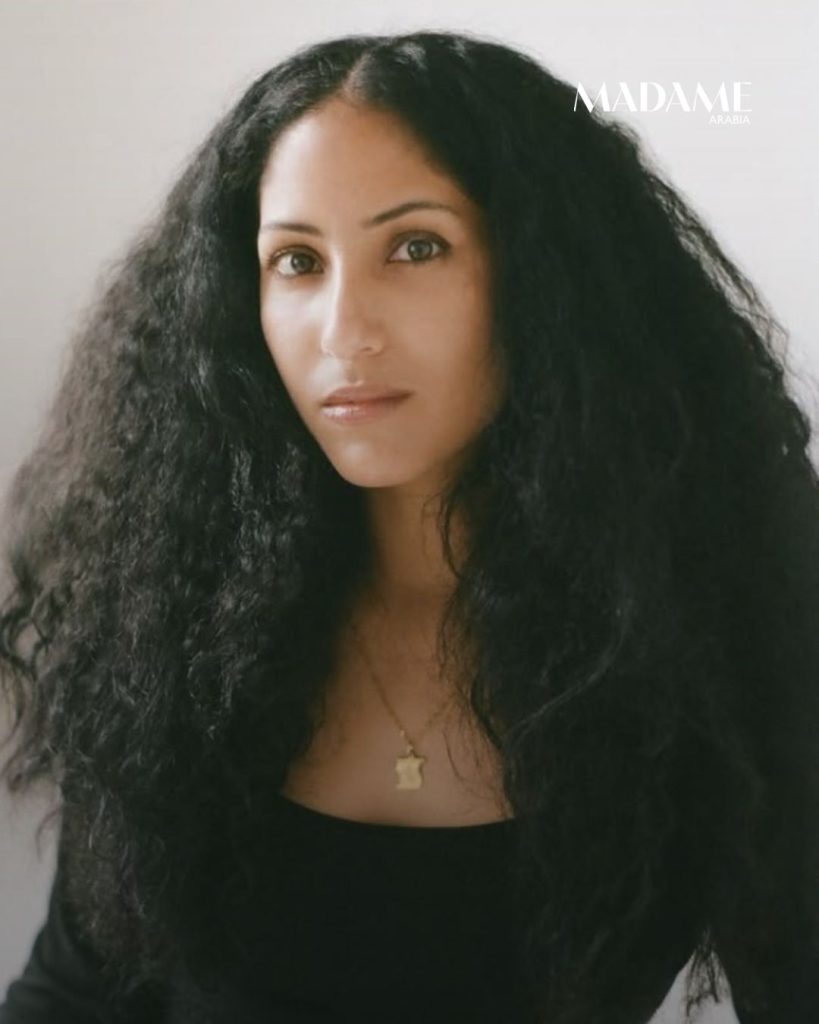
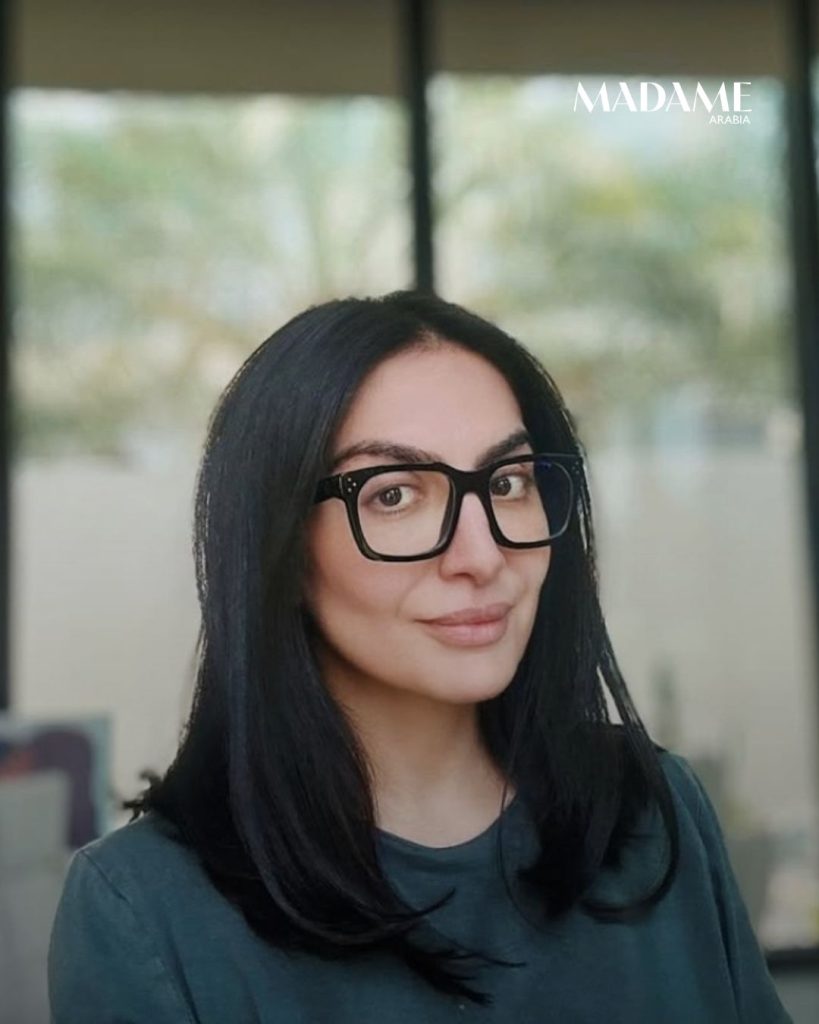
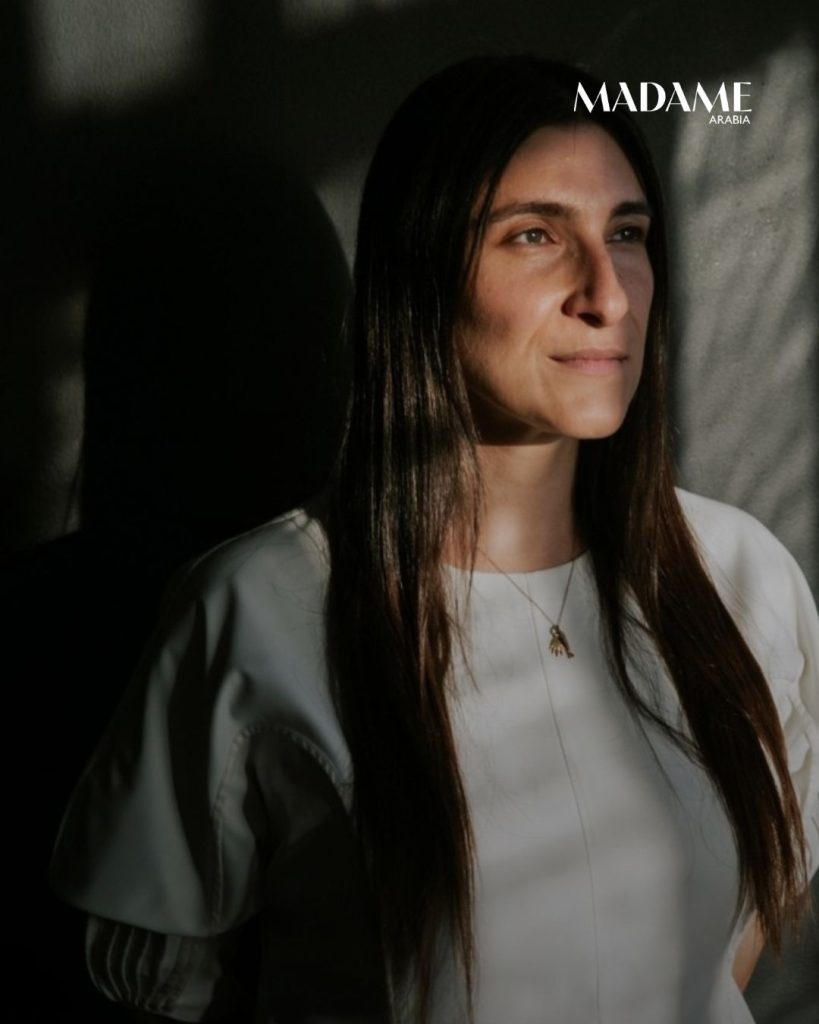
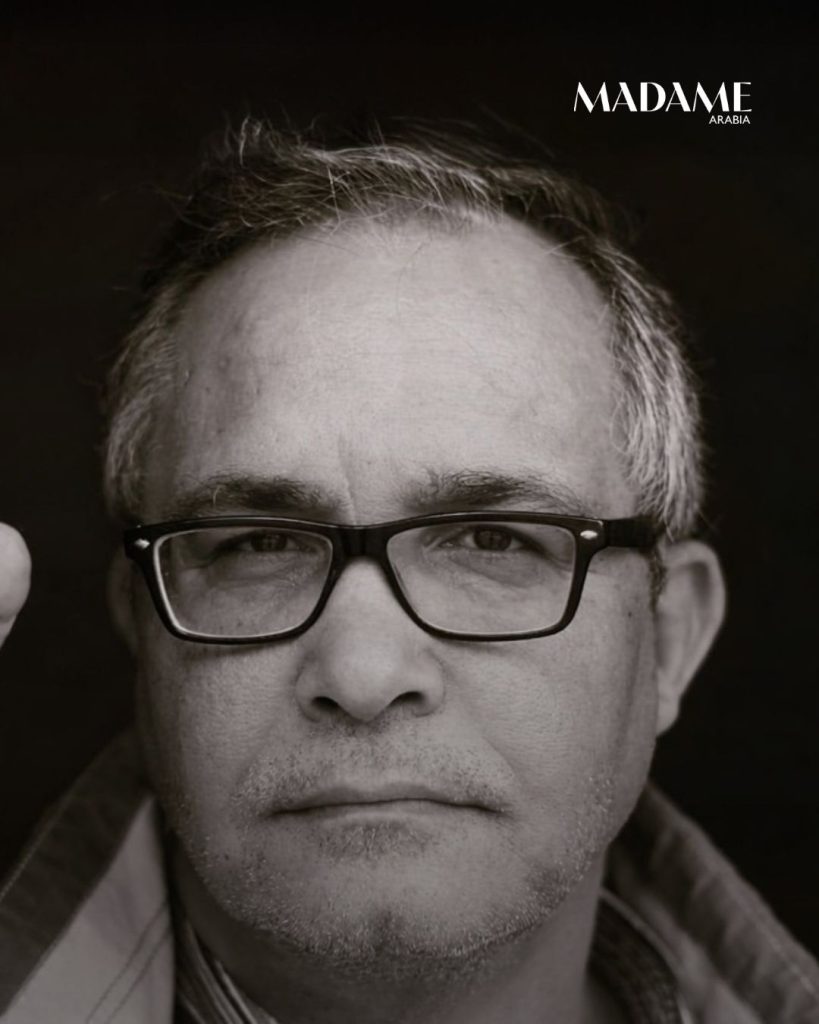
The title Washwasha, a phonetic transliteration of an Arabic word meaning “whispering” evokes a sense of sound at the edge of perception. It suggests something subtle, intimate, and fleeting, yet deeply present. This notion forms the conceptual backbone of the exhibition, where sound becomes a medium through which memory, movement, and transformation are explored.
Bringing together diverse artistic practices, Washwasha reflects on the contemporary soundscapes of the United Arab Emirates, an environment shaped by migration, transience, and long-standing ties to land and community. The UAE, with its layered history and rapidly evolving urban and cultural landscape, becomes both subject and context for the works on display. Through sound, the artists trace invisible connections between people, places, and experiences, revealing how identities are formed, carried, and transformed over time.
The participating artists approach the theme through varied perspectives, using sound not only as an auditory experience but as a conceptual and emotional tool. In doing so, they highlight how sound can act as a vessel of memory, capturing echoes of the past, documenting movement across spaces, and responding to the rapid pace of change that defines contemporary life in the UAE and beyond.
Rather than presenting sound as something purely heard, Washwasha emphasizes its presence in everyday life, the subtle hums, echoes, and whispers that shape how environments are experienced. These sonic traces become carriers of stories, linking personal narratives to broader social and cultural shifts.
The exhibition also reflects the UAE’s growing role in the global art landscape. As the country continues to invest in cultural institutions and platforms such as the National Pavilion UAE, it positions itself as a space for dialogue, experimentation, and exchange. Participation in the Venice Biennale reinforces this commitment, offering Emirati and UAE-based artists an international stage to present work that is both locally grounded and globally resonant.
At its core, Washwasha invites viewers to listen closely, to attune themselves to the quieter dimensions of experience. In a world often dominated by noise and speed, the exhibition proposes a different mode of engagement: one that values subtlety, reflection, and the spaces in between. Through whispers rather than declarations, it reveals how sound can carry the weight of memory and the momentum of change, offering a poetic lens on the evolving identity of the UAE.
Follow Us

The Latest
-

Wellness
The science behind peptide injections
All the risks behind the so-called miracle treatments
-

Travel
Detox hotels to book for your next getaway
Check in, to check out at these beautiful resorts
-

Travel
Discovering Singapore’s green allure
Exotic, diverse, lush. The garden city of Singapore nurtures culture, fine dining, and an environmentally oriented plan for the future
-
Travel
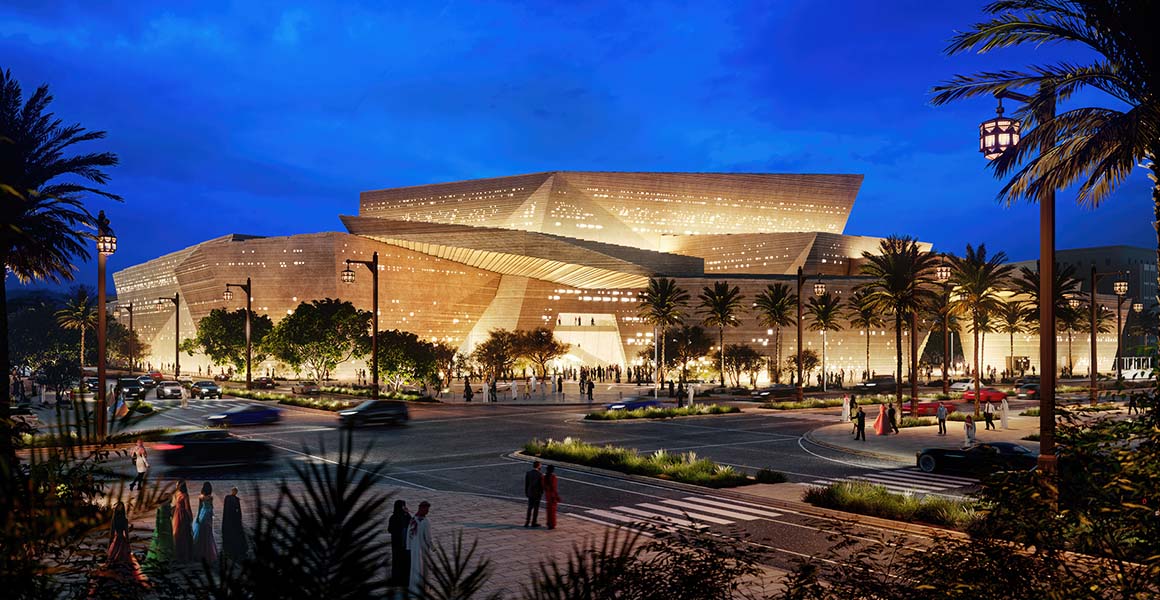
Inside The Royal Diriyah Opera House in Riyadh
Saudi Arabia’s first dedicated opera house opening soon
Subscribe to our newsletter and receive a selection of cool articles every weeks
You can unsubscribe at any time. To find out more, please visit our privacy policy.