

Two sisters, one vision: The story behind Okhtein
Lindsay Judge
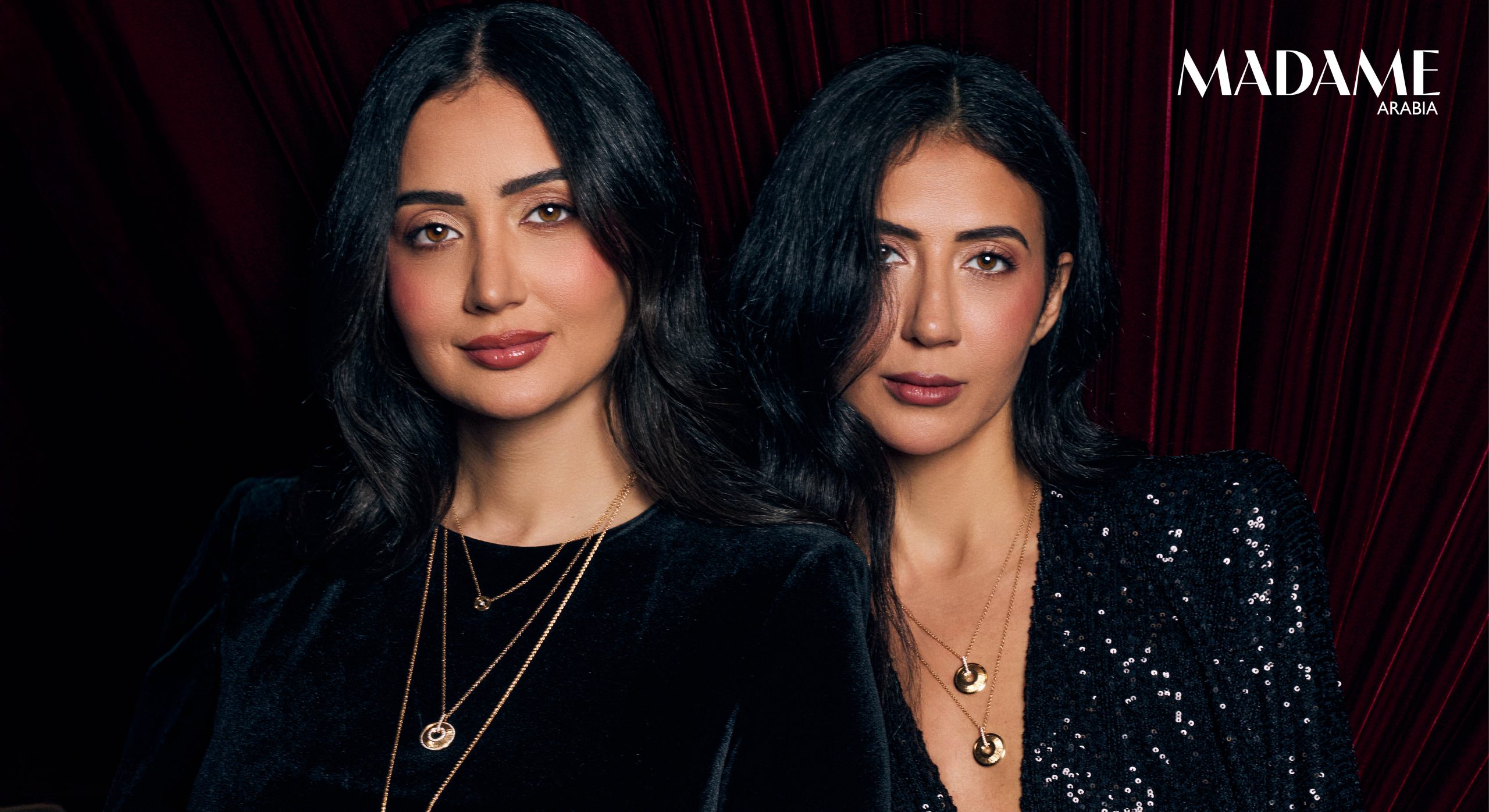
Aya and Mounaz Abdel Raouf, founders of accessory brand Okhtein, discuss sisterhood, their Egyptian heritage, and the importance of preserving traditional craftsmanship in luxury goods today
When Egyptian sisters Aya and Mounaz Abdel Raouf founded the luxury accessories label Okhtein in 2014, they wanted to ensure that a part of them as well as the close relationship that had shaped them since their childhood was firmly woven into the brand’s DNA.
They began translating sisterhood, memories, and individuality into a design language that has placed Egyptian craftsmanship firmly on the global fashion map. The name Okhtein, meaning “two sisters”, was the starting point. “If anything, the philosophy of the brand is duality,” they tell MADAME Arabia. “We are very different as individuals, but at the same time, we complement each other, and that has made us stronger as sisters and stronger as partners.”
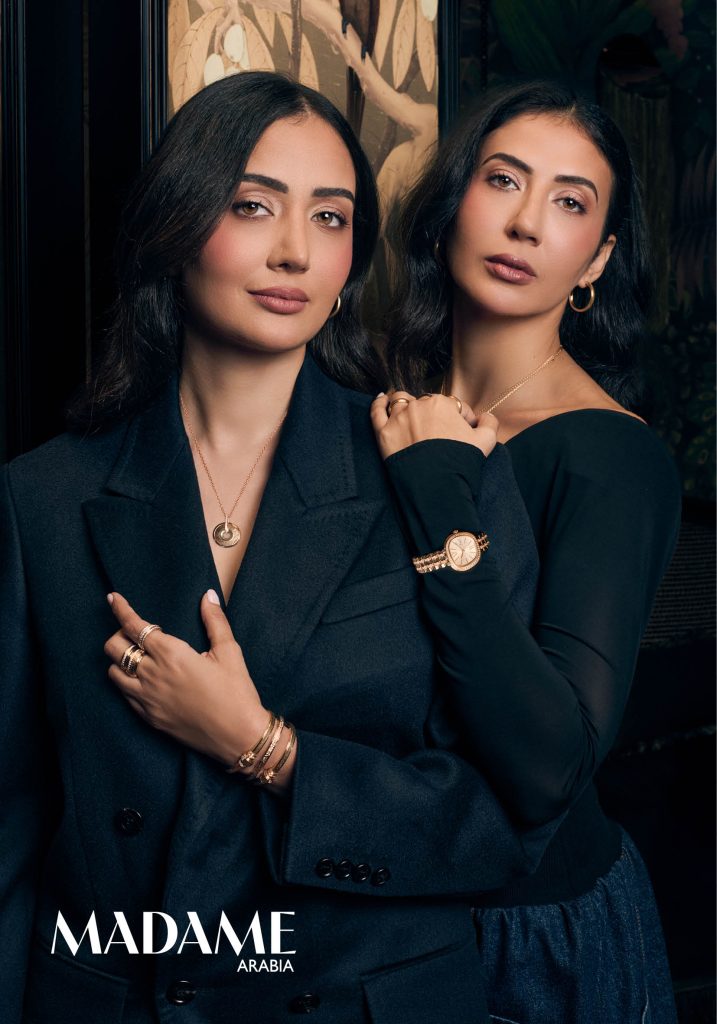
That ethos runs through everything they do. It exists in their working dynamic, in the contrast between metal and leather that defines many of their pieces, and in the way heritage is reinterpreted through a modern lens. Okhtein has, over the past decade, become known for its sculptural handbags and jewellery, and for blending traditional Egyptian craftsmanship with contemporary design. Its pieces are produced in Egypt by local artisans, championing slow fashion, workmanship, and authenticity.
Aya and Mounaz are the driving force behind everything the brand does, and their close bond and bold personalities complement each other, which is undoubtedly one of the reasons behind their success. “There is always an exchange between two ideas and two ways of seeing the same piece,” the sisters explain. “That conversation is very important to us, and it is really what drives Okhtein.” The brand’s signature rod style, used in many of its products, visually captures this. “It represents the two of us moving in different directions, yet still connected at the centre,” they say. “For us, that is the core of the brand.”
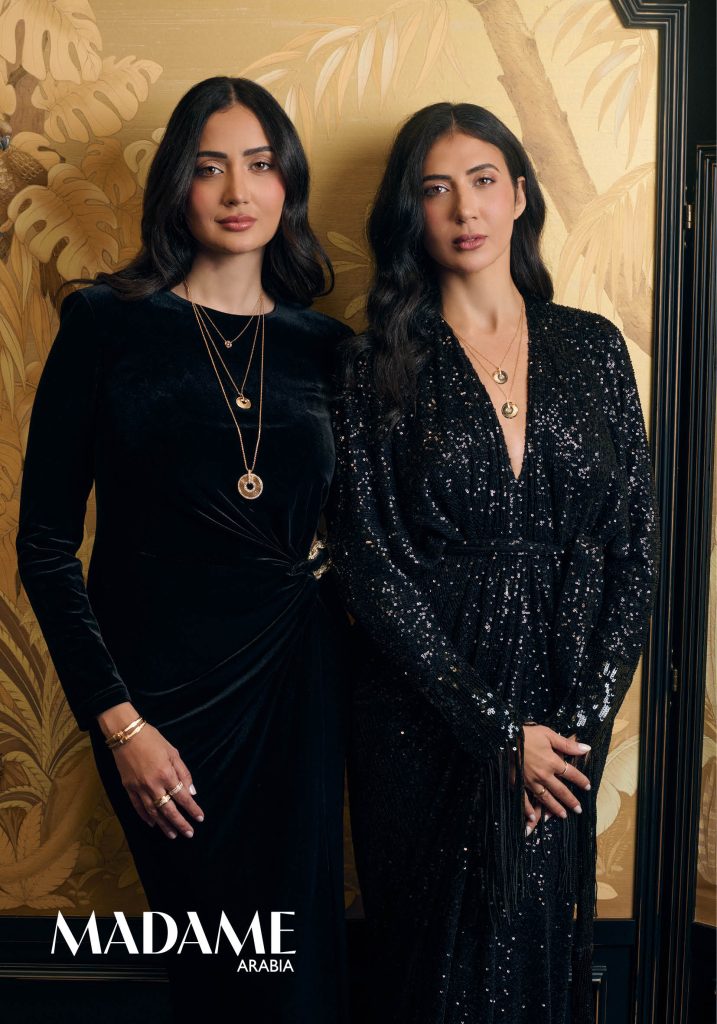
Working so closely as sisters inevitably brings moments of tension. “Yes, there have definitely been moments when we clash,” they admit.
“That is very natural because we are so different, and in a way, that is part of the point,” they share. “Our relationship is built on honesty and trust, so even when we disagree, it usually leads to a better outcome for the brand.”
They are united by their shared values and passion for what they do. “We often approach things from different angles, but we still share the same vision at the end of the day,” they say. That idea has led them to gain international recognition and grow their brand across the Arab world and beyond. That story began, however, long before Okhtein existed.
Their earliest memories of fashion are deeply personal. “We have always loved fashion, and a big part of that comes from our grandmother,” they recall. “She would invite us into her wardrobe, show us her outfits, and let us touch the fabrics. She was actually the first person to teach us about leather.” And their grandmother’s influence still lingers in the brand’s DNA. “We grew up looking at her photos from the sixties and seventies, and even today, she remains our style icon. That world she introduced us to made fashion feel personal and meaningful.” Fashion, for them, was never superficial. That emotional grounding eventually turned into ambition.
“Over time, that love naturally grew into a desire to create something of our own,” they say. “We wanted to build pieces that felt unique and different, pieces we didn’t see in the market.” That desire to fill a gap became Okhtein’s starting point.
After launching their brand in their home city of Cairo with just an Instagram page selling their products, Okhtein soon began to grow and, before they knew it, was finding its place in the global luxury space, a topic the sisters reflect on. “It is very hard to compete in the luxury segment,” they say. “It is a tough market to enter and an even tougher one to grow in.”
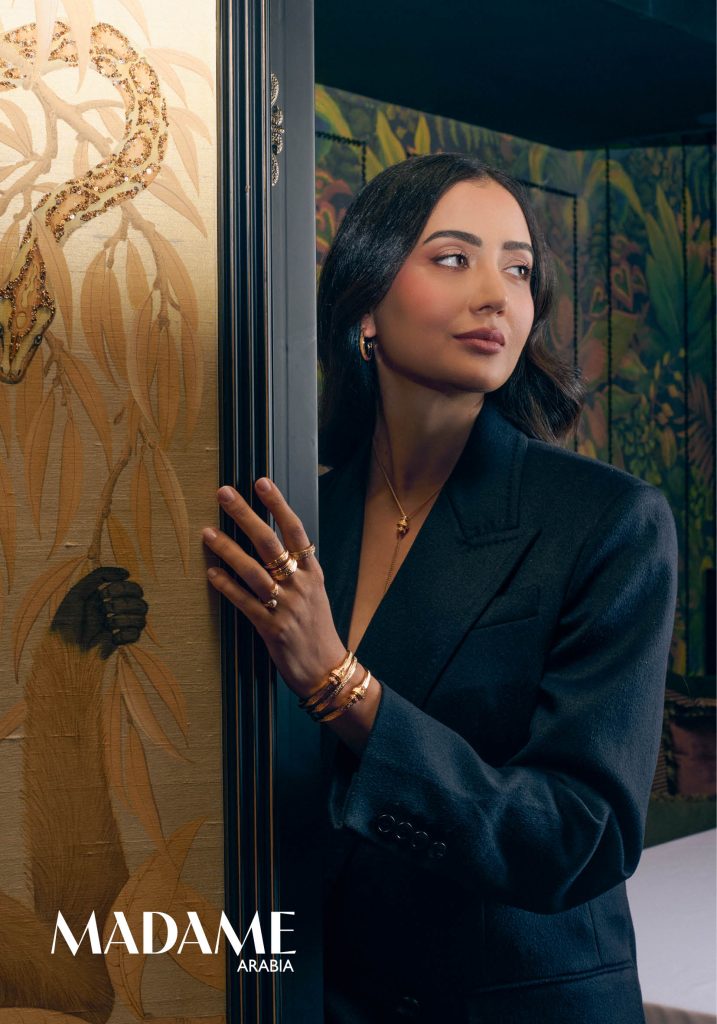
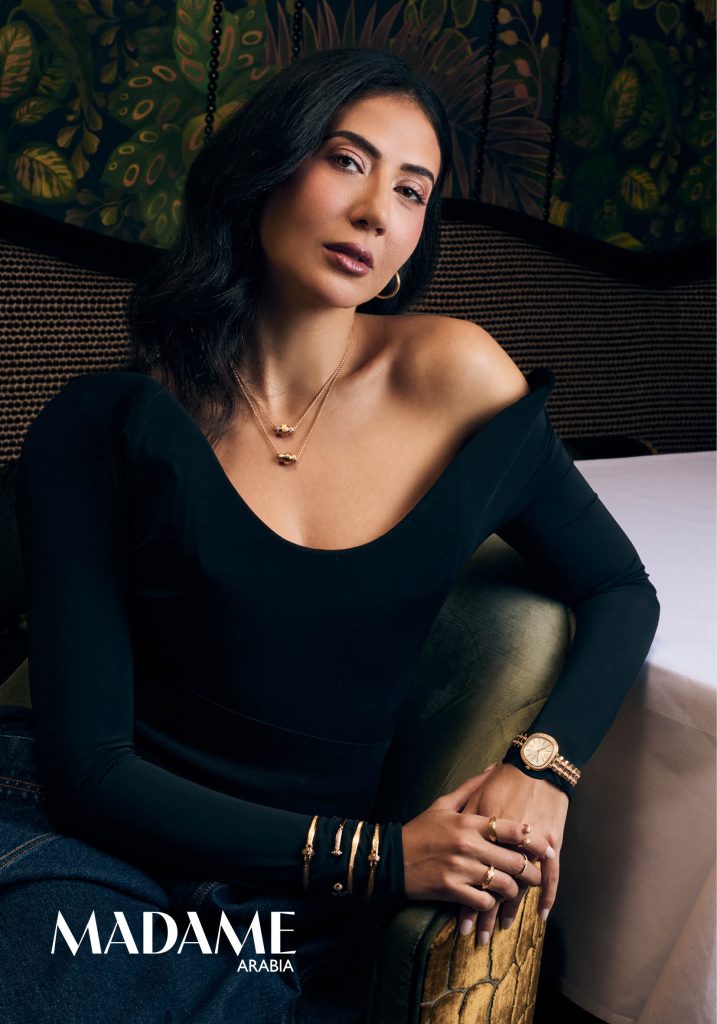
is from MaxMara.
The challenge isn’t just scale, but also perception and gaining the attention of women who have so many brands to choose from and engage with. “Luxury is often associated with heritage brands that have been operating for decades or even centuries,” the sisters note. So, for a contemporary Arab brand, that meant repeatedly proving legitimacy. “Standing next to those names and competing on the same level is a real challenge,” they explain. “We have to work harder to prove ourselves, to build trust, and to show that a brand from our region can offer the same level of design and quality while bringing a different point of view.”
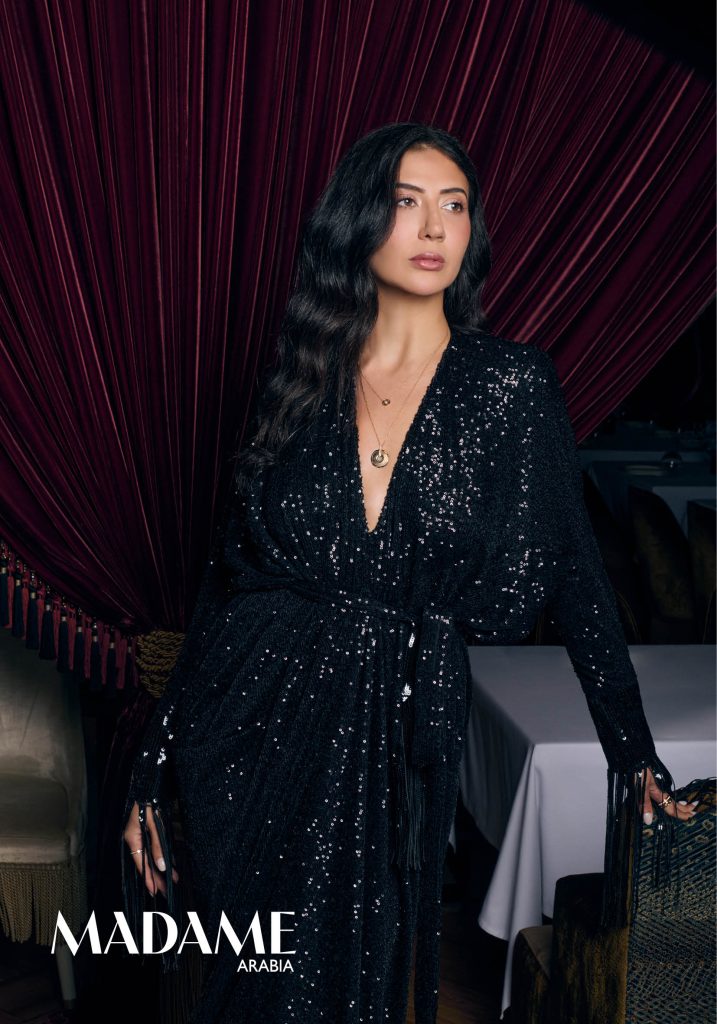
That point of view, it turns out, is precisely what has connected Okhtein and its founders so closely with women across the Middle East. “We believe what resonates most is authenticity,” they say. “The region is tired of international brands trying to speak their language and interpret their identity from the outside. We are not trying to appear Arab. We are Arab, and we are proud of that.” This pride in their heritage runs deeply through everything they do. “We express it honestly in our designs and our storytelling, and women in the region can feel that.” The Middle East’s growing influence has been pivotal to Okhtein’s rise, and at an exciting moment in the industry’s regional growth, it has also been key to the brand’s development. “The regional industry has really pushed our journey forward,” they note. “Some of our first important recognitions came from here.”
Dubai, in particular, became a launchpad. “It gave us visibility and confidence,” they add. “It helped us connect with buyers, press and clients from the Middle East and from outside the region as well.”
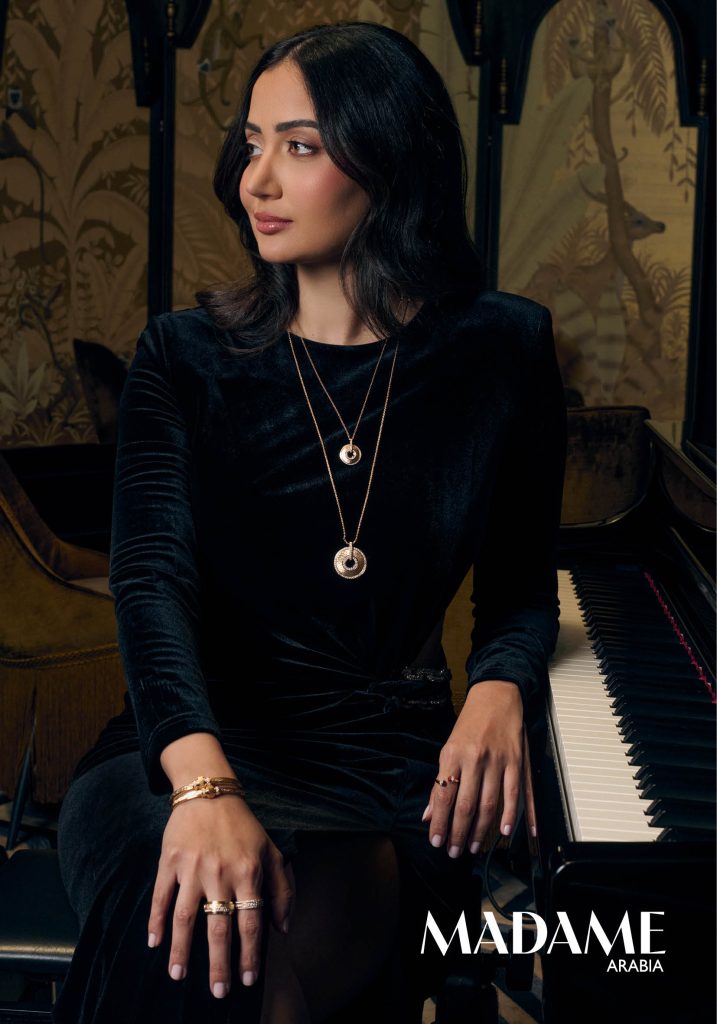
Aya and Mounaz are acutely aware of the region’s power. “Arabs are among the top luxury consumers worldwide,” they say. “They love luxury, they appreciate quality, and they recognise craftsmanship.”
Luxury, as the siblings define it, is not about excess. “For us, luxury today is craftsmanship, storytelling and setting a dream.” Each piece they produce is created with intention. “It is about how well something is made, the story it carries, and the emotion it creates for the person who wears it.” Every collection begins with a clear narrative. “It starts from a story rooted in our culture and our experiences.” This is evident in the brand’s most notable creations. A recurring theme is Egyptian heritage, often referenced through architectural lines, symbolic metal hardware and materials linked to traditional craftsmanship.
Ancient motifs, desert landscapes, and the geometry of historic buildings are reimagined in a contemporary way. The sisters’ vision is deeper than merely creating beautiful luxury goods. “We want each bag or piece of jewellery to feel like a small dream you can carry with you, something personal and meaningful – not just beautiful in a photograph.”
On a more personal level, Aya and Mounaz see their own values as women reflected in the brand. “We see ourselves as passionate, resilient and generous women,” they explain. “When we believe in something, we give it everything we have. We do not give up easily, and we try to meet every challenge with persistence and purpose.” Giving back is equally important to them – it’s something they hold as a priority even today. “From the beginning, we have always looked for ways to support others through the brand,” they say. “The more the brand grows, the more we should give back.” Behind the scenes, that balance is maintained through trust and family. “Our brother is the happy medium,” they explain. “He handles the business side while we focus on the creative.”
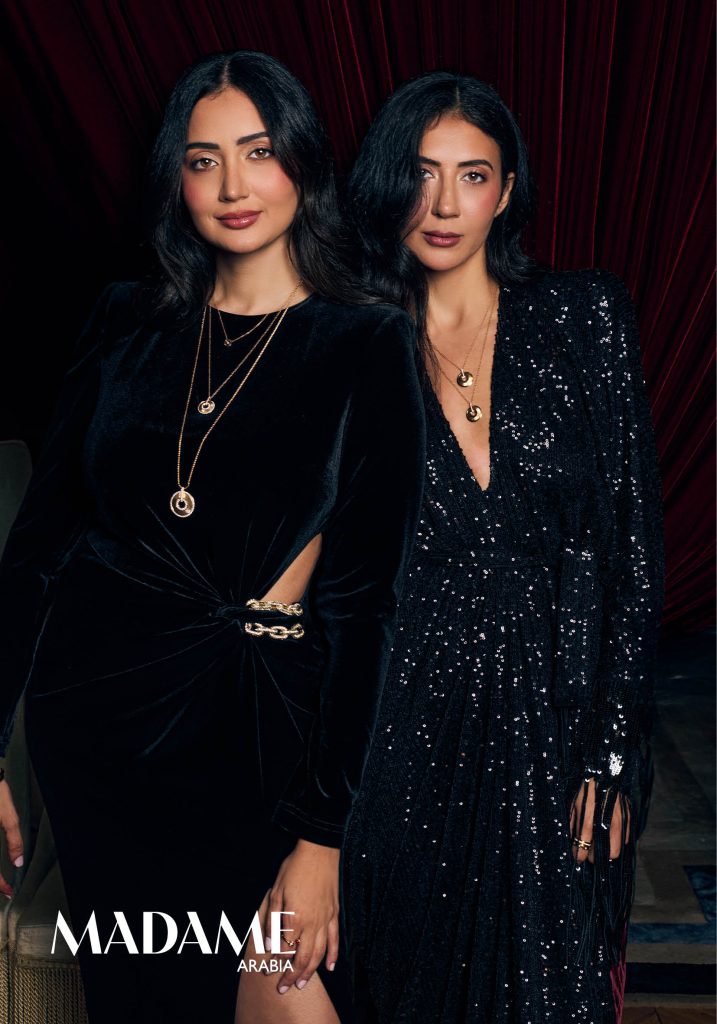
Looking ahead, the siblings’ ambitions remain rooted yet ambitious. They are acutely aware of the challenges that may come as they continue to grow, but they take each one in their stride, without being afraid to admit that there may be disagreements or challenging times ahead. “Those moments taught us to communicate better, to explain our ideas more clearly, and to stay open to different opinions and creative directions,” they say.
“There will be setbacks and moments of doubt, but if you truly believe in what you are creating, you have to keep standing up and moving forward.” This is a message they’d also send to other women hoping to pursue their dreams, whether that be starting a fashion brand, an entrepreneurial business journey, or a personal project.
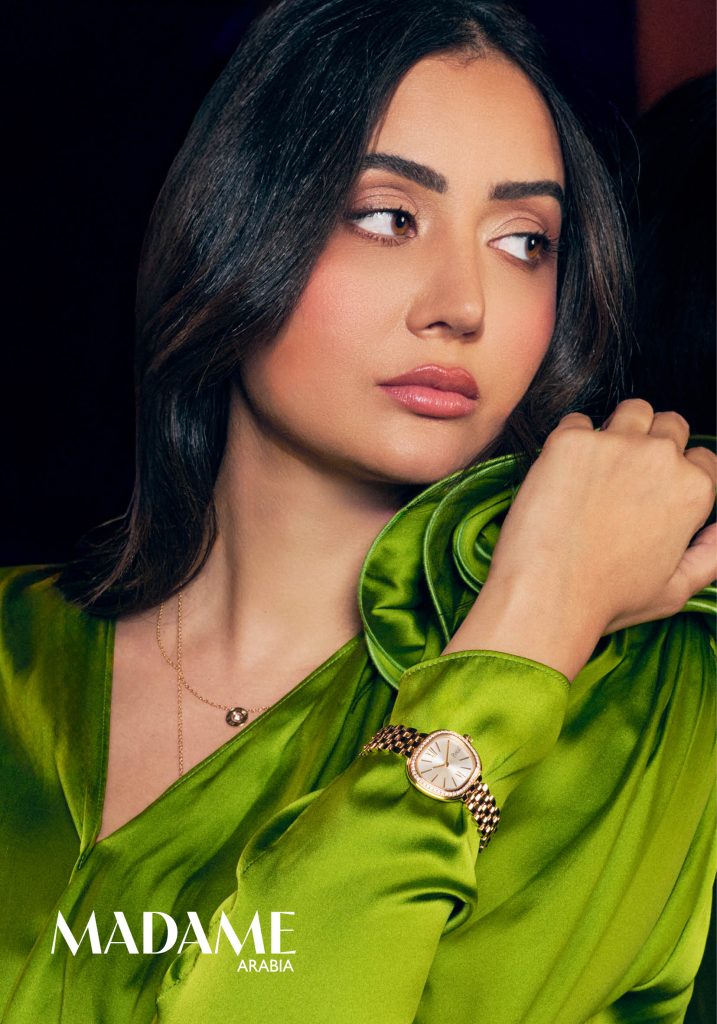
“Be tough, be powerful, be unique and be resilient. Do not try to copy what already exists. Start from who you are, from your culture and your own point of view, and protect that.”
Looking ahead, the duo wants to expand the brand further, leveraging their strong presence in the Middle East as a platform for growth. “We want to strengthen our presence in the region, especially in the GCC,” they say. “From there, we want to continue expanding globally, while staying true to where the brand started.” As they continue to reach new milestones in their journey, one thing is clear. Okhtein will remain a story of sisterhood, authenticity, and products made with love.
Photographer: Michel Takla
Stylist: Sleiman Dayaa
Executive Producer: Jorge Rosell
Production: We Made It Agency
Make-Up Artist: Anna Shevchenko
Hair Stylist: Paulo Ilagan
Location: Nahaté
Follow Us

The Latest
-

Wellness
The science behind peptide injections
All the risks behind the so-called miracle treatments
-

Travel
Detox hotels to book for your next getaway
Check in, to check out at these beautiful resorts
-

Travel
Discovering Singapore’s green allure
Exotic, diverse, lush. The garden city of Singapore nurtures culture, fine dining, and an environmentally oriented plan for the future
-
Travel
Inside The Royal Diriyah Opera House in Riyadh
Saudi Arabia’s first dedicated opera house opening soon
Subscribe to our newsletter and receive a selection of cool articles every weeks
You can unsubscribe at any time. To find out more, please visit our privacy policy.