

Why Natural Weaves Continue to Shape Contemporary Interior Design
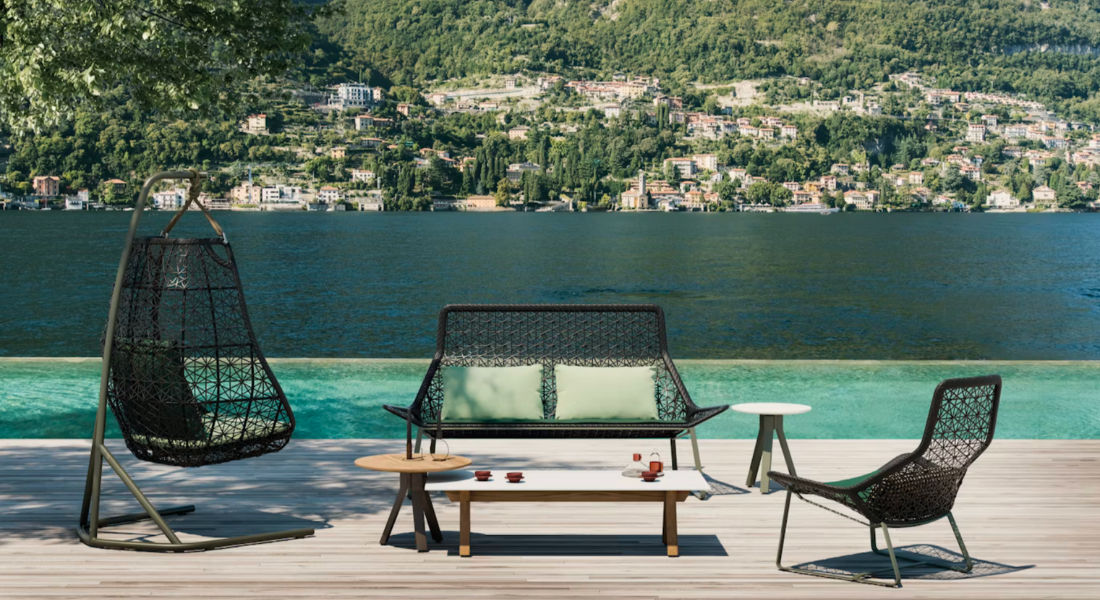
In an era where interiors are increasingly defined by calm, considered spaces, natural weaves have quietly re-emerged as one of design's most enduring materials. Once closely associated with traditional craftsmanship and relaxed coastal homes, rattan, cane, wicker, willow and woven rope are now finding their place in sophisticated contemporary interiors, where texture and authenticity are valued just as highly as form.
Rather than relying on bold colours or elaborate decoration, today's luxury homes are embracing materials that tell a story. Handwoven furniture introduces warmth, depth and subtle character, creating interiors that feel inviting without sacrificing refinement. It is this balance between craftsmanship and modernity that has made natural weaves a defining element of contemporary design.
The appeal also extends beyond aesthetics. As homeowners increasingly invest in pieces designed to last, furniture rooted in traditional making techniques offers a welcome sense of permanence. Woven materials possess an organic softness that contrasts beautifully with stone, glass and metal, while their versatility allows them to complement everything from Scandinavian and Japandi-inspired interiors to Mediterranean homes and contemporary urban spaces.
Leading international furniture houses continue to reinterpret these historic techniques through innovative materials, sculptural forms and thoughtful craftsmanship. The following collections demonstrate how natural weaves continue to evolve while remaining deeply connected to their artisanal origins.
Cassina | Hotte Armchair & Pouf
Designed by Philippe Starck
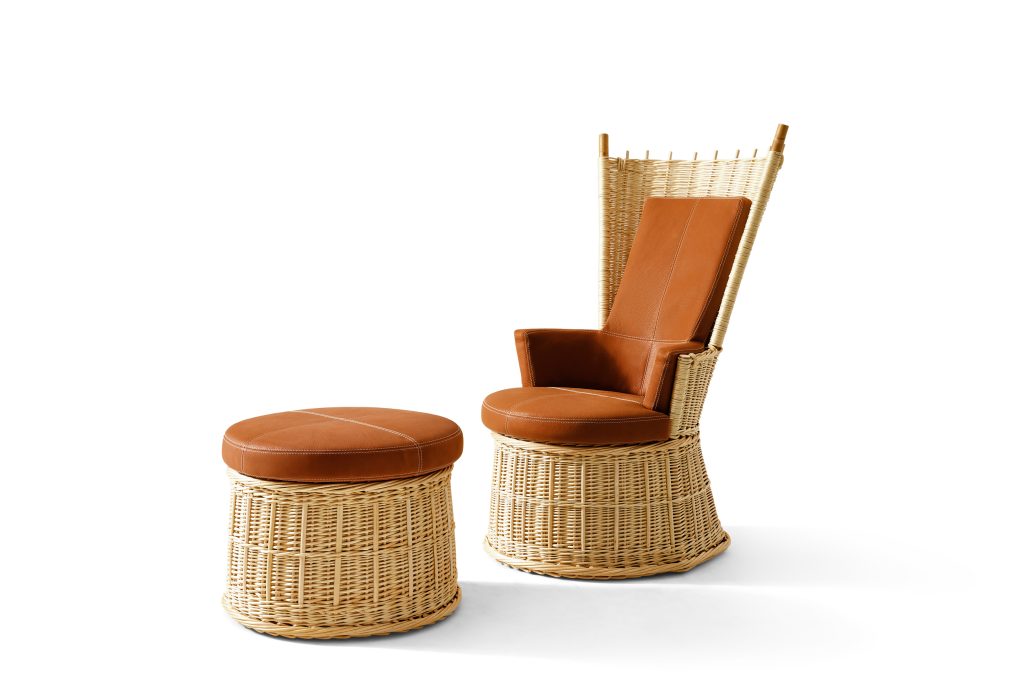
Drawing inspiration from the woven baskets traditionally carried by fruit pickers, Philippe Starck transforms an everyday rural object into a striking piece of contemporary furniture. Expertly handcrafted in willow with vertical rattan detailing and a flexible rattan structure, the Hotte collection celebrates traditional basket weaving while introducing luxurious leather cushions that bring comfort to its sculptural silhouette. The result is a design that honours heritage through a distinctly modern lens.
Kettal | Basket Club Armchair
Designed by Nanna & Jørgen Ditzel
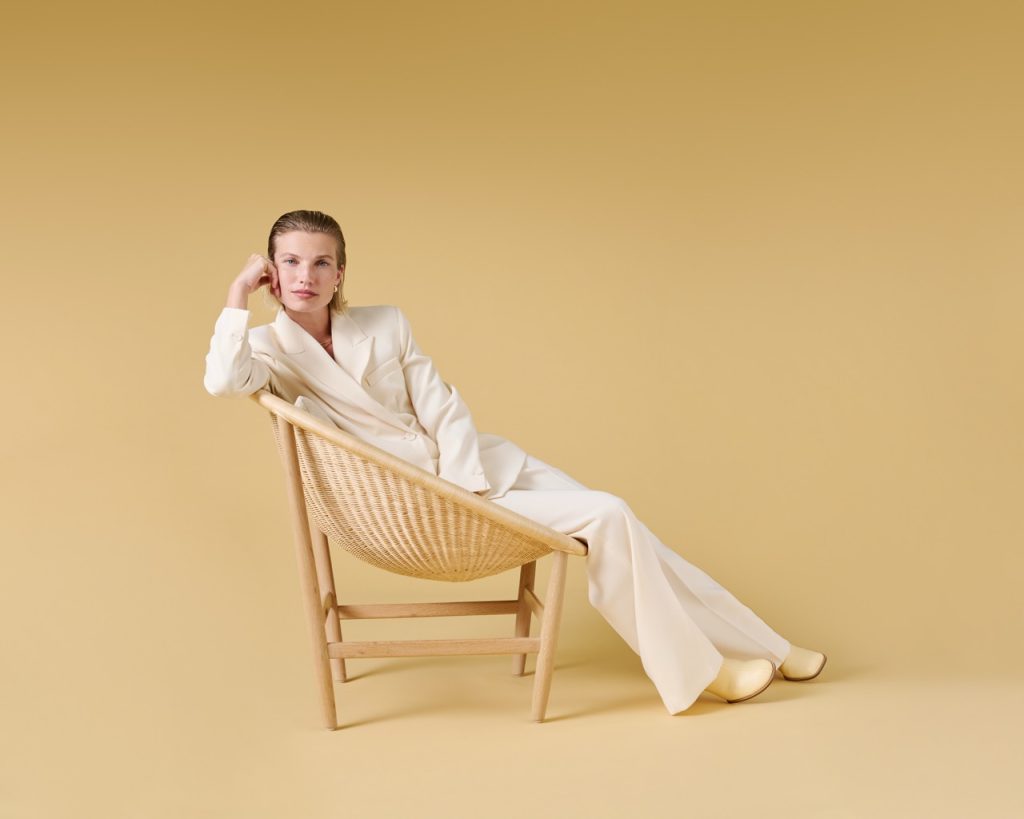
Few woven chairs have achieved the iconic status of the Basket Chair. Originally created in the 1950s by Danish designers Nanna and Jørgen Ditzel, it became an instant landmark in Scandinavian design after receiving international acclaim. Reintroduced by Kettal, the collection carefully preserves the spirit of the original while adapting it for contemporary lifestyles through durable materials suitable for both indoor and outdoor living.
Cassina | Capitol Complex Chair
Hommage à Pierre Jeanneret
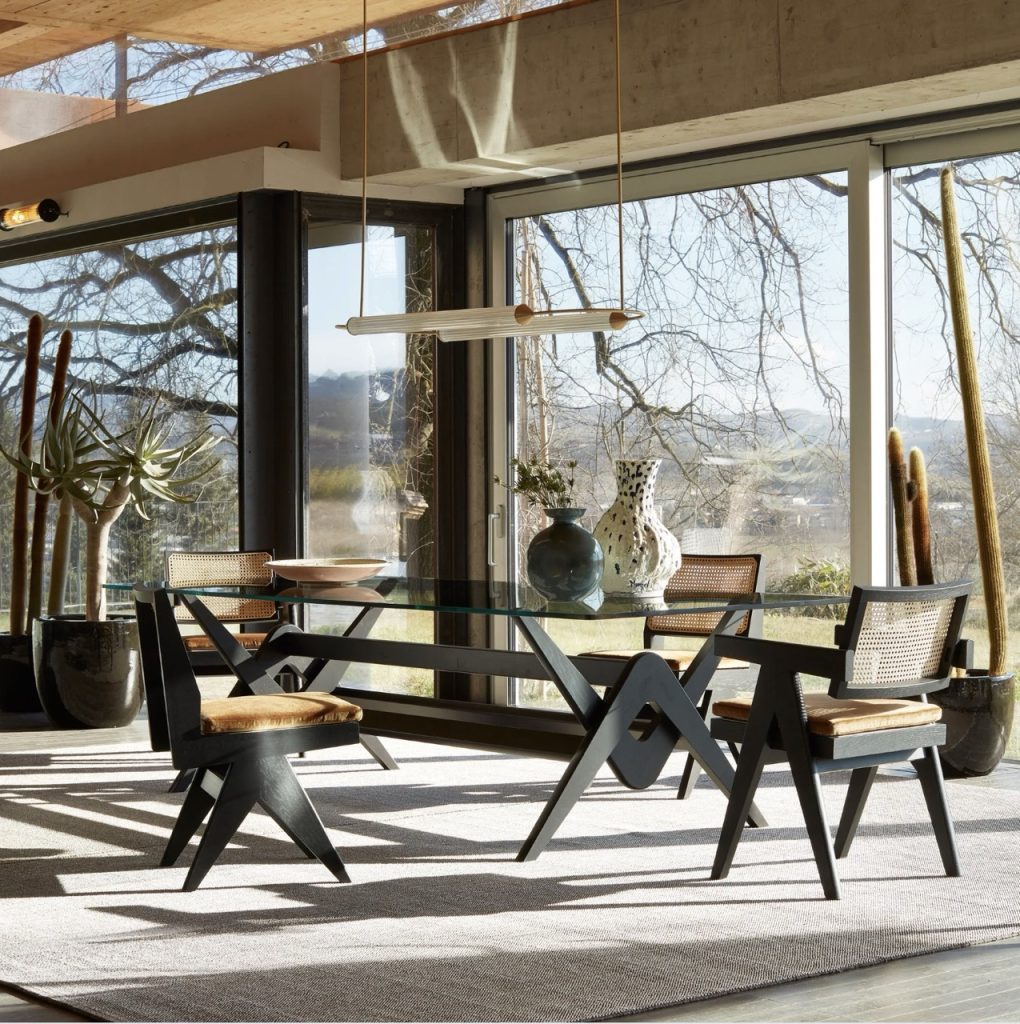
Designed during the 1950s for Chandigarh's landmark public buildings in northern India, Pierre Jeanneret's Capitol Complex Chair remains one of the most influential examples of woven furniture ever created. Reissued by Cassina, the design combines solid oak or teak with finely handwoven Viennese cane, reflecting a thoughtful dialogue between European modernism and Indian craftsmanship that continues to inspire designers today.
Minotti | Elas
Designed by Marcio Kogan / Studio MK27
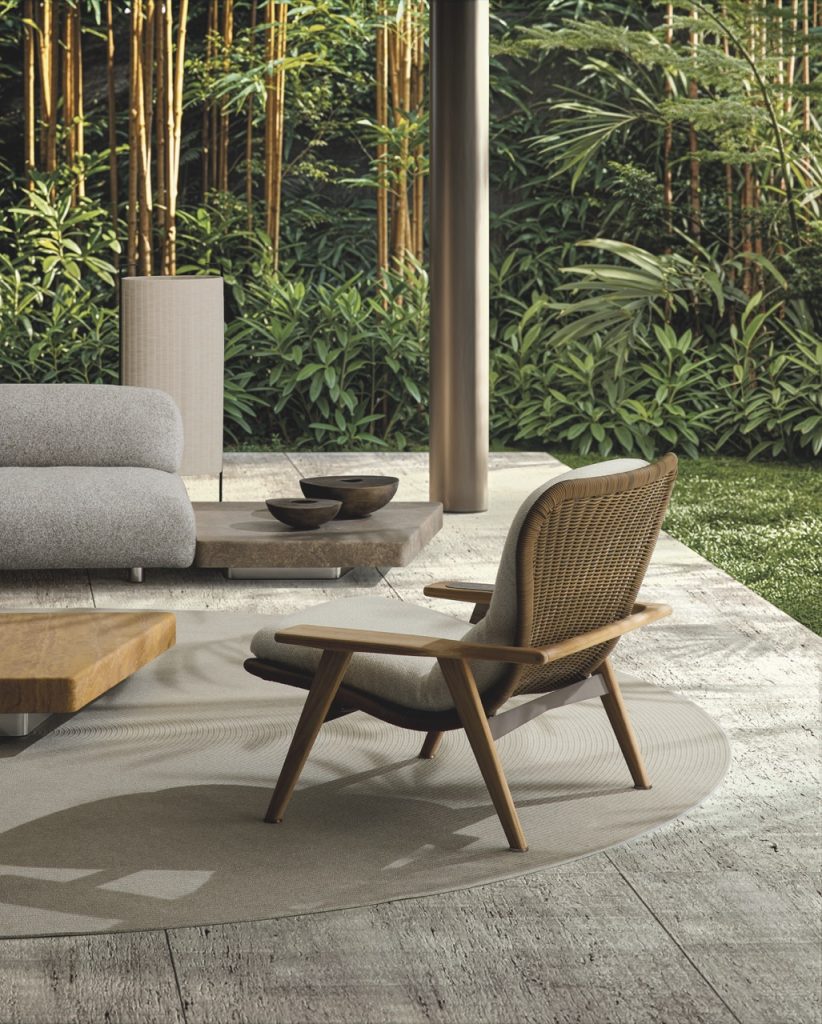
Inspired by the pioneering women of twentieth-century architecture, design and art, Elas explores the expressive possibilities of handcrafted materials. Its defining wicker shell creates an elegant architectural form that feels remarkably light while providing strength and comfort. Combined with generous upholstery and softly curved lines, the collection brings warmth and sophistication to both interior and exterior spaces.
Boffi | De Padova | Silvia Accent Chair
Designed by Paolo Tilche
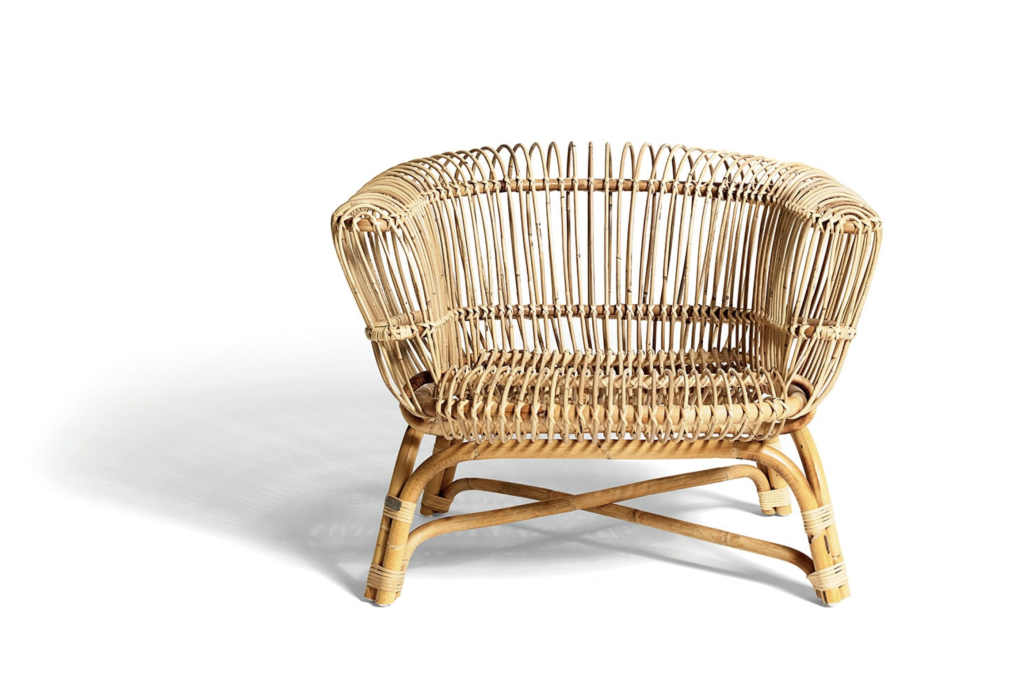
Originally conceived in 1960 and reintroduced from the Archivio Storico Bonacina collection, the Silvia Accent Chair celebrates the beauty of handcrafted Indian cane. Every chair is woven and assembled using traditional rush bark techniques, ensuring each piece possesses its own individual character. Blending vintage charm with understated elegance, Silvia demonstrates why handcrafted natural materials continue to feel relevant in contemporary interiors.
Kettal | Maia Relax Armchair
Designed by Patricia Urquiola
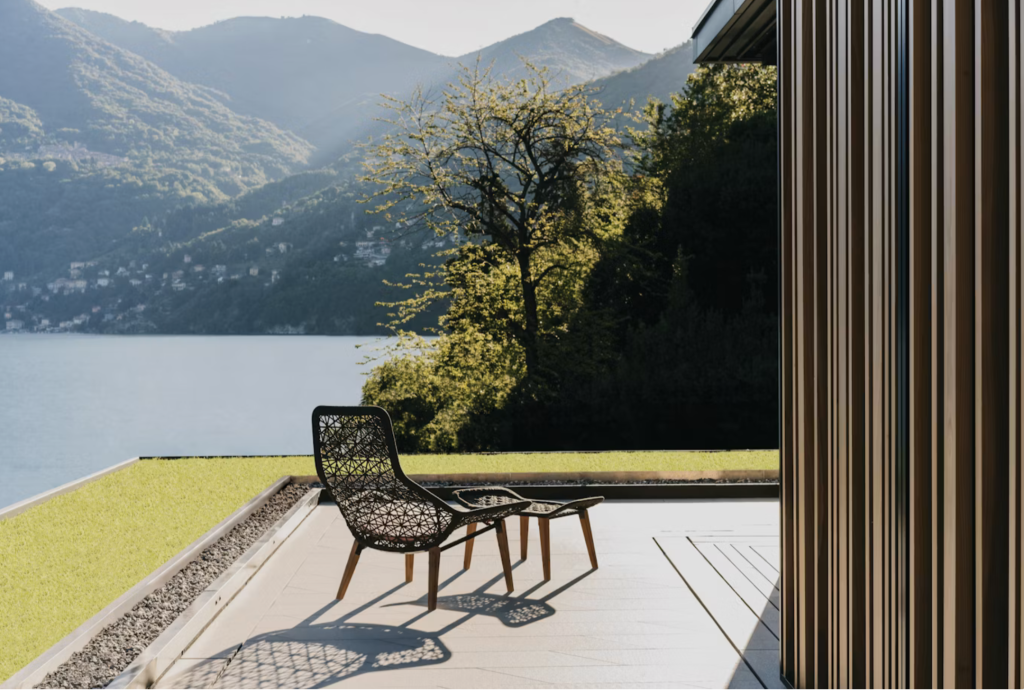
Patricia Urquiola's Maia Relax Armchair offers a contemporary interpretation of woven craftsmanship. Its intricate synthetic rope weave creates the delicate appearance of natural fibres while delivering exceptional durability for outdoor living. Paired with a lightweight aluminium frame and generous cushions, Maia balances architectural precision with inviting comfort, illustrating how woven techniques continue to evolve through innovation.
Natural weaves have endured for generations because they offer far more than decorative appeal. They bring craftsmanship, texture and a sense of authenticity that transcends changing trends. As designers continue to reinterpret traditional weaving techniques for contemporary living, these timeless materials prove that true luxury is often found in the beauty of considered craftsmanship.
Follow Us

The Latest
-

Wellness
The science behind peptide injections
All the risks behind the so-called miracle treatments
-

Travel
Detox hotels to book for your next getaway
Check in, to check out at these beautiful resorts
-

Travel
Discovering Singapore’s green allure
Exotic, diverse, lush. The garden city of Singapore nurtures culture, fine dining, and an environmentally oriented plan for the future
-
Travel
Inside The Royal Diriyah Opera House in Riyadh
Saudi Arabia’s first dedicated opera house opening soon
Subscribe to our newsletter and receive a selection of cool articles every weeks
You can unsubscribe at any time. To find out more, please visit our privacy policy.